BMW 118D F20 OEM Options Review - Enhanced Safety
Service Price
$75–115
Estimated price · Actual price may vary by shop
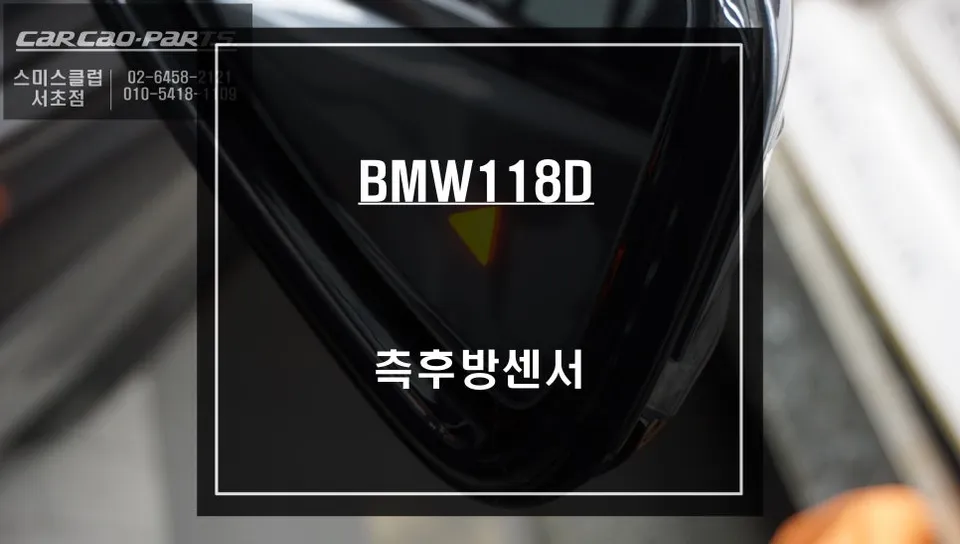
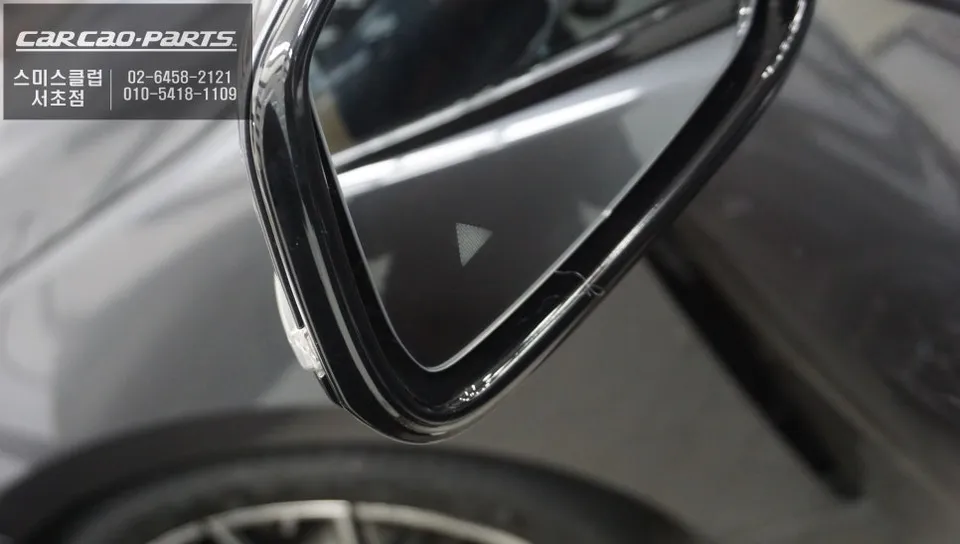
BMW 118D F20 Blind Spot Warning system installation: BSM mirrors + BSA sensors from ₩500,000. Enhances safety with visual and audible alerts.
Enhancing Your BMW 118D F20 with Factory Options: Blind Spot Warning System
Driving, especially on highways, presents moments of heightened risk, often stemming from unseen vehicles in blind spots. This review details the installation of an advanced blind spot warning system on a BMW 118D F20, prompted by the owner's concerns about nighttime highway driving safety. The standard mirrors on the 118D, while functional, offer a limited field of view, making it challenging to detect vehicles approaching from the rear sides. To address this, a comprehensive safety upgrade was performed, focusing on two key components: enhanced mirrors and reliable sensors.
Step 1: BSM Wide-Angle Mirror Upgrade
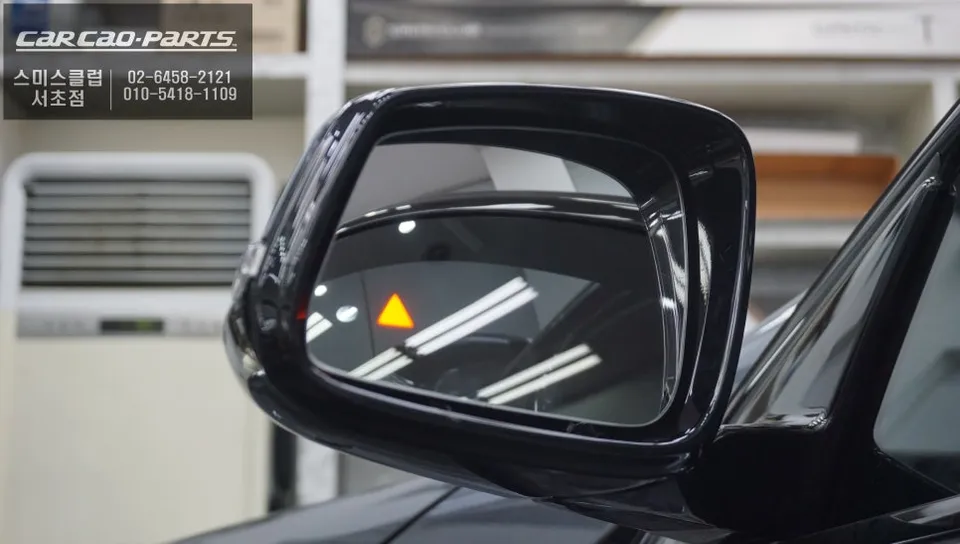
The foundation of any effective blind spot monitoring system is the mirror itself. The "BSM Wide-Angle Mirror" is not just a mirror with an expanded view; it's designed with integrated housings for sensors and warning LEDs. Its primary functions are to extend the driver's field of vision by an additional 40-50 degrees, covering areas invisible to the standard mirror, and to provide a platform for the warning system's visual alerts. This upgrade alone significantly reduces the risk of collision during lane changes by making more of the surrounding environment visible. The installation process involves replacing the existing mirror frame, typically taking about an hour, and utilizes existing wiring where possible.
Step 2: Choosing Your Sensor Technology
While wide-angle mirrors improve visibility, they have limitations, particularly in adverse weather or at night, and may not provide sufficient warning time for rapidly approaching vehicles. This is where sensors become crucial. Two primary sensor options were considered for this BMW 118D F20:
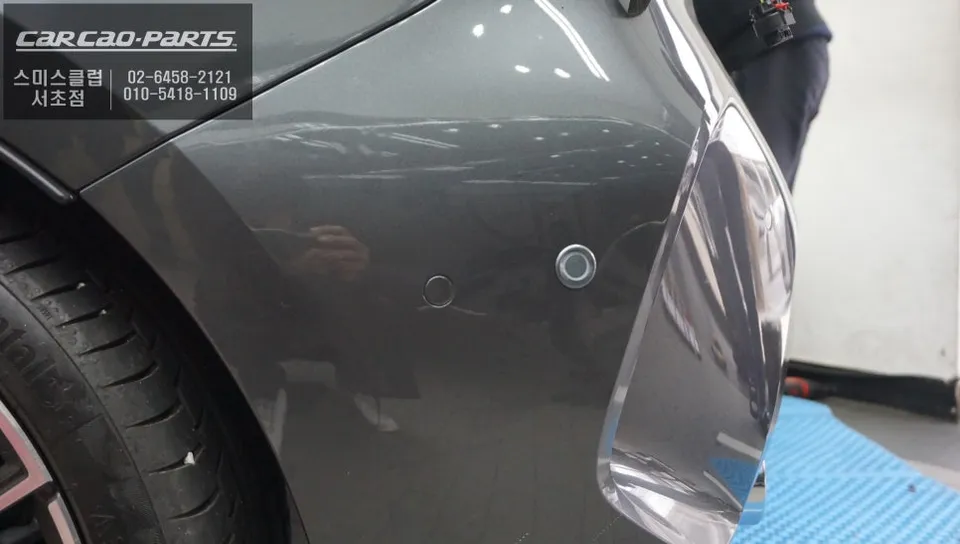
1. BSA Sensors (Bumper-Mounted): This is the more cost-effective solution. Sensors are discreetly mounted on the lower part of the bumper, requiring minimal, precise drilling. They detect both stationary and moving objects within approximately 3 meters, offering adequate warning time for lane changes. For a mid-size car, the installation cost typically ranges from ₩500,000 to ₩800,000 (Korean Won).
2. S-RADAR Sensors (Integrated): This premium option preserves the vehicle's exterior aesthetics by integrating the sensors entirely within the bumper, leaving no visible modifications. These sensors offer more precise detection capabilities, with a sensing range of about 5-6 meters. For premium vehicles like BMW, this upgrade usually requires an investment of ₩800,000 to ₩1,200,000.
For this particular 118D F20, the owner opted for the BSA sensors due to their favorable balance of performance and cost.
Step 3: Integrating Alerts - LEDs and Audible Warnings
Effective blind spot monitoring requires clear communication to the driver. The system installed integrates three distinct alert mechanisms:
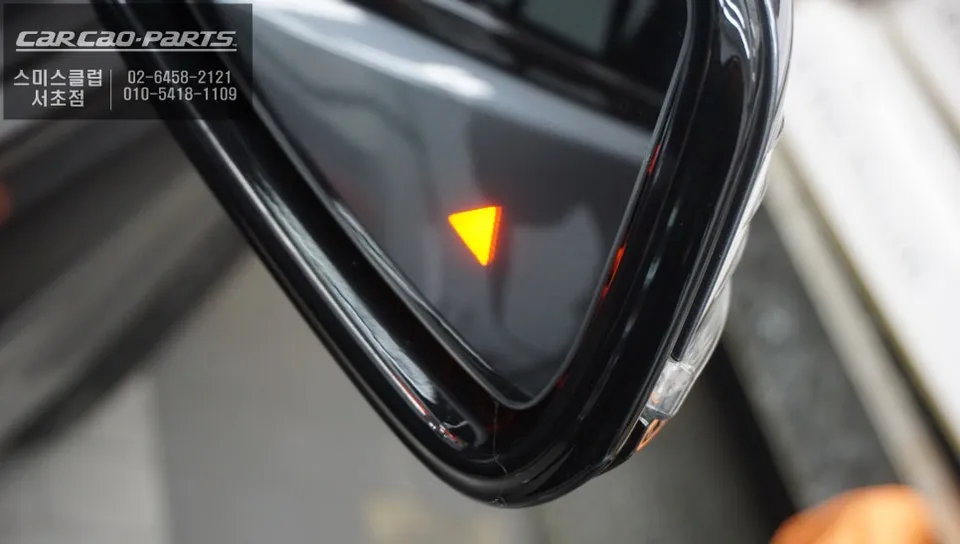
1. LED Warning Lights: Integrated into the BSM wide-angle mirror frames, these triangular LEDs illuminate when a vehicle is detected in the blind spot. This visual cue immediately draws the driver's attention, proving especially effective during nighttime driving.
2. Audible Alerts: To compensate for potential lapses in visual attention, the system includes an audible warning. When a sensor detects a hazard, a 5-10 dB alert sounds inside the cabin, ensuring the driver is notified even over ambient noise.
This multi-layered approach ensures that drivers of the BMW 118D F20 receive timely and effective warnings, significantly enhancing safety during various driving conditions. The combination of factory-level integration and advanced technology provides peace of mind and a more secure driving experience.
Frequently Asked Questions
Q. How much does a blind spot warning system cost for a BMW 118D F20?
The blind spot warning system for this BMW 118D F20, using BSA sensors, cost approximately ₩500,000 to ₩800,000. Similar systems in the US can range from $300 to $1000 depending on the features and brand.
Q. How long does a blind spot warning system last on a BMW 118D F20?
A professionally installed blind spot warning system is designed to last for many years, often matching the lifespan of the vehicle's other electronic components. Regular cleaning of the sensors and checking the LED indicators can help maintain optimal performance.
Q. Is a blind spot warning system worth it for a BMW 118D F20?
A blind spot warning system is highly recommended for BMW 118D F20 drivers, especially those who frequently drive on highways or in heavy traffic. The enhanced safety and peace of mind it provides significantly outweigh the investment.
Q. How is a blind spot warning system installed on a BMW 118D F20?
Installation involves replacing the factory side mirrors with BSM-compatible wide-angle mirrors, which include housings for LED indicators. Then, sensors (like BSA) are mounted on the rear bumper, and all components are wired to integrate with the vehicle's electrical system for audible and visual alerts.
Q. What is the best blind spot warning system option for a BMW 118D F20?
The best option depends on budget and preference, but the combination of BSM wide-angle mirrors with BSA sensors offers excellent value and performance. For a more integrated look and slightly better range, S-RADAR sensors are a premium alternative.
Kakao Parts