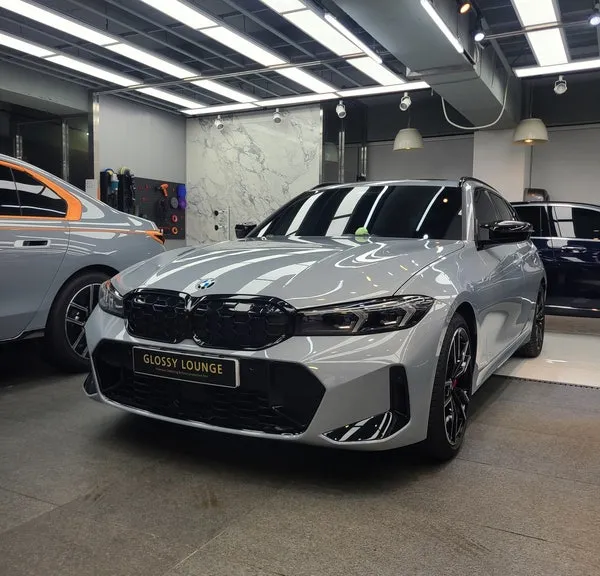
BMW 3 Series Seat Climate Upgrade Review
Service Price
$approx. $400–800
Estimated price · Actual price may vary by shop
Before
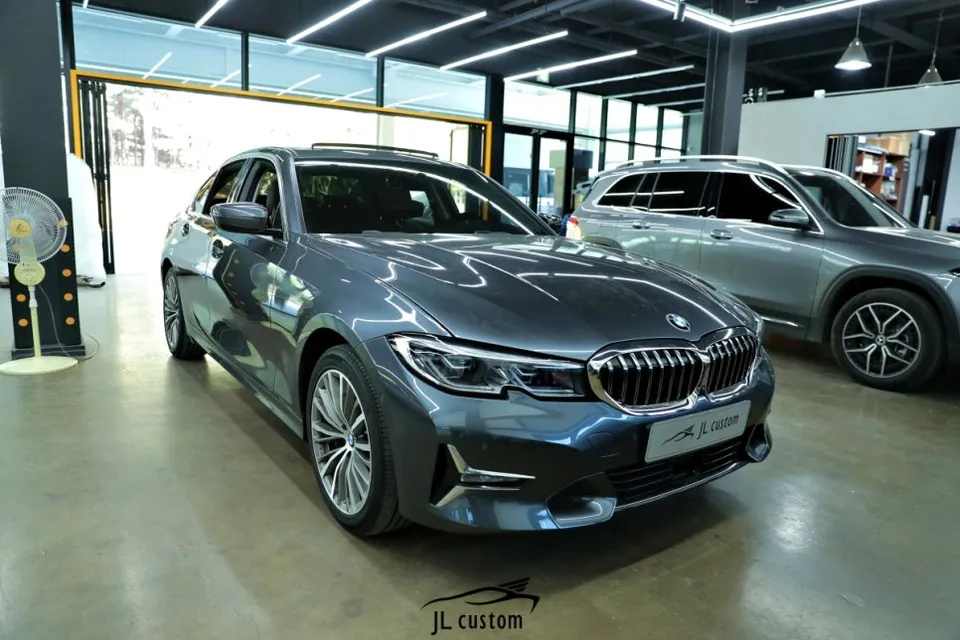
After
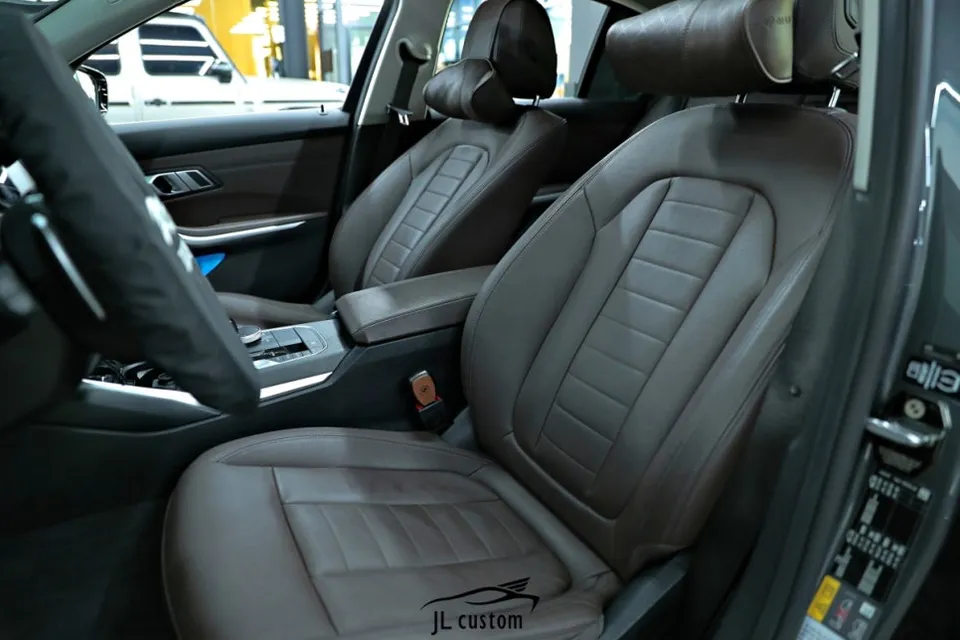
BMW 3 Series ventilated seats retrofit: ₩300k-₩600k. Enjoy enhanced comfort and cooling.
Why Your BMW 3 Series Needs a Seat Climate Upgrade
Many BMW 3 Series owners, especially those with the 330e model, find themselves wishing for ventilated seats, particularly during warmer months. Unlike some domestic vehicles, premium features like seat cooling are often optional extras on imported cars, making them less common. This leaves many drivers searching for aftermarket solutions to enhance their driving comfort. This review explores the process and benefits of a 'genuine-style' seat ventilation and heating retrofit for your BMW 3 Series, aiming to provide the satisfaction of factory-installed features without the factory price tag.
The 'Genuine-Style' Seat Ventilation & Heating Installation Process
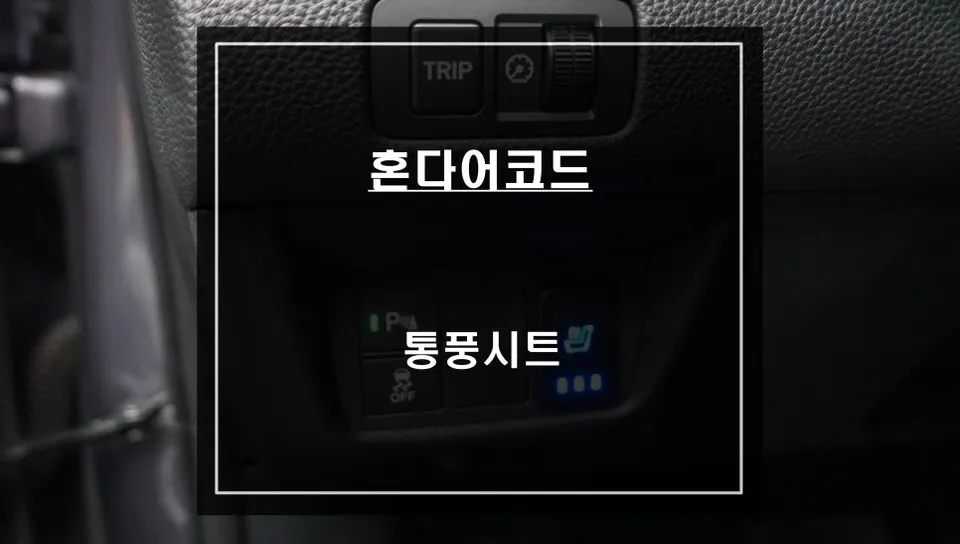
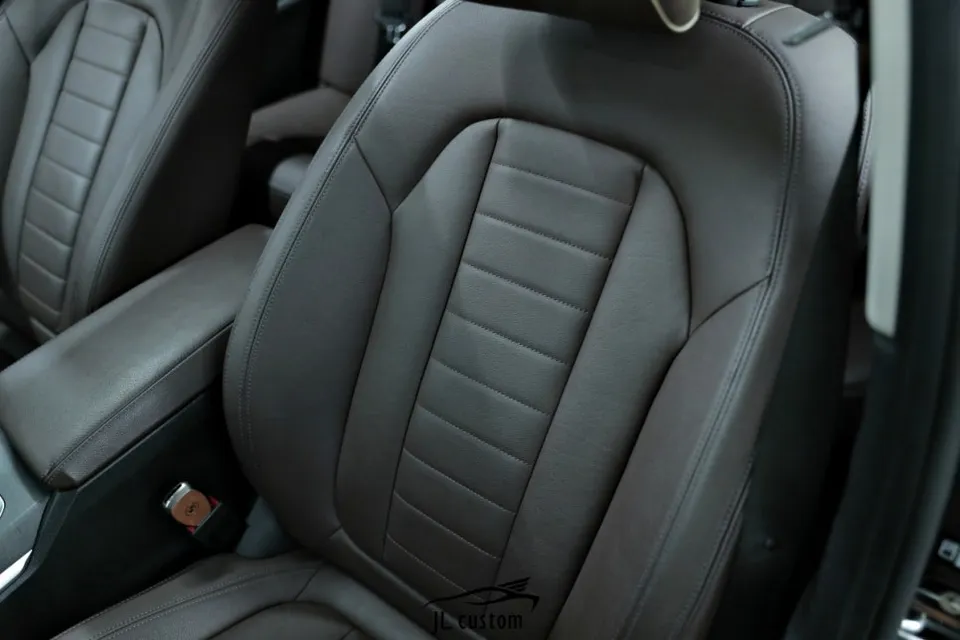
The key to a seamless seat climate upgrade lies in preserving the original look and feel of your BMW 3 Series' interior. The process involves precisely perforating the existing leather upholstery to integrate cooling fans. This method ensures that the seats look and feel almost identical to factory-equipped ventilated seats. The installation typically includes four base cooling fans per seat, with the option to add up to eight for maximum cooling power. To further enhance performance, air ducts are installed to improve air circulation, ensuring the cooling effect is felt throughout the seat. The control system is also integrated cleverly; the existing heating buttons are repurposed to control both heating and ventilation, mimicking the operation of OEM systems and leading to high owner satisfaction.
Installation Process:
- Seat Disassembly: The seat covers are carefully removed from the seat frame.
- Leather Perforation: The original leather is precisely perforated to allow airflow from the integrated cooling fans.
- Fan and Duct Installation: Cooling fans (typically 4 per seat, expandable to 8) and air ducts are securely mounted within the seat structure to ensure quiet operation and efficient airflow.
- Wiring and Control Integration: The system is wired, and the ventilation function is integrated with the existing seat heating controls, often using the original buttons for a factory look.
- Reassembly: The seat covers are reinstalled, completing the upgrade.
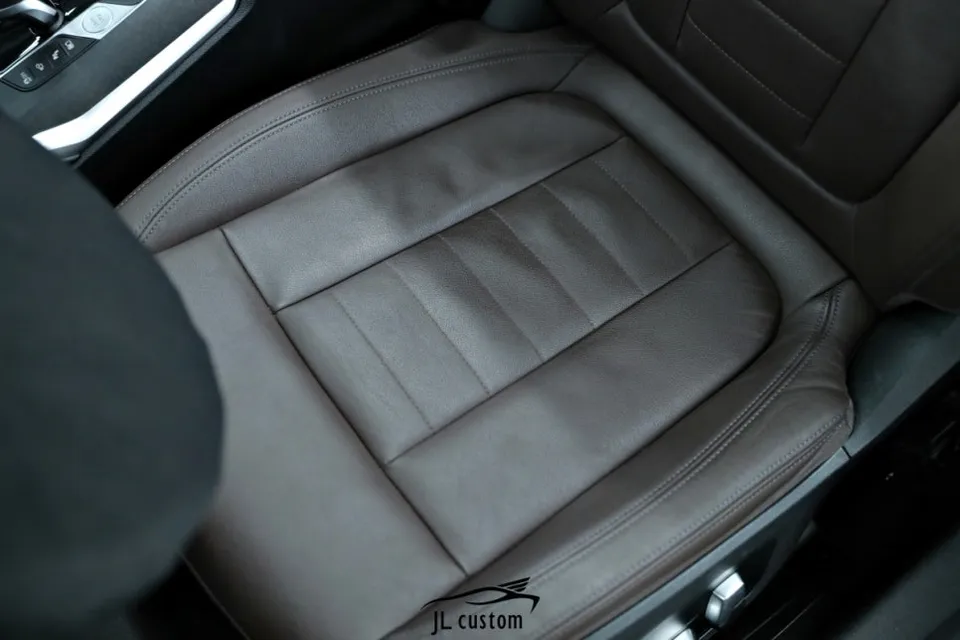
Before & After: Experiencing the Difference
The most significant change after a seat ventilation and heating retrofit is the dramatic improvement in driving comfort, especially during hot weather. Instead of enduring a hot, sticky seat, drivers can enjoy a consistently cool and comfortable seating surface. The integration of air ducts and the use of multiple fans ensure that the cooling is effective and evenly distributed. The seamless integration of controls means operating the new features feels natural, just like a factory option. While the original Korean context mentions a price range of approximately ₩300,000 to ₩600,000 (roughly $220-$440 USD, subject to exchange rates and specific shop pricing), the value comes from achieving a premium comfort feature that significantly enhances the daily driving experience in your BMW 3 Series.
Frequently Asked Questions
Q. How much does ventilated seat installation cost for a BMW 3 Series?
In Korea, this Seat Ventilation & Heating retrofit for a BMW 3 Series typically costs between ₩300,000 and ₩600,000. Similar aftermarket installations in the US can range from $400 to $1,000 or more, depending on the vehicle and shop.
Q. How long does seat ventilation installation take on a BMW 3 Series?
The installation process for ventilated seats on a BMW 3 Series generally takes about 3 to 4 hours. Proper maintenance involves ensuring the perforations remain clear and checking fan operation periodically.
Q. Are aftermarket ventilated seats worth it for a BMW 3 Series?
Aftermarket ventilated seats are highly recommended for BMW 3 Series owners who frequently experience discomfort from hot seats. The significant improvement in driving comfort and the ability to customize cooling levels offer excellent value.
Q. How are ventilated seats installed in a BMW 3 Series?
Installation involves carefully disassembling the seat, precisely perforating the original leather, and then embedding cooling fans (typically 4-8 per seat) and air ducts. The system is then wired and integrated with existing seat controls for a factory-like appearance and operation.
Q. What is the difference between OEM and aftermarket ventilated seats for a BMW 3 Series?
The primary difference is cost and availability; aftermarket options are significantly cheaper and retrofitted onto non-equipped vehicles. This 'genuine-style' aftermarket installation aims to replicate the look, feel, and function of OEM ventilated seats closely.
OhCar Partner Shop