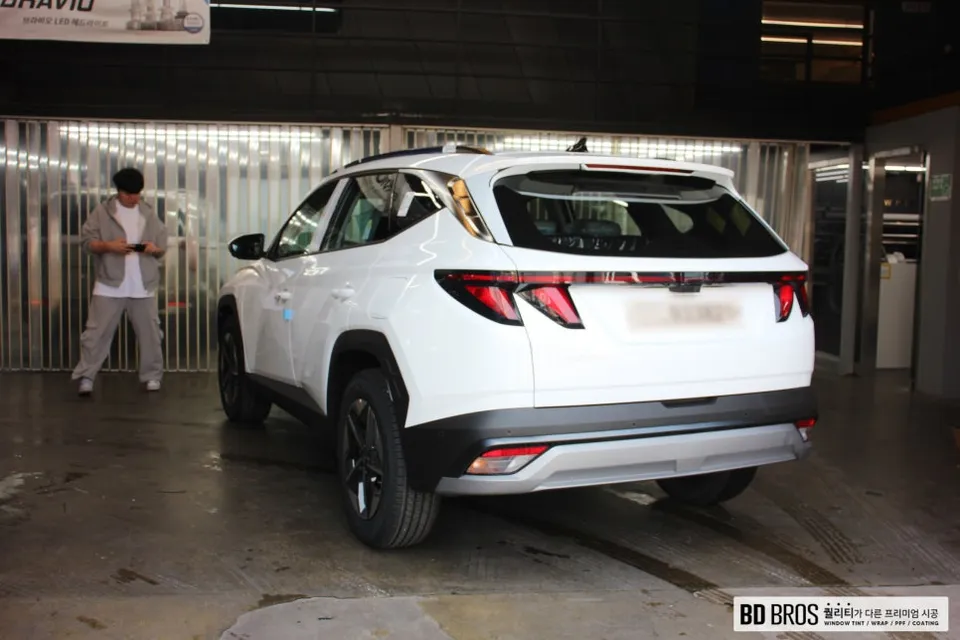
Genesis BH Ventilated Seats Review — Cost & Installation

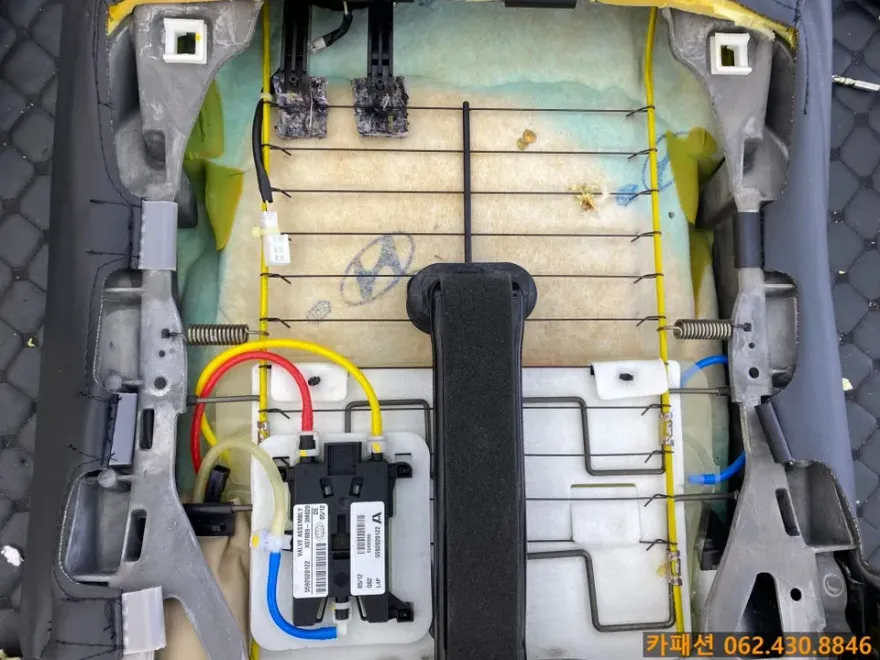
Genesis BH seat climate upgrade: OEM parts integration for ventilated & heated seats. Improves comfort, takes 3-4 hours.
Genesis BH Seat Ventilation & Heating Upgrade
Experiencing uncomfortable, sweaty drives in your Genesis BH during hot weather? Adding ventilated seats can dramatically improve your driving experience, especially on longer journeys. This review delves into the process of retrofitting OEM-style seat ventilation and heating systems, focusing on how it transforms your Genesis BH's interior comfort. We'll cover the installation, the tangible benefits, and what to consider before making the upgrade.
Why Consider Seat Climate Control for Your Genesis BH?
Summer heat can make driving a chore, particularly in vehicles with leather seats that absorb and retain heat. Standard air conditioning can only do so much. Ventilated seats, however, actively circulate air through the seat cushion and backrest, wicking away moisture and heat. This not only keeps you cool and dry but also reduces fatigue and enhances driving focus. For the Genesis BH, which is often appreciated for its luxury and comfort, adding this feature is a natural extension of its premium feel, making every drive more pleasant year-round, especially when paired with the existing heating function.
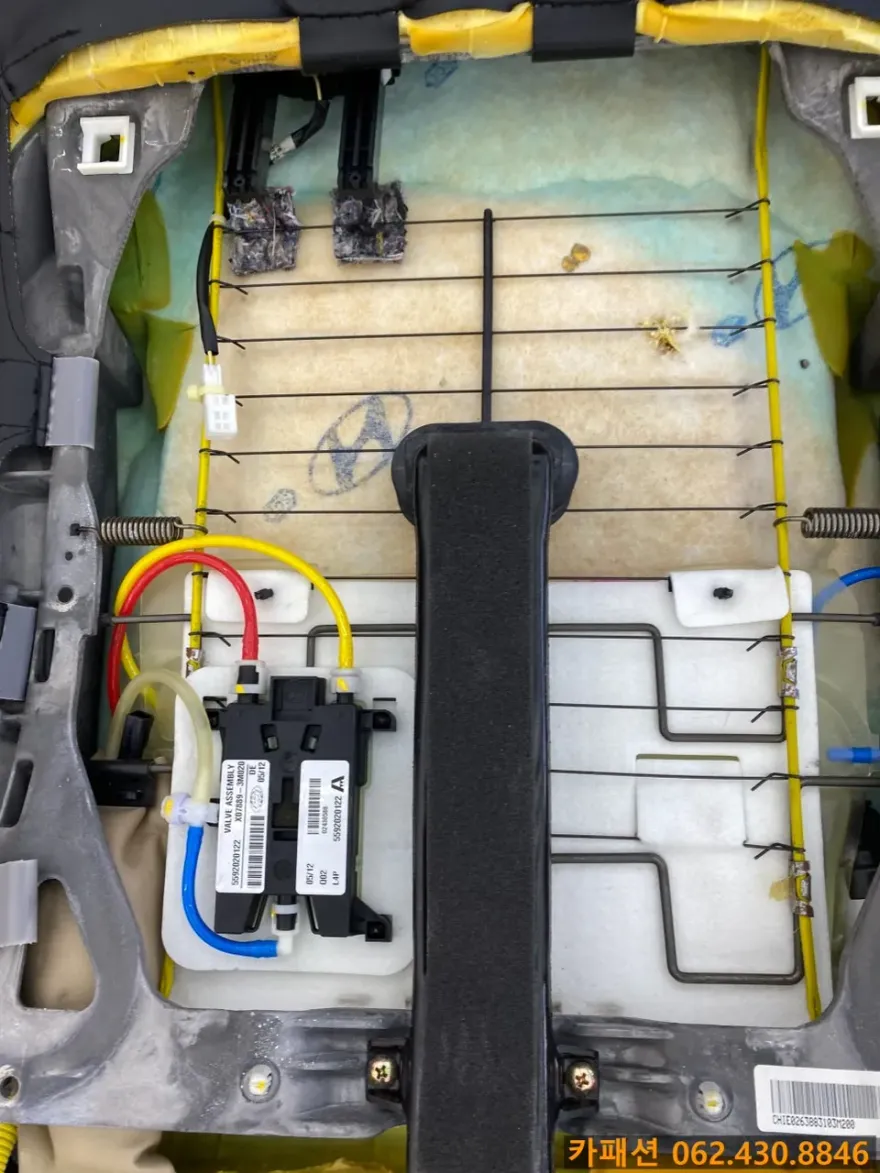
Genesis BH Seat Ventilation & Heating Installation Process
The process of adding seat ventilation and heating to a Genesis BH, when done using genuine parts, aims for a factory-installed look and feel. It involves meticulous work to integrate the system seamlessly without altering the vehicle's original structure. The installation typically takes around 3 to 4 hours for the front seats.
Installation process:
- Seat Disassembly: The front seats are carefully removed from the vehicle.
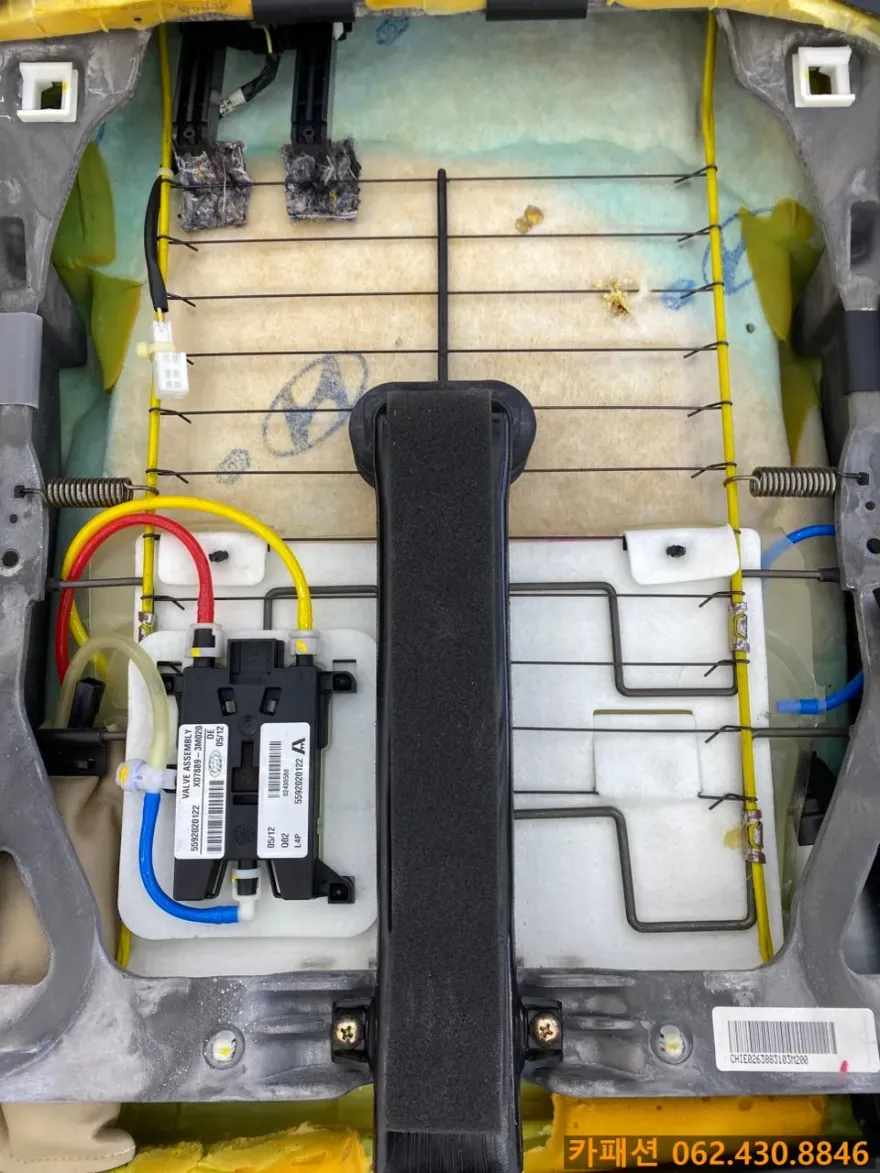
- Component Integration: OEM ventilation fans and ducting are installed within the seat structure to ensure proper airflow. This is done without compromising the seat's original shape or comfort.
- Wiring and Switch Integration: The ventilation system is wired into the car's electrical system. The original climate control switches are often replaced with OEM units that include controls for both heating and ventilation, maintaining a factory appearance and function.
- Reassembly and Testing: Once all components are installed and connected, the seats are reassembled and tested to ensure both heating and ventilation functions operate correctly.
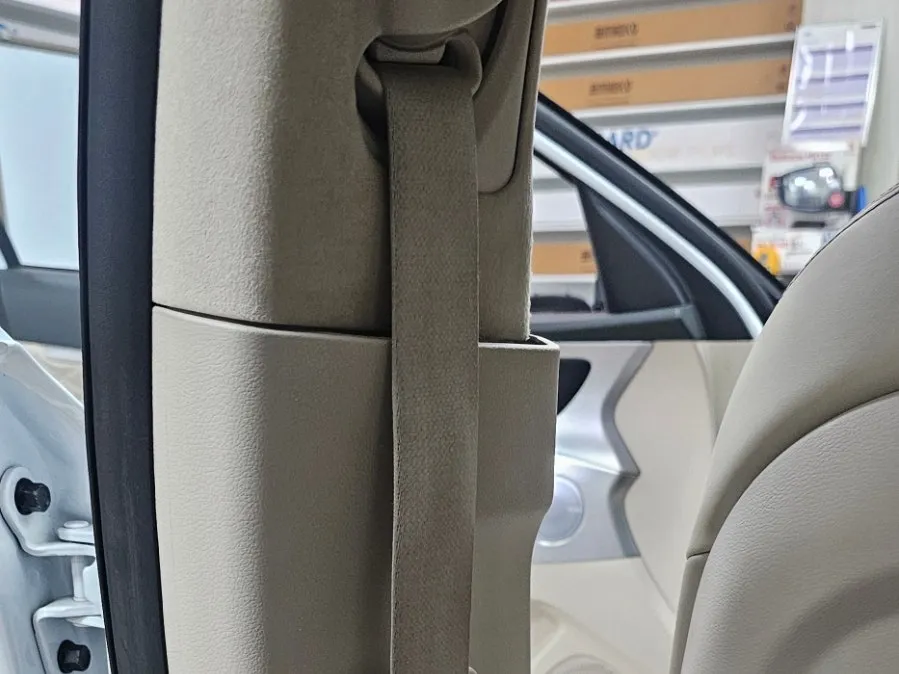
Using genuine parts ensures that the fit and finish are as close to factory standards as possible, avoiding gaps or modifications to the interior trim. The result is a clean integration that enhances comfort without detracting from the vehicle's aesthetics.
The cost for such an upgrade in Korea, based on the source context, would typically be quoted in Korean Won (KRW). While specific pricing varies, similar retrofits in the US can range from $800 to $2,000 or more, depending on the vehicle, the quality of parts used, and the installer's labor rates.
Frequently Asked Questions
Q. How much does ventilated seat installation cost for a Genesis BH?
The cost for a Seat Ventilation & Heating retrofit on a Genesis BH, when using OEM parts as described, will be provided after a vehicle inspection. While specific US pricing varies, similar upgrades can range from $800 to $2,000+.
Q. How long does seat ventilation installation take on a Genesis BH?
The installation for front seat ventilation on a Genesis BH typically takes about 3 to 4 hours. With professional installation using genuine parts, the system can last a lifetime, but periodic cleaning of the seat interior is recommended to prevent debris buildup.
Q. Are aftermarket ventilated seats worth it for a Genesis BH?
Yes, adding ventilated seats is highly worth it for Genesis BH owners seeking enhanced comfort, especially during hot weather, as it significantly reduces fatigue on drives. It's particularly beneficial for those who frequently experience high temperatures or long commutes.
Q. How are ventilated seats installed in a Genesis BH?
Installation involves carefully removing the seats, integrating OEM ventilation fans and ducting within the seat structure, and replacing switches with OEM units that control both heating and ventilation. The seats are then reassembled and tested.
Q. What is the difference between OEM and aftermarket ventilated seats for a Genesis BH?
OEM (Original Equipment Manufacturer) parts ensure a factory-like fit, function, and integration with your Genesis BH's existing systems. Aftermarket options may vary significantly in quality, durability, and how seamlessly they integrate, making OEM the recommended choice for a clean, reliable upgrade.
Q. What should I know before getting Seat Ventilation & Heating on a Genesis BH? (common regrets and mistakes)
The most common regret is choosing low-quality aftermarket components that fail prematurely or look out of place. To avoid this, always opt for OEM parts and professional installation for a seamless, durable, and fully functional seat climate upgrade.
OhCar Partner Shop