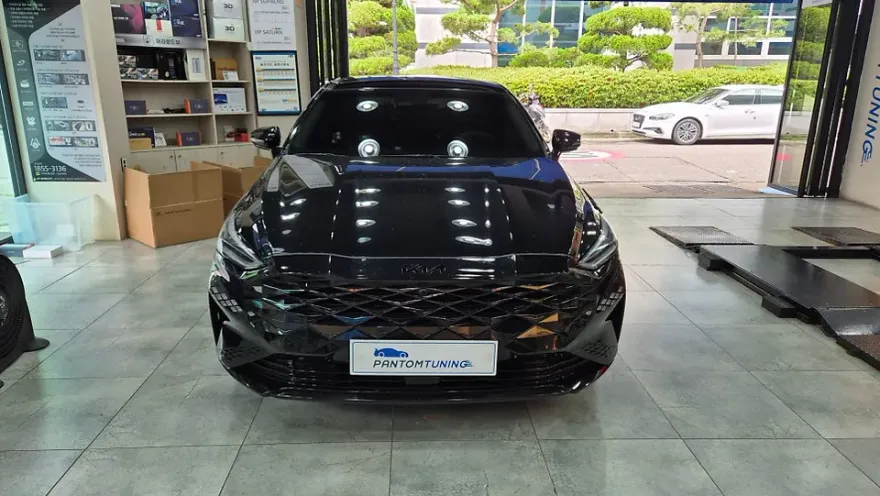
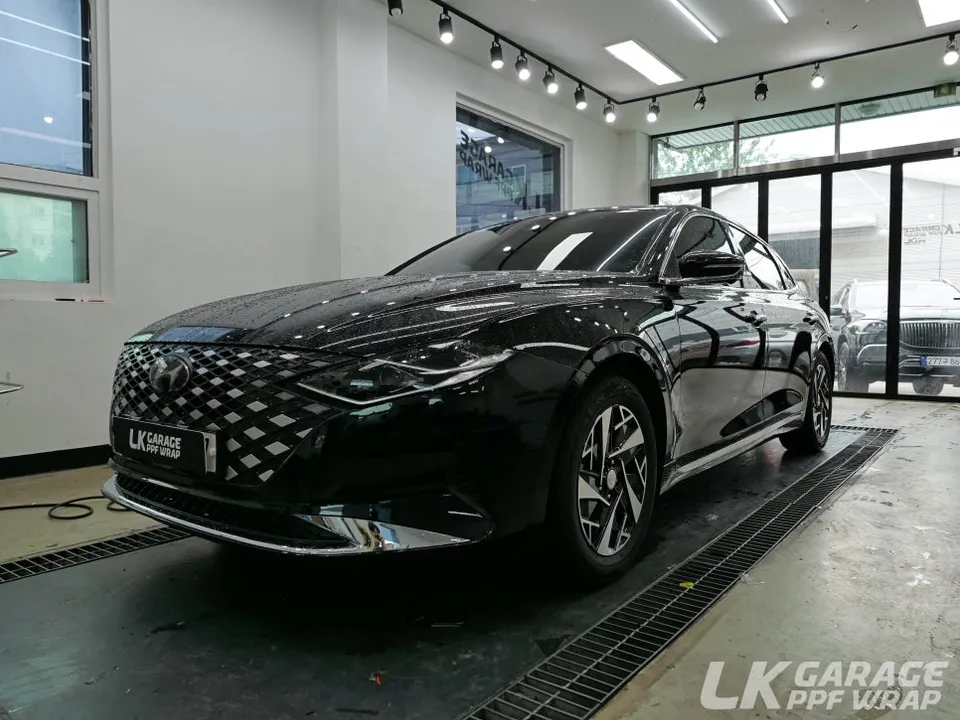
Hyundai Elantra CN7 Seat Climate Upgrade Review
Service Price
$approx. $750–1,150
Estimated price · Actual price may vary by shop
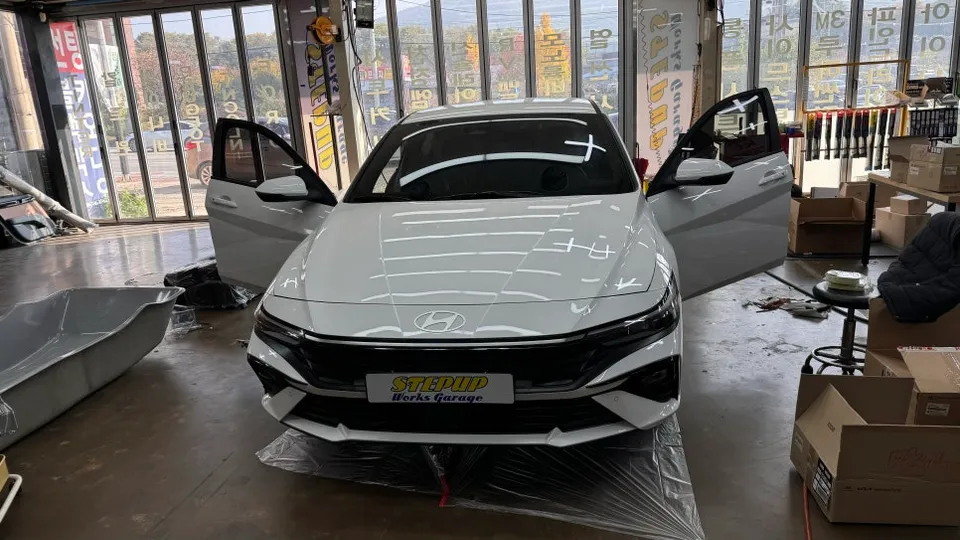
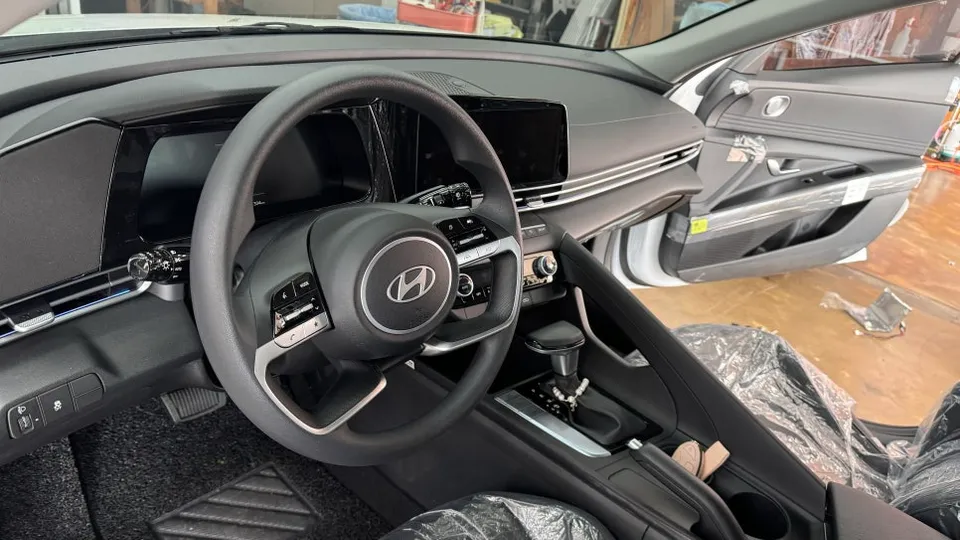
Hyundai Elantra CN7 seat ventilation & heating retrofit: $750–1,150. Enhances comfort year-round.
Enhancing Your Hyundai Elantra CN7 with Seat Ventilation & Heating
Many car owners find that their vehicle's factory options don't quite meet their comfort needs, especially when it comes to climate control. For the Hyundai Elantra CN7, this often means missing out on essential features like heated and ventilated seats, particularly in lower or mid-tier trims. Fortunately, a seat climate upgrade using genuine Hyundai Mobis parts offers a satisfying solution. This review explores the process, benefits, and considerations for adding seat ventilation and heating to your Elantra CN7, drawing from real-world installation experiences.
The Seat Climate Upgrade Process
The decision to retrofit heated and ventilated seats often stems from a desire for greater comfort during extreme weather. While the Elantra CN7's Modern trim includes heated seats, and higher trims might offer more, many owners opt for trims like the Smart or Inspiration and later realize the value of these climate features. Fortunately, using OEM (Original Equipment Manufacturer) parts ensures a seamless integration and reliable performance. The installation process focuses on integrating the necessary heating elements, cooling fans, and control switches into the existing vehicle systems. This typically involves careful wiring and component placement to maintain the vehicle's electrical integrity and aesthetic.
Installation Process:
- Integration of heating elements and/or cooling fans within the seat cushions and backrests.
- Installation of necessary wiring harnesses and control modules, connecting to the vehicle's power and switch system.
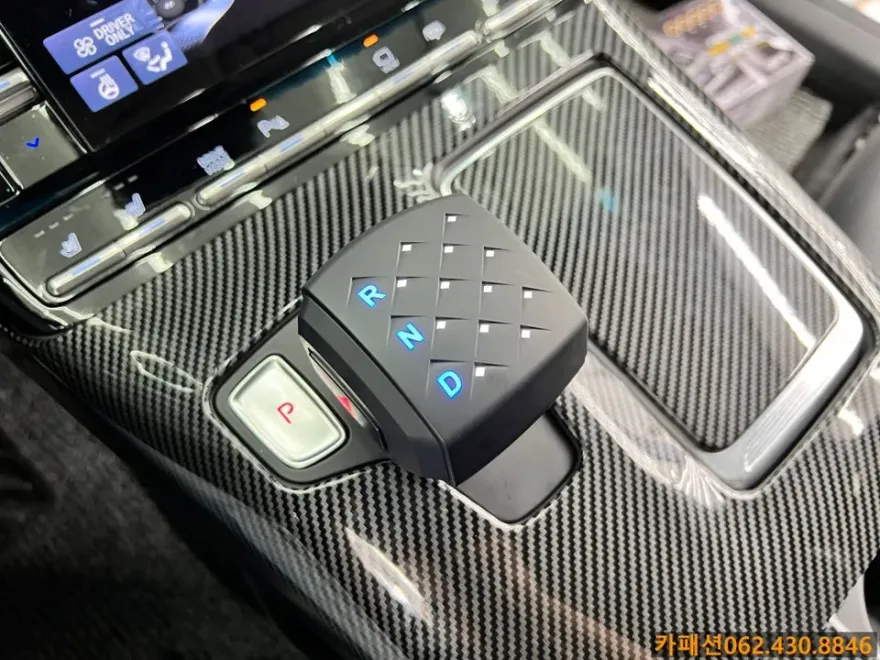
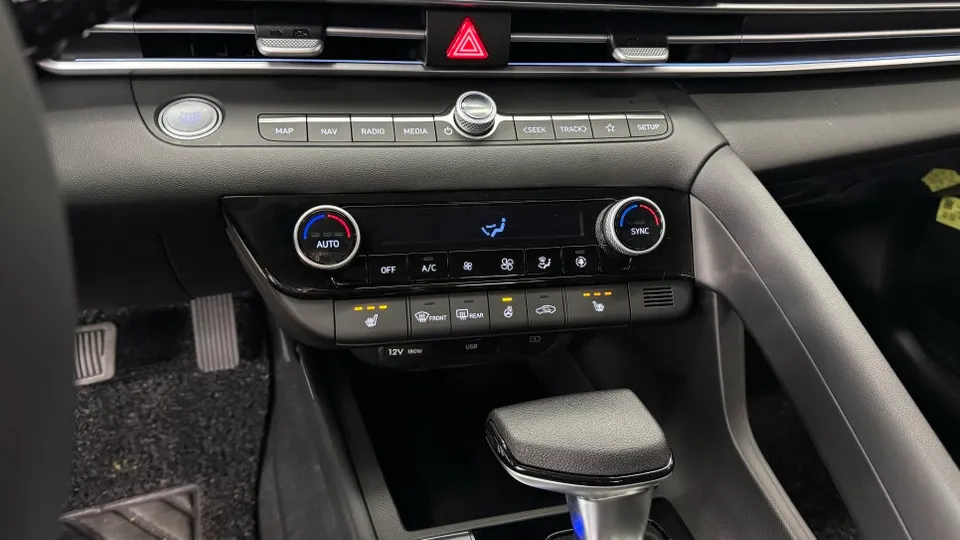
- Placement and wiring of the climate control switch(es) in an accessible location, often near the existing dashboard controls.
- Testing of all functions to ensure proper operation and safety.
The use of genuine Hyundai Mobis parts is crucial for a smooth installation, as they are designed to fit perfectly and function correctly with the Elantra CN7's existing systems. While aftermarket parts are available, sticking with OEM components generally provides better long-term durability and avoids potential compatibility issues. The cost for such an upgrade typically ranges from approximately $750 to $1,150 in the US, depending on the specific options chosen (heating only, or heating and ventilation) and the installer's labor rates. This price point makes it a considerable investment, but one that significantly enhances driving comfort and potentially resale value.
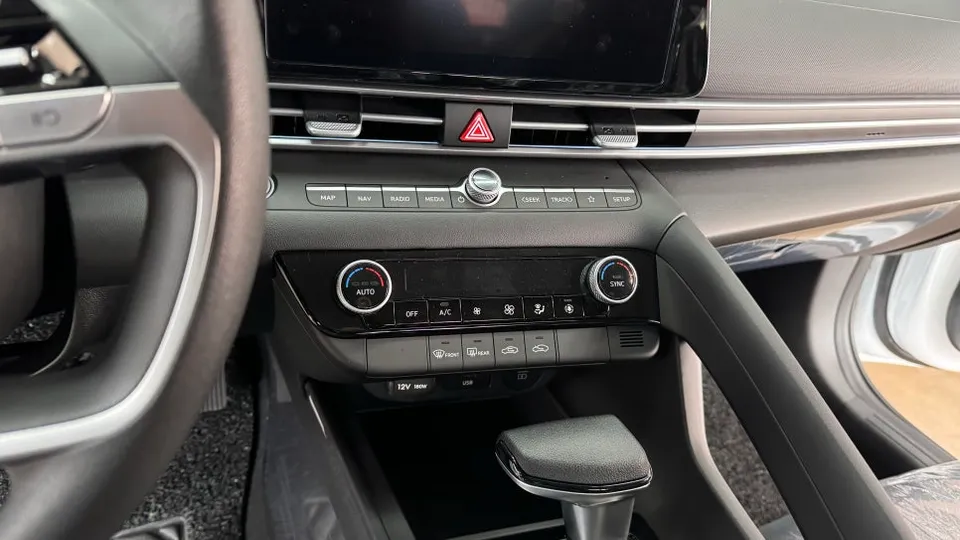
Benefits and Durability of Seat Climate Control
The impact of heated and ventilated seats on the driving experience cannot be overstated. In cold weather, heated seats provide rapid warmth, making winter commutes significantly more comfortable and reducing the need for bulky clothing. Conversely, during hot summer months, ventilated seats circulate air, preventing the uncomfortable buildup of heat and moisture, which is especially beneficial on longer drives. This improved comfort can lead to increased driver focus and reduced fatigue. The durability of these systems, when installed with OEM parts by experienced technicians, is generally excellent. Like most automotive components, they are designed to last the lifespan of the vehicle with proper use. Maintenance is minimal, usually involving keeping the seat surfaces clean and ensuring no obstructions block the ventilation fans.
The decision to upgrade often comes down to prioritizing comfort and convenience. For those who frequently drive in climates with significant temperature variations, the investment in a seat climate upgrade can be well worth it. It transforms the daily driving experience from potentially uncomfortable to consistently pleasant. While the initial cost is a factor, the long-term benefits in comfort and the potential increase in vehicle appeal often justify the expense. It's a practical enhancement that addresses a common desire for a more premium and comfortable cabin environment.
Frequently Asked Questions
Q. How much does ventilated seat installation cost for a Hyundai Elantra CN7?
The estimated cost for a Seat Ventilation & Heating upgrade on a Hyundai Elantra CN7 is approximately $750–1,150 in the US. This price can vary based on whether you opt for heating only or both heating and ventilation, as well as the specific installer.
Q. How long does seat ventilation installation take on a Hyundai Elantra CN7?
Seat ventilation and heating systems, when properly installed with OEM parts, are designed to be durable and last for the life of the vehicle. Basic maintenance involves keeping the seat surfaces clean and ensuring the ventilation fans are not obstructed.
Q. Are aftermarket ventilated seats worth it for a Hyundai Elantra CN7?
Ventilated and heated seats are most beneficial for drivers who frequently experience extreme hot or cold weather conditions. The upgrade offers a significant boost in driving comfort and can be considered a worthwhile investment for enhanced daily driving pleasure.
Q. How are ventilated seats installed in a Hyundai Elantra CN7?
Installation involves integrating heating elements and/or cooling fans into the seat cushions and backrests. This is followed by installing necessary wiring harnesses, control modules, and switches, all connected to the vehicle's electrical system and tested for proper function.
Q. What is the difference between OEM and aftermarket ventilated seats for a Hyundai Elantra CN7?
OEM parts are designed for perfect integration and guaranteed compatibility with your Elantra CN7's systems, offering superior reliability and longevity. Aftermarket options may be cheaper but can sometimes lead to compatibility issues or reduced durability.
Q. What should I know before getting Seat Ventilation & Heating on a Hyundai Elantra CN7? (common regrets and mistakes)
The most common regret is not opting for the upgrade during initial vehicle purchase, leading to a desire for retrofitting later. To avoid this, thoroughly assess your comfort needs and consider the long-term benefits before finalizing your vehicle purchase or deciding on aftermarket additions.
OhCar Partner Shop