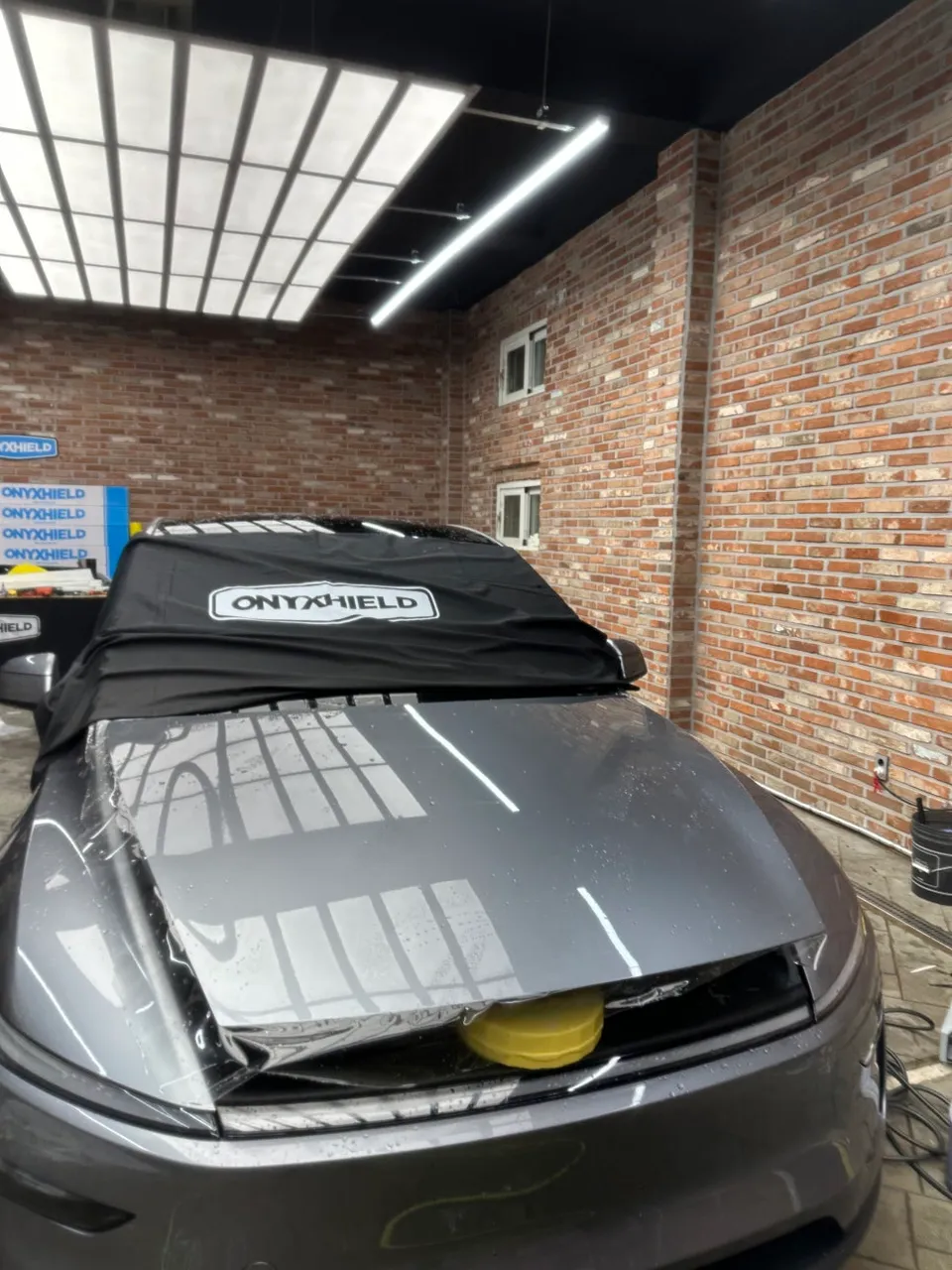
Kia Niro Hybrid Seat Climate Upgrade Review
Service Price
$approx. $400–800
Estimated price · Actual price may vary by shop


Kia Niro Hybrid seat climate upgrade: Approx. $400-$800. Adds heating & ventilation for year-round comfort.
Upgrade Your Drive: Seat Ventilation & Heating for the Kia Niro Hybrid
For Kia Niro Hybrid owners seeking year-round comfort, adding seat ventilation and heating is a significant upgrade. While the Niro Hybrid is a fantastic vehicle for efficiency, it may lack the premium climate control features found in higher trims or other models. This review delves into the process, benefits, and considerations of retrofitting ventilated and heated seats into your Kia Niro Hybrid, drawing insights from installations performed in Korea using genuine parts.
The Need for Seat Climate Control
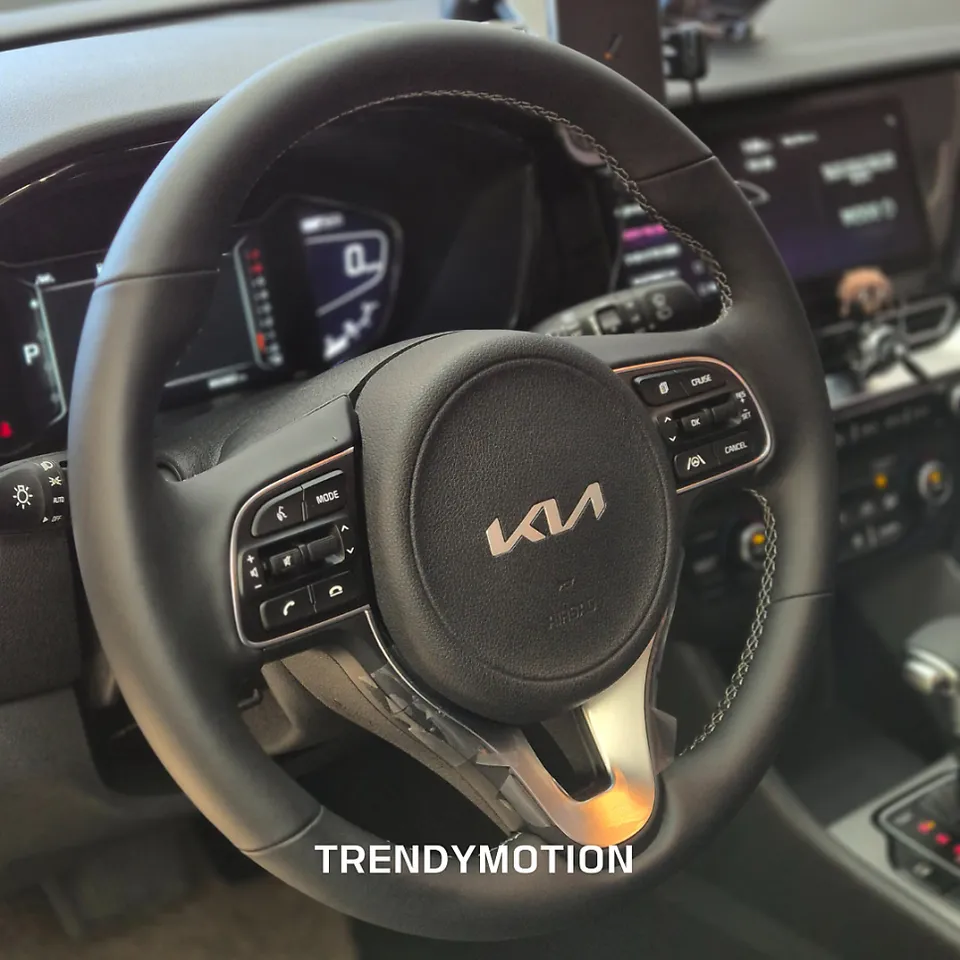
Winter mornings can bring a frigid steering wheel and seats, making the initial moments of your drive uncomfortable. Conversely, summer heat can leave your back and legs sticking to the seat. For the Kia Niro Hybrid, especially models without factory-equipped seat climate control, these issues can detract from the overall driving experience. The original Korean context highlights the discomfort of cold steering wheels and seats, noting that even urethane steering wheels can feel excessively cold. This upgrade addresses these discomforts by providing active cooling and heating directly through the seats.
Installation Process and Benefits
Retrofitting seat ventilation and heating typically involves replacing the existing seat covers with units that incorporate heating elements and ventilation fans. The process ensures a seamless integration, often using genuine manufacturer parts to maintain the vehicle's aesthetic and safety standards. In the Korean context, installations often use genuine Hyundai Mobis parts, ensuring quality and compatibility. The result is a significant enhancement in driving comfort, with the ability to quickly warm your hands on the steering wheel or cool down on a hot day. The integration of a dedicated switch, often placed near existing climate controls, maintains a clean and factory-like appearance.
Installation Process:
- Component Replacement: The original seat upholstery is carefully removed and replaced with new covers containing integrated heating pads and ventilation fans.
- Wiring Integration: Genuine wiring harnesses are used to connect the new seat climate components to the vehicle's electrical system and a new, integrated control switch.
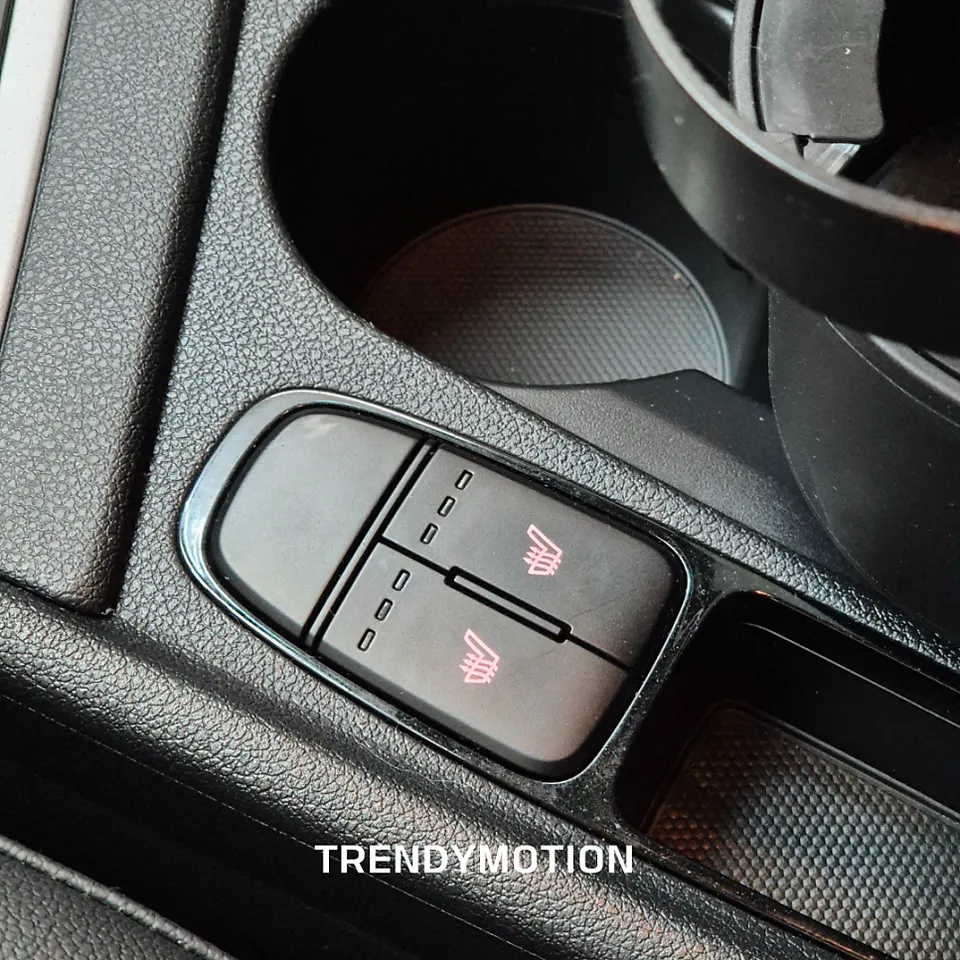
- Switch Installation: A factory-style switch is installed, typically in the center console area, to control the heating and ventilation functions without disrupting the dashboard's original design.
- Testing and Finalization: All functions are thoroughly tested to ensure proper operation of both heating and cooling elements before the vehicle is returned to the owner.
Beyond the functional benefits, the materials used in these upgrades often enhance the seating experience. For instance, replacing a urethane steering wheel with a leather-wrapped one that includes heating elements not only adds warmth but also improves grip and tactile feel. Customization options, such as different stitching colors or leather types, can further personalize the interior. The durability of genuine parts means these upgrades are designed to last, often with a lifespan of 5 years or more with proper care, and some components may even carry longer warranties.
Is Seat Ventilation & Heating Worth It for Your Kia Niro Hybrid?
The decision to retrofit seat ventilation and heating for your Kia Niro Hybrid hinges on your priorities for comfort and your vehicle's current specifications. If your model lacks these features and you frequently experience discomfort due to extreme temperatures, the investment can be substantial. The approximate cost in the US can range from $400 to $800, depending on the specific components and installation shop. In Korea, similar installations using genuine parts typically range from 300,000 to 600,000 KRW (approximately $225-$450 USD at current exchange rates, though this can fluctuate). This upgrade is particularly beneficial for drivers who spend significant time in their vehicles or live in climates with harsh winters and hot summers. The improved comfort can make daily commutes and longer journeys much more pleasant. While the initial cost is a factor, the long-term benefits of enhanced comfort and potentially increased vehicle resale value often justify the expense for many owners. It's crucial to opt for installations using genuine parts and reputable technicians to ensure safety, reliability, and optimal performance.

Frequently Asked Questions
Q. How much does ventilated seat installation cost for a Kia Niro Hybrid?
In the US, expect to pay approximately $400–$800 for seat ventilation and heating installation on a Kia Niro Hybrid. Similar genuine part installations in Korea typically range from 300,000 to 600,000 KRW.
Q. How long does seat ventilation installation take on a Kia Niro Hybrid?
Genuine seat climate upgrades for a Kia Niro Hybrid typically take around 3-4 hours to complete. With proper care and usage habits, these components are designed for durability, often lasting 5 years or more.
Q. Are aftermarket ventilated seats worth it for a Kia Niro Hybrid?
Ventilated and heated seats are worth it for a Kia Niro Hybrid if you frequently experience discomfort from extreme temperatures. The upgrade significantly enhances driving comfort, making it a valuable investment for daily use.
Q. How are ventilated seats installed in a Kia Niro Hybrid?
Installation involves replacing the original seat covers with new ones containing heating elements and ventilation fans. A dedicated switch is integrated, usually near the center console, to control the functions, all connected via genuine wiring harnesses.
Q. What is the difference between OEM and aftermarket ventilated seats for a Kia Niro Hybrid?
OEM (Original Equipment Manufacturer) parts, like those from Hyundai Mobis used in Korea, ensure perfect fit, function, and safety, maintaining the vehicle's integrity. Aftermarket options may vary significantly in quality and integration, making OEM the recommended choice for reliability.
Q. What should I know before getting Seat Ventilation & Heating on a Kia Niro Hybrid? (common regrets and mistakes)
The most common regret is not opting for genuine parts, which can lead to reliability issues or a less integrated look. Always choose installations using OEM components and experienced technicians to ensure safety and optimal performance.
OhCar Partner Shop