BMW i7 PPF Review: Scratch Prevention & Removal
Service Price
$40–80
Estimated price · Actual price may vary by shop

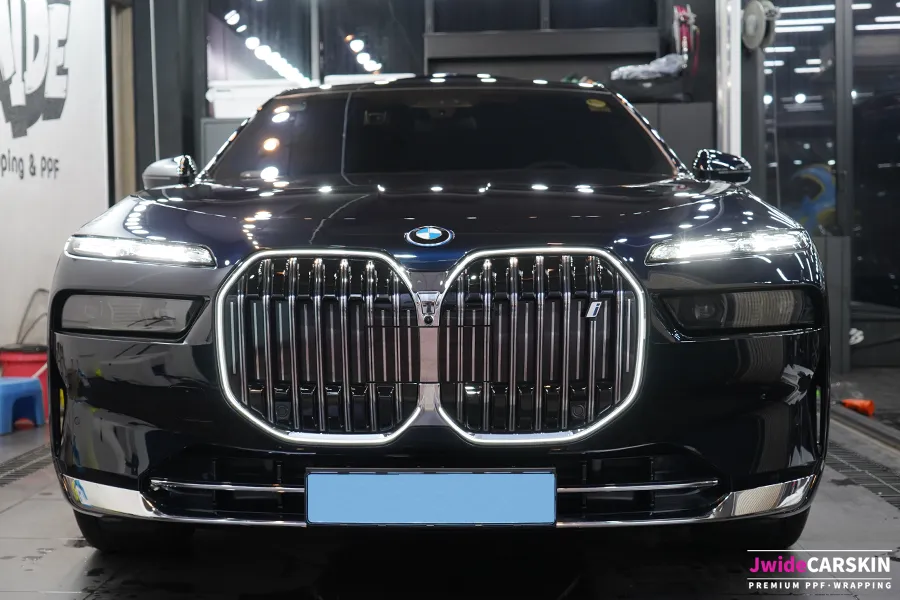
BMW i7 rear bumper PPF installation removes scratches and prevents future damage. Cost varies, but offers significant paint protection.
Addressing Scratches on the BMW i7 Rear Bumper
Many BMW i7 owners experience minor scratches on their rear bumpers, often from everyday parking situations. These seemingly small imperfections can be a source of frustration and, if left unaddressed, can worsen over time. The rear bumper is particularly vulnerable due to its exposure to potential contact with other vehicles, curbs, or objects during parking maneuvers. This review details how a professional detailing service tackled these issues for a concerned i7 owner.
Evaluating and Removing Existing Scratches
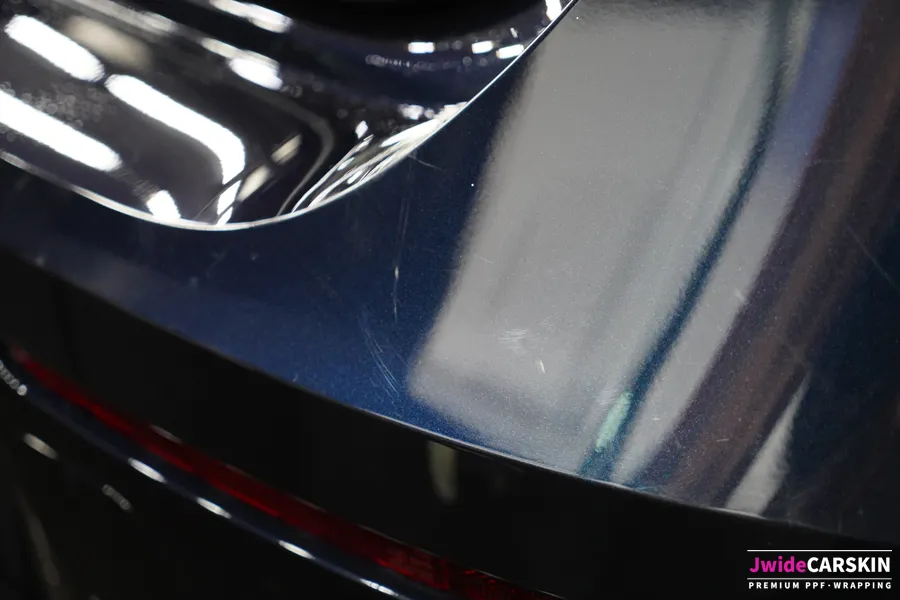
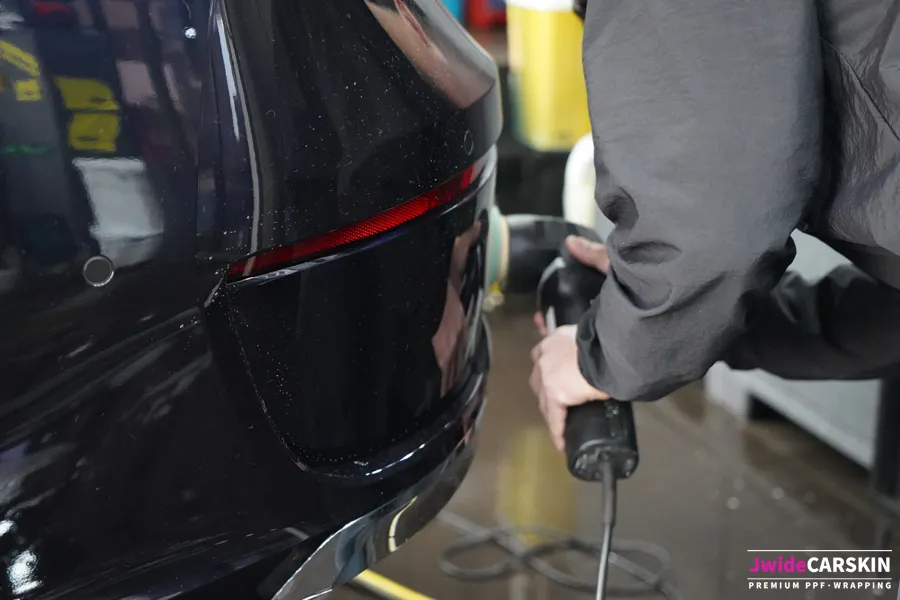
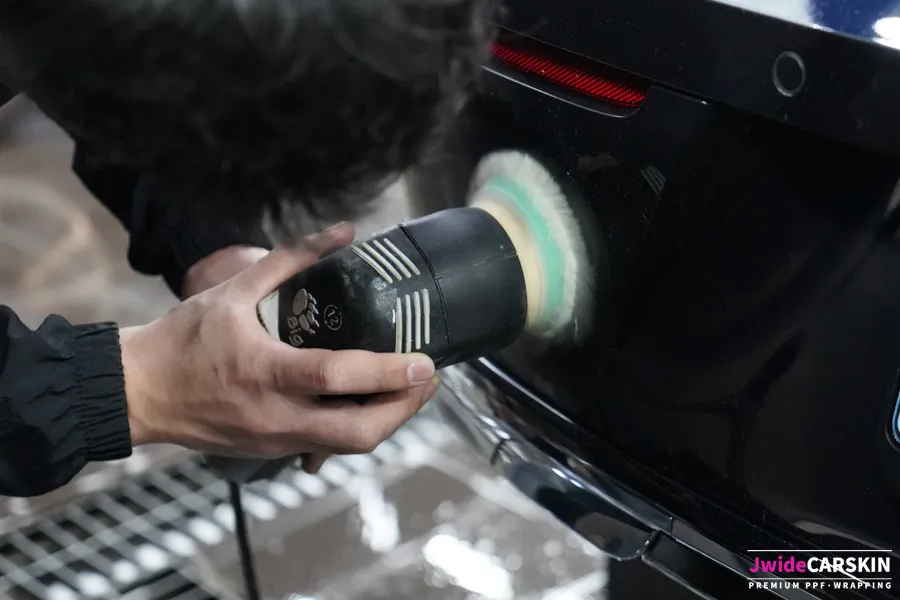
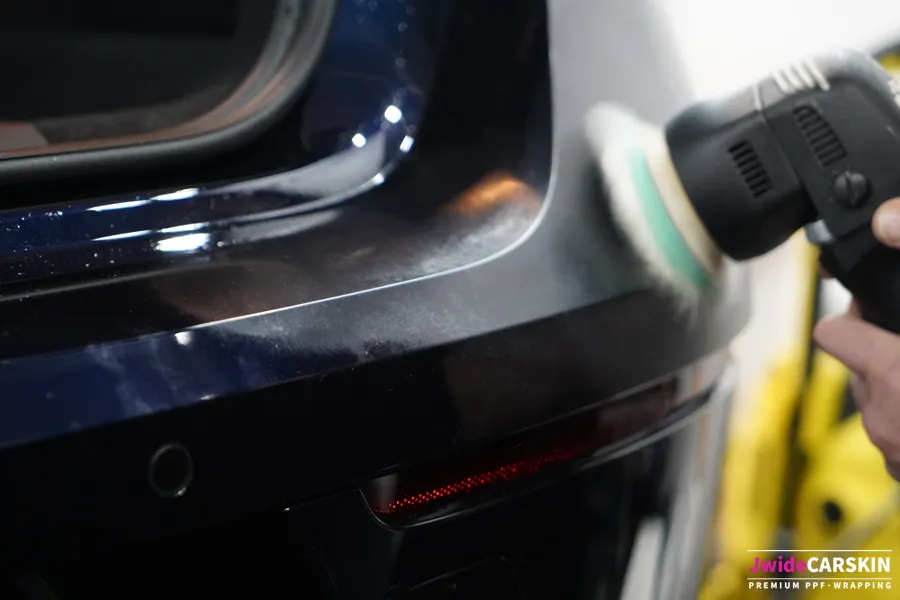
Upon inspection, the scratches on the BMW i7's rear bumper were found to be superficial. For such minor damage, polishing (also known as paint correction) is an effective solution. This process involves carefully removing a minimal layer of the clear coat to smooth out the surface and eliminate visible scratches. It's a precise technique that requires skill to ensure only the damaged layer is addressed, preserving the integrity of the original paintwork.
The Importance of PPF for Prevention
After the polishing process removed the existing scratches, the rear bumper was thoroughly cleaned and degreased. The crucial next step was the application of Paint Protection Film (PPF), often referred to as a 'clear bra'. PPF is a transparent urethane film that acts as an invisible shield, safeguarding the vehicle's paint from future minor abrasions, chips, and scratches. The owner, initially focused only on scratch removal, recognized the value of PPF in preventing recurrence, echoing the sentiment of many drivers who worry about their car's pristine condition.
Strategic PPF Application: Partial vs. Full Coverage
While full rear bumper coverage with PPF is an option, a more cost-effective approach involves applying the film only to high-risk areas prone to scratches. This partial application significantly reduces the overall cost while maintaining the original paint's color and gloss. Professional installation is key to ensuring a seamless finish, as improper application can lead to visible edges due to light reflection. The process involves precisely cutting the film to match the bumper's contours, often using a wet application method to allow for adjustments and eliminate air bubbles. The final step is a meticulous trim using a specialized blade, a task that demands a high level of skill to avoid damaging the underlying paint.
Understanding Ultra-Fit PPF Features
The PPF used in this installation was the 'Ultra-Fit' brand, a premium product known for its superior performance. Key features include excellent resistance to yellowing (low-yellowing properties), ensuring the film maintains its clarity over time, even with prolonged sun exposure. This is crucial as yellowed PPF can detract from the vehicle's overall appearance. Ultra-Fit also boasts impressive scratch resistance with self-healing capabilities for minor abrasions and excellent hydrophobic properties, causing water to bead and roll off easily, thus minimizing water spots and making cleaning simpler. While premium PPF like Ultra-Fit comes at a higher price point, its longevity and protective qualities justify the investment for long-term vehicle care.
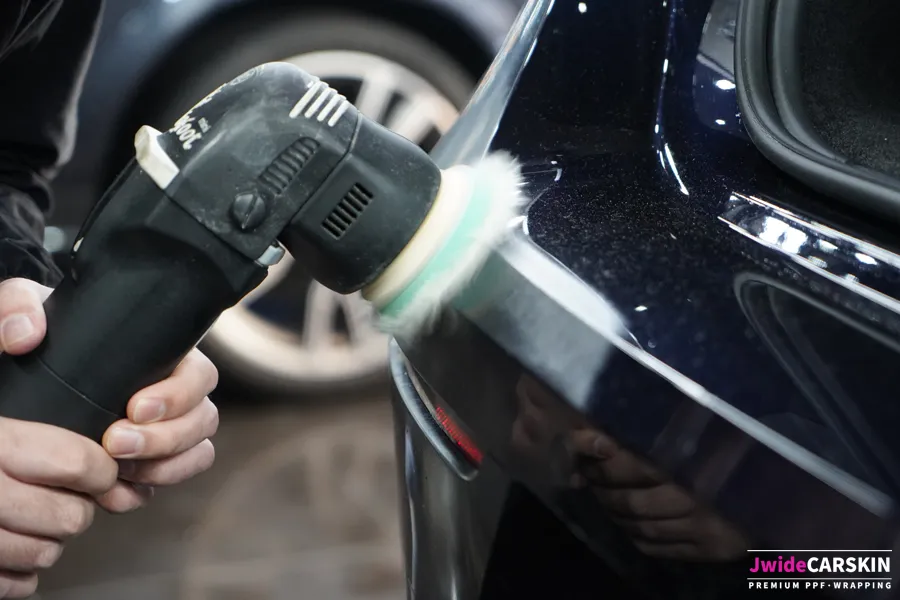
Before and After: The Visible Difference
The combination of polishing to remove existing imperfections and the application of high-quality PPF resulted in a visibly improved rear bumper. The scratches were gone, replaced by a smooth, protected surface that looked as good as new. The PPF provided a durable layer of defense against future damage, offering peace of mind to the BMW i7 owner.
Frequently Asked Questions
Q. How much does PPF cost for a BMW i7?
The cost for PPF on a BMW i7's rear bumper in this specific case was not explicitly stated in Korean Won, but premium PPF like Ultra-Fit typically ranges from $300 to $800 in the US, depending on the coverage area and specific film.
Q. How long does PPF last on a BMW i7?
High-quality PPF, such as the Ultra-Fit used, is designed to last 5 years or more with proper care. Regular washing and avoiding harsh chemicals will help maintain its protective qualities and clarity.
Q. Is PPF worth it for a BMW i7?
PPF is highly recommended for BMW i7 owners who frequently park in tight spaces or are concerned about minor cosmetic damage, as it provides a durable, invisible layer of protection. The value lies in preventing costly paint repairs and maintaining the vehicle's resale value.
Q. How is PPF installed on a BMW i7?
PPF installation involves several key steps: 1. Thoroughly cleaning and preparing the vehicle's surface. 2. Precisely cutting the PPF to fit the specific area, often using a wet application method for easier positioning and bubble removal. 3. Carefully applying the film, smoothing out any air or water pockets. 4. Trimming the edges meticulously to ensure a seamless finish without damaging the paint.
Q. What is the difference between PPF and ceramic coating for a BMW i7?
PPF provides superior physical protection against scratches and impacts, acting as a sacrificial barrier, while ceramic coating offers enhanced gloss and chemical resistance but minimal impact protection. For comprehensive defense against physical damage, PPF is the preferred choice.
OhCar Partner Shop
More ppf Reviews
See all →

More BMW Reviews
Pair with Another Service
Add hydrophobic protection on top of PPF
Complete your new car protection package