BMW M5 Seat Ventilation Installation Review — Cost
Service Price
$115–150
Estimated price · Actual price may vary by shop
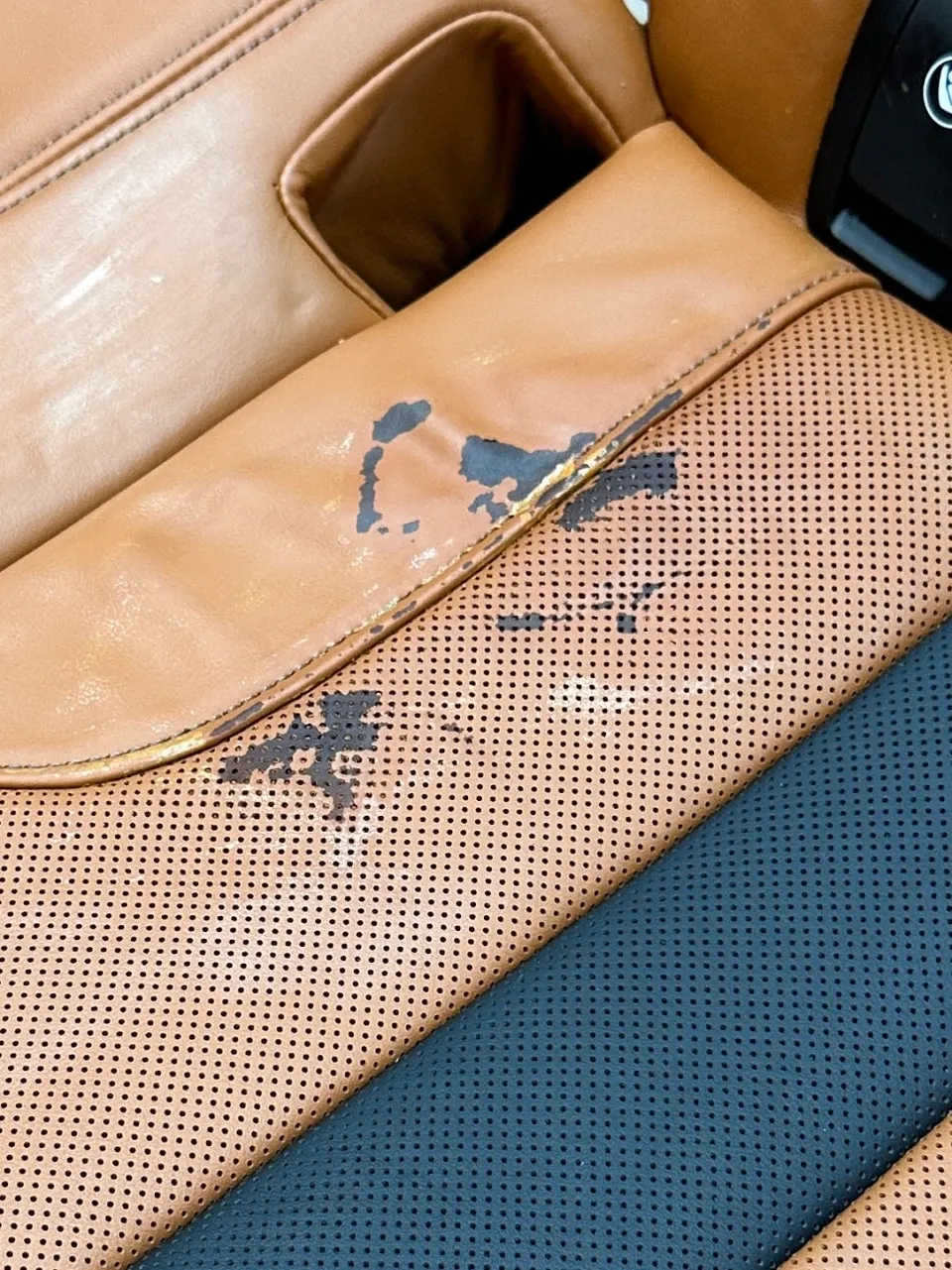
Before
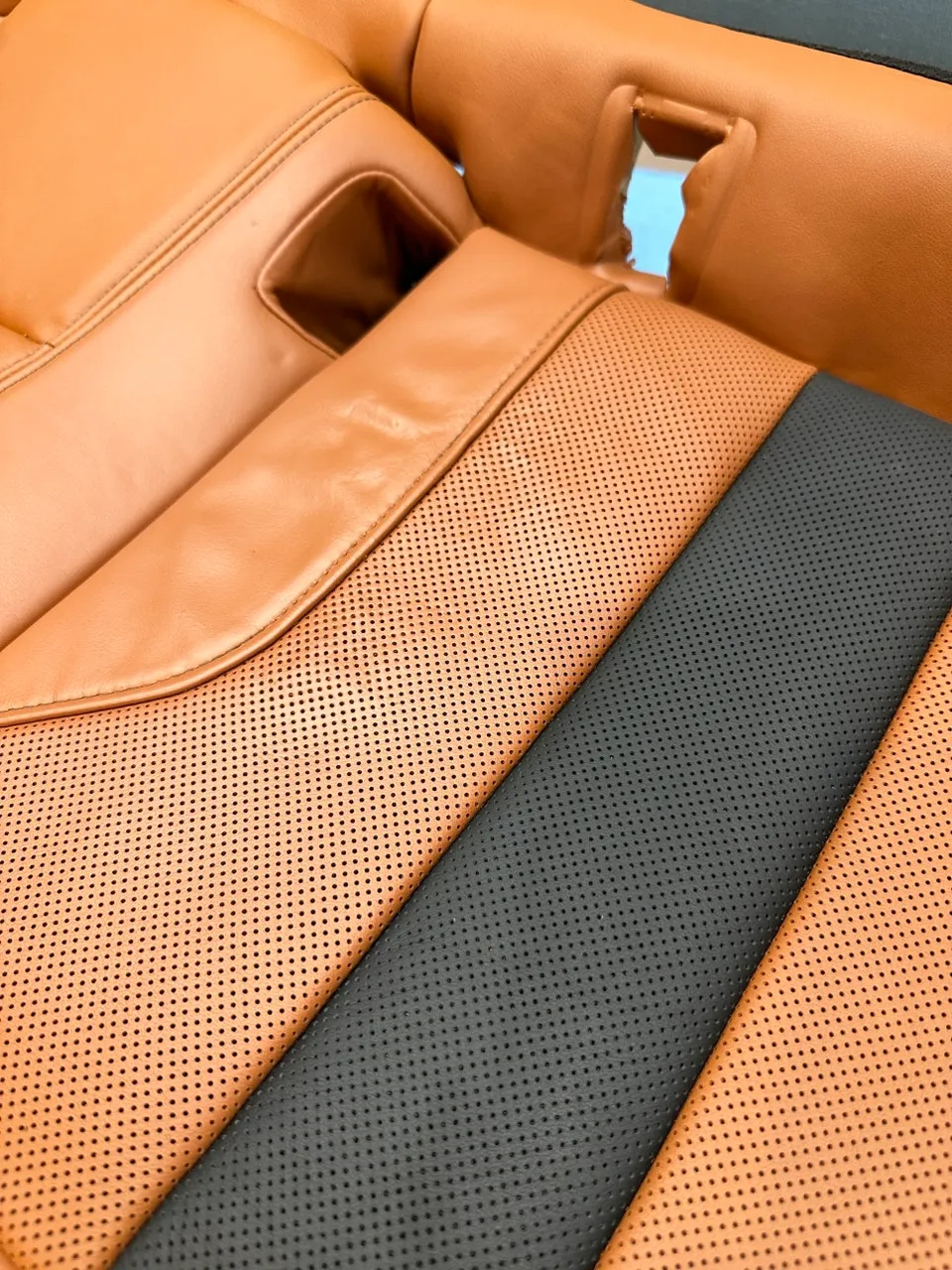
After
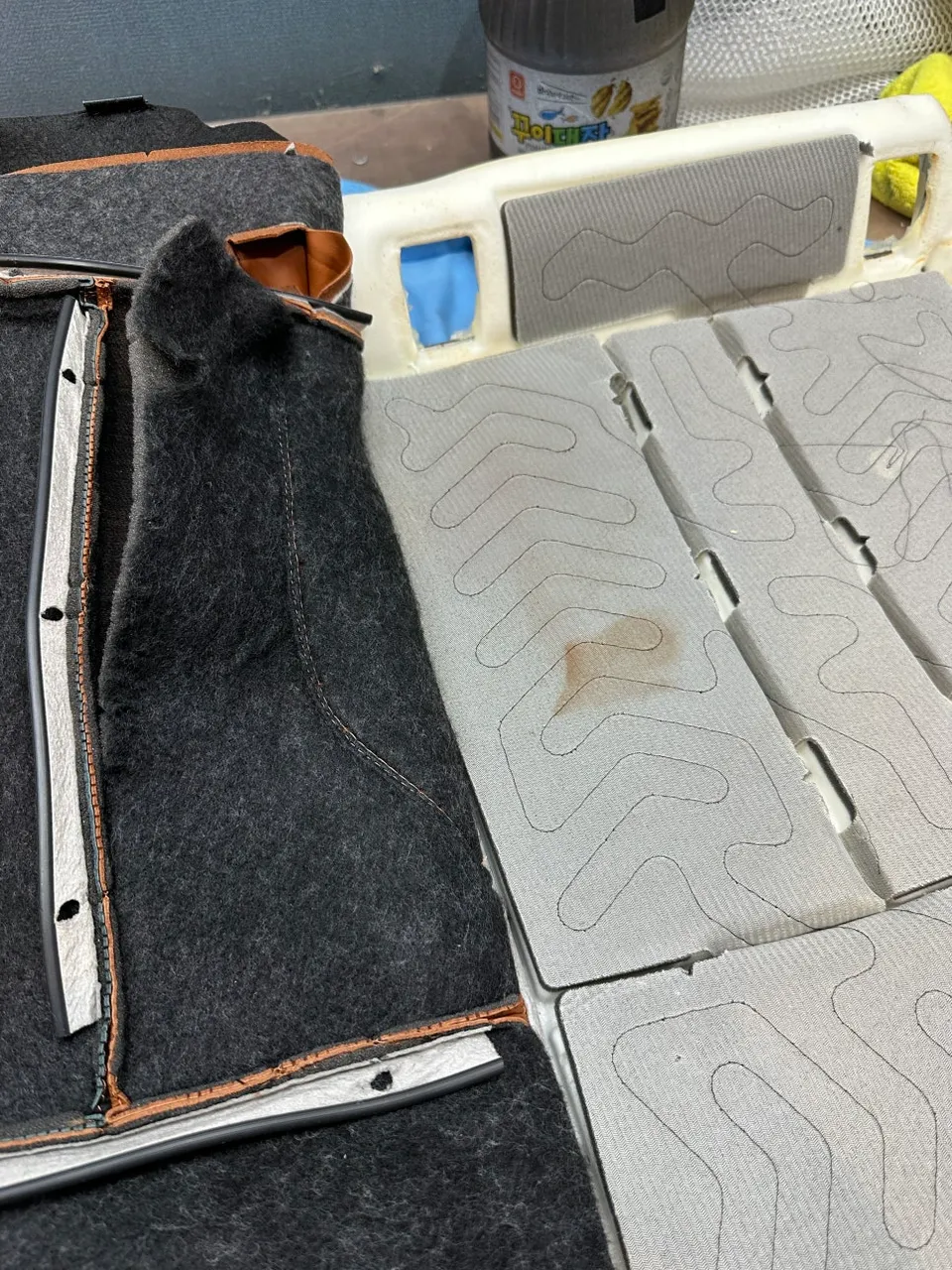
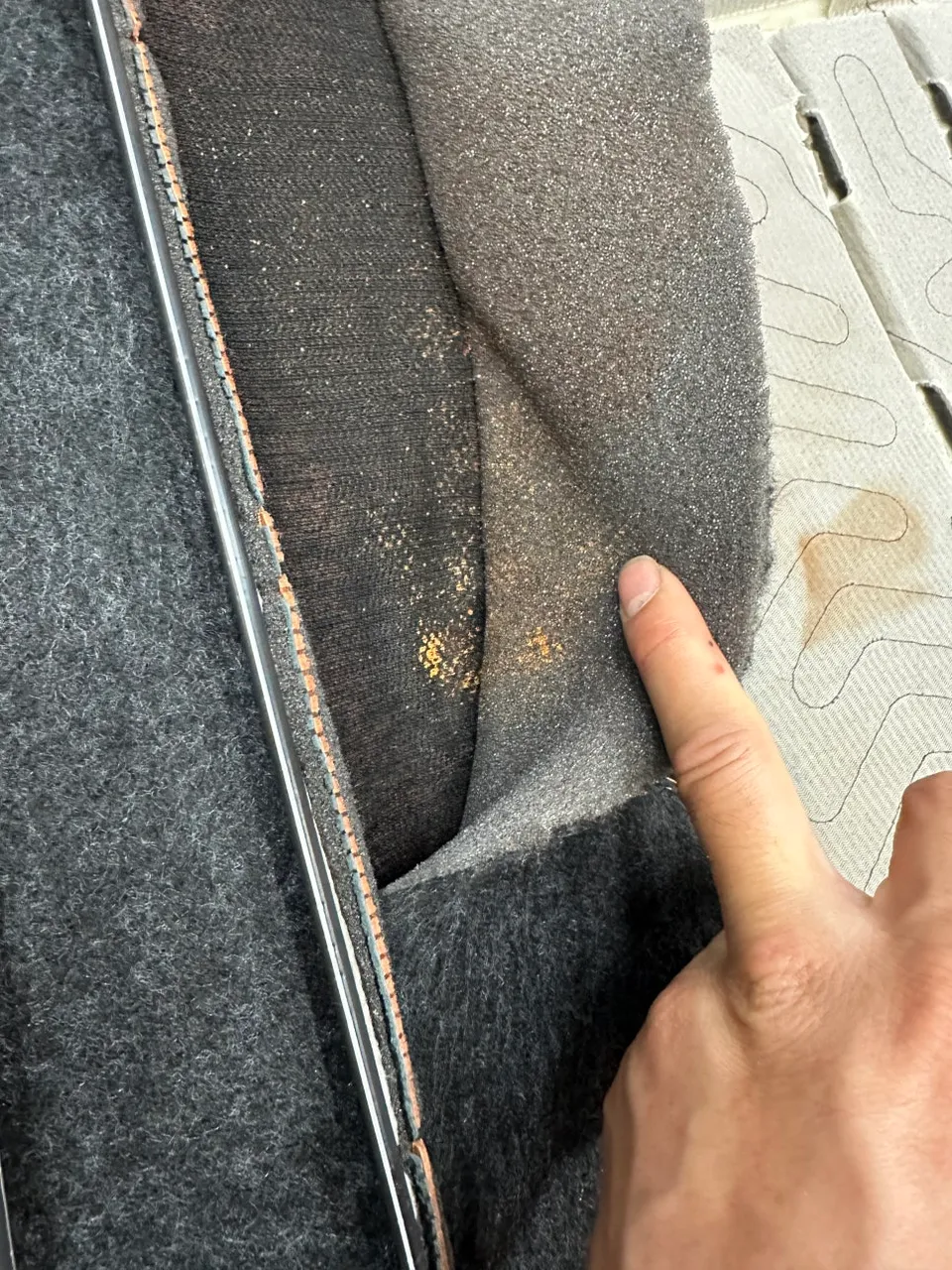
Process photos
BMW M5 seat climate upgrade: Professional installation enhances comfort. Worth the investment for year-round driving pleasure.
Enhancing Your BMW M5's Interior Comfort
The BMW M5 is synonymous with performance and luxury, but even this exceptional vehicle can benefit from enhanced interior comfort. For owners seeking to elevate their driving experience, a seat climate upgrade, specifically adding ventilated and heated seats, offers a significant improvement. This review delves into the process, potential outcomes, and overall value of retrofitting these features into your M5, drawing insights from professional detailing services that handle such specialized work.
Understanding Seat Ventilation & Heating Retrofits
While many modern luxury vehicles come equipped with advanced climate control for the seats, older models or specific trims might not. Retrofitting seat ventilation and heating systems involves integrating specialized components into your existing seats. This typically includes heating elements and ventilation fans, along with control modules and wiring harnesses. The goal is to provide both cooling and warming capabilities, ensuring comfort in any weather condition. The process requires skilled technicians who understand automotive interiors and electrical systems to ensure a seamless and functional integration. The original Korean context highlights a specific service focused on leather seat restoration due to chemical damage, emphasizing the importance of professional pre-treatment and color matching for a lasting repair. While this specific service isn't about adding new climate features, the meticulous approach to leather care and restoration underscores the level of expertise required for any significant interior modification on a high-performance vehicle like the M5.
Installation Process and Potential Results
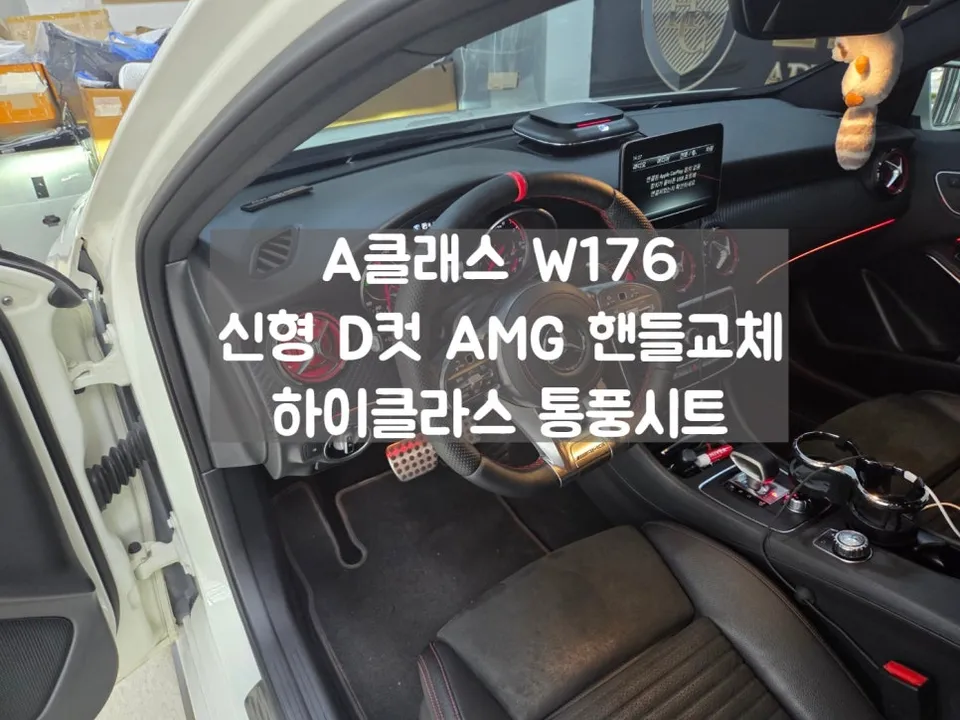
The installation of ventilated and heated seats is a detailed process that demands precision. Here’s a general breakdown:
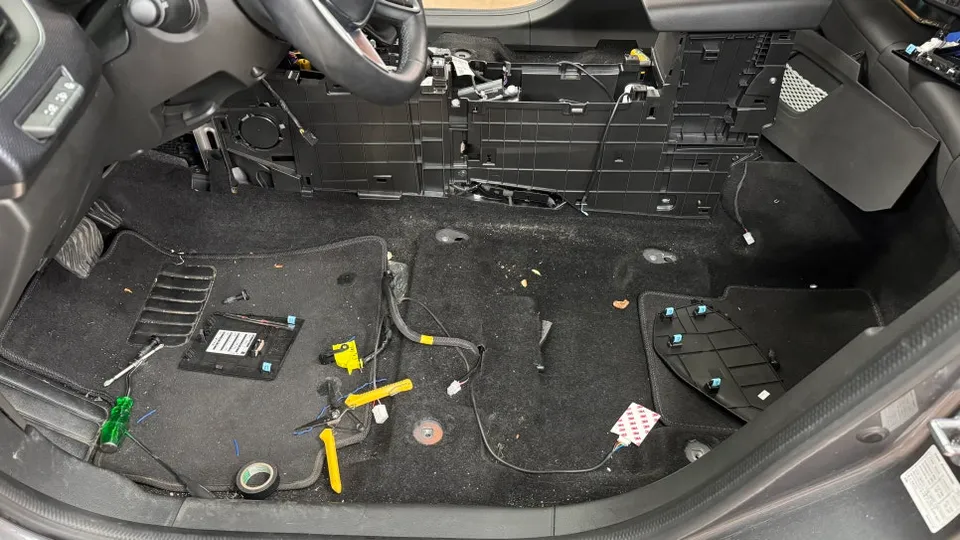
- Seat Disassembly: The seat covers are carefully removed to access the underlying foam and structure.
- Component Integration: Heating elements and/or ventilation fans are strategically placed and secured onto the seat foam. This often involves custom cutting or fitting to ensure they don't interfere with comfort or seat function.
- Wiring and Control: New wiring harnesses are run from the components to a control unit, which is then integrated into the vehicle's dashboard or center console. This allows for adjustable temperature settings and fan speeds.
- Reassembly and Testing: The seat covers are reinstalled, and the entire system is thoroughly tested to ensure all functions operate correctly and safely.
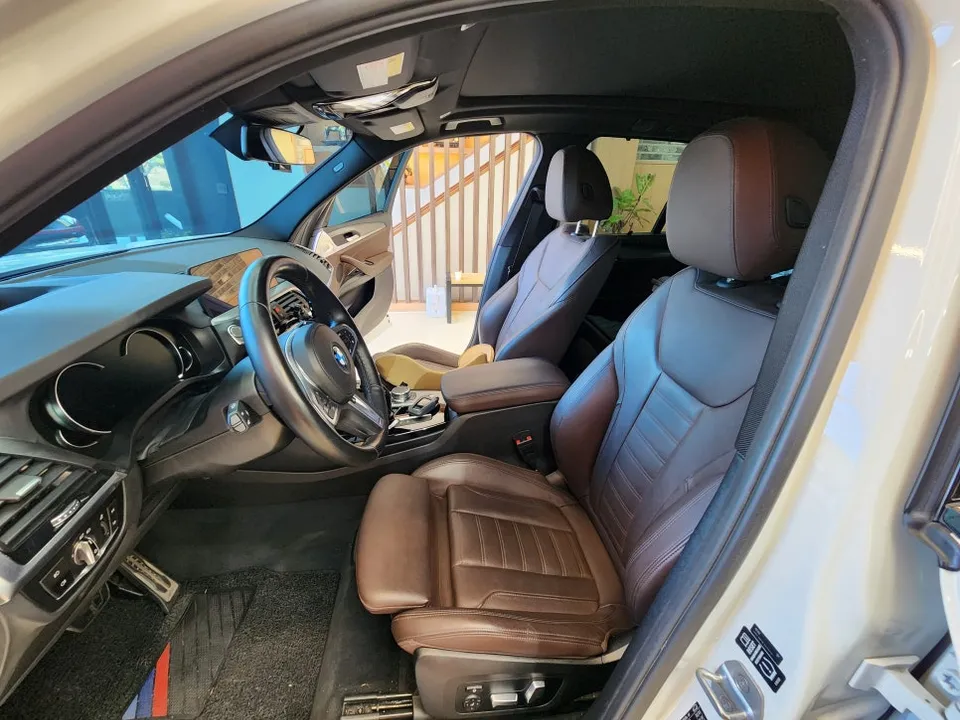
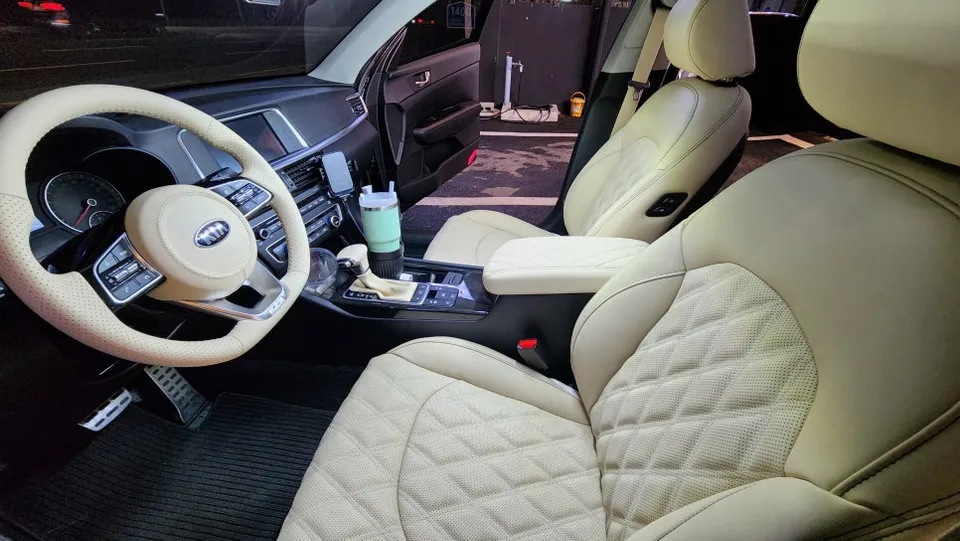
The results can be transformative. Imagine stepping into a hot car and having your seats actively cool you down, or on a cold morning, enjoying the rapid warmth of heated seats. The visual integration is key; professional installations aim to make the controls and any visible modifications look as close to factory-spec as possible. Durability is a significant factor, and with quality components and expert installation, these systems can last for many years, providing consistent comfort. Regular maintenance, such as keeping the ventilation pathways clear of debris, will contribute to longevity.
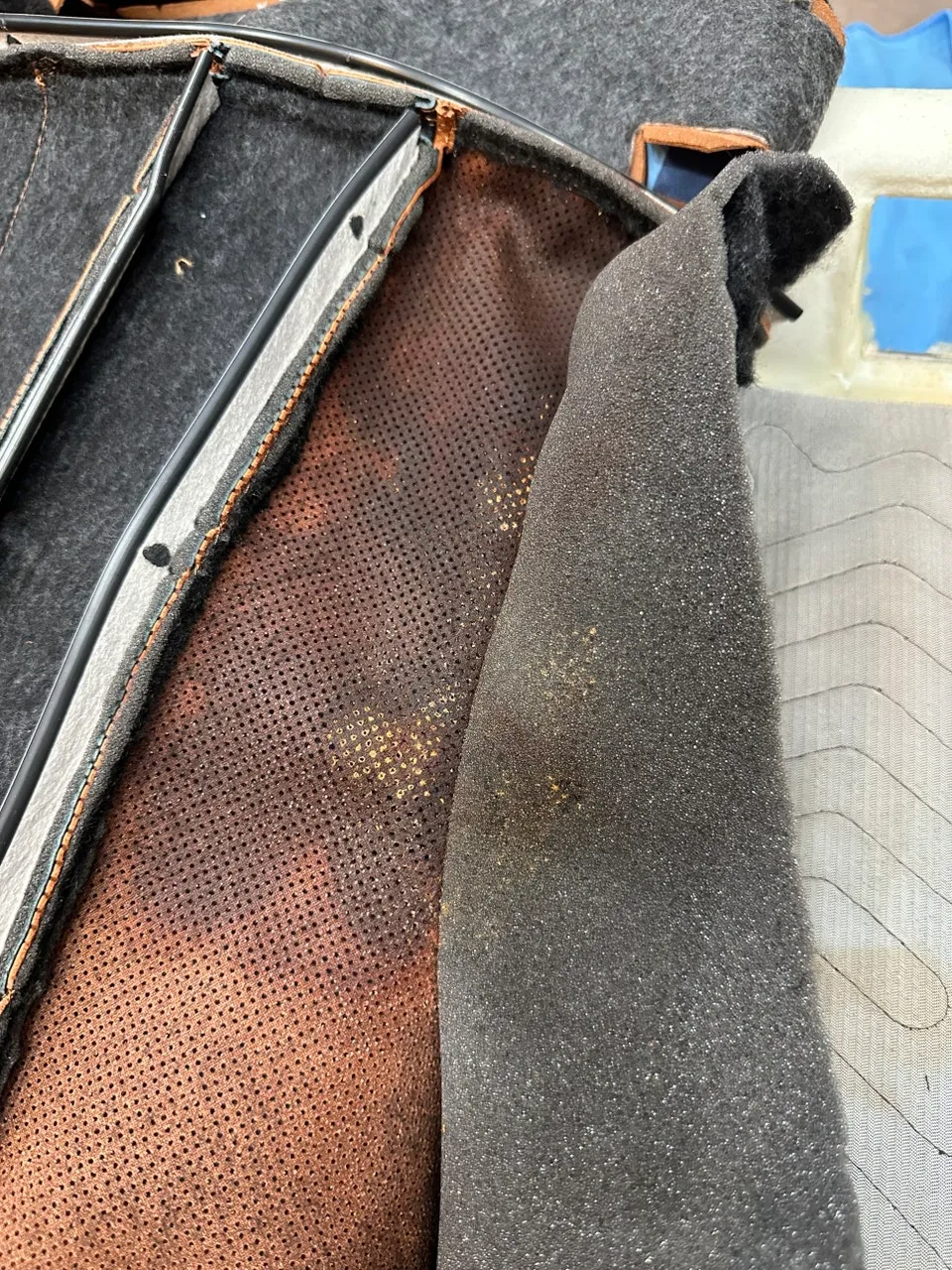
Is a Seat Climate Upgrade Worth It for Your BMW M5?
Deciding whether to retrofit ventilated and heated seats involves weighing the cost against the benefits. The estimated cost for such an upgrade can range significantly, but for a premium vehicle like the BMW M5, investing in comfort and maintaining the interior's integrity is often a worthwhile consideration. The Korean context mentions a service costing approximately ₩115,000–₩150,000 (roughly $85–$110 USD at the time of writing, though exchange rates fluctuate), which appears to be for specialized leather repair rather than a full climate retrofit. A full seat climate upgrade in the US typically costs much more, often ranging from $1,000 to $3,000 or more depending on the complexity and the specific components used. While this is a substantial investment, the enhanced comfort, potential increase in resale value, and the ability to enjoy your M5 in all seasons can justify the expense for many owners. It's crucial to research reputable installers who specialize in high-end vehicles to ensure a quality outcome.
Frequently Asked Questions
Q. How much does ventilated seat installation cost for a BMW M5?
While the specific Korean service mentioned costs around ₩115,000–₩150,000, a full seat climate upgrade for a BMW M5 in the US typically ranges from $1,000 to $3,000 or more. This price reflects the complexity of integrating heating and cooling systems into luxury seats.
Q. How long does seat ventilation installation take on a BMW M5?
The durability of installed ventilated and heated seats is generally excellent, often lasting many years with proper care. To maintain longevity, ensure ventilation pathways remain clear of debris and avoid placing heavy objects directly on the seat components.
Q. Are aftermarket ventilated seats worth it for a BMW M5?
Aftermarket ventilated and heated seats are most beneficial for BMW M5 owners who frequently experience extreme temperatures or desire a significant comfort upgrade. The value proposition lies in enhanced year-round driving pleasure and potentially increased vehicle appeal.
Q. How are ventilated seats installed in a BMW M5?
Installation involves carefully disassembling the seats, integrating heating elements and ventilation fans, running new wiring to a control module, and then meticulously reassembling and testing the system. The process requires skilled technicians to ensure a factory-like finish and function.
Q. What is the difference between OEM and aftermarket ventilated seats for a BMW M5?
OEM (Original Equipment Manufacturer) systems are designed and integrated by BMW, offering seamless factory fit and function. Aftermarket retrofits, while potentially more customizable, rely on third-party components and installation expertise, with the key difference being the origin and integration method.
OhCar Partner Shop