Tesla Model X Seat Climate Upgrade Review: Cost & Results
Service Price
$40–80
Estimated price · Actual price may vary by shop
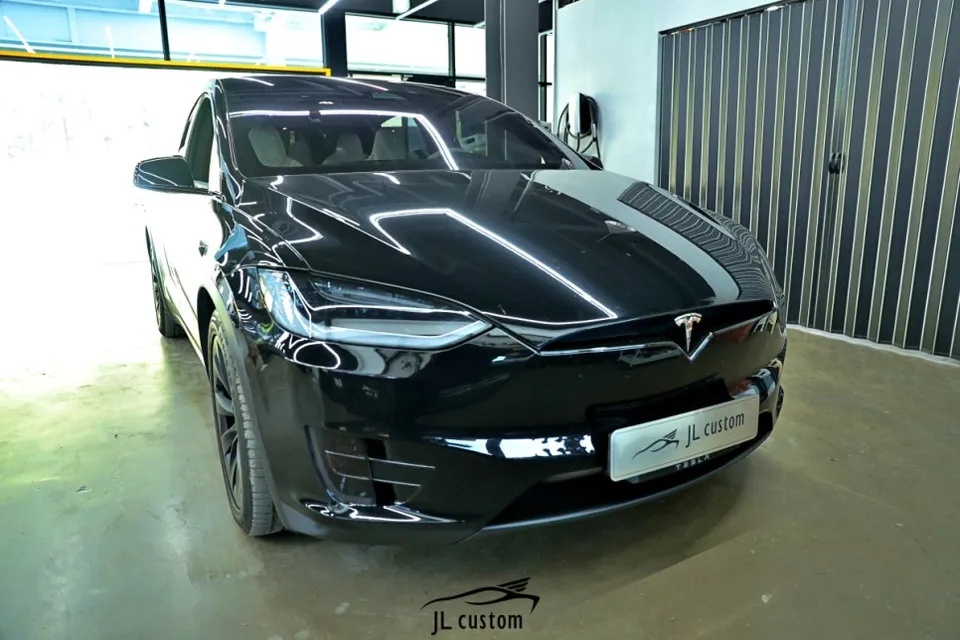
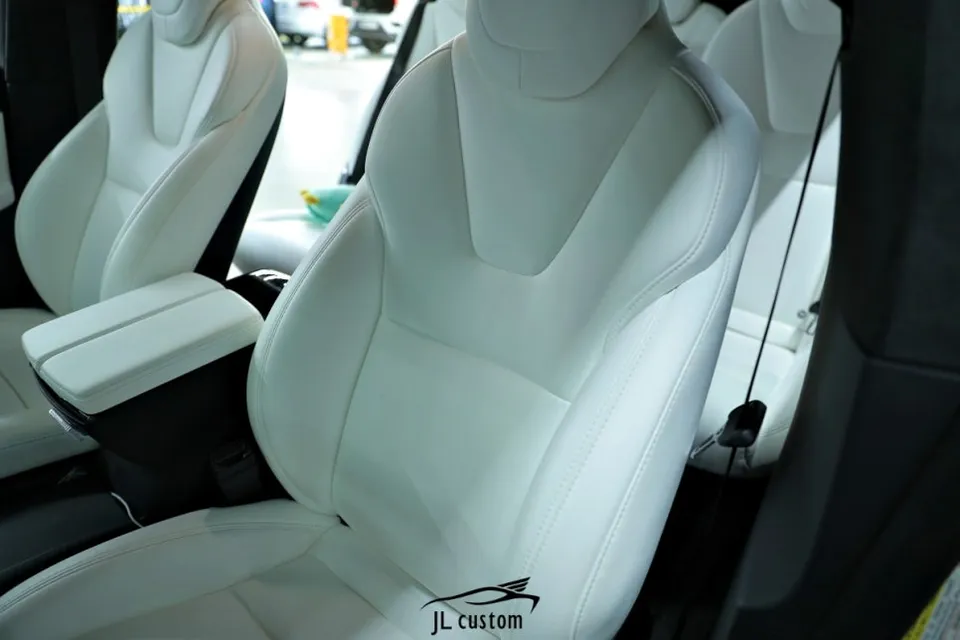
Tesla Model X seat climate upgrade: ~$300-$600. Enjoy ventilated & heated seats for enhanced comfort year-round.
Enhancing Your Tesla Model X with Seat Ventilation and Heating
For Tesla Model X owners, the desire for enhanced comfort, especially during extreme weather, is a common one. While the Model X boasts a luxurious interior, the absence of factory-installed ventilated and heated seats can be a notable drawback for many. This review delves into the process, benefits, and considerations of retrofitting a seat climate upgrade, transforming your driving experience.
The Importance of a Seat Climate Upgrade for the Model X
The Tesla Model X, with its sophisticated design, often leaves owners wishing for more in terms of climate control within the cabin. In hot weather, prolonged driving can lead to discomfort from sweat, significantly impacting driver fatigue and overall enjoyment. The Model X's seat construction presents a unique challenge; its intricate assembly means that improper installation by inexperienced technicians can result in cosmetic issues like ill-fitting trim or visible gaps. Therefore, opting for a specialized installer is crucial to ensure a seamless integration that maintains the vehicle's premium aesthetic.
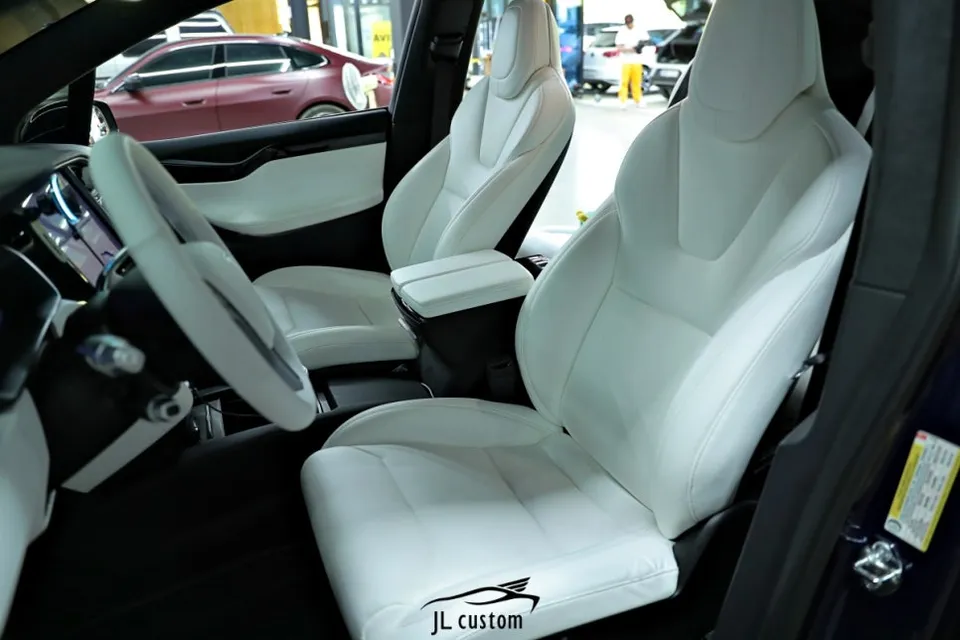
The Seat Ventilation & Heating Installation Process
The process involves meticulously integrating high-performance cooling and heating elements into your existing seats. Skilled technicians carefully perforate the seat leather to allow for optimal airflow. For the Model X, this can involve installing up to eight individual cooling modules per seat, though a standard setup often uses four. More modules translate to more powerful and rapid air circulation, providing superior comfort, particularly for those who are sensitive to heat or sweat heavily. The heating elements are similarly integrated, ensuring even warmth distribution.
A common concern with aftermarket climate control systems is noise and vibration. Reputable installers often use silicone-based cooling fans, which are significantly quieter than their aluminum counterparts. These are securely fastened to the seat frame to minimize any unwanted vibrations, ensuring a near-OEM experience. The heating elements are designed for efficient and consistent temperature regulation.
Installation Process:
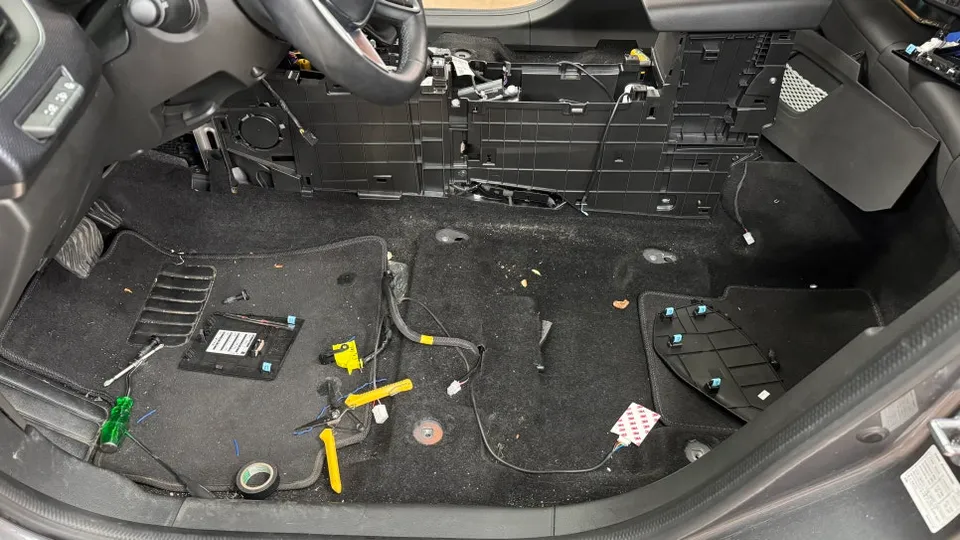
- Seat Disassembly: The technician carefully removes the seat covers to access the internal structure.
- Module Installation: Cooling fans and heating pads are precisely positioned and secured within the seat cushion and backrest.
- Wiring Integration: Electrical connections are made to the vehicle's power system, often integrating with existing controls.
- Control Unit Setup: A discreet control switch, typically with 3-level adjustments for fan speed and temperature, is installed in an accessible location.
- Reassembly: The seat covers are expertly reinstalled, ensuring a factory-like finish.
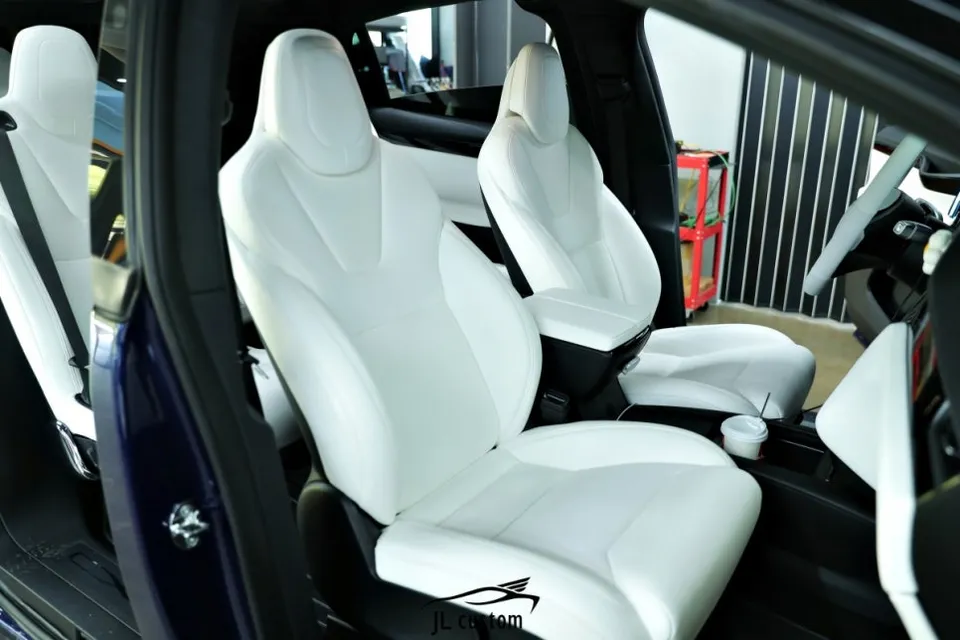
Transformative Results and User Experience
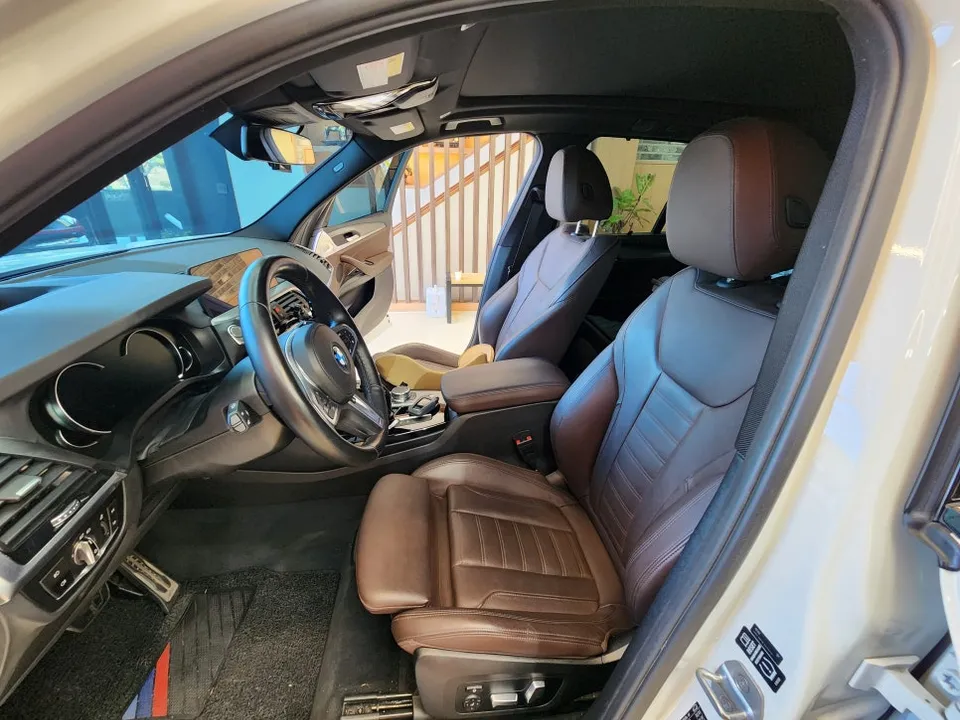
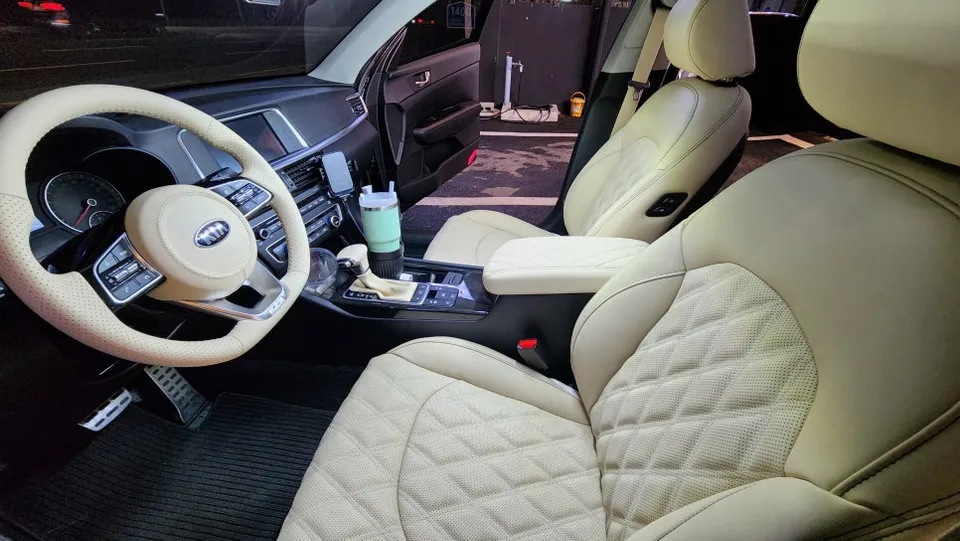
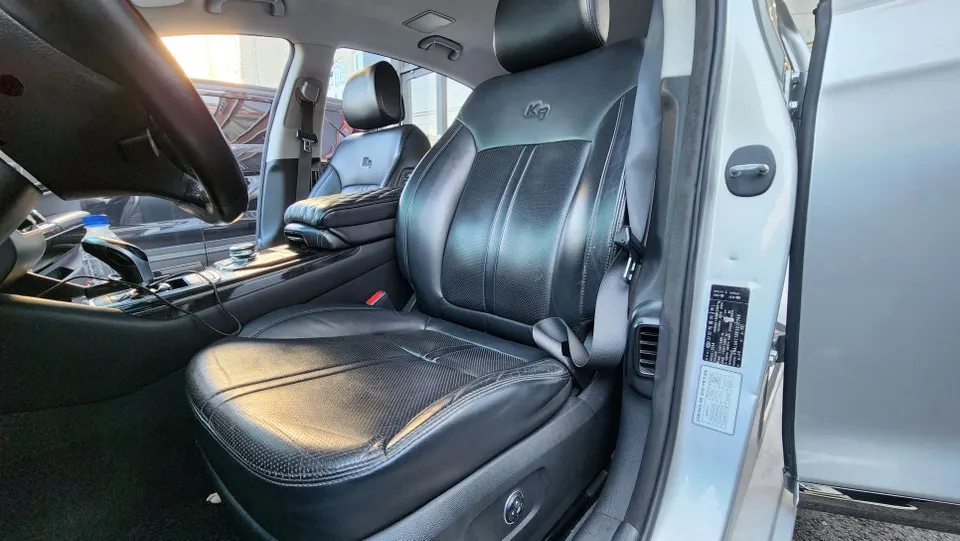
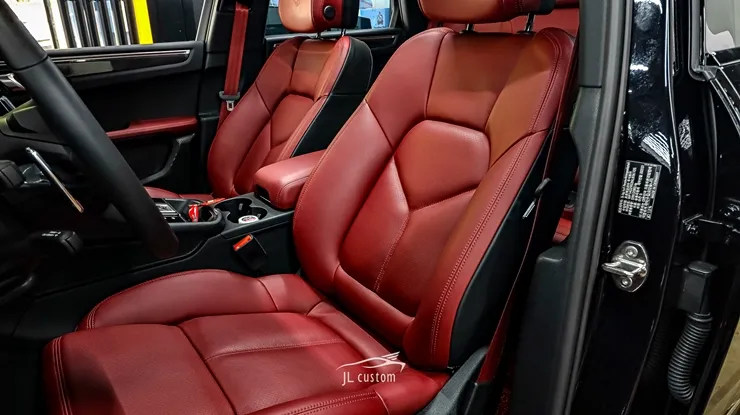
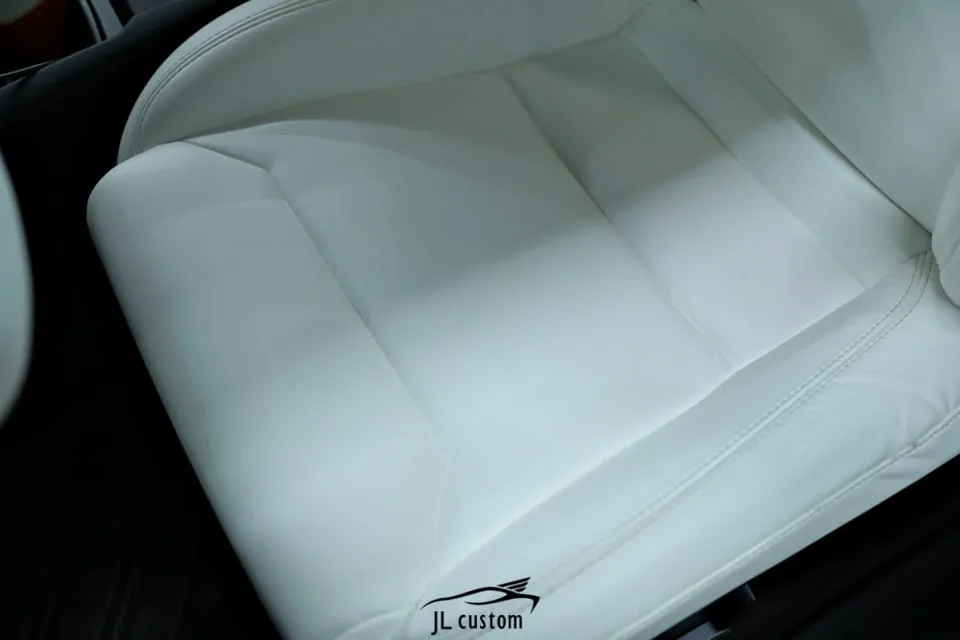
Post-installation, the difference is palpable. The ventilated seats provide a constant flow of cool air, eliminating sweat and discomfort even on the hottest days. The heated seats offer rapid warmth during colder months, enhancing driving pleasure year-round. The integrated controls are intuitive, allowing for easy adjustment of fan speed and heat intensity, much like operating the original heating buttons. The visual integration is also noteworthy; the perforated leather often enhances the seat's appearance, especially on lighter interiors, making the upgrade look like a factory option.
The cost for such a retrofit in Korea typically ranges from approximately ₩400,000 to ₩800,000 (roughly $300-$600 USD, depending on exchange rates and specific options chosen), with the estimated US price for similar services being around $40–80 per seat for basic ventilation, potentially higher for full climate control packages. This investment significantly enhances the daily usability and comfort of your Tesla Model X, making it a worthwhile consideration for any owner seeking a more premium in-cabin experience.
Frequently Asked Questions
Q. How much does ventilated seat installation cost for a Tesla Model X?
In Korea, the cost for a seat climate upgrade on a Tesla Model X typically ranges from ₩400,000 to ₩800,000 (approximately $300-$600 USD). Similar aftermarket installations in the US can range from $40-$80 per seat for basic ventilation.
Q. How long does seat ventilation installation take on a Tesla Model X?
The durability of aftermarket ventilated seats is generally excellent, often lasting the lifetime of the vehicle with proper care. Basic maintenance involves occasional cleaning of the seat surfaces and ensuring the ventilation ports remain free of debris.
Q. Are aftermarket ventilated seats worth it for a Tesla Model X?
Aftermarket ventilated seats are highly recommended for Tesla Model X owners who frequently experience discomfort due to heat or cold. The significant improvement in driving comfort and the enhancement to the vehicle's overall appeal make it a valuable upgrade.
Q. How are ventilated seats installed in a Tesla Model X?
Installation involves carefully disassembling the seat, precisely perforating the leather, and integrating quiet cooling fans and heating elements. Electrical connections are made, and a user-friendly control switch is installed, followed by expert reassembly of the seat covers.
Q. What is the difference between OEM and aftermarket ventilated seats for a Tesla Model X?
OEM ventilated seats are factory-integrated, offering seamless functionality and warranty coverage, but are often unavailable as an option. Aftermarket installations, while requiring professional expertise for optimal results, provide a comparable level of comfort and can be customized to your needs.
OhCar Partner Shop