Hyundai Palisade Seat Climate Upgrade Review: Cost & Results

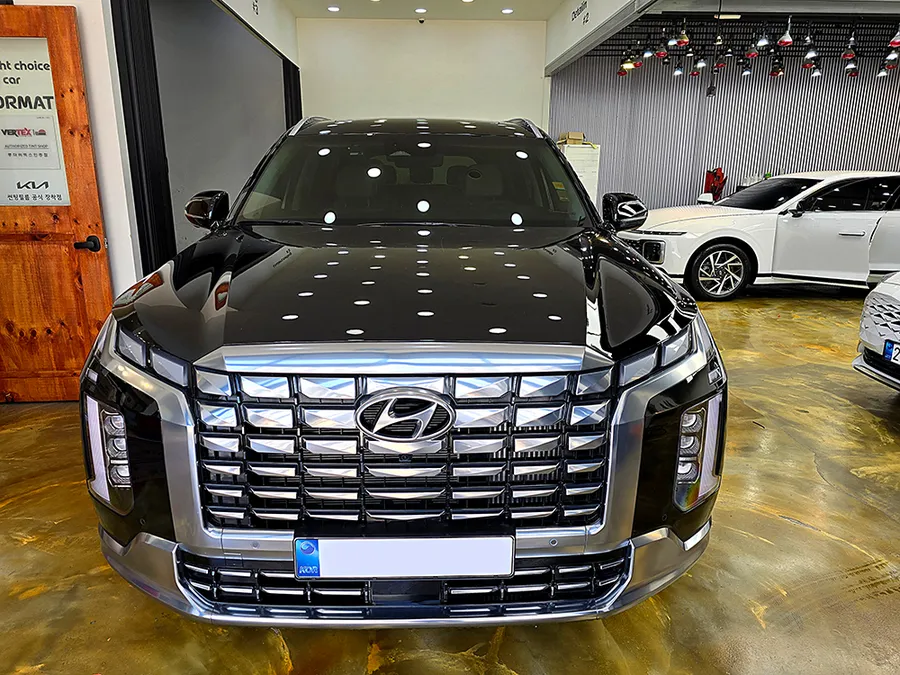
Hyundai Palisade seat climate upgrade: Professional installation for ventilated & heated seats. Enhances comfort & preserves interior.
Upgrade Your Hyundai Palisade with Seat Ventilation & Heating
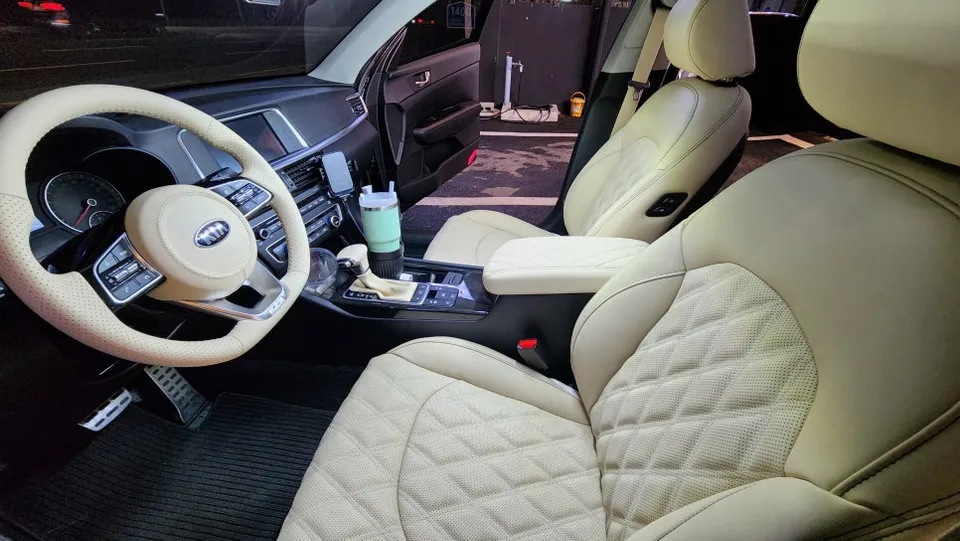
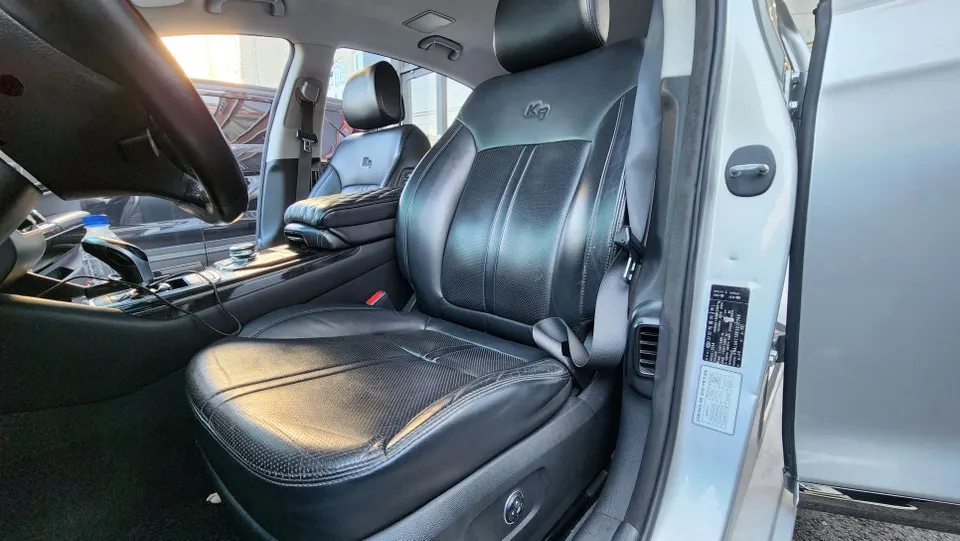
Many car owners love the premium feel of light-colored interiors, especially on a vehicle like the Hyundai Palisade. However, the elegance of beige or ivory seats comes with a significant maintenance burden. Stains and discoloration are a constant worry, making these beautiful interiors a source of stress. Fortunately, a seat climate upgrade, specifically adding ventilation and heating, can transform your driving experience and protect your investment. This review delves into the benefits, installation process, and overall value of retrofitting ventilated and heated seats into your Palisade.
The Benefits of a Seat Climate Upgrade
While the original Korean context focused on leather seat coating for stain prevention, the underlying desire for a more comfortable and protected interior is universal. For US and UK drivers, adding seat ventilation and heating addresses comfort and preserves the interior's condition. Ventilated seats help dissipate heat and moisture, keeping you cool and dry during hot weather. Heated seats provide essential warmth during colder months, enhancing driving comfort year-round. This dual functionality makes it a highly desirable seat climate upgrade, especially for those who experience varied weather conditions. Beyond comfort, these systems can help maintain the leather's condition by preventing excessive heat buildup or cold-induced brittleness. The installation process involves integrating fans and heating elements discreetly within the seat structure, often controlled by a dedicated switch or integrated into the vehicle's existing climate controls.
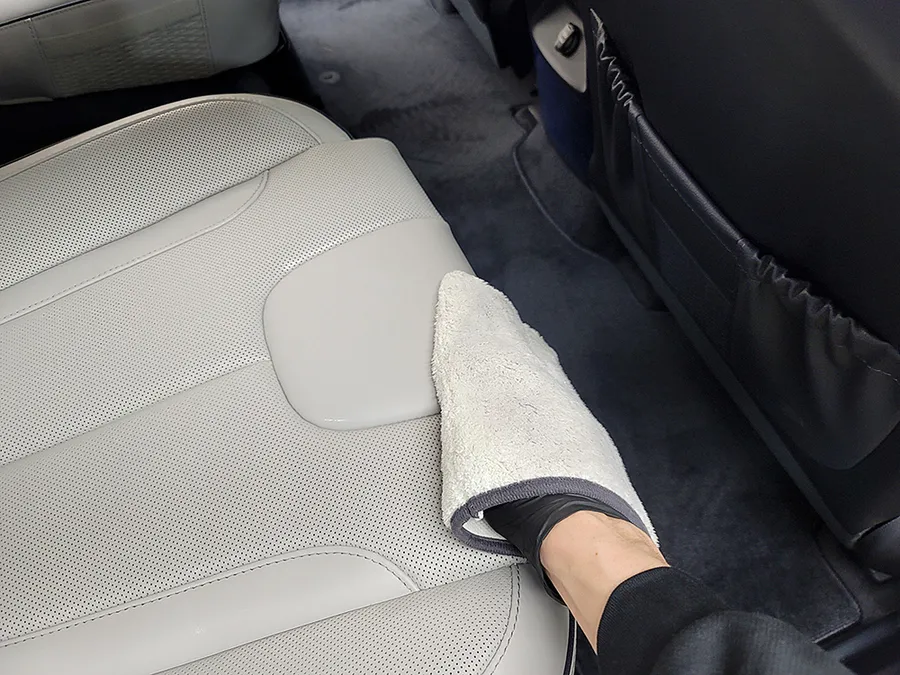
Seat Ventilation & Heating Installation Process
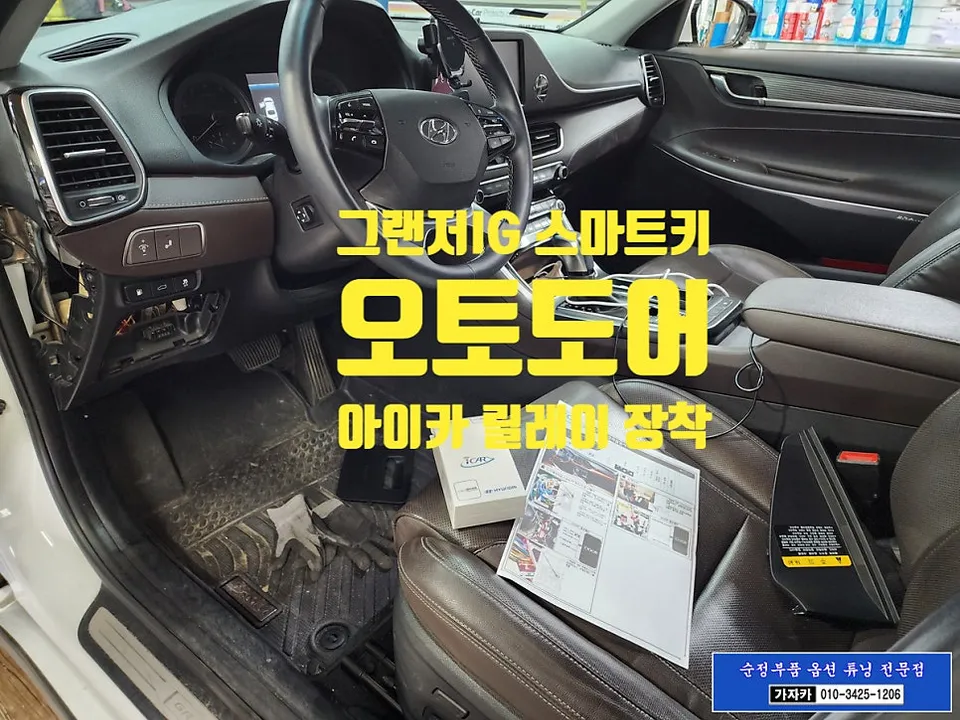
Retrofitting seat ventilation and heating into a Hyundai Palisade is a specialized process that requires professional expertise. While DIY kits exist, the complexity and potential for damage make professional installation highly recommended. The process typically involves several key steps:
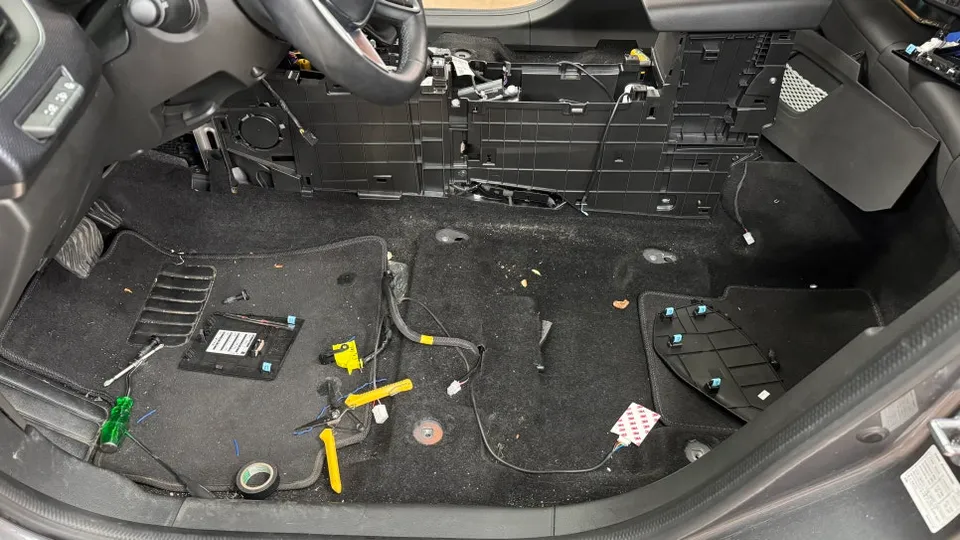
- Seat Disassembly: The technician carefully removes the seat covers to access the internal seat structure.
- Component Integration: Ventilation fans and heating elements are precisely positioned and secured within the seat foam and upholstery. Wiring harnesses are run discreetly through the seat frame.
- Control Module Installation: Switches or control modules are installed, often in a location that mimics factory controls for a seamless look and feel.
- Reassembly and Testing: The seat covers are reinstalled, and the entire system is thoroughly tested to ensure proper function of both heating and ventilation.
The entire installation for a set of seats typically takes several hours, often between 3 to 4 hours, depending on the complexity of the system and the vehicle's interior. The durability of these aftermarket systems can vary, but with quality components and professional installation, they can last for many years, similar to factory-installed options. Regular maintenance usually involves ensuring the ventilation ports remain clear of debris.
Is a Seat Climate Upgrade Worth the Cost?
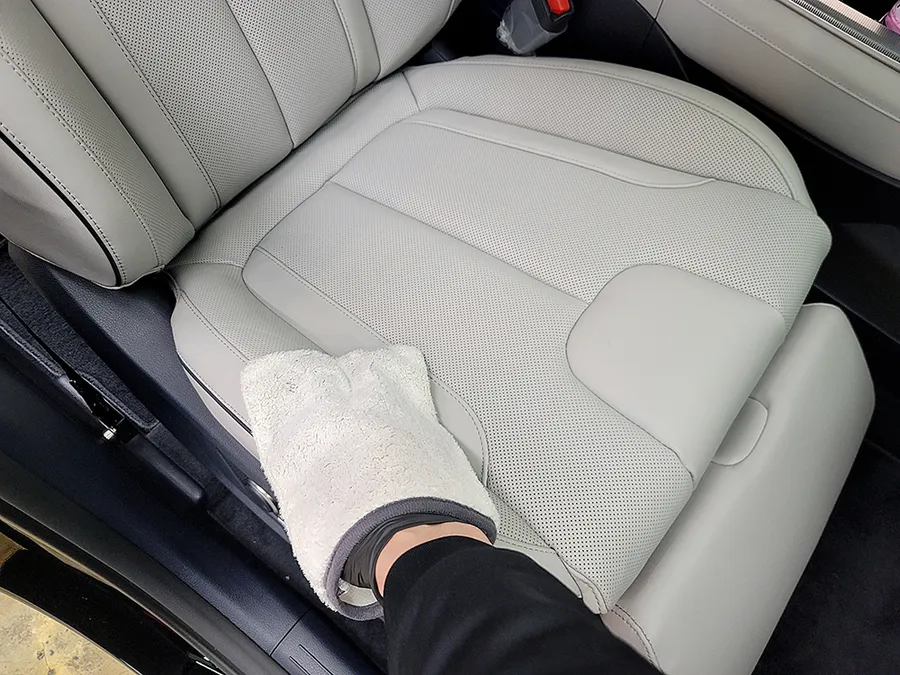
The decision to retrofit ventilated and heated seats involves considering the Seat Ventilation & Heating cost against the benefits. While specific pricing varies greatly by region and the chosen system, aftermarket installations can range from several hundred to over a thousand US dollars for a pair of seats. In Korea, where this type of service is common, costs can be significantly lower than in the US or UK. The value proposition hinges on how much you prioritize comfort and interior preservation. For drivers in extreme climates or those who spend significant time in their vehicles, the enhanced comfort and protection offered by ventilated and heated seats can be well worth the investment. The before and after results are dramatic, transforming a standard seat into a climate-controlled comfort zone. While not a permanent solution like factory integration, a well-installed aftermarket system offers a substantial improvement and can significantly enhance the ownership experience of your Hyundai Palisade.
Frequently Asked Questions
Q. How much does ventilated seat installation cost for a Hyundai Palisade?
The Seat Ventilation & Heating cost for a Hyundai Palisade can vary significantly, with aftermarket installations typically ranging from several hundred to over a thousand US dollars for a pair of seats. This review's context from Korea suggests potentially lower pricing than typical US or UK market rates.
Q. How long does seat ventilation installation take on a Hyundai Palisade?
Professional installation of seat ventilation and heating systems on a Hyundai Palisade usually takes approximately 3 to 4 hours for a pair of seats. These systems are designed for durability, often lasting many years with proper care, and require minimal maintenance beyond keeping ventilation ports clear.
Q. Are aftermarket ventilated seats worth it for a Hyundai Palisade?
Aftermarket ventilated and heated seats are highly recommended for Hyundai Palisade owners who prioritize year-round comfort, especially in extreme climates. The significant enhancement in driving experience and potential preservation of seat materials often justifies the investment.
Q. How are ventilated seats installed in a Hyundai Palisade?
Installation involves disassembling the seats, integrating fans and heating elements into the seat structure, running discreet wiring, and installing control modules. The seats are then carefully reassembled and the system is tested for full functionality.
Q. What is the difference between OEM and aftermarket ventilated seats for a Hyundai Palisade?
OEM (Original Equipment Manufacturer) systems are integrated during factory production, offering a seamless look and guaranteed compatibility. Aftermarket installations, while requiring professional fitting, provide a cost-effective way to add similar climate control features to a non-equipped vehicle.
OhCar Partner Shop