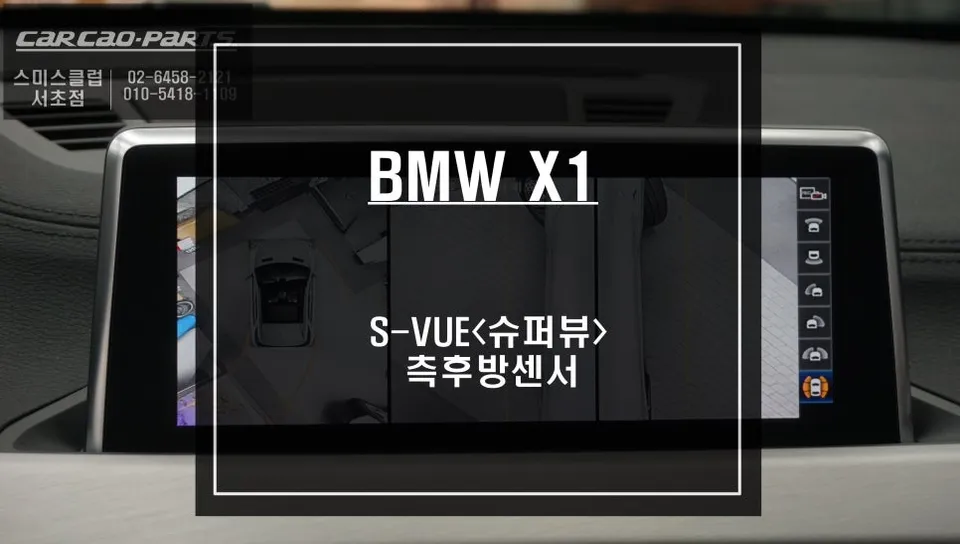
BMW X1 Around View Monitor Review — Enhanced Parking Safety
Service Price
$150+
Estimated price · Actual price may vary by shop
Why an Around View Monitor is Essential for the BMW X1
The BMW X1, while a capable SUV, presents a common challenge for drivers: limited visibility and significant blind spots, especially during parking maneuvers. Unlike some higher-end models, the X1 often lacks an integrated around view monitor as a factory option. This leaves many owners feeling uneasy when parking, struggling to accurately gauge the space around their vehicle. This was precisely the concern for the owner of this BMW X1, who decided to upgrade their driving experience with a comprehensive 360-degree camera system, also known as an around view monitor.
This installation not only included the core around view functionality but also integrated a Blind Spot Detection (BSD) system, further enhancing safety. The setup utilizes a total of four cameras: one front-facing, two side-facing (one for each side), and one rear-facing. The entire process, performed at the Gangnam branch of 'Today's Car', took approximately half a day, around 4 hours.
Understanding the Around View Advantage
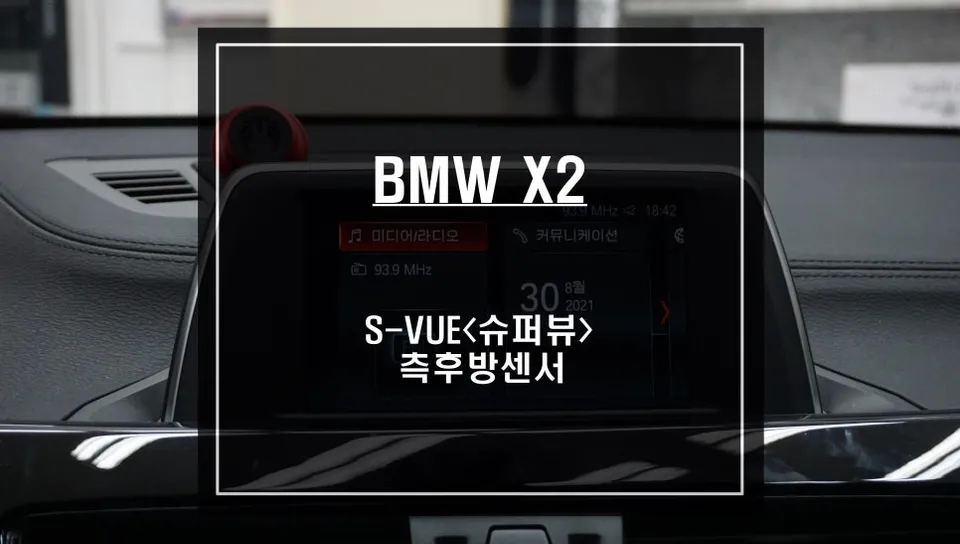
The market offers a wide range of around view systems, but not all are created equal. Cheaper alternatives often suffer from poor image quality or lack seamless integration with the vehicle's existing infotainment system. The S-VUE system used in this installation is a well-regarded brand within the automotive customization community, known for its superior performance and, crucially, its perfect compatibility with the BMW's native monitor. This ensures a factory-like appearance and functionality.
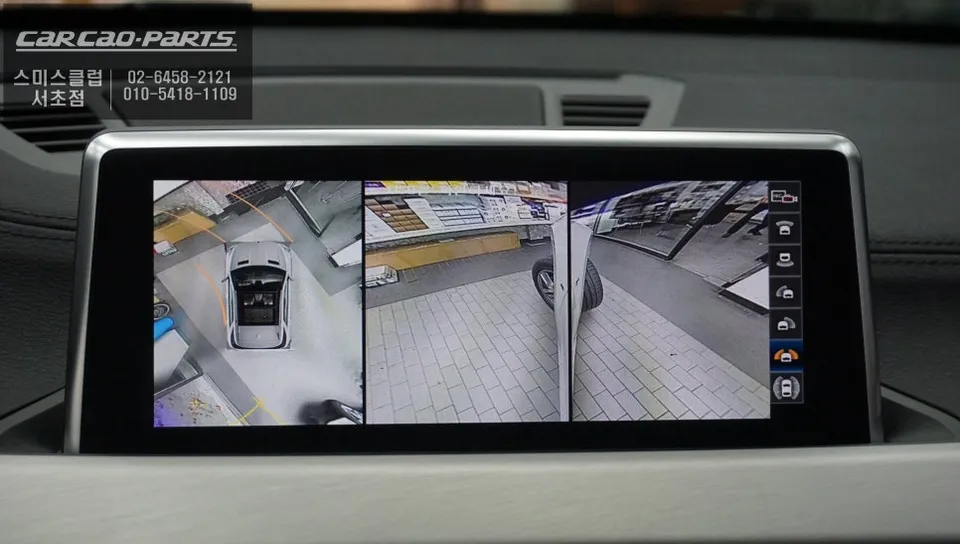
The core principle behind an around view monitor is straightforward yet technologically advanced. Cameras strategically placed around the vehicle capture real-time video feeds. A sophisticated processing unit then stitches these individual feeds together, creating a composite "bird's-eye view" or "top-down view" of the car and its immediate surroundings. This synthesized image is displayed on the car's central screen, offering an unparalleled perspective for parking and navigating tight spaces.
Strategic Camera Placement and Integration
The installation process requires careful consideration for each camera's placement to ensure optimal performance and a clean aesthetic. Here’s how the cameras were integrated:
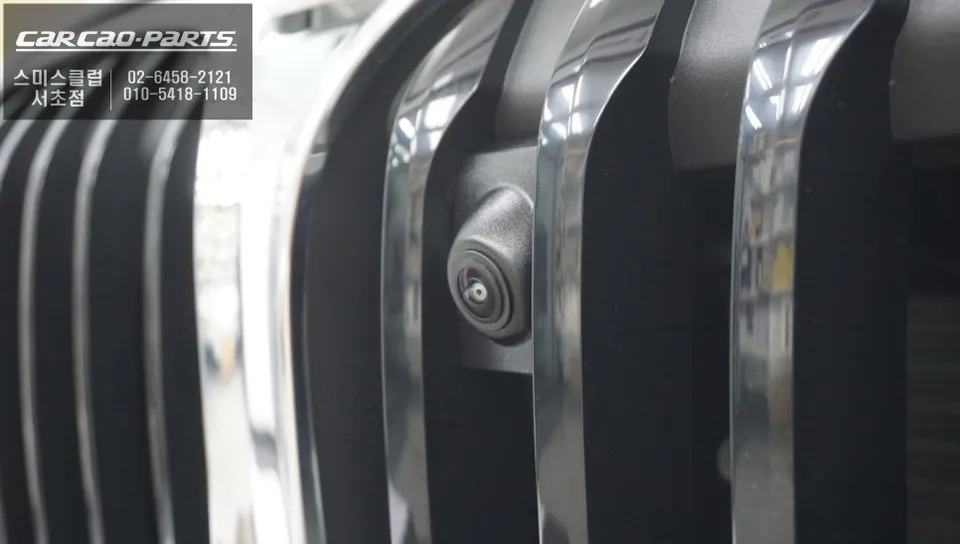
- Front Camera: For the BMW X1, the front camera was discreetly installed in the location of the original BMW emblem. This method avoids any damage to the bumper or grille and maintains the vehicle's original front-end appearance. It also allows for easy restoration to its original state if needed.
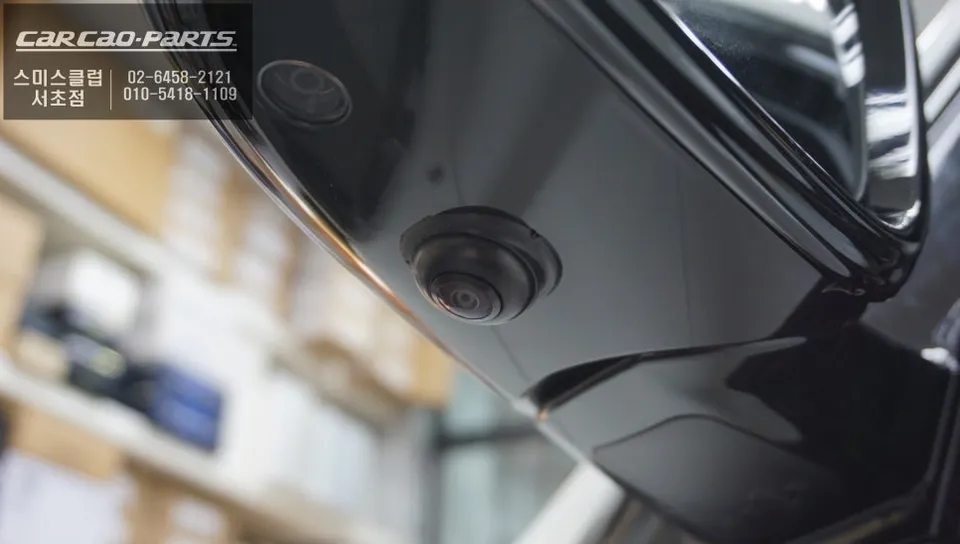
- Side Cameras: The side cameras, crucial for blind-spot monitoring and side parking, were installed beneath the driver's side mirror. Leveraging an existing factory door light lamp housing, the installation involved a precise perforation in the door panel. This area was then meticulously sealed with waterproof silicone to prevent any water ingress, ensuring long-term durability.
- Rear Camera: The rear camera was integrated as a replacement for the factory license plate light. This unit is designed to be a direct 1:1 swap, meaning it fits perfectly into the existing license plate frame. This approach preserves the vehicle's rear aesthetics while providing a high-resolution view of what's behind the car.
The most complex aspect of the installation lies in the wiring and integration with the vehicle's original systems. Connecting the S-VUE control unit to the BMW X1's factory center monitor requires precise handling of the LVDS (Low-Voltage Differential Signaling) data stream. Technicians meticulously traced and tapped into the existing wiring harnesses within the dashboard, ensuring no original wires were cut. This was achieved using "Zeck by Zeck" type connectors, specialized components that allow for signal branching without compromising the factory wiring integrity. This "plug-and-play" approach simplifies future troubleshooting and minimizes any potential strain on the vehicle's electrical system.
A key benefit of this integration is the seamless synchronization with the car's Parking Assist System (PAS). When the steering wheel is turned, the dynamic parking lines displayed on the monitor also adjust in real-time, mirroring the vehicle's actual turning radius. This feature is invaluable for precise maneuvering during complex reverse parking situations. Furthermore, the system fully integrates with the original Parking Distance Control (PDC) sensors, displaying their proximity alerts alongside the camera feeds, providing a comprehensive safety net for the driver.
Kakao Parts