Ford Explorer Body Kit Installation Review
Service Price
$approx. $1,150–1,500
Estimated price · Actual price may vary by shop
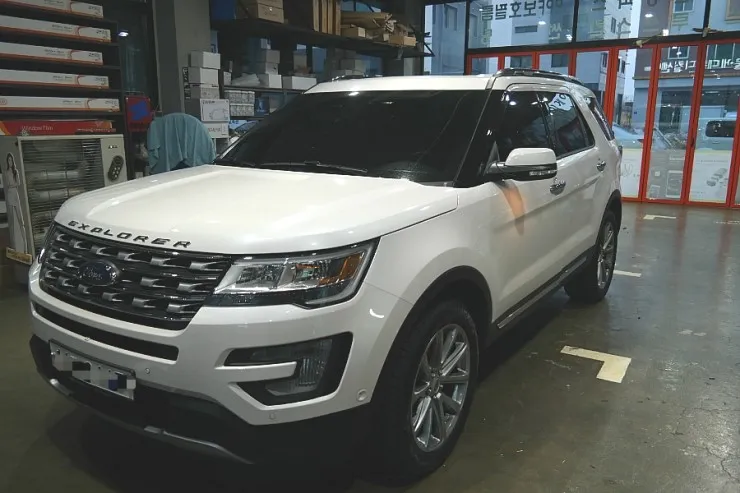
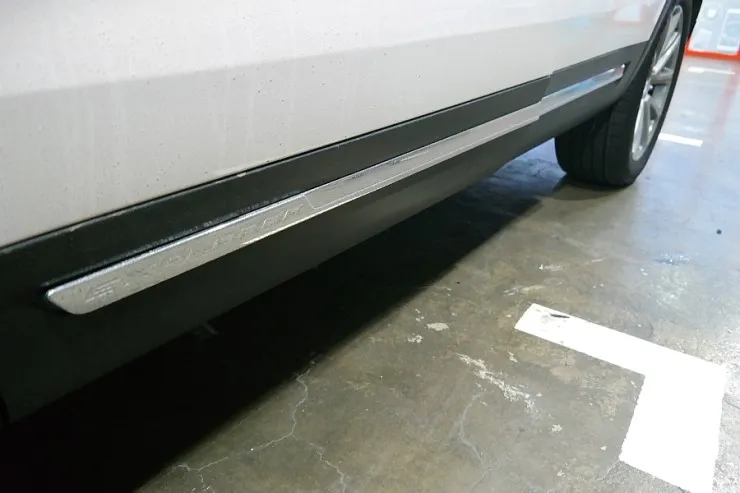
Ford Explorer body kit installation costs approx. $1,150-$1,500. Enhances style and improves access with components like side steps.
Ford Explorer Body Kit Installation: Enhancing Style and Function
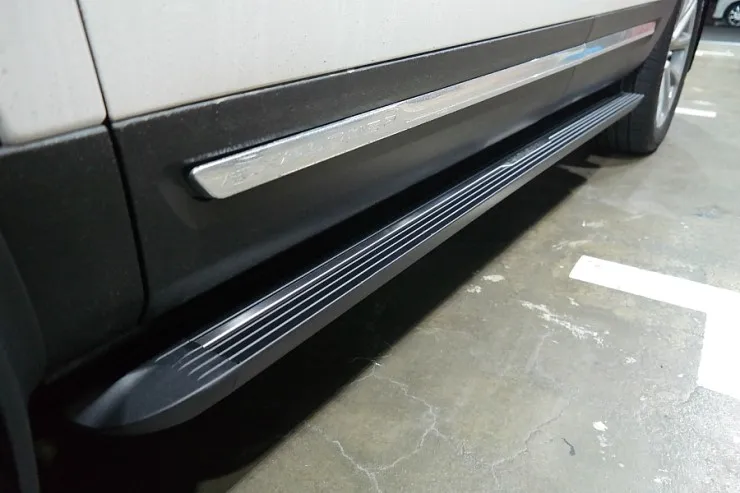
While the Ford Explorer is a capable and spacious SUV, some owners seek to enhance its aesthetic appeal and functionality. A body kit, often referred to as an aero kit, can achieve this by adding custom bumpers, side skirts, and spoilers. This review delves into the typical body kit installation process, the potential before and after results, durability considerations, and whether investing in a body kit for your Ford Explorer is a worthwhile upgrade. The context for this review is based on a service performed in South Korea, with an approximate cost of 800,000 to 1,500,000 KRW (roughly $600-$1,150 USD) for side steps, which are a common component of body kits focused on improving ingress and egress.
Understanding Body Kit Components and Installation
A body kit for a Ford Explorer typically includes components designed to alter the vehicle's exterior lines. This can range from a subtle front lip spoiler and side skirt extensions to more aggressive rear diffusers and fender flares. The installation process, while seemingly straightforward, requires precision to ensure a perfect fit and finish. It's crucial to use high-quality materials, whether they are made from ABS plastic, polyurethane, or fiberglass, as these impact durability and fitment. The Korean context highlights the installation of side steps, which are essentially functional body kit elements. These are designed to provide a stable platform for easier entry and exit, especially for taller vehicles like the Explorer. The installation often involves utilizing existing mounting points on the vehicle's chassis to avoid drilling new holes, preserving the vehicle's structural integrity. For components like side skirts and front lips, proper alignment is key to achieving a seamless look that complements the Explorer's existing design. Some installations may also involve minor modifications or the use of specialized adhesives and fasteners to ensure a secure fit that can withstand road vibrations and varying weather conditions.
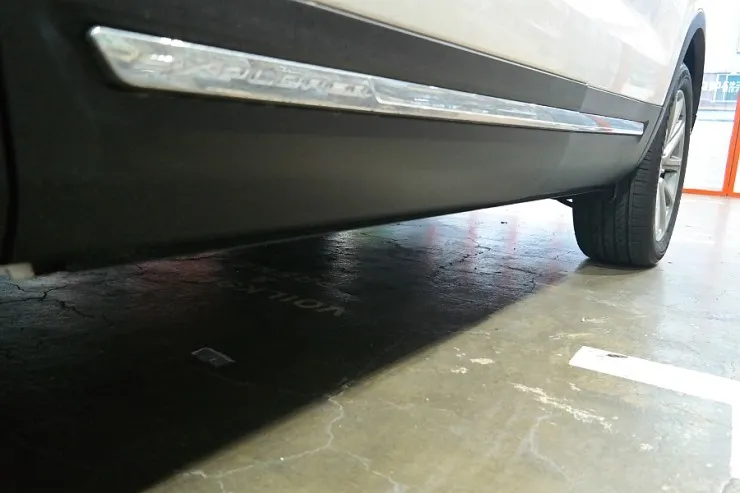
Before & After: The Impact of a Ford Explorer Body Kit
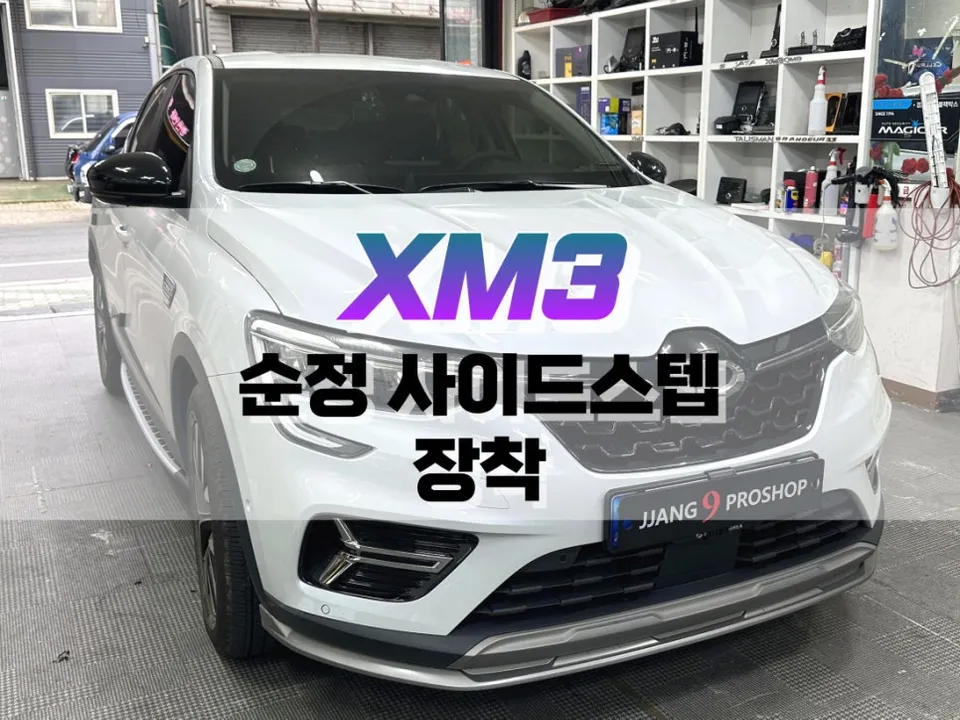
The visual transformation after installing a body kit on a Ford Explorer can be significant. Before installation, the Explorer presents its standard, robust SUV profile. After the body kit is fitted, the vehicle can appear lower, wider, and more aggressive. A front lip can give the impression of a lower stance, while side skirts visually connect the front and rear of the vehicle, creating a more cohesive and sporty look. Rear diffusers can add a performance-oriented aesthetic. Beyond aesthetics, functional components like side steps, as detailed in the Korean context, dramatically improve usability. For families with young children or elderly passengers, the added step makes getting in and out of the high-riding Explorer considerably easier and safer. The durability of a body kit depends heavily on the material quality and the professional installation. High-quality kits, when properly installed, can last for many years with minimal maintenance. Basic care involves regular washing to remove dirt and road salt, which can accelerate wear. For side steps, ensuring bolts remain tight and checking for any signs of corrosion, especially in regions with harsh winters, is recommended. The Korean example mentions using Loctite on bolts to prevent loosening from vibrations, a testament to the importance of secure installation for long-term durability.
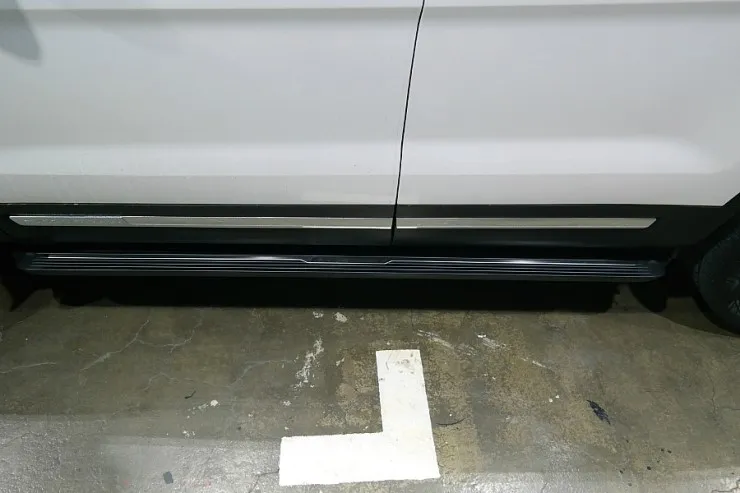
Is a Ford Explorer Body Kit Worth the Investment?
Deciding whether a body kit is worth it for your Ford Explorer depends on your priorities. If you're looking to personalize your SUV and give it a more unique or aggressive appearance, a well-chosen and professionally installed body kit can be a satisfying upgrade. The cost, estimated between $1,150–$1,500 USD for a comprehensive kit (excluding the specific side step example's cost), is a significant factor. For the side steps mentioned in the Korean context, the cost ranged from approximately 800,000 to 1,500,000 KRW (around $600-$1,150 USD), with additional mudguards costing an extra 300,000 to 600,000 KRW ($220-$440 USD). These prices can vary based on the specific parts, brand, and installation complexity. The functional benefits, such as improved ingress and egress with side steps, add practical value beyond just looks. Consider the long-term durability and maintenance requirements. Opting for reputable brands and professional installation will minimize the risk of issues like poor fitment, cracking, or premature wear. Ultimately, if the enhanced aesthetics and potential functional improvements align with your needs and budget, a body kit can be a worthwhile modification for your Ford Explorer.
Frequently Asked Questions
Q. How much does a body kit cost for a Ford Explorer?
A full body kit for a Ford Explorer typically costs between $1,150 and $1,500 USD. Specific components like side steps, as seen in a Korean installation, can range from approximately $600 to $1,150 USD.
Q. How long does body kit installation take on a Ford Explorer?
The durability of a body kit depends on material quality and professional installation, often lasting many years with basic washing. For side steps, regular checks to ensure bolts remain tight are recommended, especially in areas with road salt.
Q. Is a body kit worth it for a Ford Explorer?
A body kit is worth it for a Ford Explorer if you prioritize personalized aesthetics and potentially improved functionality like easier entry with side steps. The value lies in the visual enhancement and practical benefits aligning with your needs and budget.
Q. How is a body kit installed on a Ford Explorer?
Installation typically involves preparing the vehicle's surface, precisely aligning the body kit components (like bumpers, side skirts, or side steps), and securing them using specialized adhesives, fasteners, or existing chassis mounting points. Some kits may require minor adjustments for a perfect fit.
Q. What is the difference between FRP and polyurethane body kits for a Ford Explorer?
Polyurethane kits are generally more flexible and impact-resistant than FRP (Fiber Reinforced Plastic) kits, making them less prone to cracking. For durability and a better fit, polyurethane is often the preferred choice for components like bumpers and side skirts.
Q. What should I know before getting Body Kit on a Ford Explorer? (common regrets and mistakes)
The most common regret is choosing low-quality kits or unprofessional installation, leading to poor fitment and premature damage. Always opt for reputable brands and experienced installers to ensure longevity and a seamless look.
Fox Parts