Ford Mustang PPF Review: Satin Black Color Film Installation
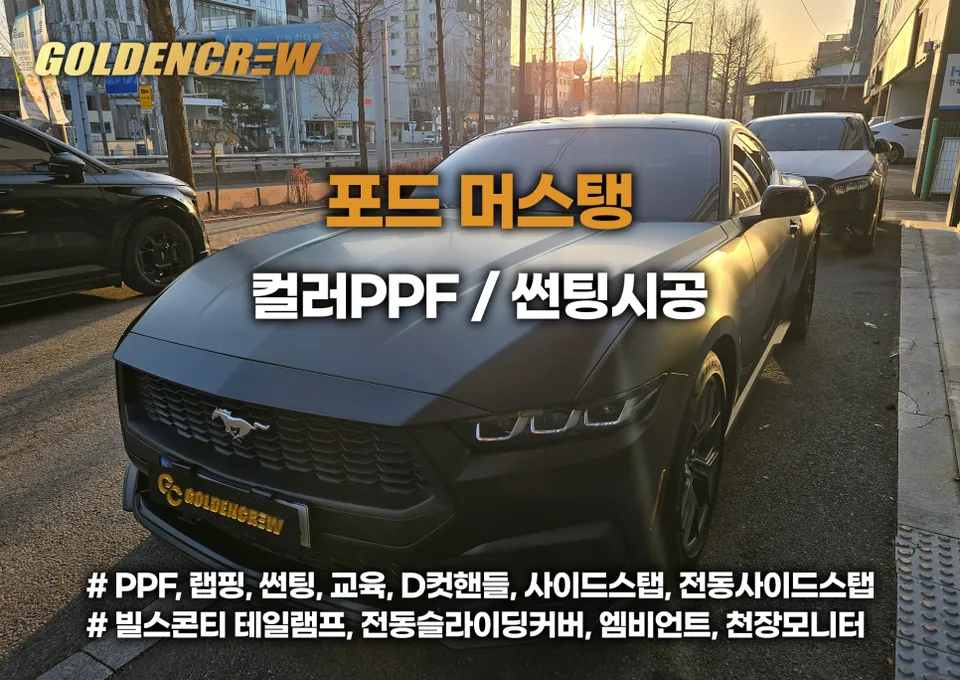
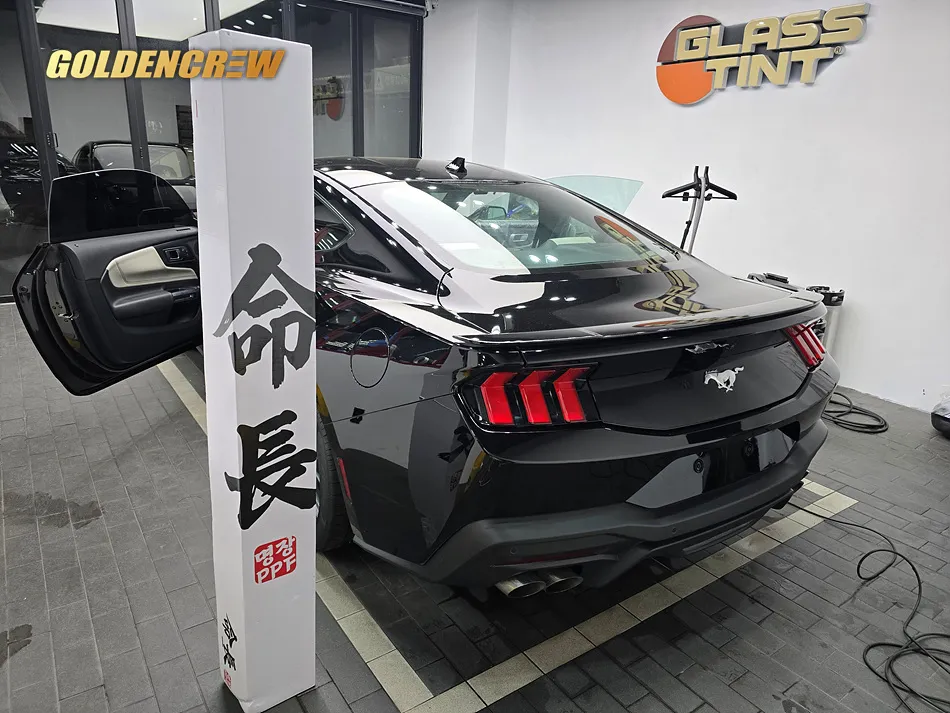
Ford Mustang Satin Black color PPF installation with dry application. Enhances look and protects paint. Price not specified.
Satin Black Color PPF for Your Ford Mustang
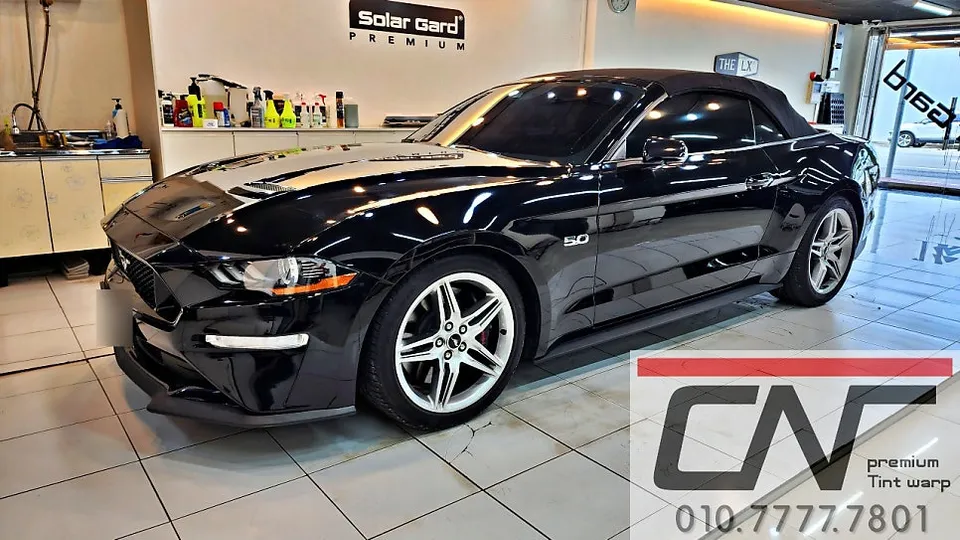
Black is a color that defines a vehicle's presence and overall aesthetic. Applying a Satin Black color Paint Protection Film (PPF) to the already aggressive lines of a Ford Mustang is a premium choice that goes beyond mere appearance, offering robust protection. This particular installation utilized a specialized dry-application method for color PPF, ensuring superior adhesion and a flawless surface finish that truly accentuates the deep, matte texture unique to Satin Black. Coupled with a high-quality window tint, the result is a Mustang with a commanding, dark presence from the outside, while providing a comfortable and secure driving experience within.
The Dry Application Difference: Precision and Durability
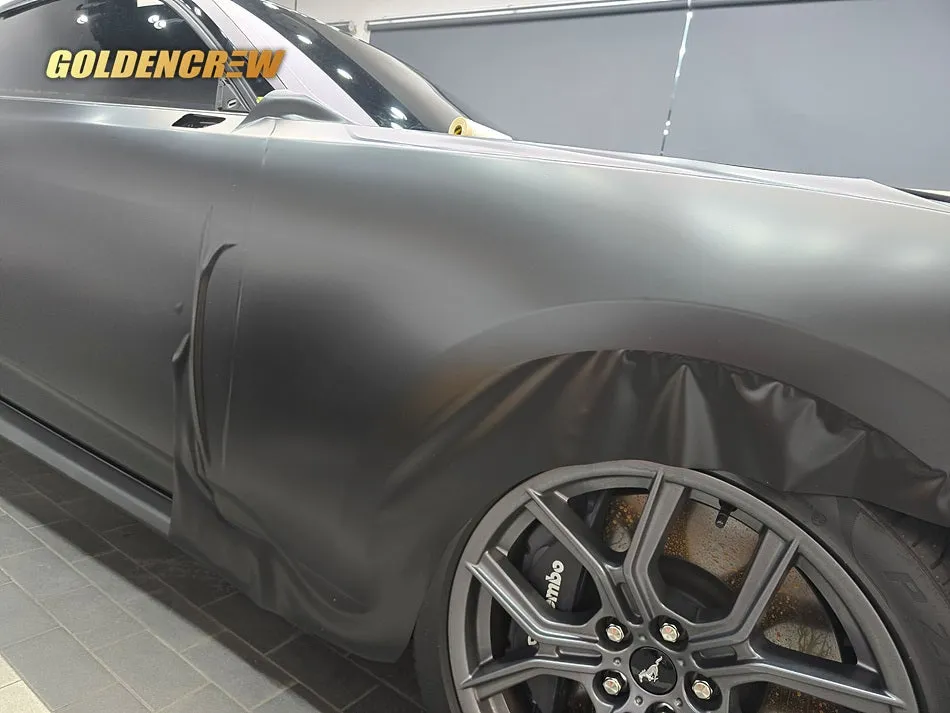
The installation process began with a thorough inspection of the Mustang's paintwork, followed by a meticulous pre-wash and detailing to remove all contaminants and oils. Proper surface preparation is crucial for the longevity and flawless finish of any PPF application. This Satin Black color PPF was applied using a dry method, a technique that demands a higher level of skill and understanding of the film's properties compared to traditional wet application. The installer must precisely control the film's tension, alignment, and adhesion timing without the lubricating effect of water. This requires deep knowledge of the vehicle's contours and curves, ensuring the film lays perfectly without stretching or distorting its matte finish.
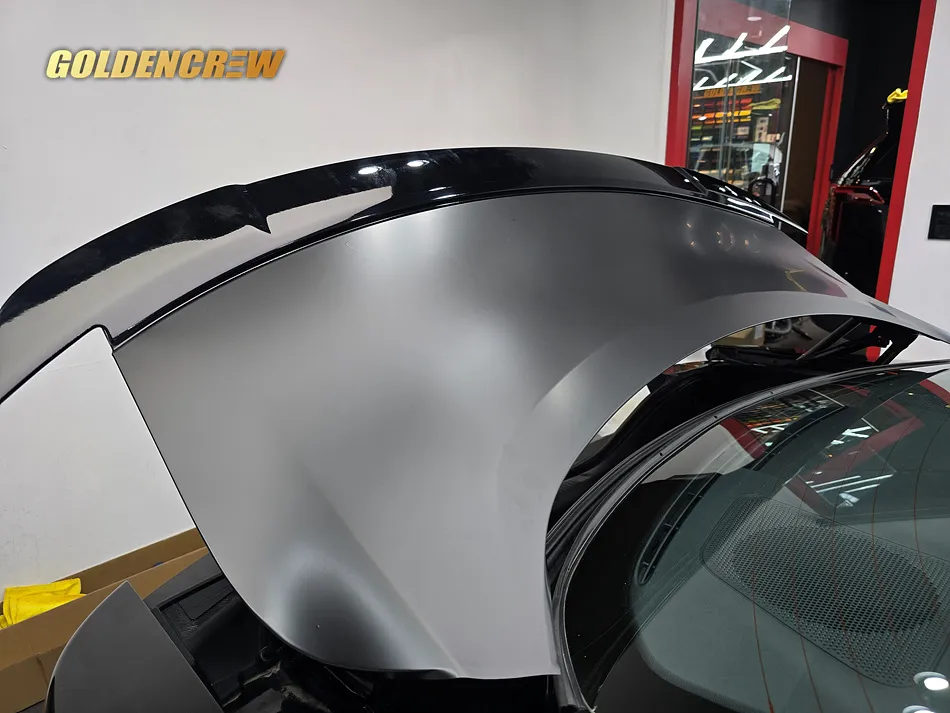
The process involved precisely cutting the film to match each panel of the Mustang, including the hood, fenders, doors, and rear sections. Each piece was carefully applied sequentially, ensuring the Satin Black's uniform matte texture and color consistency were maintained across the entire vehicle. Edges and panel gaps were meticulously wrapped inwards to prevent lifting from impacts or during car washes, ensuring a seamless and durable finish. The connection points between panels were carefully aligned to create a natural flow of the color, enhancing the overall aesthetic integration.
Following the color PPF application, the existing window tint was completely removed. The glass surfaces were cleaned thoroughly before applying new Glasstint Rode film. The chosen tint levels – 35% for the front windshield and 15% for the sides and rear – enhance the car's imposing black aesthetic and privacy from the outside, while ensuring stable visibility for the driver in various lighting conditions. A final inspection confirmed the film's adhesion, edge detailing, and overall finish, ensuring the vehicle's complete aesthetic integrity.
Why Choose Dry Color PPF?
Dry color PPF is more than just a color change; it's a fusion of the design flexibility of vinyl wrapping with the protective capabilities of PPF. This high-level, premium service offers both aesthetic enhancement and paint protection simultaneously. While standard color wraps and wet-applied PPF use water, which can make application easier, they often have limitations in maintaining film tension and achieving a perfectly uniform texture, especially with matte finishes. Water marks, unevenness, or texture distortion can become apparent upon closer inspection.
In contrast, the dry application method allows the installer to directly adhere the film to the paint. This requires the installer to manage the film's tension, stretch, and placement in real-time. Any misjudgment can immediately impact the final result, making extensive experience and a thorough understanding of vehicle body structures essential. The immediate adhesion in the dry method ensures that the uniform matte texture and deep color of Satin Black are preserved without compromise, creating a finish that looks almost factory-applied. Because no water is trapped, issues like water spots, bubbles, or peeling are significantly reduced over time, and the durability at edges and seams is enhanced.
The most significant advantage of dry color PPF is its dual function: it transforms the look of your vehicle while safeguarding the original paint. It protects against stone chips, minor scratches, and UV fading, all while providing a luxurious texture and deep color that surpasses traditional wraps. For owners who prioritize both stunning aesthetics and practical protection, dry color PPF represents the most complete solution.
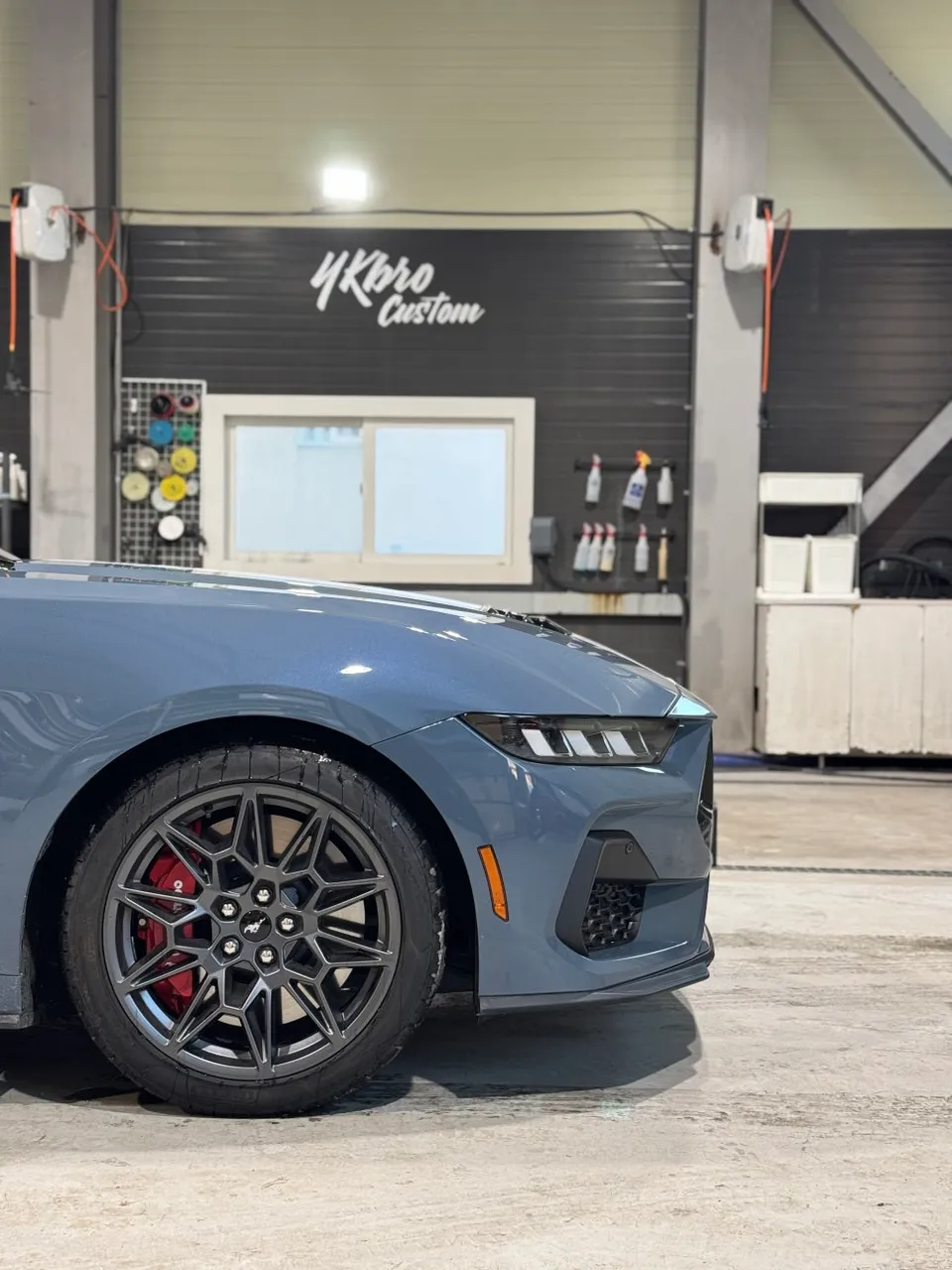
After the Satin Black dry color PPF installation, the Ford Mustang presented a more refined and substantial presence. Unlike glossy black finishes that reflect intensely, the satin finish softly absorbs light, accentuating the car's muscular body lines. The Mustang's hood contours and side profile gained a dynamic, three-dimensional quality that commanded attention. The uniform texture and seamless color across panels, characteristic of a precise dry application, provided a finish that closely resembled the original paintwork, significantly boosting aesthetic satisfaction. The practical benefits were equally noticeable: the PPF's inherent thickness and elasticity greatly reduced concerns about road debris impacts and everyday scratches. Car washing became less stressful, with reduced risk of damaging the paint. The UV protection also helps maintain the deep Satin Black color, preventing fading over time.
The addition of the Glasstint Rode window tint further elevated the car's overall appeal. The 35% front and 15% side/rear tint combination offered strong privacy while ensuring clear visibility from the inside, day or night. This tint complemented the Satin Black PPF perfectly, creating a cohesive and sophisticated look. This project successfully balanced visual impact with protective functionality and long-term satisfaction, transforming the Mustang into a vehicle with enduring appeal.
Choosing where to install dry color PPF is critical. It's not just about the film quality; it's about the installer's expertise. The team's deep understanding of film properties and vehicle structures allows them to meticulously control tension and adhesion for each panel, maximizing the benefits of color PPF, especially for matte finishes where imperfections are easily visible. Their systematic approach ensures every detail, from edges to panel transitions, is executed flawlessly, resulting in a finish that remains pristine and free from lifting or peeling over time. They also integrate window tinting seamlessly, ensuring the entire vehicle's aesthetic and functional harmony. GoldenCrew aims for lasting quality, making their work a repeatable choice for discerning owners.
Frequently Asked Questions
Q. How much does PPF cost for a Ford Mustang?
The Satin Black color PPF and tint installation on this Ford Mustang was performed in Korea; pricing in Korean Won was not specified in the source. Typical PPF installation costs in the US can range from $1,000 to $3,000 or more, depending on the coverage area and film type.
Q. How long does PPF last on a Ford Mustang?
Paint Protection Film is designed for long-term durability, often lasting 5-10 years when properly maintained. Regular washing and avoiding harsh chemicals will help preserve its clarity and adhesion.
Q. Is PPF worth it for a Ford Mustang?
PPF is highly recommended for Ford Mustang owners who want to preserve their car's paint finish from rock chips, scratches, and environmental damage while also potentially enhancing its appearance with color films. It offers a significant return on investment by maintaining the vehicle's resale value and aesthetic condition.
Q. How is PPF installed on a Ford Mustang?
Installation involves meticulous surface preparation, including thorough cleaning and degreasing. 1. The film is precisely cut to fit each panel. 2. Using a dry application technique, the installer carefully applies the film, controlling tension and adhesion for a seamless fit. 3. Edges are wrapped for durability, and the film is inspected for a flawless finish.
Q. What is the difference between PPF and ceramic coating for a Ford Mustang?
PPF provides a physical barrier against impacts and scratches, offering superior protection and self-healing properties, while ceramic coating is a thin, hard layer that adds gloss and hydrophobic properties but offers minimal impact protection. For comprehensive protection against physical damage, PPF is the superior choice.
Q. What should I know before getting Paint Protection Film on a Ford Mustang? (common regrets and mistakes)
A common regret is choosing a less experienced installer, leading to visible seams, poor adhesion, or distorted film texture. To avoid this, research installers thoroughly and opt for those specializing in high-quality, precise application techniques like dry-wrap for color films.
OhCar Partner Shop
More ppf Reviews
See all →


More Ford Reviews

Pair with Another Service
Add hydrophobic protection on top of PPF
Complete your new car protection package