Ford Explorer Ceramic Coating Review — Restored Shine
Service Price
$approx. $1,150–1,500
Estimated price · Actual price may vary by shop
Before
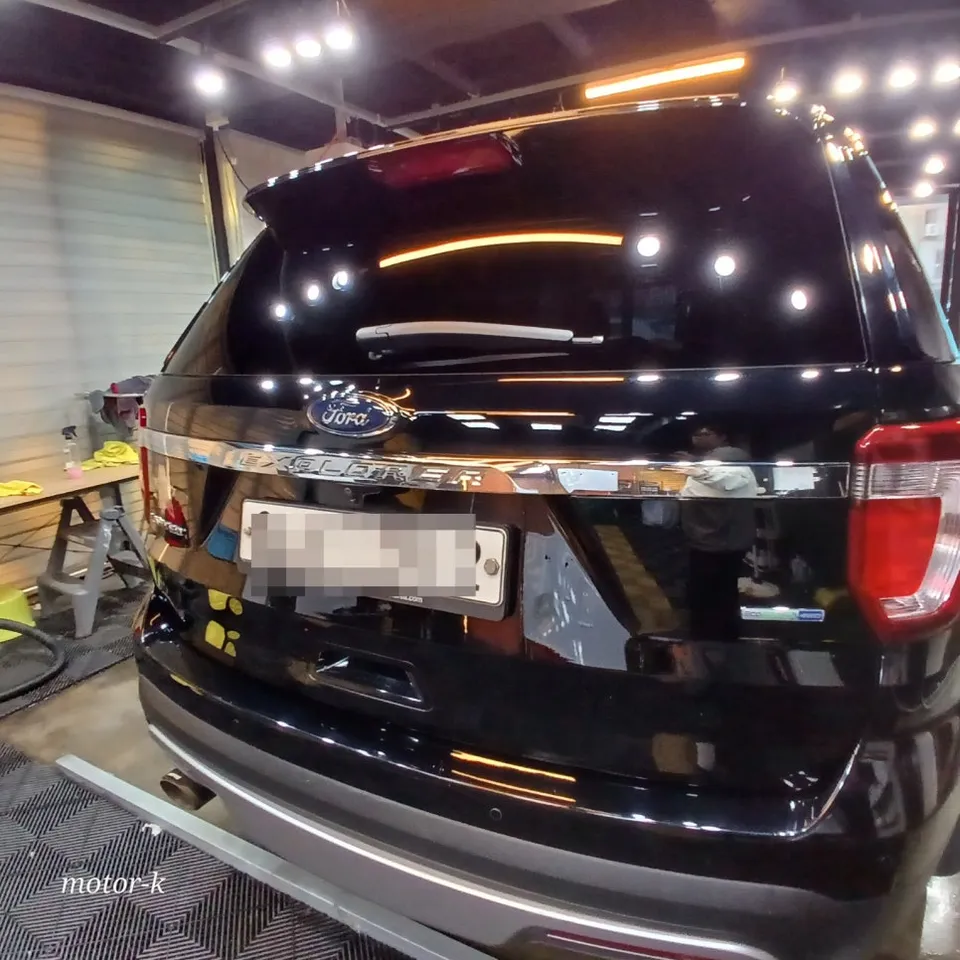
After
Process photos
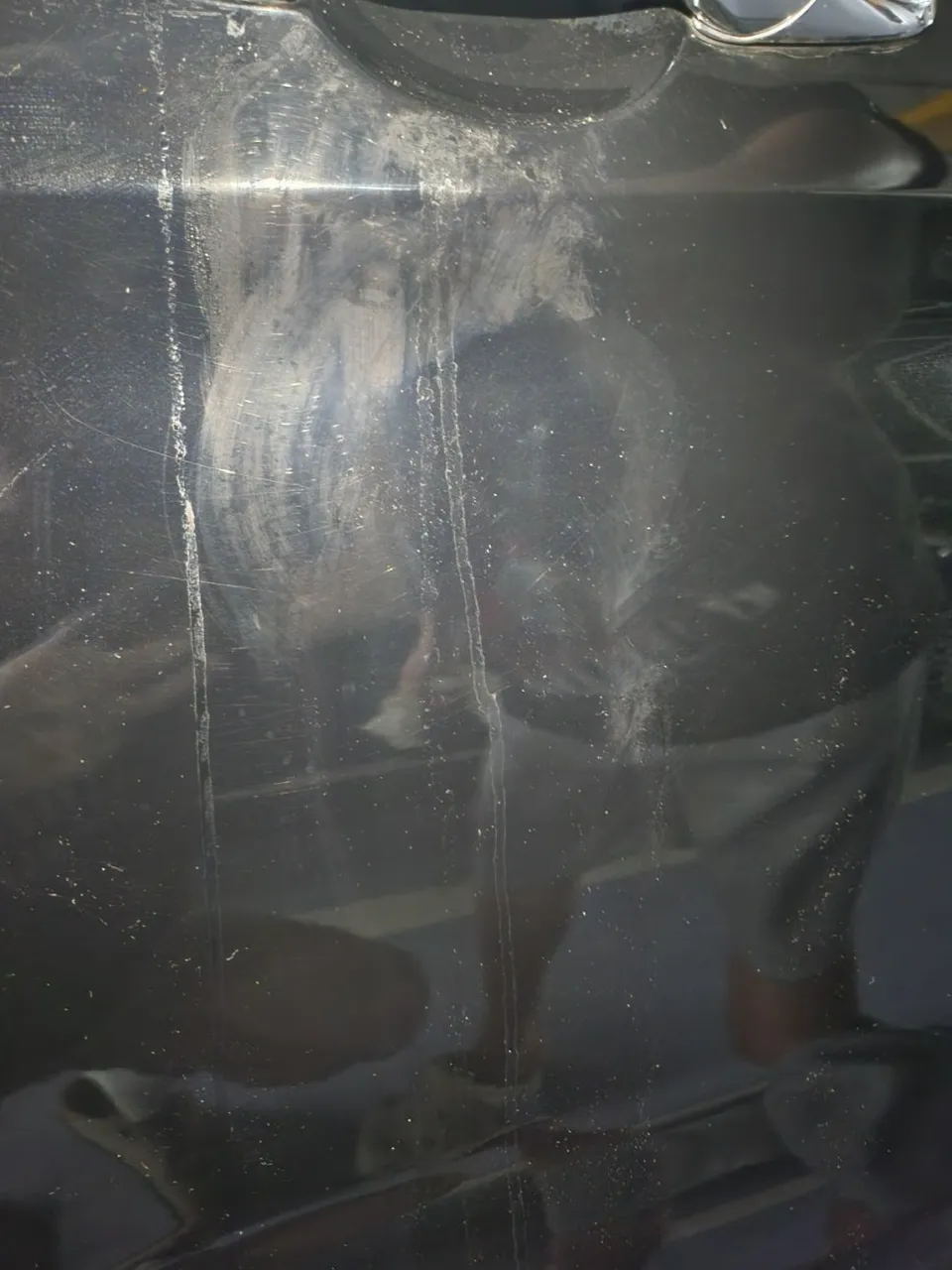
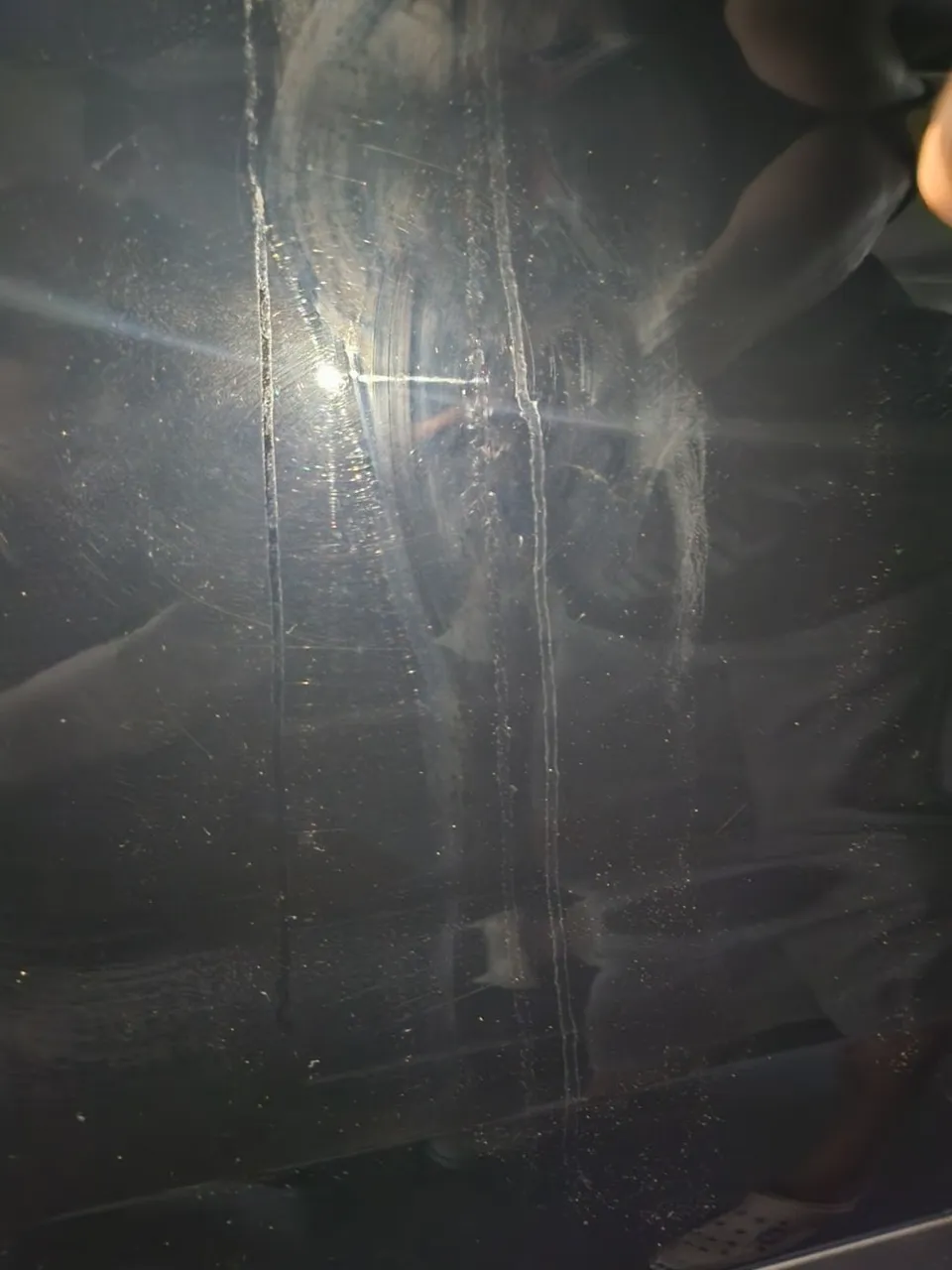
Ford Explorer ceramic coating service in Pyeongtaek: ₩1,000,000. Removes water spots and restores paint gloss for long-lasting protection.
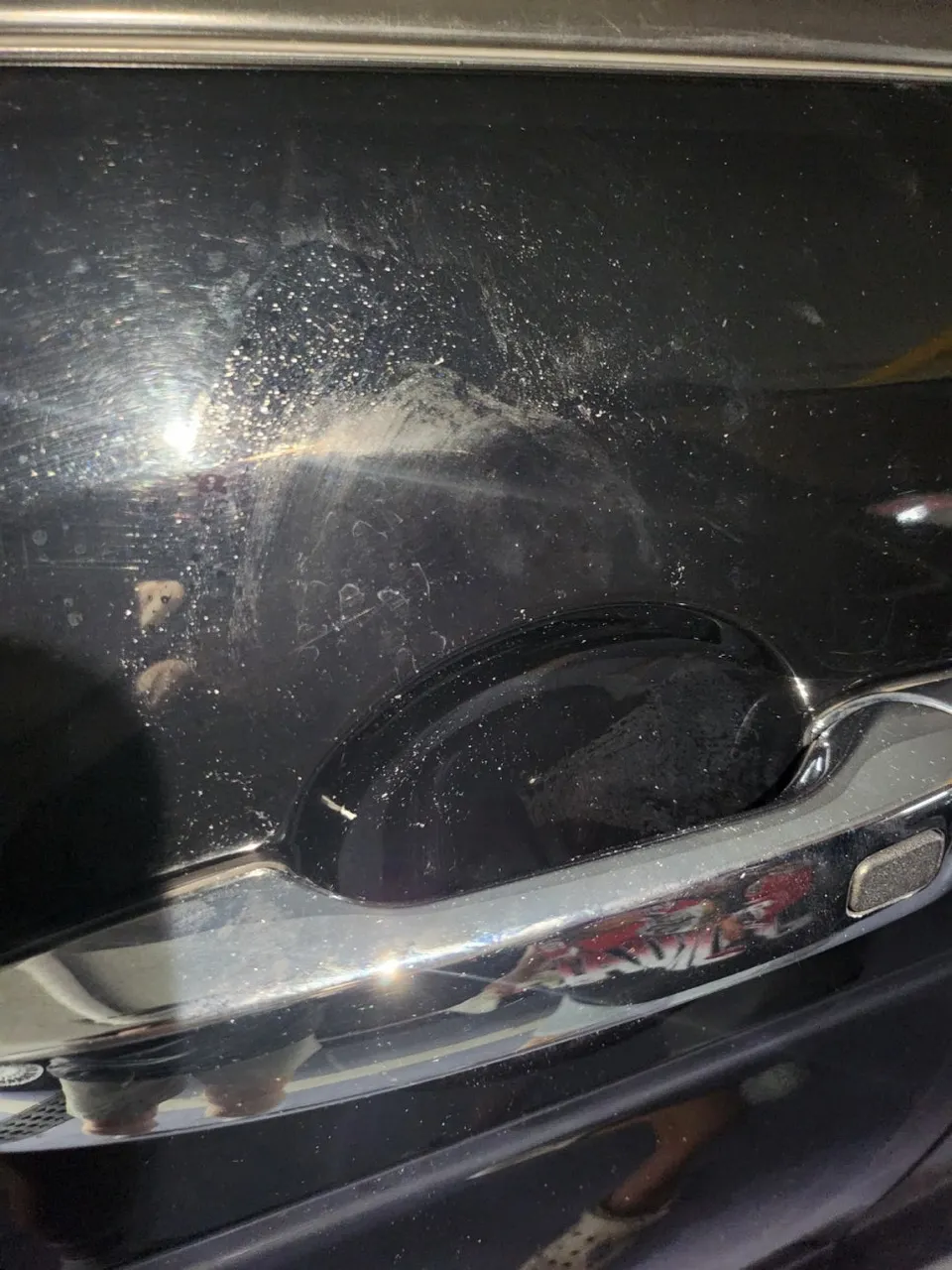
Understanding and Removing Water Spotting on Your Ford Explorer
Water spots, particularly those caused by mineral deposits like limescale, are a growing concern for car owners, especially those parking in underground garages. These deposits can etch into your vehicle's paintwork, and if left untreated, can lead to permanent damage requiring costly repainting. This article details the process of removing severe water spotting from a Ford Explorer and the benefits of applying a ceramic coating for long-term protection.
Expert Ceramic Coating for Your Ford Explorer in Pyeongtaek
Our Pyeongtaek detailing center specializes in addressing severe paint damage, including stubborn water spots. We go beyond simple cleaning, employing a scientific approach that combines meticulous removal with paint correction and a protective ceramic coating. This ensures a deep, lasting shine and shields your vehicle from future environmental contaminants. We focus on transparency and technical expertise, making us a trusted choice for car owners in the Pyeongtaek and Godeok areas.
The Ceramic Coating Process for a Ford Explorer
Addressing severe water spotting on a Ford Explorer requires a systematic approach. The process involves several key stages to ensure a flawless finish and optimal protection.
Installation process:
- Thorough Wash and Masking: The vehicle is meticulously washed to remove loose dirt and debris. Sensitive areas like rubber trim and plastic components are carefully masked with tape to prevent damage during the polishing stages. This preparation phase typically takes 30-40 minutes.
- Specialized Chemical Application: A professional-grade chemical solution designed to dissolve mineral deposits is applied to the affected areas. This allows the embedded minerals to break down. The paint may appear dull (loss of gloss) at this stage, which is a normal part of the chemical reaction. After a 15-20 minute dwell time, the vehicle is rinsed thoroughly.
- Paint Correction (Polishing): To achieve a uniform finish and eliminate the 'patchy' look that can result from spot-treating, the entire panel (e.g., a whole door or the entire hood) is polished. This step is crucial for restoring the paint's original gloss and depth. For this Ford Explorer, which also had swirl marks and age-related imperfections, a multi-stage polishing process was used. This involved starting with a coarser compound to remove deeper scratches and swirl marks, followed by finer compounds to refine the finish and maximize gloss.
- Ceramic Coating Application: Once the paint is perfectly corrected and decontaminated, a high-quality ceramic coating (also known as nano coating or glass coating) is applied. This forms a hard, protective layer over the paintwork, offering superior resistance to chemicals, UV rays, and minor scratches.
- Curing: The ceramic coating is allowed to cure, forming a durable, hydrophobic barrier that enhances the vehicle's appearance and makes future cleaning significantly easier.
The result is a Ford Explorer with a deep, consistent shine, protected against future water spotting and environmental damage. The hydrophobic properties of the ceramic coating also mean water beads up and rolls off, taking dirt with it, keeping the vehicle cleaner for longer.
Frequently Asked Questions
Q. How much does ceramic coating cost for a Ford Explorer?
The ceramic coating service for this Ford Explorer was priced at ₩1,000,000 (approximately $750 USD). Typical professional ceramic coating costs in the US can range from $800 to $2,500 depending on the vehicle size and coating quality.
Q. How long does ceramic coating last on a Ford Explorer?
A professionally applied ceramic coating can last for several years, often 3-5 years or more, with proper maintenance. To maximize its lifespan, regularly wash your vehicle using pH-neutral soaps and avoid abrasive cleaning methods.
Q. Is ceramic coating better than wax for a Ford Explorer?
Ceramic coating offers significantly longer-lasting protection and superior durability compared to traditional car wax. It's ideal for owners seeking a robust, low-maintenance shield against environmental contaminants and minor scratches.
Q. How is ceramic coating applied to a Ford Explorer?
1. The vehicle undergoes a thorough wash and meticulous paint decontamination. 2. Surface imperfections like swirl marks are corrected through multi-stage polishing. 3. The ceramic coating solution is carefully applied panel by panel. 4. The coating is buffed off and allowed to cure, forming a hard protective layer.
Q. What is the difference between ceramic coating and PPF for a Ford Explorer?
Ceramic coating provides chemical resistance and hydrophobic properties, enhancing gloss and making cleaning easier, while Paint Protection Film (PPF) is a thicker urethane film primarily designed to protect against physical impact like rock chips and scratches. For comprehensive protection, a combination of both is often recommended.
OhCar Partner Shop
More ceramic coating Reviews
See all →


More Ford Reviews



Pair with Another Service
Add physical chip protection before coating
Polish before coating for best results