Genesis G80 DH Factory Option Retrofit Review
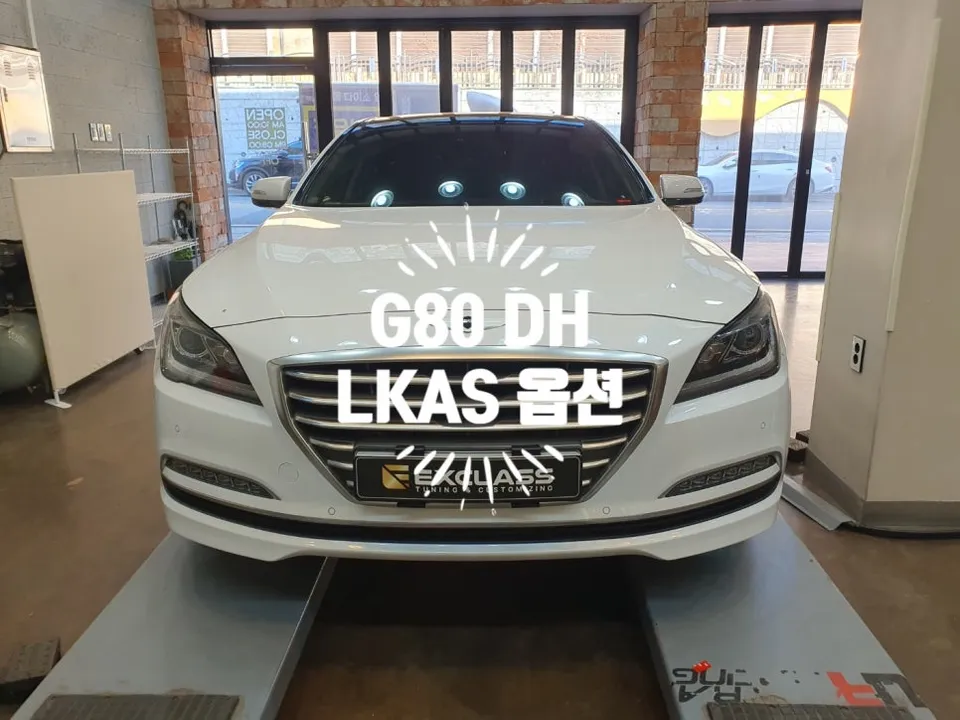
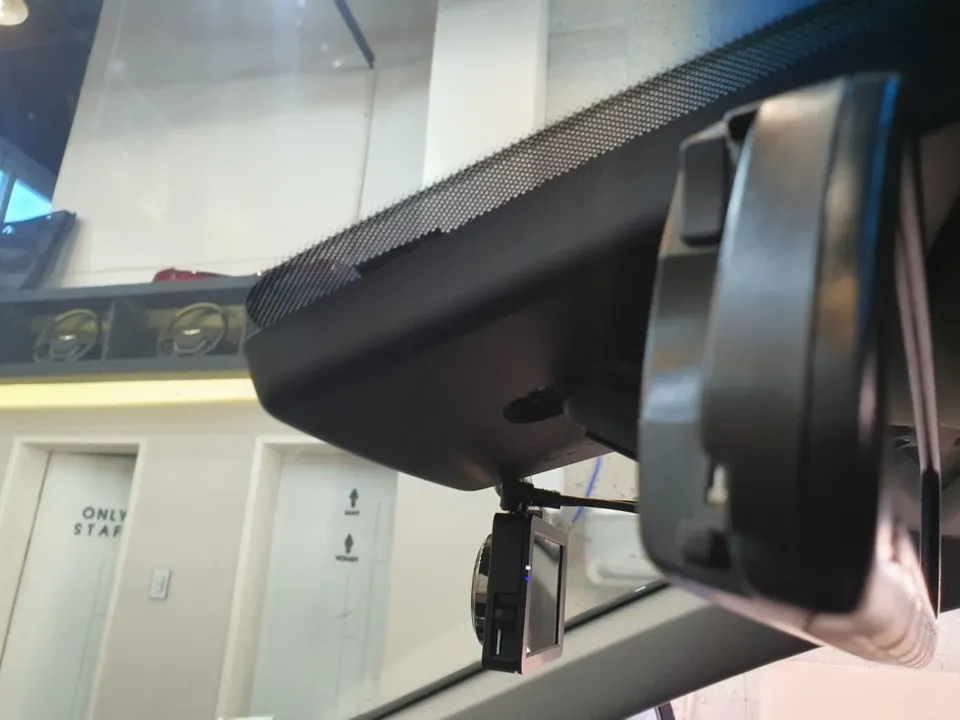
Genesis G80 DH LKAS retrofit: Cost varies, installation involves camera/switch replacement, coding & calibration. Enhances safety.
Genesis G80 DH LKAS Factory Option Retrofit
The Genesis G80 DH offers advanced driver-assistance systems (ADAS) that can significantly enhance safety and reduce fatigue. One such system is the Lane Keeping Assist System (LKAS), which goes beyond simple warnings to actively assist with steering. This review details the process of retrofitting the genuine OEM LKAS option onto a Genesis G80 DH that didn't originally come equipped with it, focusing on the installation, results, and overall value.
The original Korean context highlights that the Lane Departure Warning System (LDWS) is a basic alert, while LKAS provides active steering support. This upgrade is particularly beneficial for reducing driver fatigue on long journeys and improving overall driving stability. The process involves adding genuine factory parts to achieve this enhanced functionality.
Installation Process:
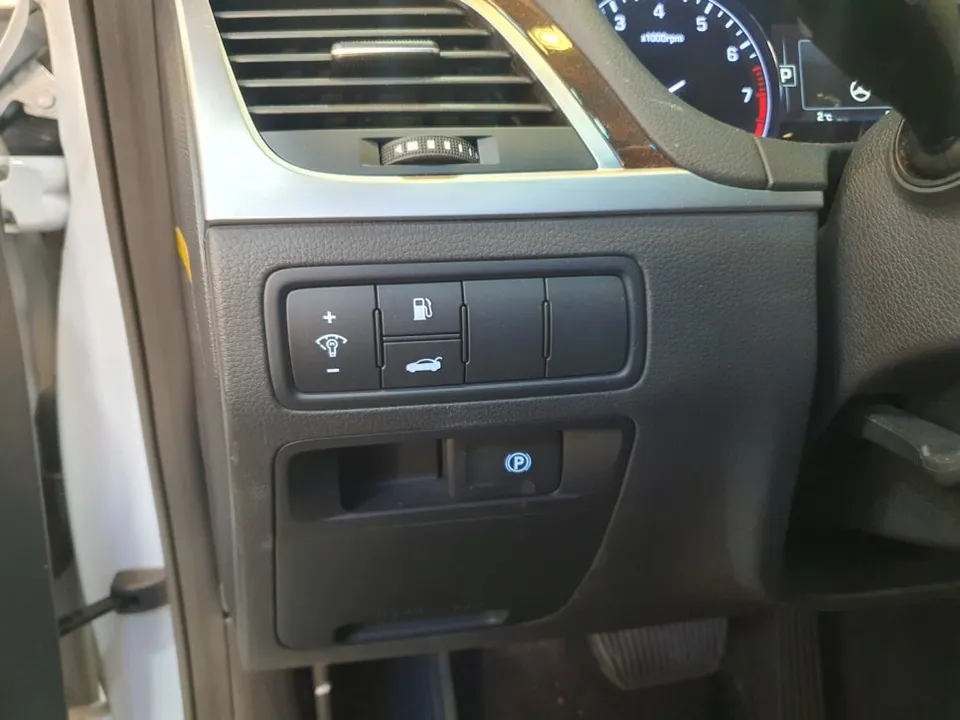
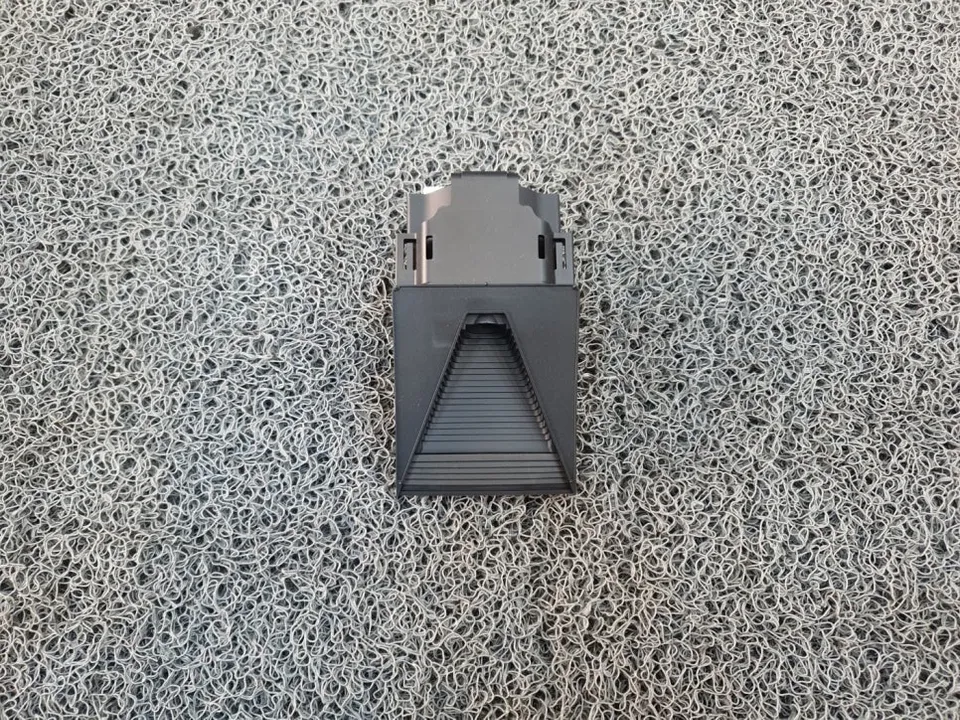
- Component Preparation: Gather the necessary genuine OEM parts, including the improved LKAS camera unit and a new driver's side crash pad switch panel with the LKAS button. In this specific case, the windshield was not replaced to manage costs.
- Physical Installation: Mount the front camera in its designated position on the windshield. Replace the existing driver's side switch panel with the new one containing the LKAS control button.
- Wiring and Integration: Meticulously connect the new components according to the factory wiring diagrams, ensuring all connections are secure and properly routed.
- Coding and Calibration: After installation, the system requires coding and calibration using specialized diagnostic tools. This step is crucial for activating the LKAS functions and clearing any dashboard warning lights that may appear due to the new components. Precise calibration ensures the camera accurately detects lane markings.
- Testing and Verification: Conduct a test drive at speeds above 60 km/h (approx. 37 mph) to confirm the LKAS system is functioning correctly. Verify that the steering assist icon appears on the instrument cluster and that lane departure warning, lane keeping assist, and active steering assist features are operational. Check the head-up display (HUD) for the lane graphic confirmation.
Before and After Results
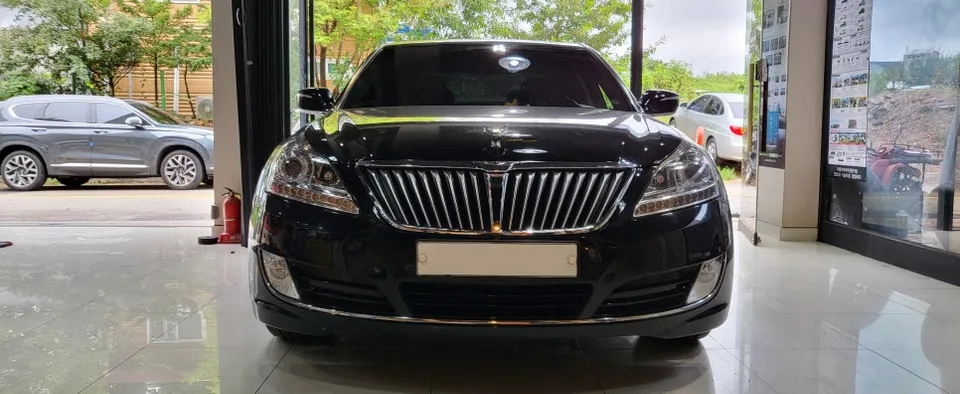
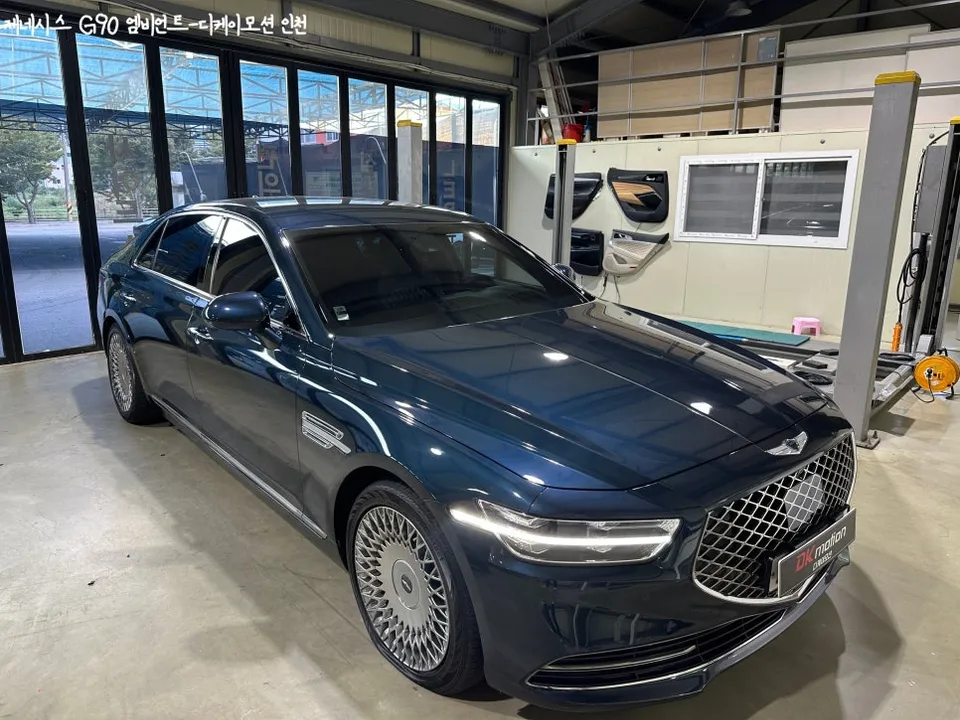
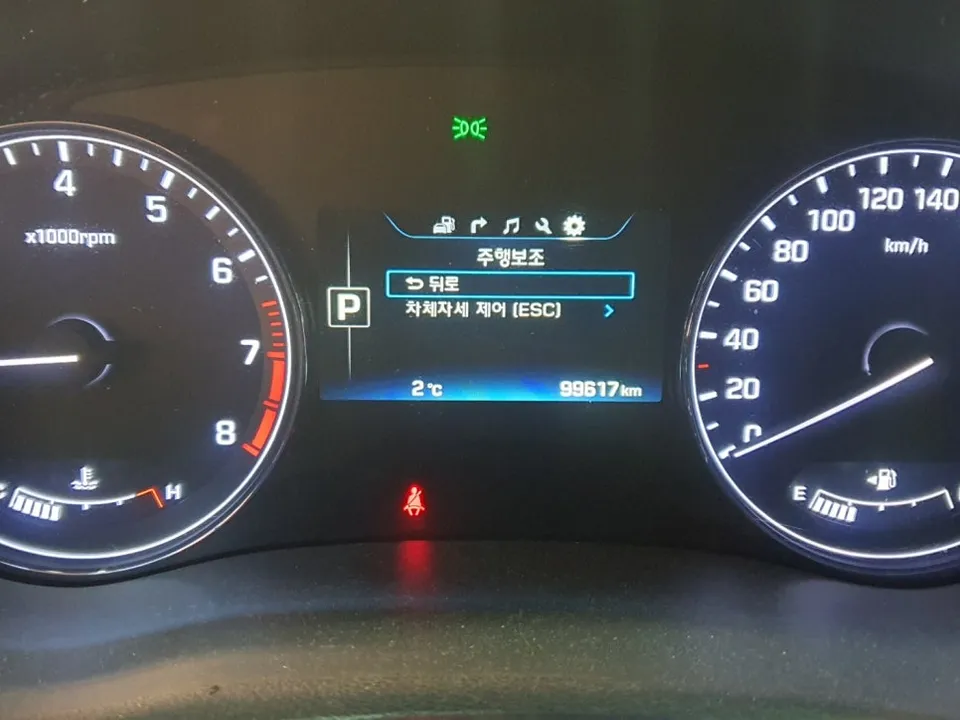
Before the retrofit, the Genesis G80 DH in question was a 'Modern' specification model, lacking the LKAS camera on the windshield and the corresponding button on the driver's side switch panel. The instrument cluster's driving assistance menu only showed the ESC (Electronic Stability Control) system. After the installation and calibration, the vehicle gains the 'Driving Steering Assist System' functionality. This is visually confirmed by the appearance of a lane graphic on the HUD and the addition of the 'Driving Steering Assist System' option in the instrument cluster settings. The system actively helps keep the vehicle within its lane, providing a noticeable improvement in driving comfort and safety, especially on highways. The original context emphasizes that proper coding and calibration are critical; without them, the system may not function optimally or could display errors, underscoring the importance of professional installation by specialists.
Durability and Maintenance
As this retrofit uses genuine OEM parts, the durability and integration are expected to be on par with factory-installed systems. The primary components, such as the camera and control modules, are designed for the vehicle's lifespan. Maintenance primarily involves keeping the front camera's view unobstructed by dirt, snow, or debris. Regular cleaning of the windshield area around the camera is recommended. The system's longevity is also dependent on the quality of the installation, particularly the wiring and coding. The Korean source stresses that incorrect coding can lead to system errors, so ensuring the initial setup is performed by experienced technicians is key to long-term reliability.
Frequently Asked Questions
Q. How much does OEM option and factory upgrade installation cost for a Genesis G80 DH?
The cost for this OEM option retrofit on a Genesis G80 DH in Korea was managed by not replacing the windshield, with pricing available upon inquiry. Actual US installation costs can vary significantly based on parts and labor rates.
Q. How long does OEM options installation take on a Genesis G80 DH?
The durability of OEM options like LKAS is designed to match the vehicle's lifespan, requiring minimal maintenance beyond keeping the camera sensor clean. Proper installation and coding are key to long-term reliability.
Q. Are OEM options worth adding after purchase for a Genesis G80 DH?
This OEM upgrade is highly beneficial for drivers who frequently use highways and seek enhanced safety and reduced fatigue. The value lies in adding advanced driver-assistance features that improve the driving experience.
Q. How are OEM factory options installed on a Genesis G80 DH?
Installation involves mounting the new LKAS camera, replacing the driver's switch panel with one including the LKAS button, and performing precise wiring. This is followed by essential diagnostic coding and camera calibration to activate the system.
Q. What is the difference between dealer-installed options and aftermarket upgrades for a Genesis G80 DH?
OEM factory options use genuine manufacturer parts and are designed for seamless integration, ensuring optimal performance and reliability. Aftermarket upgrades may offer more customization but can sometimes lead to compatibility issues or void warranties.
OhCar Partner Shop