Volkswagen Golf OEM Options Installation Cost & Review
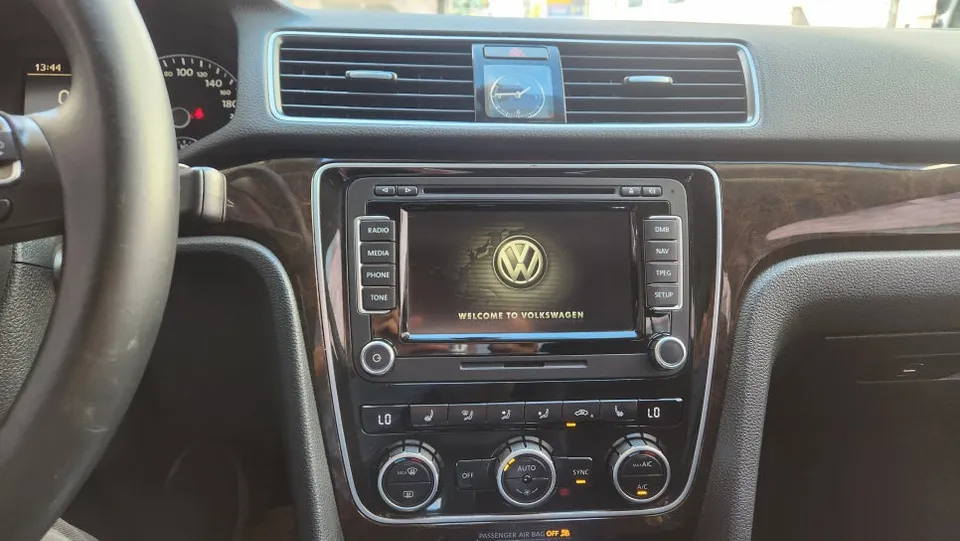
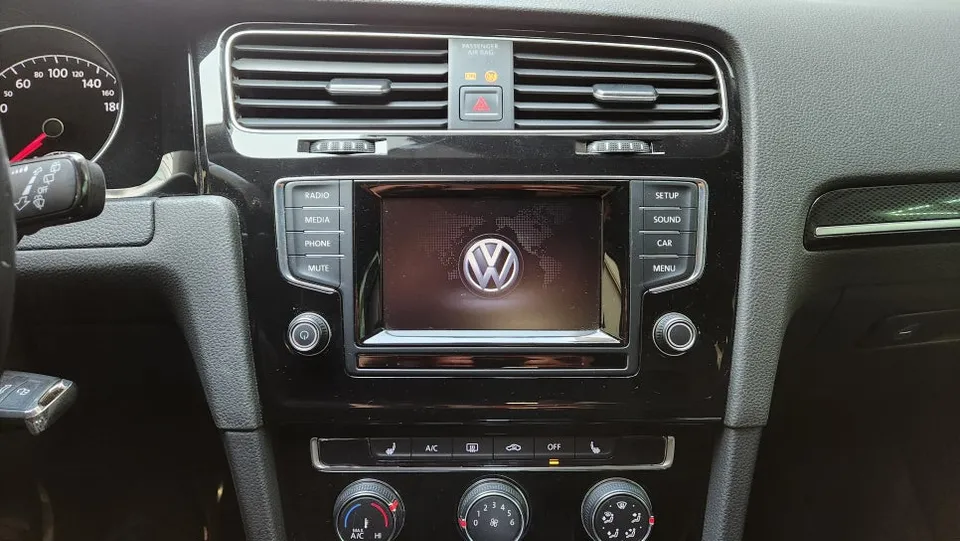
Before

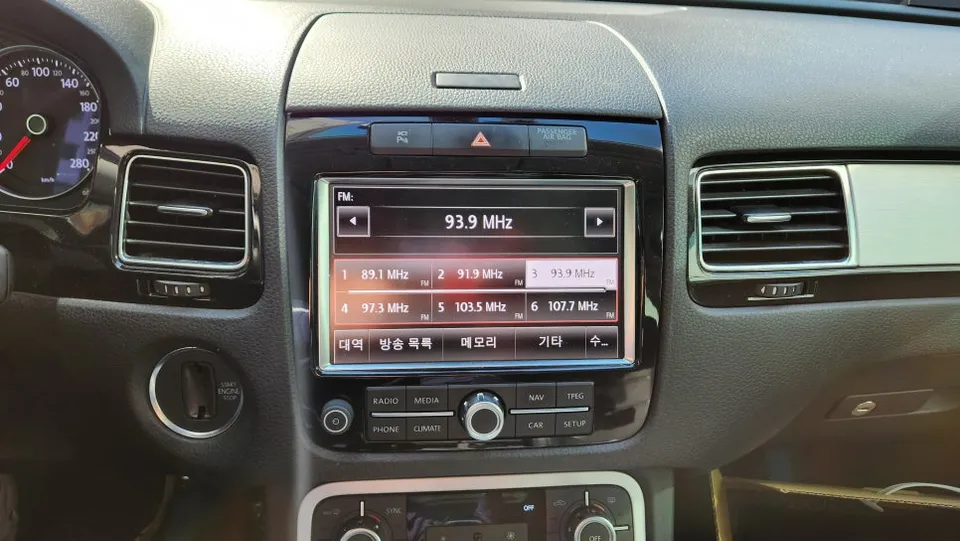
After
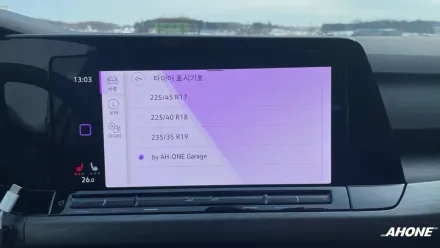
Process photos
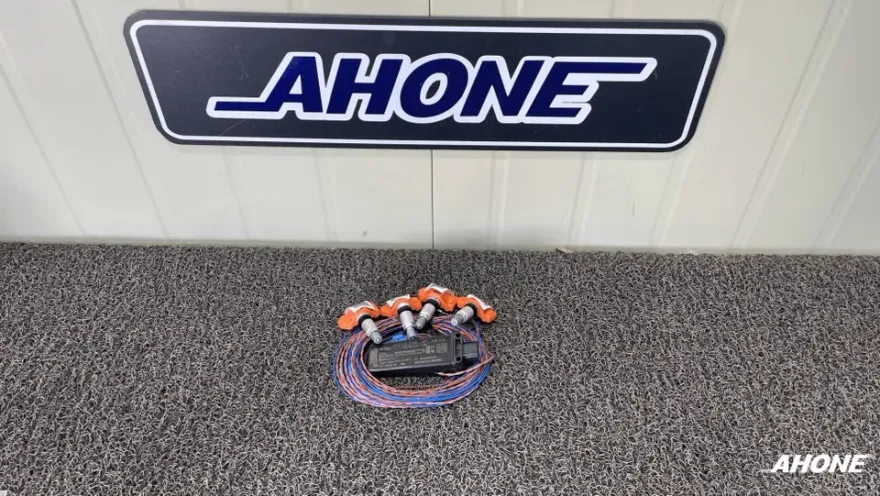
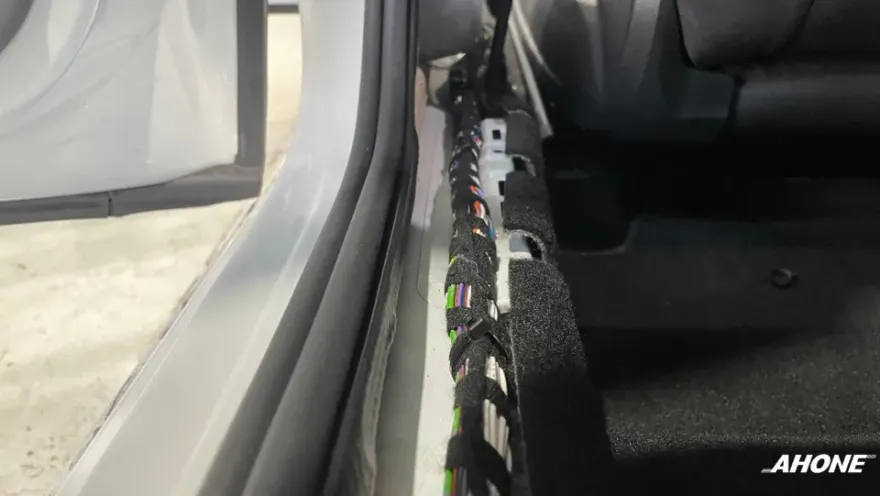
Volkswagen Golf OEM TPMS retrofit: Approx. ₩300,000-₩500,000. Enhances safety with real-time tire pressure monitoring.
Enhance Your Volkswagen Golf with Factory Options
Many Volkswagen Golf owners look for ways to enhance their driving experience, and considering OEM options after purchase is a popular route. These are genuine factory-specified upgrades that can add functionality, safety, and convenience to your vehicle. Unlike aftermarket parts, OEM options ensure perfect integration with your Golf's existing systems, maintaining the manufacturer's quality standards. This review delves into the specifics of retrofitting factory options, focusing on the Tire Pressure Monitoring System (TPMS) as a prime example, covering installation, results, and overall value.
Why Consider OEM Options for Your Golf?
The Volkswagen Golf, known for its blend of performance and practicality, can benefit significantly from carefully chosen OEM options. One crucial safety feature is the Tire Pressure Monitoring System (TPMS). Maintaining optimal tire pressure is vital for safety and efficiency. Underinflated or overinflated tires can lead to uneven wear, reduced fuel economy, compromised braking performance, and in extreme cases, tire blowouts, especially during high-speed or long-distance driving. A factory-installed or retrofitted OEM TPMS provides real-time monitoring of each tire's pressure, alerting the driver to potential issues before they become dangerous. This system acts as an essential safety device, going beyond mere convenience to actively prevent accidents. The integration of TPMS ensures that your Golf's safety systems are always operating at their best, providing peace of mind on every journey.
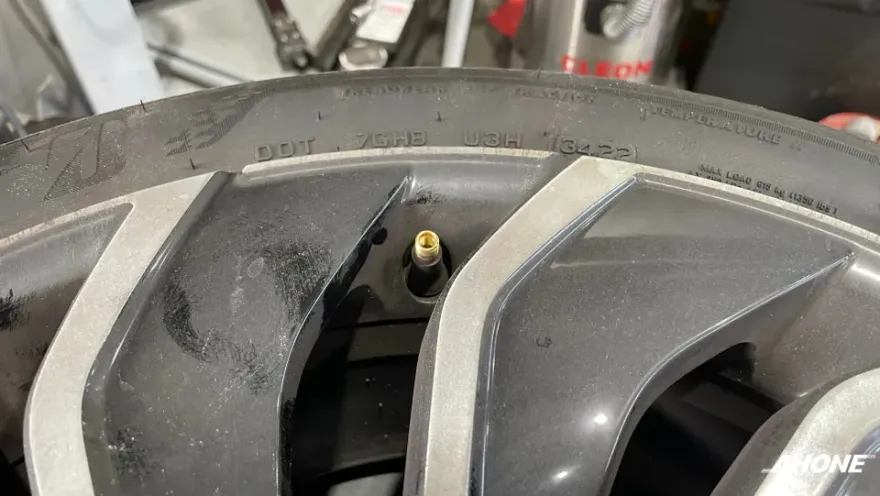
OEM TPMS Installation Process for the Volkswagen Golf
Retrofitting the OEM TPMS onto a Volkswagen Golf involves a precise installation process to ensure seamless integration and accurate readings. The procedure typically requires specialized knowledge and tools, often best handled by experienced technicians. Here’s a general overview of how it works:
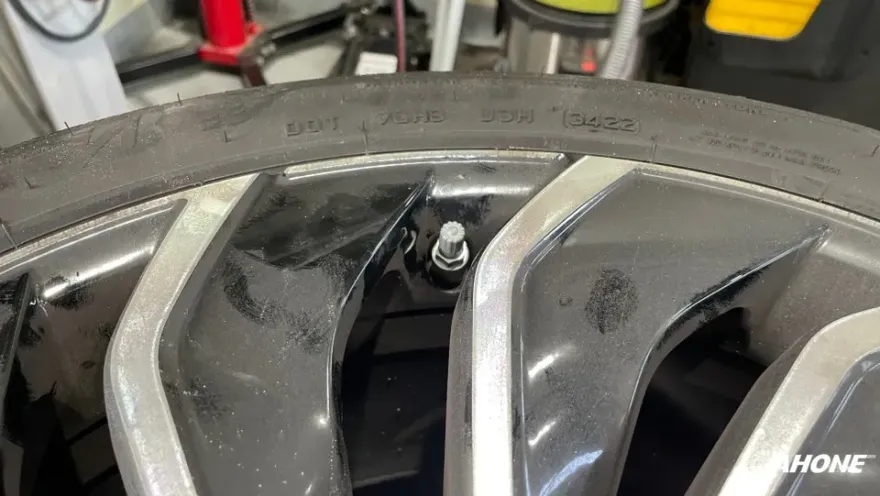
- Sensor Installation: The existing tire valve stems are removed, and dedicated TPMS sensors are installed in their place. These sensors are designed to accurately measure the air pressure within each tire.
- Receiver Unit Installation: A receiver unit is carefully installed within the vehicle, usually in a location that allows for optimal signal reception from the tire sensors. Wiring is managed neatly and securely to minimize exposure.
- System Activation (Coding): Once the hardware is in place, the vehicle's onboard computer system (MIB) is coded. This crucial step activates the TPMS functionality, enabling the display of tire pressure information on the instrument cluster or navigation screen. This often unlocks new menu options, such as tire size selection, which were not previously available.
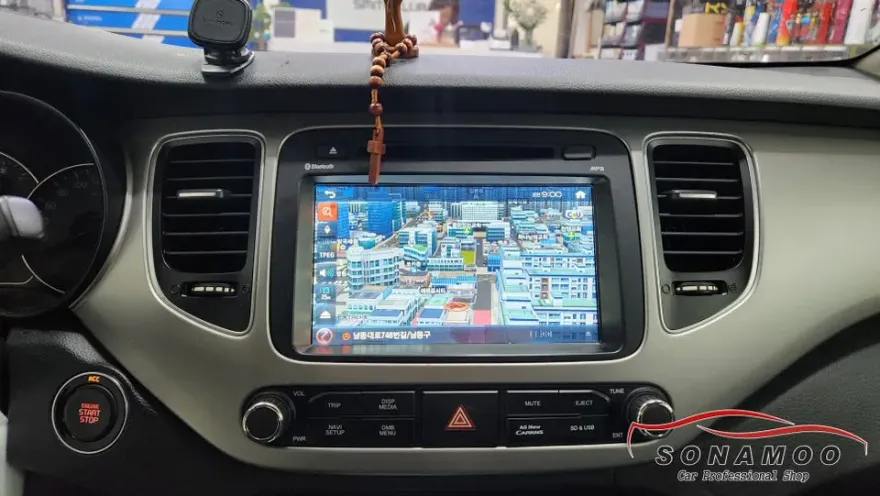
After installation and coding, the driver can monitor the real-time air pressure for each tire directly from the car's display. This immediate feedback loop allows for proactive maintenance, ensuring tires are always at the correct pressure. The system provides a clear visual representation of each tire's status, making pre-drive checks more efficient and reliable. This upgrade significantly enhances the car's safety features and the driver's awareness of the vehicle's condition.
Frequently Asked Questions
Q. How much does OEM option and factory upgrade installation cost for a Volkswagen Golf?
The cost for OEM TPMS installation on a Volkswagen Golf typically ranges from ₩300,000 to ₩500,000 (approximately $220-$370 USD), depending on the specific components and labor rates at the installation facility.
Q. How long does OEM options installation take on a Volkswagen Golf?
OEM TPMS installation on a Volkswagen Golf usually takes between 1 to 2 hours to complete. Proper maintenance involves periodically checking the system's alerts and ensuring tire pressures are adjusted accordingly.
Q. Are OEM options worth adding after purchase for a Volkswagen Golf?
OEM options like TPMS are highly recommended for drivers prioritizing safety and convenience. They offer seamless integration and reliable performance, contributing significantly to safer driving.
Q. How are OEM factory options installed on a Volkswagen Golf?
OEM factory options are installed by first fitting the necessary hardware components, such as TPMS sensors into the tires. Then, a receiver unit is integrated into the vehicle, followed by coding the car's MIB system to activate the new feature and display information.
Q. What is the difference between dealer-installed options and aftermarket upgrades for a Volkswagen Golf?
OEM options are genuine factory parts designed for perfect integration, while aftermarket upgrades are made by third-party manufacturers. For features like TPMS, OEM options generally offer superior reliability and compatibility with your Golf's existing systems.
Q. What should I know before getting OEM Options on a Volkswagen Golf? (common regrets and mistakes)
A common regret is not fully understanding the cost implications, as OEM retrofits can be more expensive than aftermarket alternatives. Always get a detailed quote and confirm the warranty coverage for both parts and labor before proceeding.
OhCar Partner Shop