Genesis G90 Paint Protection Film Review: Cost & Results
Service Price
$40–80
Estimated price · Actual price may vary by shop

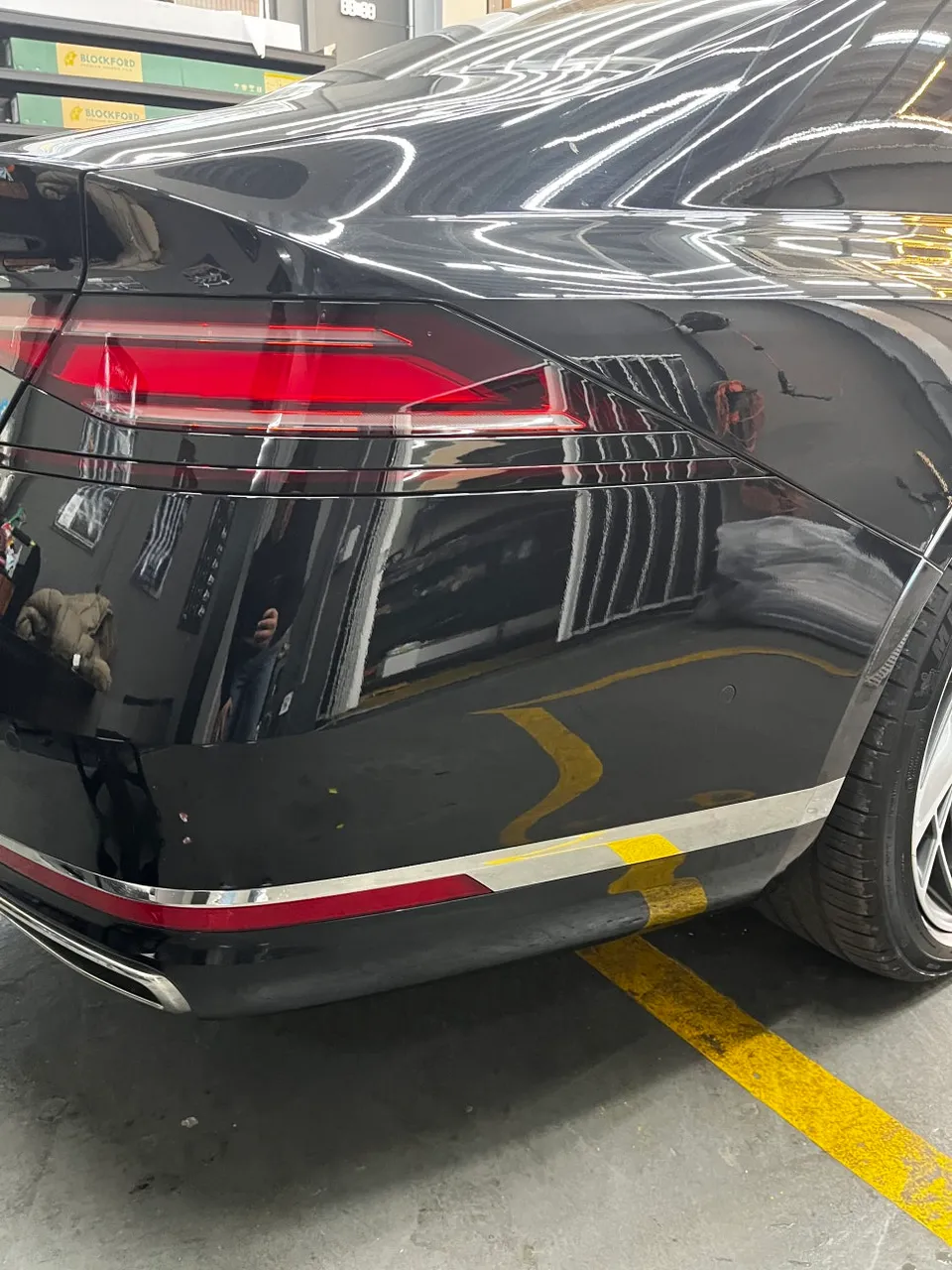
Genesis G90 PPF installation: Protects against rock chips and scratches. Cost varies by coverage.
Protecting Your Genesis G90 with Paint Protection Film
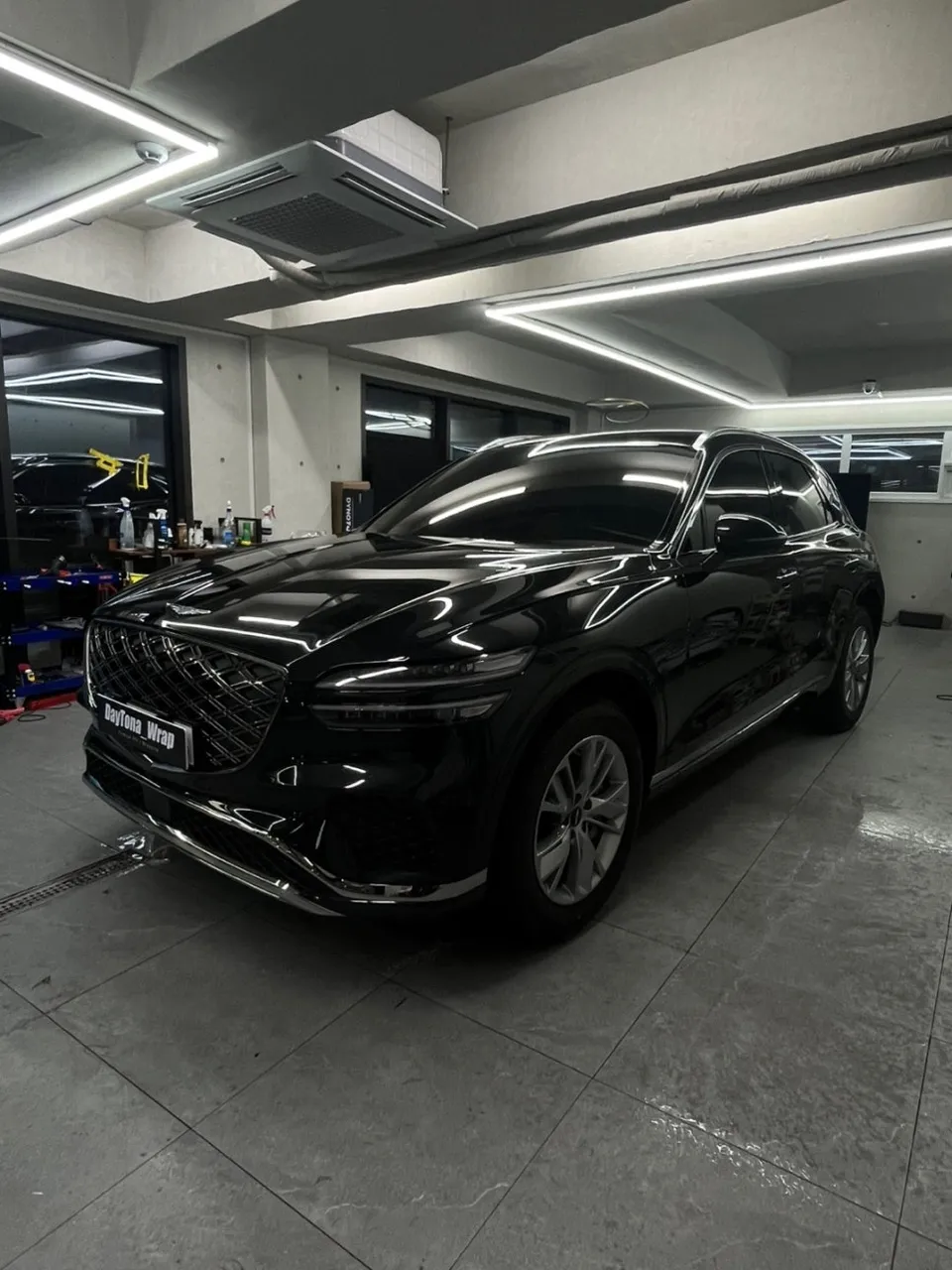
The Genesis G90 represents a pinnacle of automotive luxury, and keeping its pristine paintwork flawless is a top priority for owners. Paint Protection Film (PPF), often referred to as a clear bra, has become an essential service for safeguarding your vehicle's exterior against the daily onslaught of road debris, minor impacts, and environmental contaminants. This review delves into the specifics of PPF application on a Genesis G90, focusing on real-world results, installation nuances, and whether the investment is truly worthwhile.
PPF is a transparent, thermoplastic urethane film applied to painted surfaces of a new or used vehicle. Its primary function is to shield the car's paint from damage caused by stone chips, scratches, scuffs, and even minor collisions. In Korea, where this particular G90 received its treatment, PPF is increasingly seen not just as an option but as a necessity, with some manufacturers even offering it as a factory option. This film acts as a sacrificial layer, absorbing the impact of road hazards and preventing them from reaching the original paintwork, thereby preserving the vehicle's aesthetic appeal and resale value.
Restoring Original PPF After an Accident
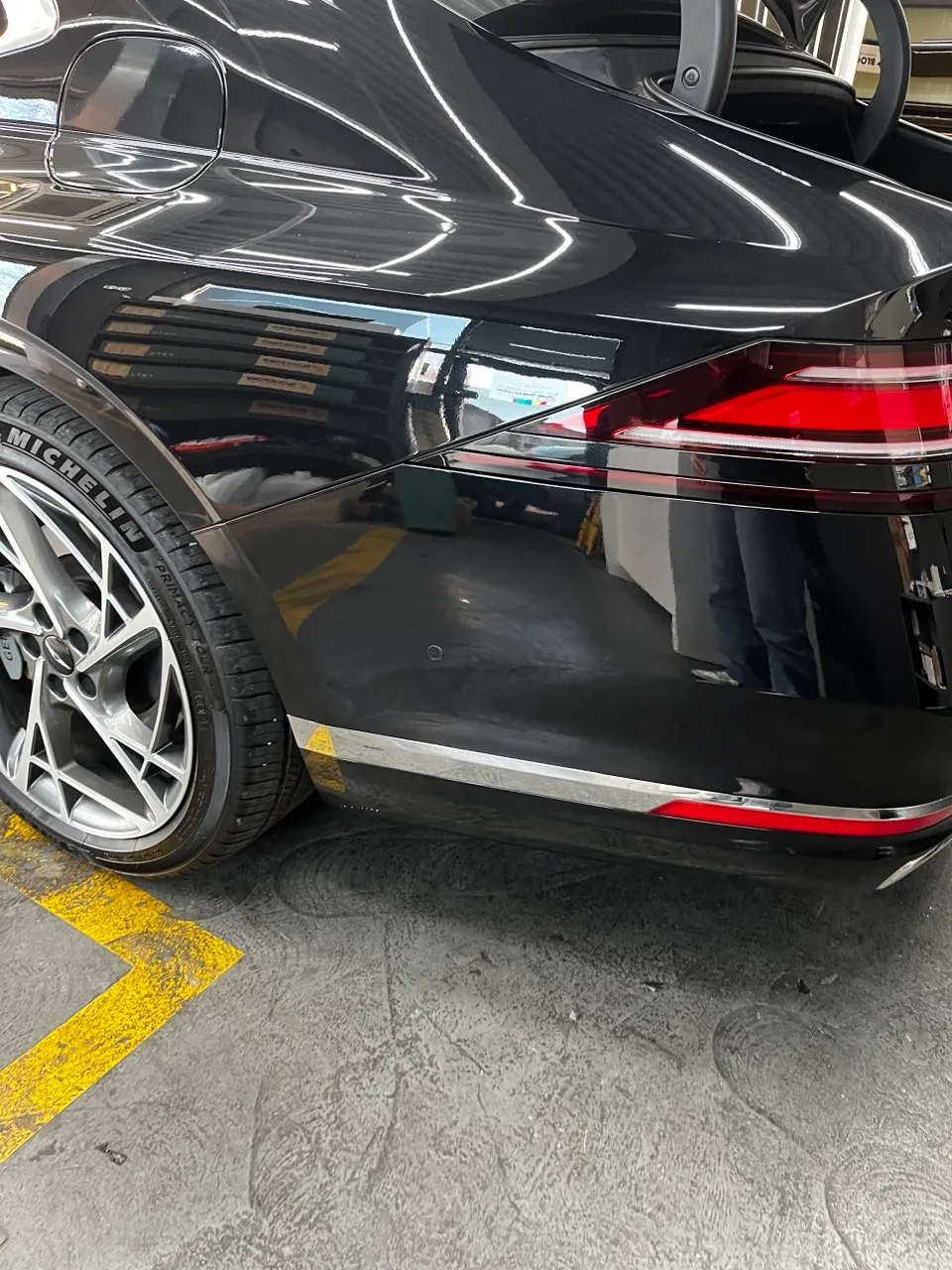
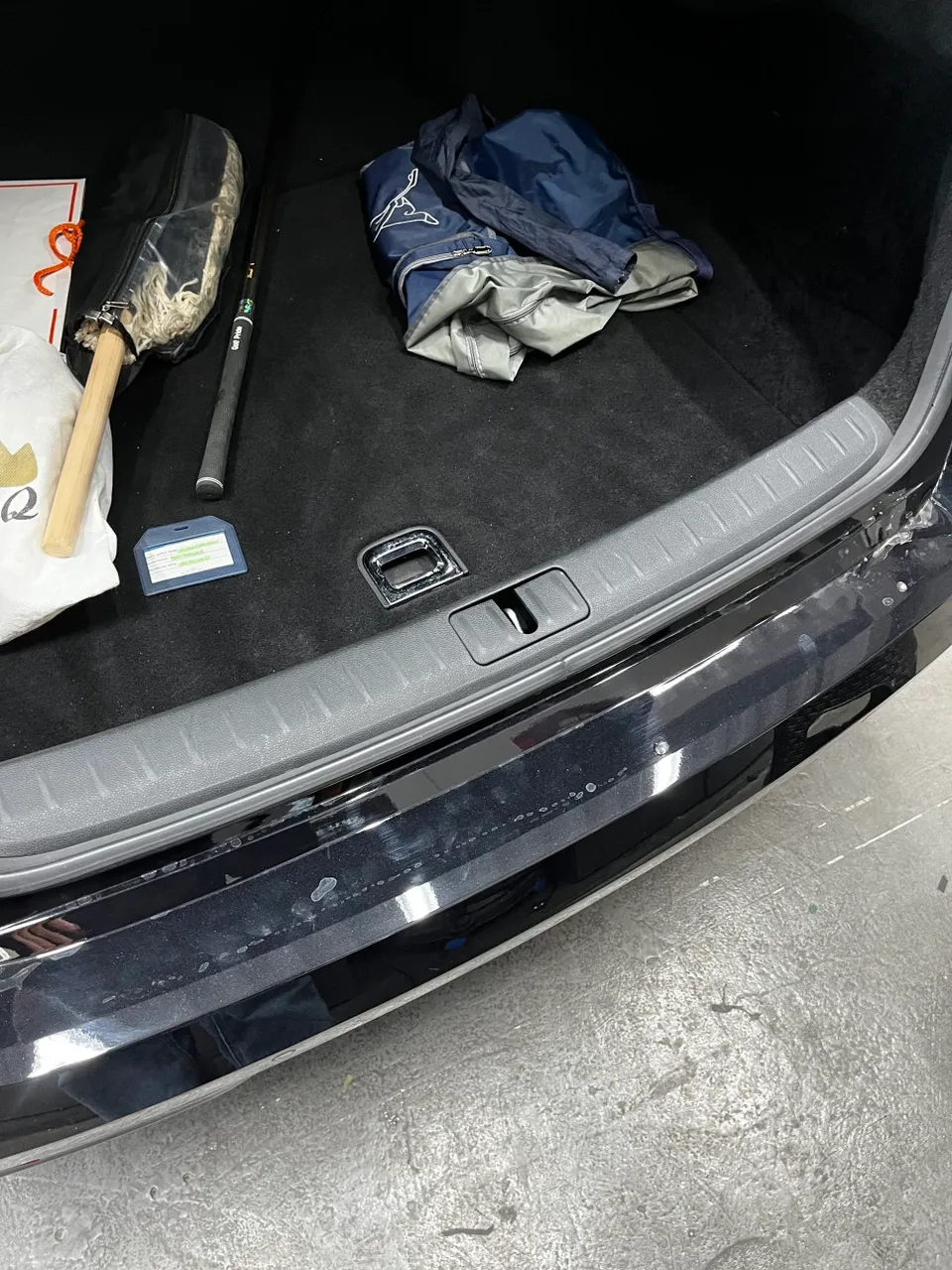
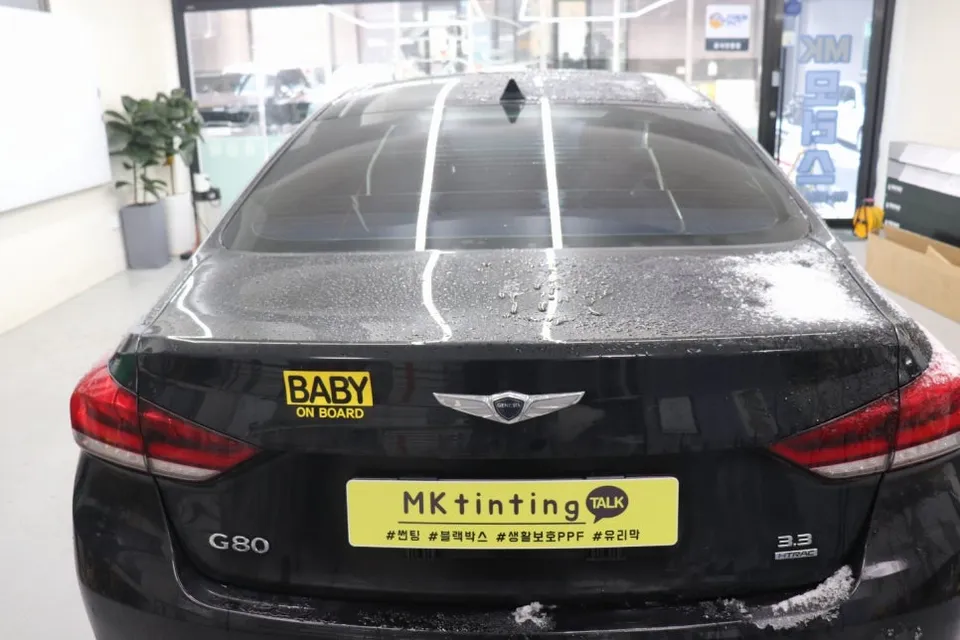
The Genesis G90 featured in this review required a specific type of PPF service: the restoration of original, factory-applied PPF that was lost due to an accident. The vehicle sustained damage to its rear bumper area, necessitating repairs that unfortunately removed the existing PPF. The goal was to meticulously replicate the original factory PPF application, ensuring a seamless blend with the rest of the car's protective film. This involved not just covering the damaged sections but also extending the application to adjacent areas to maintain a uniform look and protection level.
The specific areas addressed were the side lines of the rear bumper and the trunk lid. The trunk lid is particularly vulnerable to scratches and scuffs from loading and unloading luggage, making PPF application here crucial for preventing cosmetic damage. Similarly, the lower sides of the rear bumper are constantly exposed to road spray, dirt, and small stones kicked up by tires, which can easily chip or scratch the paint. By reapplying PPF to these key zones, the G90 was restored to its pre-accident condition, with its paintwork thoroughly protected.
The Importance of Precise PPF Installation
Achieving a flawless finish with PPF hinges on the precision of the installation. For a vehicle with the complex curves and lines of a Genesis G90, this is paramount. The process requires meticulous preparation, including thorough cleaning and decontamination of the paint surface. The film is then carefully cut, often using specialized software and plotters, to match the exact contours of the vehicle panels. During application, skilled technicians use heat and tension to ensure the film conforms perfectly to the surface, avoiding any lifting, bubbling, or visible edges.
The goal of PPF is to be virtually invisible, providing robust protection without altering the car's appearance. Unlike vinyl wraps, which are used for color changes or aesthetic modifications, PPF's sole purpose is protection. Therefore, a successful installation results in a finish that looks and feels like the original paint. This means careful attention to detail around edges, seams, and complex body shapes is non-negotiable. The installation process for this G90 involved precise cutting and careful application to the rear bumper sides and trunk lid, ensuring the new film was indistinguishable from the original factory-applied sections.
Installation Process:
- Surface Preparation: The vehicle's paint surface is thoroughly cleaned, decontaminated, and often clay-barred to remove any embedded contaminants.
- Pattern Cutting: Pre-cut patterns based on the specific vehicle model (Genesis G90) are used, or the film is meticulously hand-trimmed on the vehicle for a precise fit.
- Film Application: The PPF is applied using a specialized solution, with careful use of heat guns and squeegees to eliminate air bubbles and ensure smooth adhesion.
- Edge Wrapping/Tucking: Where possible, edges are wrapped around panel seams or tucked into tight areas for a cleaner, more durable installation.
- Inspection and Curing: The installed film is inspected for imperfections, and the vehicle is typically left to cure for a period, allowing the adhesive to fully bond.
The cost for PPF services can vary significantly based on the vehicle, the extent of coverage (full car vs. partial kit), and the installer's expertise. For a Genesis G90, a partial front-end application (covering the bumper, hood, fenders, and mirrors) typically ranges from $400 to $800 in the US market, while a full car wrap can cost upwards of $5,000 to $8,000. The specific repair and restoration work on the G90 in Korea, focusing on the rear bumper sides and trunk lid, would have been priced in Korean Won, with an approximate USD equivalent depending on the exchange rate at the time.
Frequently Asked Questions
Q. How much does PPF cost for a Genesis G90?
The specific PPF restoration on this Genesis G90 was performed in Korea and priced accordingly. In the US, a partial front-end PPF application for a Genesis G90 typically ranges from $400 to $800.
Q. How long does PPF last on a Genesis G90?
High-quality PPF can last for 5 to 10 years, depending on maintenance and environmental exposure. Regular washing and avoiding harsh chemicals will help prolong its lifespan.
Q. Is PPF worth it for a Genesis G90?
PPF is highly recommended for Genesis G90 owners who want to maintain their vehicle's paintwork against daily driving hazards. It's particularly valuable for preserving the car's resale value and appearance.
Q. How is PPF installed on a Genesis G90?
PPF installation involves meticulous surface preparation, precise pattern cutting to match the G90's contours, and careful application using specialized solutions and tools to ensure a bubble-free, smooth finish.
Q. What is the difference between PPF and ceramic coating for a Genesis G90?
PPF provides physical protection against impacts and scratches, acting as a durable film, while ceramic coating offers a hard, hydrophobic layer that enhances gloss and repels contaminants. For comprehensive protection, PPF is generally recommended for impact resistance.
OhCar Partner Shop
More ppf Reviews
See all →

More Genesis Reviews
Pair with Another Service
Add hydrophobic protection on top of PPF
Complete your new car protection package