Infiniti Q50 Body Kit Installation Review: Cost & Results
Service Price
$40–80
Estimated price · Actual price may vary by shop
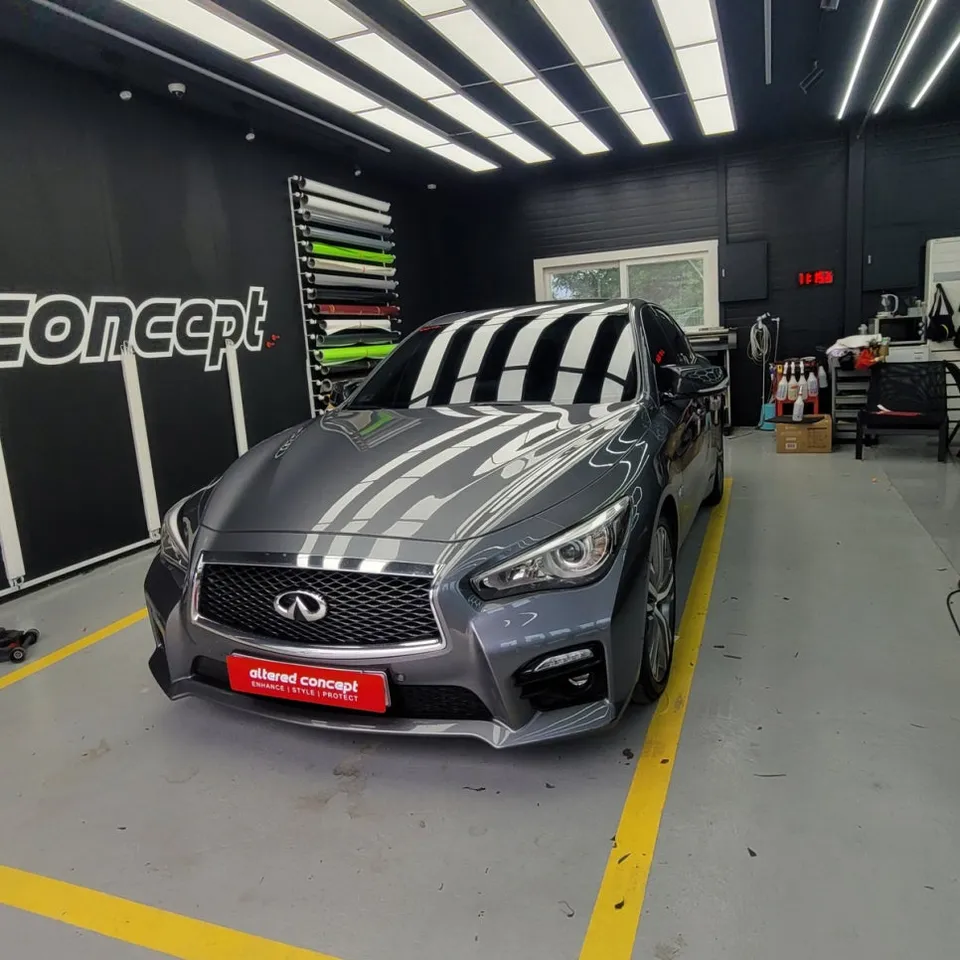
Before
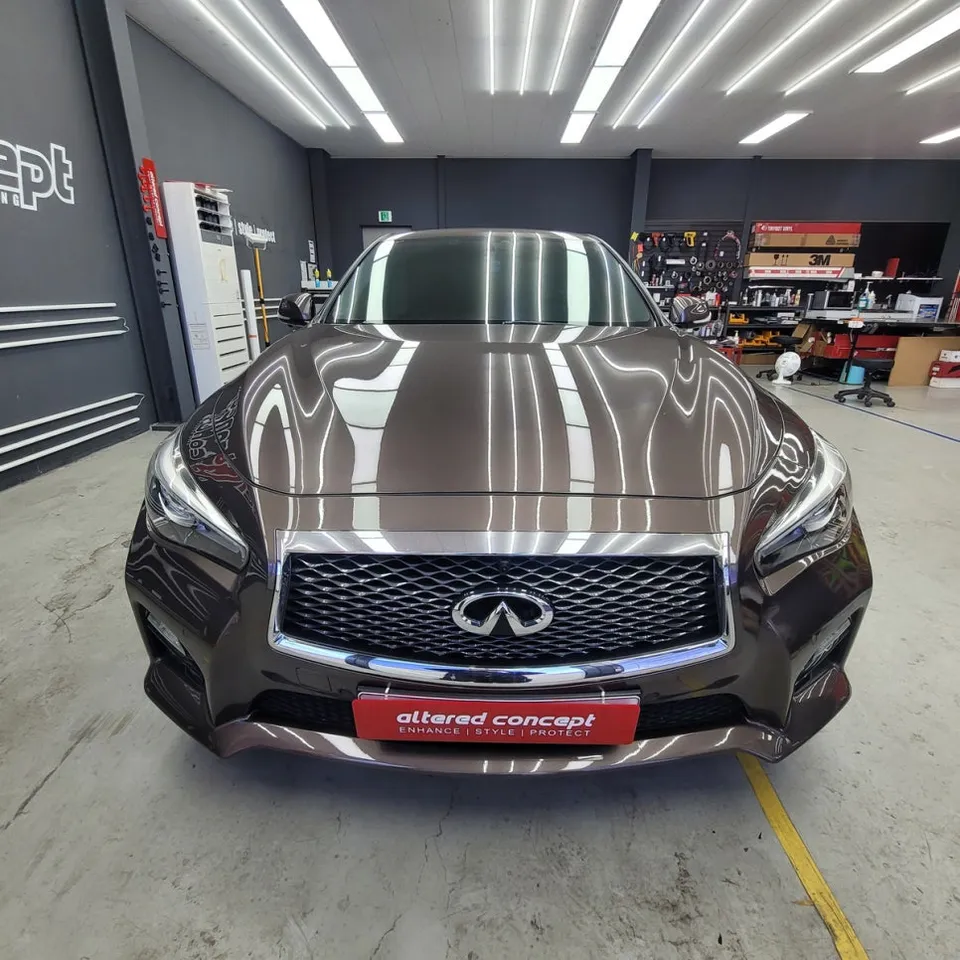
After
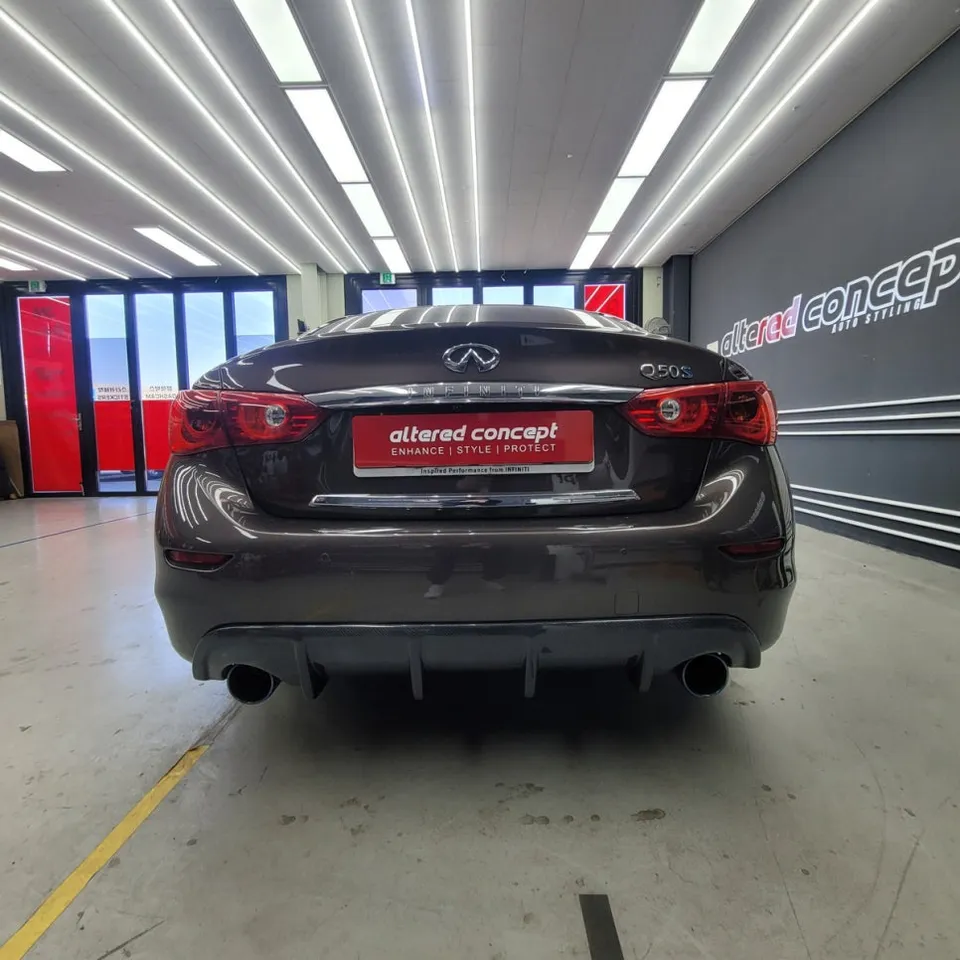
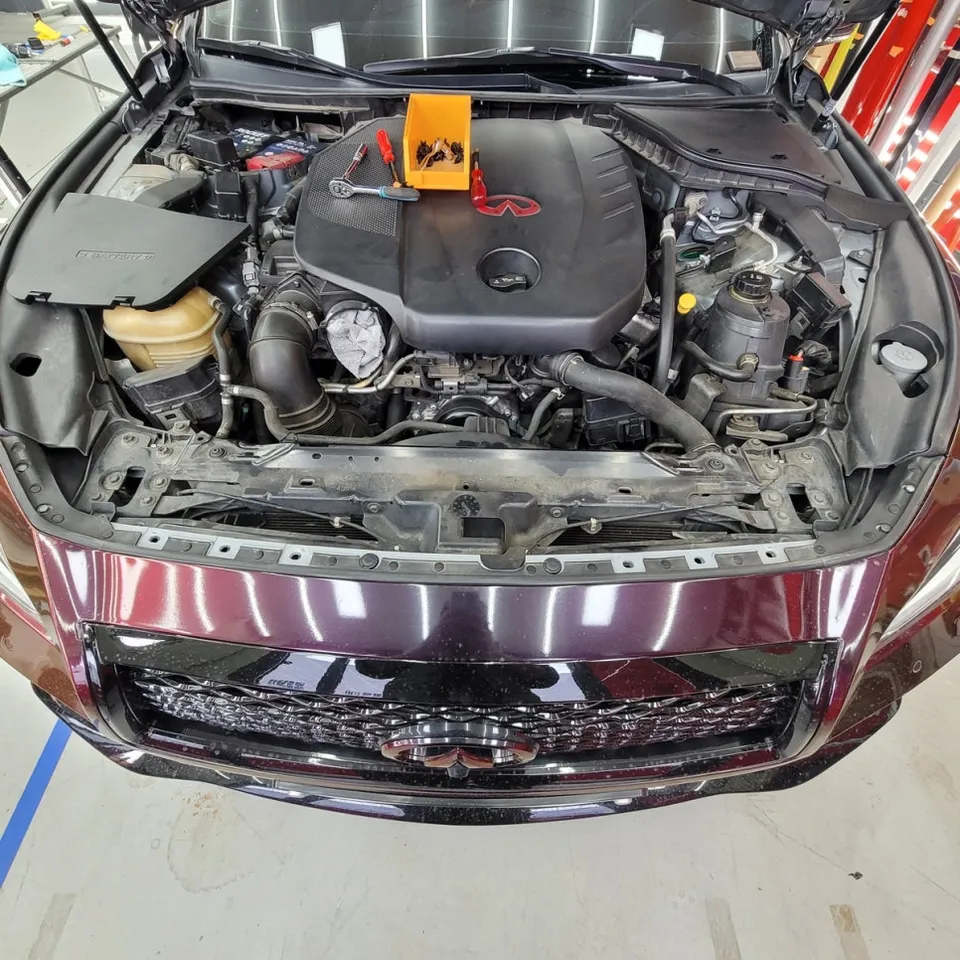
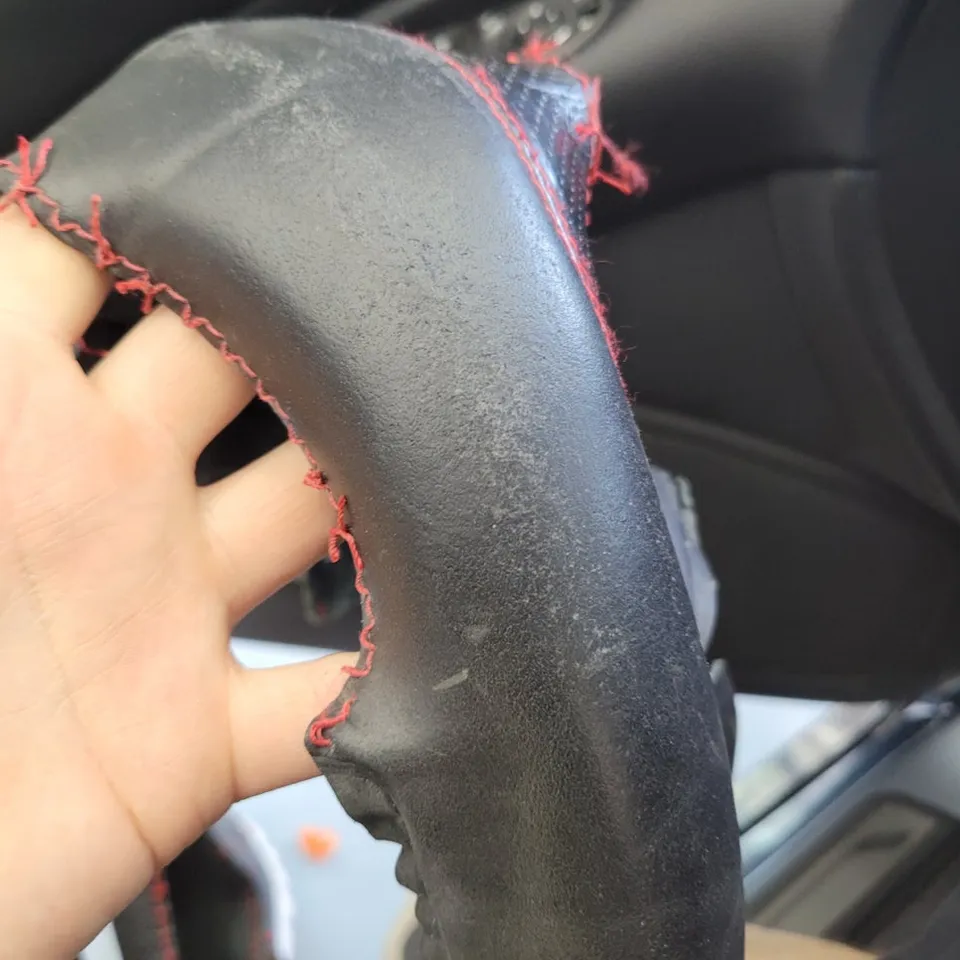
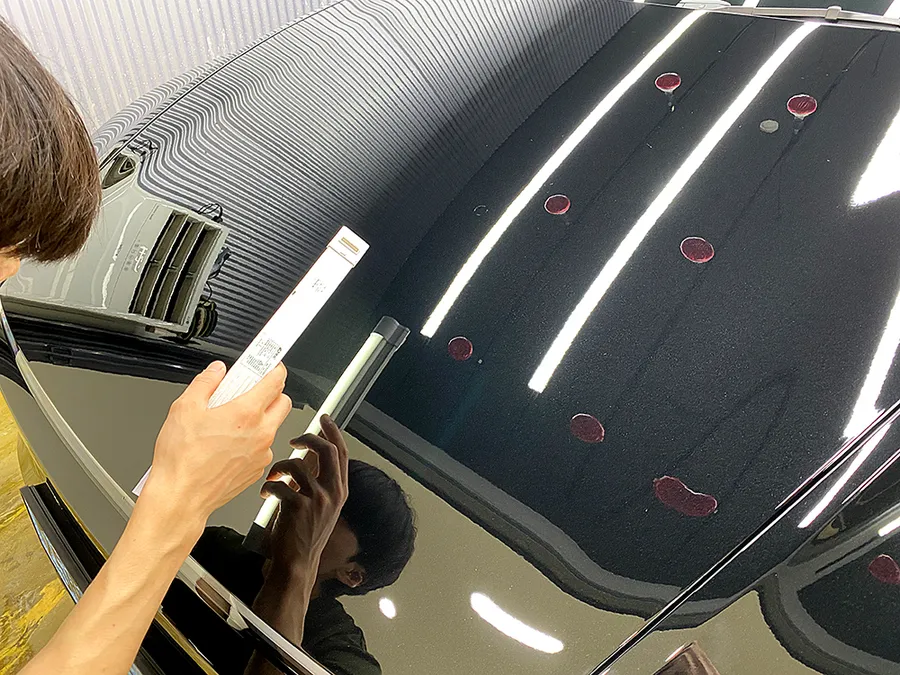
Process photos
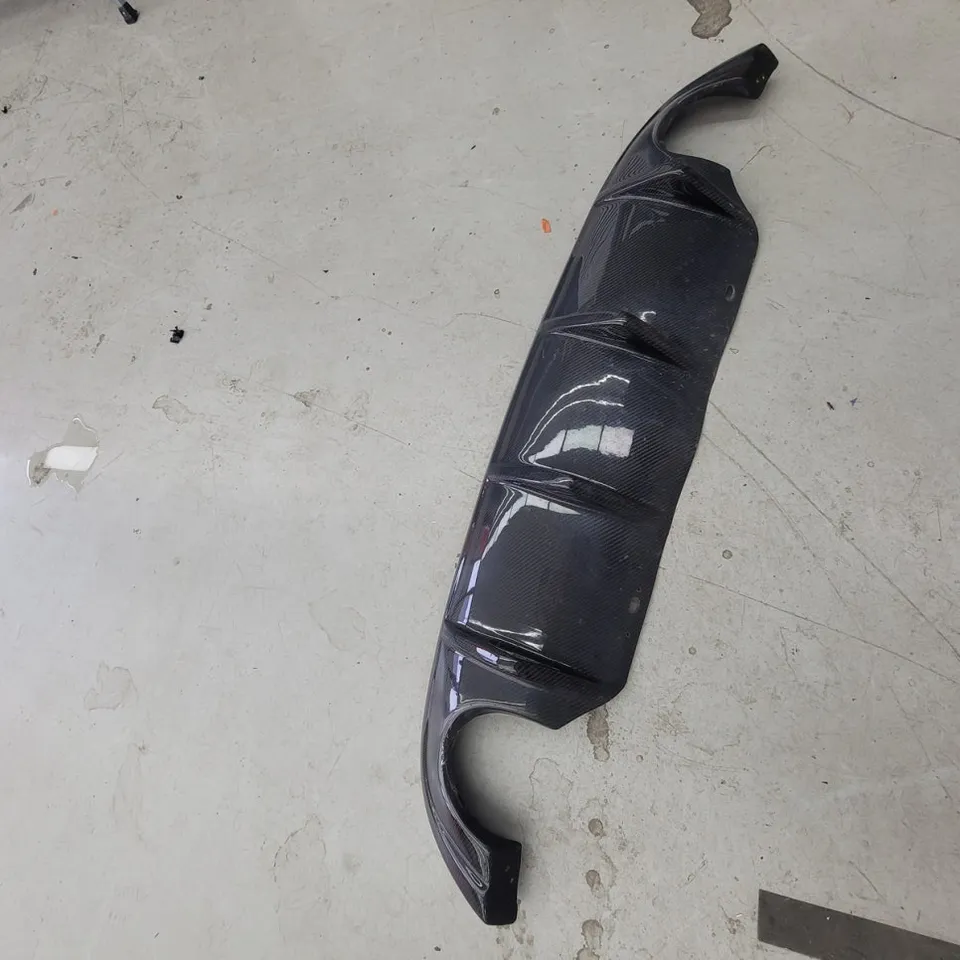
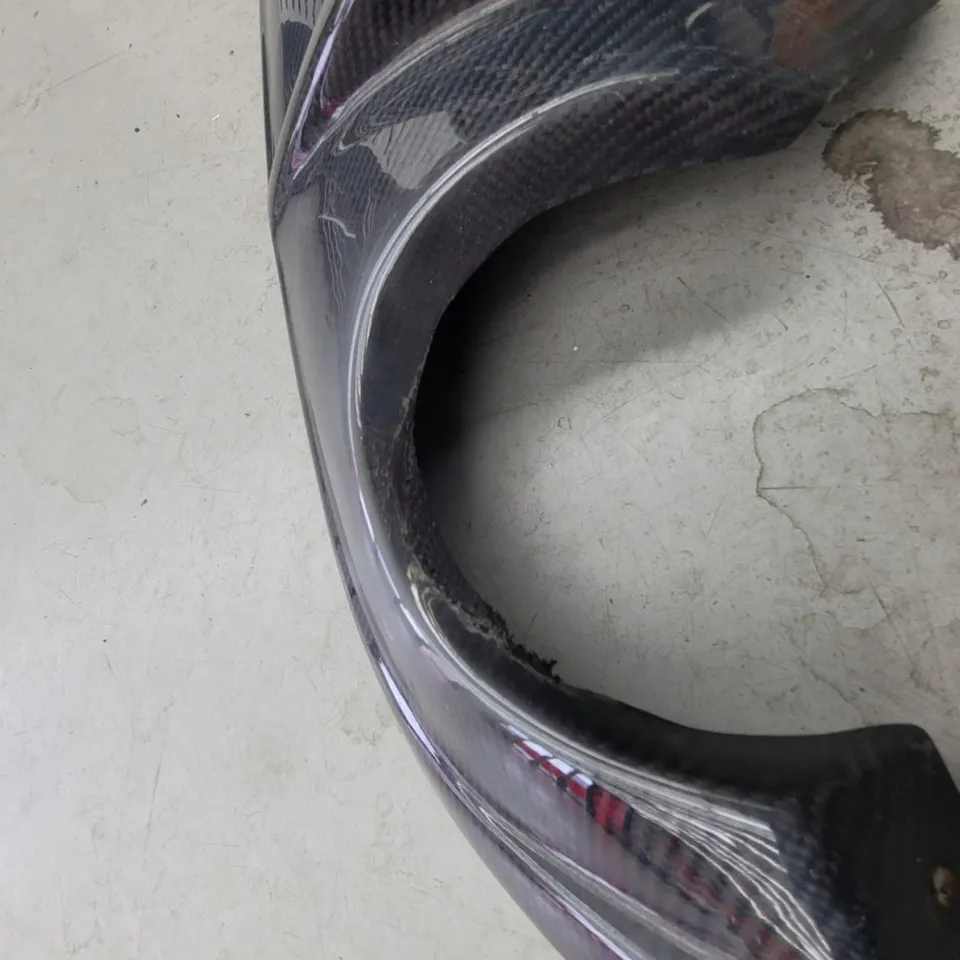
Infiniti Q50 body kit installation: Costs range from 300,000-800,000 KRW ($220-$590 USD). Improves aesthetics and aerodynamics.
Infiniti Q50 Body Kit: Enhancing Style and Performance
The Infiniti Q50 is a popular choice for drivers seeking a blend of luxury and sportiness. For many owners, a body kit, often referred to as an aero kit, represents a significant upgrade opportunity. This modification can dramatically alter the vehicle's aesthetic, giving it a more aggressive and customized appearance. Beyond looks, some body kit components are designed to improve aerodynamic efficiency, potentially enhancing stability at higher speeds. However, the decision to install a body kit involves careful consideration of installation cost, material quality, and long-term durability. This review delves into the specifics of body kit installation for the Infiniti Q50, drawing from real-world experiences to help you make an informed choice.
Understanding Body Kit Costs and Installation for the Q50
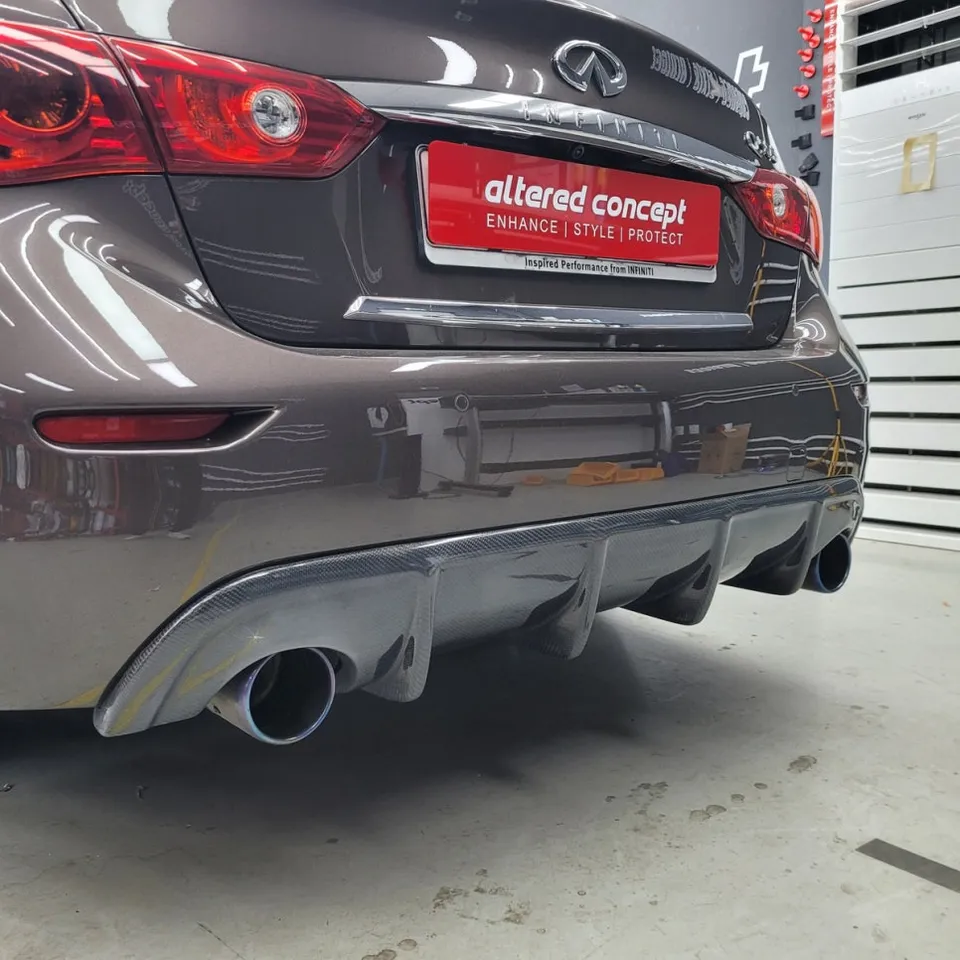
The cost of a body kit installation for an Infiniti Q50 can vary widely depending on the complexity of the kit, the materials used (such as fiberglass, polyurethane, or carbon fiber), and the labor rates of the installer. In Korea, where this specific case was documented, the cost for a rear diffuser installation, a common body kit component, ranged from 300,000 to 800,000 KRW (approximately $220 - $590 USD, based on current exchange rates). The installation process itself typically takes between 2 to 4 hours. It's crucial to budget for both the parts and the professional installation to achieve a seamless and high-quality finish. While the estimated US price for a basic body kit installation might range from $40-$80, this often refers to simpler add-on pieces rather than full kit replacements, and professional labor costs can significantly increase the total.
Real-World Installation and Durability Considerations
A common issue encountered with aftermarket body kits is poor fitment and quality control. In one documented case involving an Infiniti Q50 rear diffuser, the owner experienced interference with the muffler tips and subpar product quality. The original diffuser was poorly designed or incompatible with the vehicle, leading to a weak structure that even broke during removal. This highlights the importance of selecting reputable brands and experienced installers. Quality issues often stem from mass production methods where molds are used, and variations in the manufacturing process or even the specific technician can lead to inconsistencies like panel gaps or material defects. For instance, carbon fiber or fiberglass parts can warp or shrink if not cured properly, especially if manufacturers rush the process by increasing hardener ratios. This can result in a poor fit, requiring additional fixing methods like extra screws for a clean finish, as was necessary in the documented case. Proper installation involves meticulous surface preparation, including thorough cleaning to ensure strong adhesion, followed by careful alignment and secure fastening of all components. Regular maintenance, such as periodic checks for loose fittings and cleaning with mild automotive soaps, will help preserve the body kit's appearance and integrity over time.
Installation Process:
- Carefully remove any existing body kit components or factory trim.
- Thoroughly clean the mounting surfaces on the vehicle to remove dirt, grease, and old adhesive.
- Precisely align the new body kit parts (e.g., front lip, side skirts, rear diffuser) according to manufacturer specifications or custom fitting requirements.
- Securely attach the components using the provided hardware, ensuring a snug fit without over-tightening, and apply high-strength automotive adhesive where necessary.
- Inspect the entire installation for proper fitment, gaps, and stability before final approval.
When considering a body kit for your Infiniti Q50, prioritize quality parts and professional installation. While the upfront cost might seem high, it can prevent more expensive repairs and dissatisfaction down the line. Always consult with experienced professionals who can advise on the best options for your specific vehicle and aesthetic goals.
Frequently Asked Questions
Q. How much does a body kit cost for an Infiniti Q50?
In Korea, a rear diffuser installation cost around 300,000-800,000 KRW ($220-$590 USD). Typical US installation costs can range from $40-$80 for simpler parts, but full kits with professional labor are significantly more.
Q. How long does body kit installation take on an Infiniti Q50?
Installation typically takes 2-4 hours for components like a rear diffuser. Regular maintenance involves checking for loose fittings and cleaning with mild automotive soaps to preserve the kit's appearance.
Q. Is a body kit worth it for an Infiniti Q50?
A body kit is worth it for Q50 owners seeking a more aggressive, personalized look and potential aerodynamic benefits. Investing in quality parts and professional installation ensures a better long-term value and appearance.
Q. How is a body kit installed on an Infiniti Q50?
Installation begins with removing old parts and thoroughly cleaning the vehicle's surface. New components are then precisely aligned and securely attached using appropriate hardware and automotive adhesives. Final inspection ensures a perfect fit and stability.
Q. What is the difference between FRP and polyurethane body kits for an Infiniti Q50?
Polyurethane kits are generally more flexible and durable, better resisting impacts, while Fiberglass Reinforced Plastic (FRP) kits can be lighter but more prone to cracking. For most daily drivers, polyurethane is often recommended for its resilience.
OhCar Partner Shop