Hyundai Azera Ceramic Coating Review — Enhanced Shine & Protectio
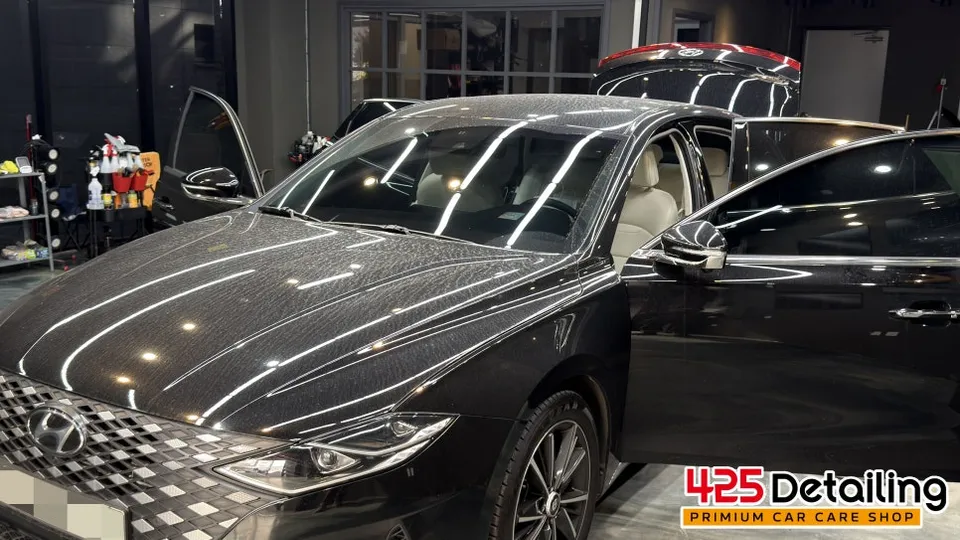
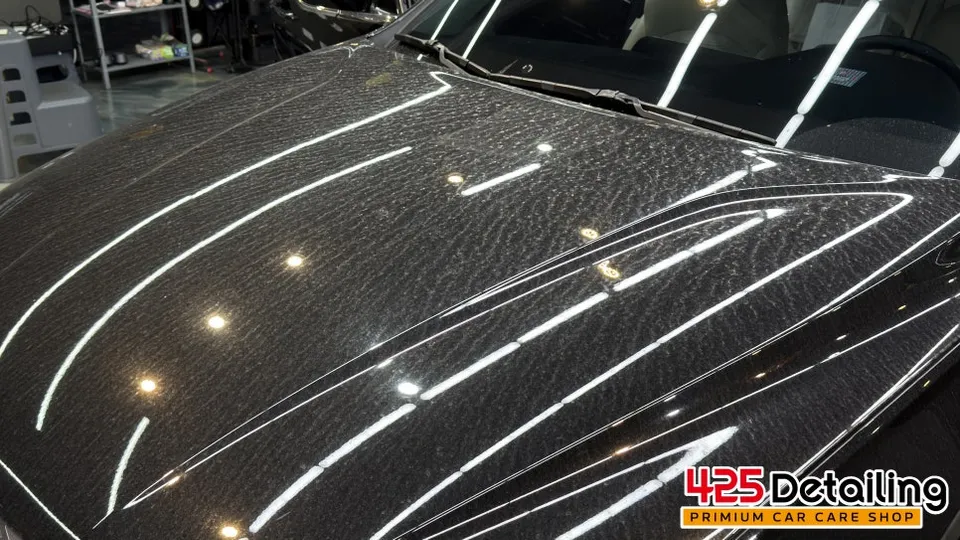
Hyundai Azera ceramic coating: Enhanced gloss and protection. Advanced nano coating provides a durable, hydrophobic finish.
Transforming the Hyundai Azera with Ceramic Coating
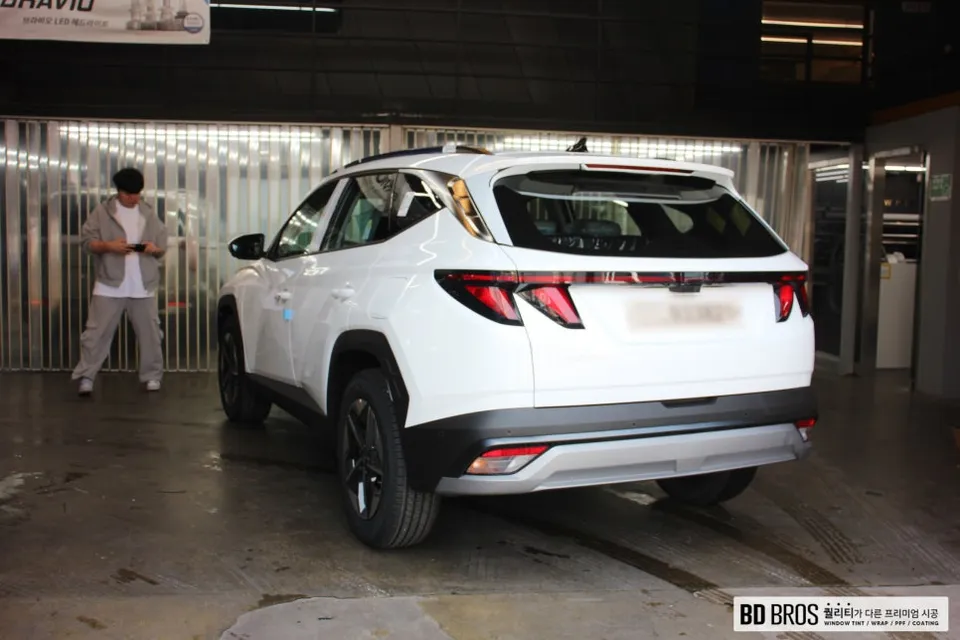
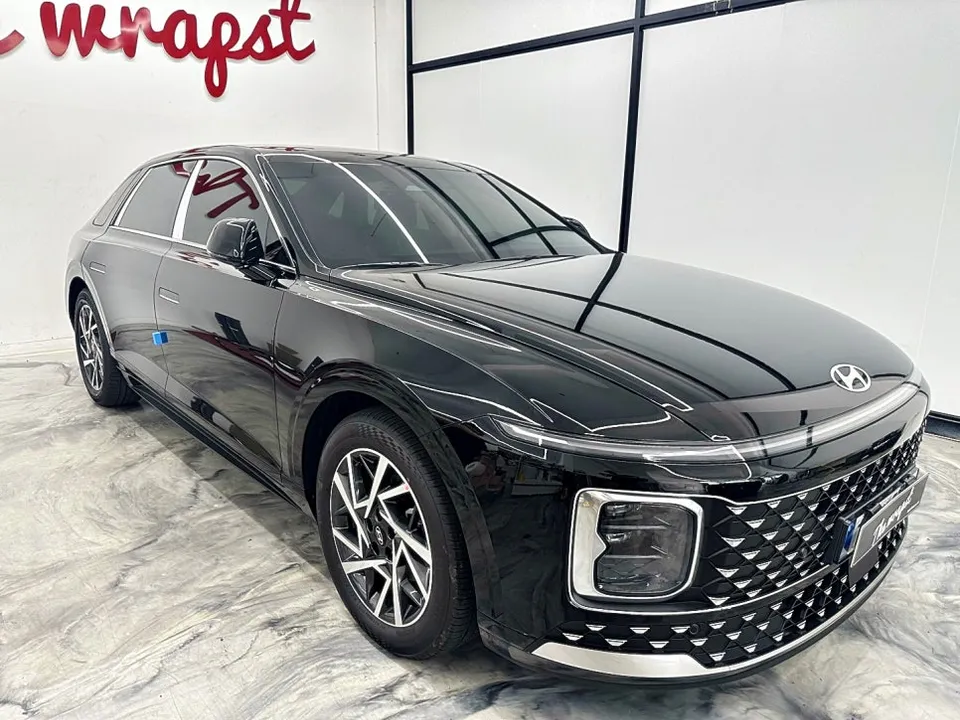
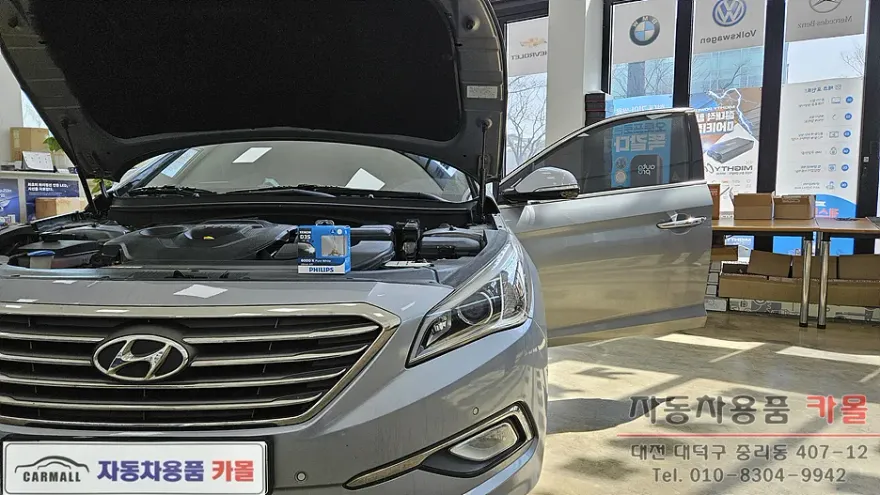
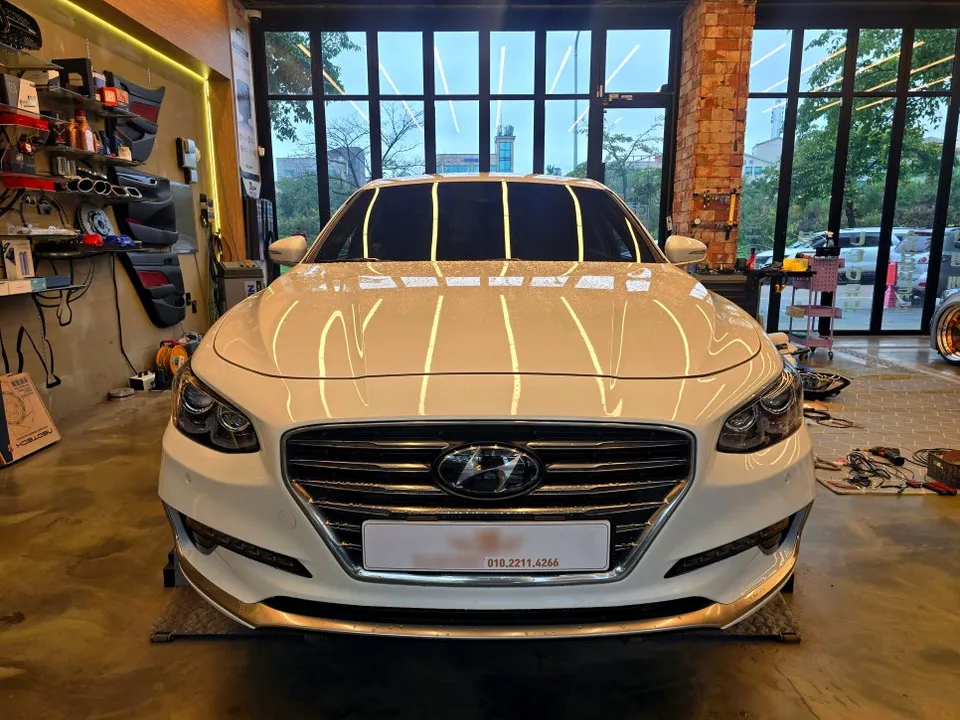
This review details the application of a professional ceramic coating on a Hyundai Azera, focusing on the enhanced gloss, hydrophobic properties, and long-term protection it offers. The goal was to elevate the vehicle's appearance beyond a standard detailing and provide a durable shield against environmental contaminants. The Azera, known for its comfortable ride and refined styling, benefits significantly from the deep, reflective shine that a quality nano coating imparts. This process goes beyond traditional waxes, offering a semi-permanent layer of protection that bonds with the factory paintwork.
The Ceramic Coating Application Process
Achieving optimal results with ceramic coating requires meticulous preparation and careful application. The process begins with a thorough decontamination wash to remove all surface contaminants, followed by paint correction to eliminate any swirl marks or scratches. This ensures a perfectly smooth surface for the coating to adhere to. The ceramic coating itself, a liquid polymer, is then carefully applied panel by panel using specialized applicators. Once applied, it forms a hard, clear layer that enhances gloss and provides superior protection. The final step involves a curing period, during which the coating hardens and reaches its maximum protective capabilities.
Installation process:
- Thorough wash and decontamination of the vehicle's surface.
- Paint correction (polishing) to remove imperfections and create a smooth base.
- Careful application of the ceramic coating using specialized tools.
- Inspection and final wipe-down to ensure a flawless finish.
- Allowing the coating to cure to achieve maximum hardness and durability.
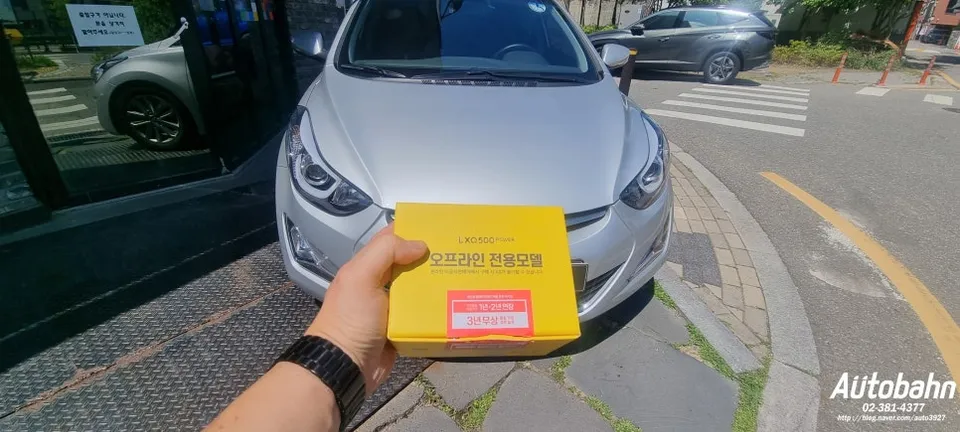
The outcome is a Hyundai Azera with a mirror-like finish that is easier to clean and maintain. Water beads and rolls off effortlessly, taking dirt and grime with it, significantly reducing the effort required for future washes. This advanced glass coating not only protects the paint from UV rays, chemical stains, and oxidation but also maintains the vehicle's aesthetic appeal for years to come.
Frequently Asked Questions
Q. How much does ceramic coating cost for a Hyundai Azera?
The ceramic coating service for this Hyundai Azera was performed in Korea, with pricing details available in the original context. Typical professional ceramic coating services in the US can range from $800 to $2,500 depending on the vehicle size and coating quality.
Q. How long does ceramic coating last on a Hyundai Azera?
A professionally applied ceramic coating can last for several years, often 2-5 years or more, with proper maintenance. Regular washing with pH-neutral soaps and avoiding abrasive cleaners will help preserve the coating's integrity.
Q. Is ceramic coating better than wax for a Hyundai Azera?
Ceramic coating offers significantly longer-lasting protection and a deeper gloss compared to traditional car wax. It is ideal for Azera owners seeking a more permanent solution for paint protection and ease of maintenance.
Q. How is ceramic coating applied to a Hyundai Azera?
Ceramic coating is applied after a thorough wash and paint correction. The liquid coating is carefully spread onto the paintwork using an applicator pad, then buffed off to reveal a hard, glossy, protective layer.
Q. What is the difference between ceramic coating and PPF for a Hyundai Azera?
Ceramic coating provides chemical resistance and hydrophobic properties for gloss and ease of cleaning, while Paint Protection Film (PPF) is a thicker, clear urethane film that offers superior physical protection against rock chips and scratches. For comprehensive protection, a combination of PPF on high-impact areas and ceramic coating over the entire vehicle is often recommended.
OhCar Partner Shop
More ceramic coating Reviews
See all →



More Hyundai Reviews

Pair with Another Service
Add physical chip protection before coating