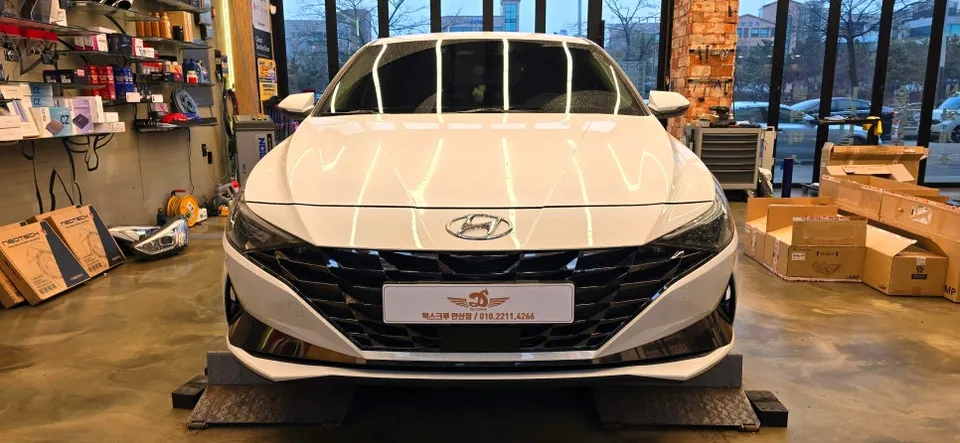
Hyundai Elantra CN7 Seat Ventilation & Heating Review

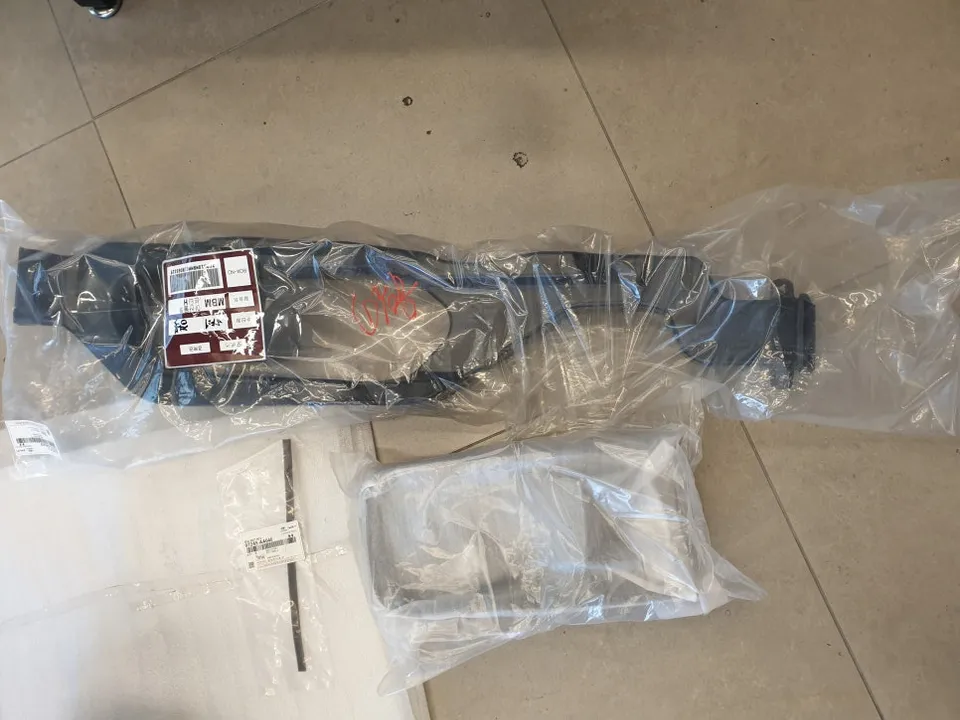
Hyundai Elantra CN7 rear seat vent installation: Improves rear passenger comfort by providing direct airflow. Professional installation recommended.
Enhance Your Elantra CN7's Rear Comfort with Seat Ventilation
The Hyundai Elantra CN7 is a popular compact sedan, but like many vehicles in its class, it can sometimes lack optimal rear passenger comfort, especially concerning airflow. This review focuses on a popular aftermarket upgrade: the installation of genuine 2nd-row air vents (ducts) for the Elantra CN7. This modification aims to significantly improve the climate control experience for rear passengers, ensuring a more pleasant ride regardless of the weather.
Installation Process and Results
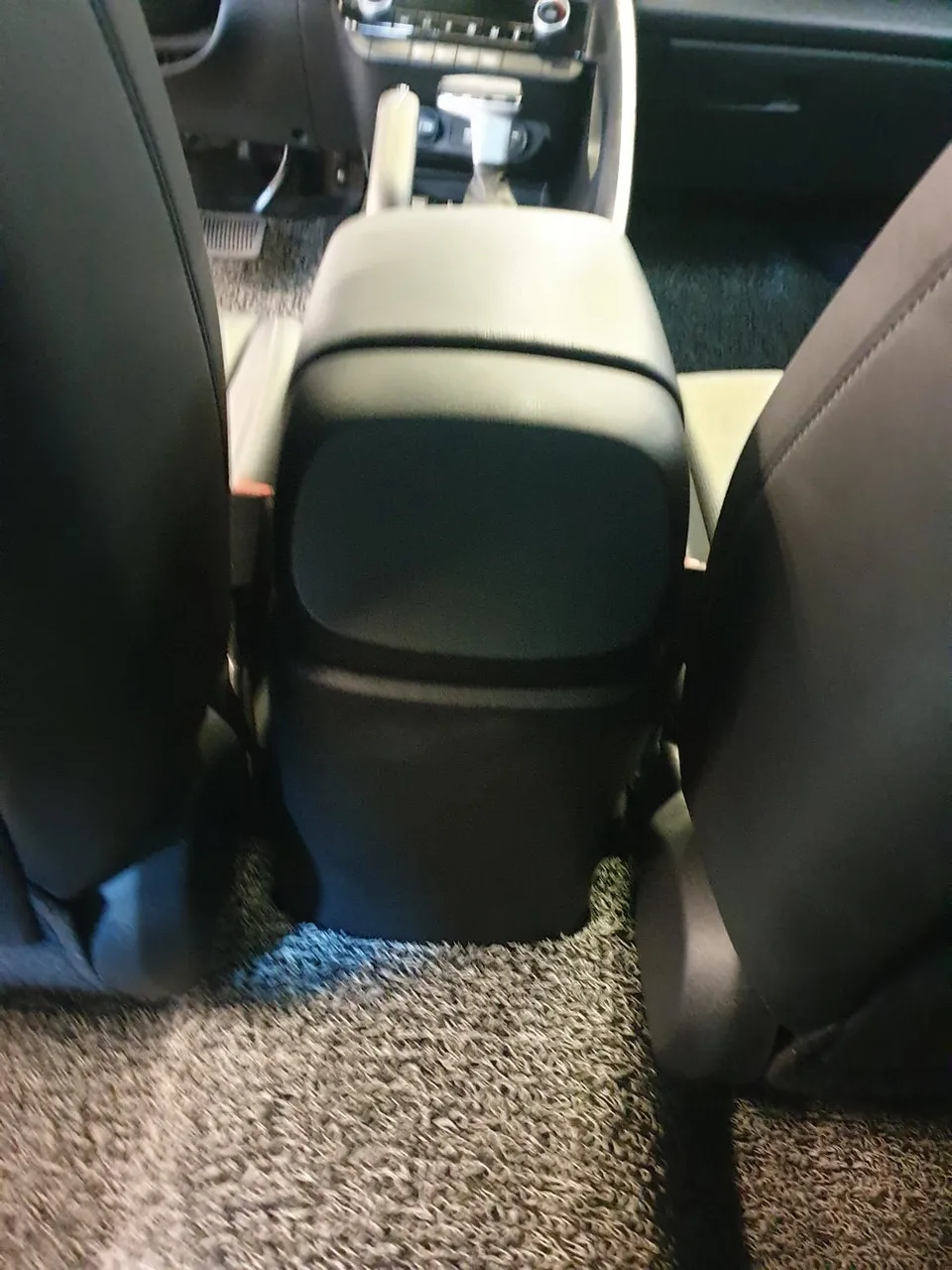
The process involves integrating factory-spec air vents and ducting into the rear of the center console. This ensures a clean, OEM-like finish and proper airflow distribution. The installation requires careful disassembly of the center console to access the necessary mounting points and to route the ductwork effectively. Once installed, the rear vents draw conditioned air from the front HVAC system, providing direct cooling or heating to the back seat.
Installation process:
- Careful disassembly of the rear center console trim.
- Mounting the genuine air vent housing and ducting.
- Connecting the ductwork to the existing HVAC system.
- Reassembly of the console for a seamless look.
The results are a noticeable improvement in rear passenger comfort. Instead of relying solely on air seeping from the front, rear occupants receive direct, targeted airflow. This is particularly beneficial during hot summer days or cold winter mornings, making the Elantra CN7 a more comfortable vehicle for families or those who frequently carry passengers in the back.
Frequently Asked Questions
Q. How much does Seat Ventilation & Heating cost for a Hyundai Elantra CN7?
The cost for this specific rear seat vent installation on the Hyundai Elantra CN7, as performed by Dexcrew Daegu Dong-gu, was not explicitly stated in Korean Won. Typical professional installation of similar climate control upgrades in the US can range from $300 to $800 depending on the complexity and parts used.
Q. How long does Seat Ventilation & Heating last on a Hyundai Elantra CN7?
When installed correctly using genuine parts, the seat ventilation and heating system is designed to last the lifetime of the vehicle. Regular maintenance of your car's HVAC system will ensure optimal performance of these added vents.
Q. Is Seat Ventilation & Heating worth it for a Hyundai Elantra CN7?
This upgrade is highly worth it for Elantra CN7 owners who frequently have rear passengers, especially in climates with extreme temperatures. It significantly enhances overall cabin comfort and passenger satisfaction.
Q. How is Seat Ventilation & Heating done on a Hyundai Elantra CN7?
The installation involves integrating factory-style air vents and ducting into the rear center console. 1. The rear console trim is carefully removed. 2. The new vent housing and associated ductwork are securely mounted. 3. The ducting is connected to the vehicle's existing HVAC system to allow conditioned air to flow to the rear.
Q. What is the best Seat Ventilation & Heating option for a Hyundai Elantra CN7?
For the Hyundai Elantra CN7, integrating genuine 2nd-row air vents offers the most seamless and effective solution for rear passenger comfort. Aftermarket seat-specific heating/ventilation pads are an alternative but do not provide the same integrated airflow.
OhCar Partner Shop