Hyundai Equus Lighting Upgrade Review: Cost & Results
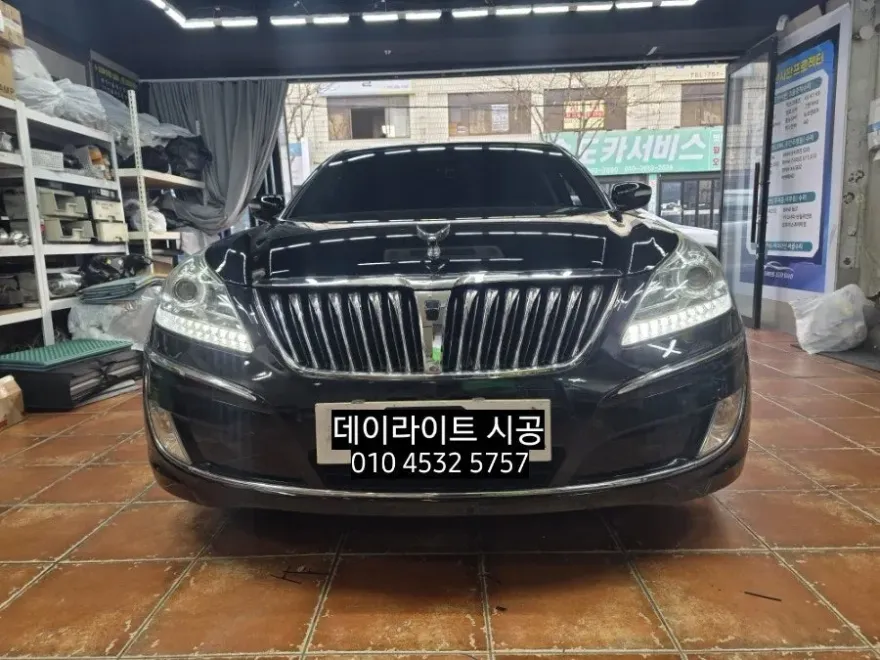
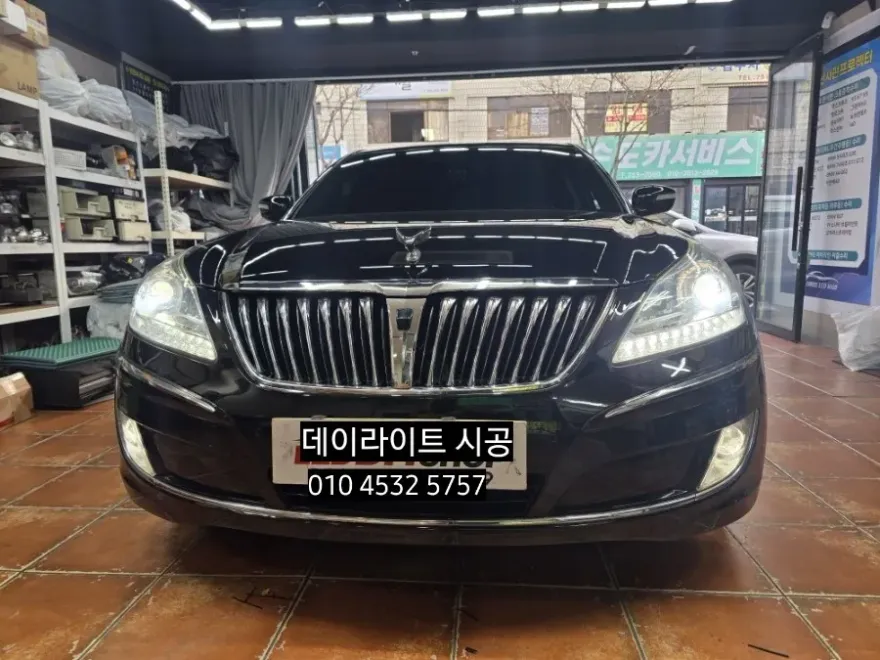
Hyundai Equus lighting upgrade: ~₩300,000+. Adds DRLs & sequential turn signals. Improves safety & aesthetics.
Enhance Your Hyundai Equus with a Lighting Upgrade
Many luxury car owners seek ways to personalize their vehicles and improve functionality. For the Hyundai Equus VI, a common desire is to enhance its lighting system, especially since newer models often feature more advanced lighting than this generation. This review focuses on a specific type of lighting upgrade: adding new daytime running lights (DRLs) and converting the turn signals to a sequential 'moving sequential' style, alongside addressing common LED issues like the 'circle eye' DRL failure. This upgrade aims to bring the Equus's lighting up to modern standards, improving both aesthetics and safety.
Before and After: Transforming Your Equus's Look
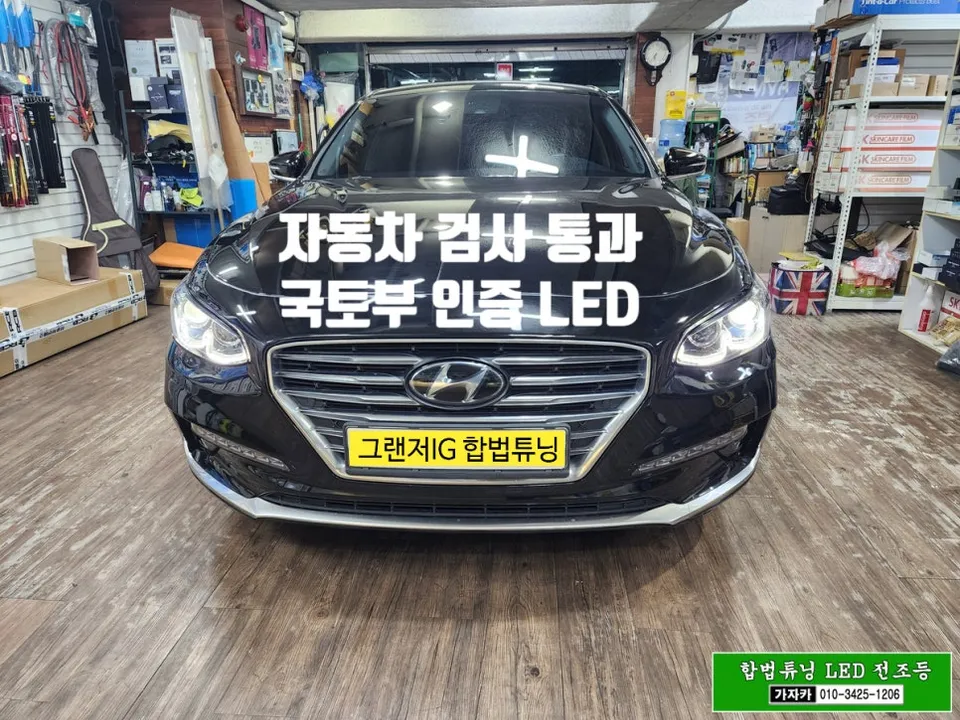
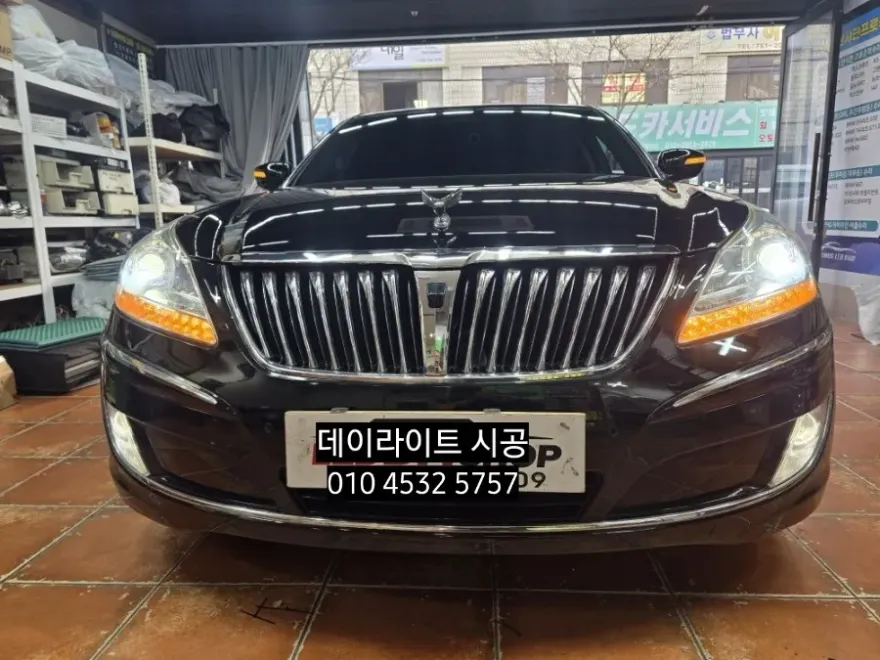
The original Hyundai Equus VI often lacks integrated DRLs, a feature now standard on most new vehicles. This upgrade addresses that by installing DRLs in the location of the lower fog lights or turn signals. Before the upgrade, the car's front end might appear less striking, especially during daylight hours. After installation, the new DRLs provide a distinct, modern daytime signature. Furthermore, the turn signals, which typically operate with a simple on/off function, are converted to a 'moving sequential' system. This means the lights illuminate in a smooth, flowing motion from the inside out, mimicking the dynamic turn signals found on many high-end European cars. This adds a significant visual flair and a more premium feel to the vehicle's front fascia. Another common issue addressed is the 'circle eye' LED failure in the position lights, where LEDs can dim or fail over time. Repairing this restores the original lighting's clarity and brightness, ensuring a uniform and appealing look.
Installation Process and Considerations
The process for this lighting upgrade on a Hyundai Equus VI typically involves several key steps. While specific details can vary by installer and the exact components used, the general procedure is as follows:
- Component Integration: New LED DRL modules are carefully fitted into the designated areas, often replacing or augmenting the existing turn signal housings. Wiring harnesses are connected to the vehicle's electrical system, ensuring proper power supply and integration with the car's lighting controls.
- Sequential Turn Signal Conversion: The existing turn signal wiring is modified or replaced to accommodate the sequential lighting modules. This often involves using specialized controllers or integrated LED units that support the flowing light effect.
- DRL Control Setup: The DRLs are wired to activate automatically when the ignition is on. A 'dimming' function is usually incorporated, causing the DRLs to reduce in brightness when the main headlights or parking lights are activated, preventing glare at night. A 'welcome' or 'ceremony' light function may also be programmed, where the DRLs perform a brief light show upon starting the vehicle.
- Circle Eye LED Repair: If the 'circle eye' position lights are malfunctioning, technicians will diagnose the issue, which may involve replacing individual faulty LEDs or repairing the internal circuitry of the light unit.
- Testing and Finalization: All new and repaired lighting functions are thoroughly tested to ensure they operate correctly and meet safety standards. The installer will confirm that the DRLs activate and dim as intended, and that the sequential turn signals function smoothly.
The cost for this comprehensive lighting upgrade in South Korea, where this service is commonly offered, can range from approximately 300,000 KRW (around $220 USD) for the DRL and sequential turn signal installation, with repairs for the 'circle eye' LEDs potentially adding another 100,000 KRW (around $75 USD) or more, depending on the extent of the damage. The total installation time typically spans 3 to 4 hours for the DRL and sequential signal work, with LED repairs taking an additional 1 to 2 hours. When choosing an installer, look for shops with experience in luxury vehicle lighting modifications and a portfolio of similar successful projects. Checking reviews and asking for examples of their work on vehicles like the Equus is highly recommended.
Frequently Asked Questions
Q. How much does an LED lighting upgrade cost for a Hyundai Equus?
In South Korea, a DRL and sequential turn signal upgrade for a Hyundai Equus typically starts around 300,000 KRW (approx. $220 USD). Actual costs can vary based on specific components and labor rates at different shops.
Q. How long do aftermarket LED headlights last on a Hyundai Equus?
High-quality aftermarket LED lighting components generally offer a lifespan of 50,000 hours or more, significantly outlasting traditional halogen bulbs. Proper installation and avoiding excessive moisture or voltage fluctuations can help maximize their longevity.
Q. Is an LED lighting upgrade worth it for a Hyundai Equus?
An LED lighting upgrade is worth it for Hyundai Equus owners seeking to enhance vehicle safety and modern aesthetics. The improved visibility from DRLs and the premium look of sequential turn signals offer significant value.
Q. How is an LED lighting upgrade installed on a Hyundai Equus?
Installation involves fitting new DRL modules, often in place of existing lights, and integrating them with the vehicle's electrical system. Turn signals are converted to sequential units, and DRLs are set to activate automatically with a dimming function for nighttime use. Finally, any faulty 'circle eye' LEDs are repaired or replaced.
Q. What is the difference between HID and LED headlights for a Hyundai Equus?
LED headlights offer superior brightness, instant on/off capability, and greater energy efficiency compared to HID (High-Intensity Discharge) systems. While HIDs provide a bright light, LEDs are generally considered more durable and have a longer lifespan.
OhCar Partner Shop