Hyundai IONIQ 5 Oem Options Installation Review — Cost
Service Price
$40–80
Estimated price · Actual price may vary by shop
Before

After
Process photos

Hyundai IONIQ 5 OEM blind spot upgrade adds safety features. Cost varies, parts approx $40-80.
Upgrade Your Hyundai IONIQ 5 with OEM Blind Spot Warning
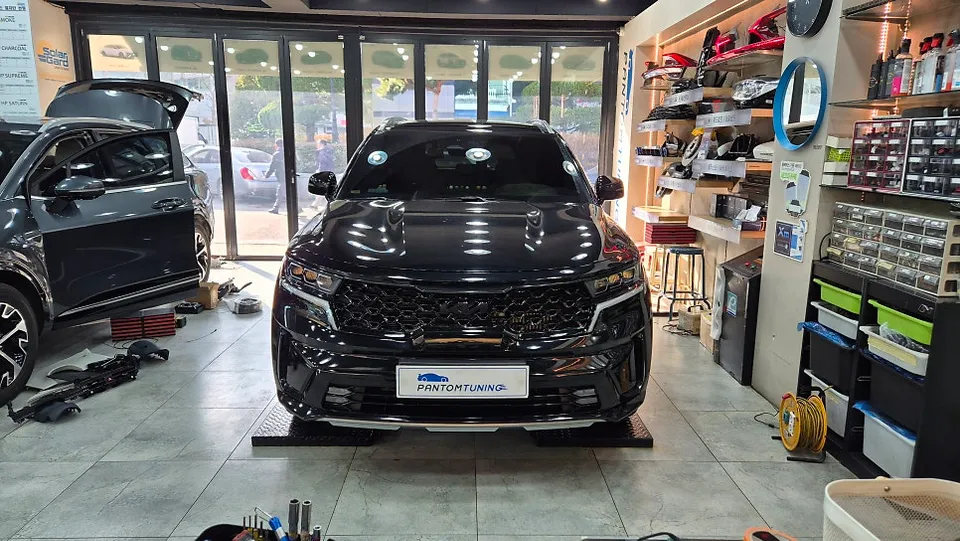
Many Hyundai IONIQ 5 owners find themselves wishing they had opted for advanced safety features like Blind-Spot Collision Warning (BCW) and Safe Exit Assist (SEA) from the factory. Sometimes, to take advantage of vehicle discounts, certain safety options might be omitted. Fortunately, it's possible to retrofit these crucial functions using genuine OEM parts. This review details the process and benefits of upgrading your IONIQ 5 with these factory-intended safety systems, ensuring a more secure driving experience.
Why You Need Blind Spot Monitoring
Modern vehicles are equipped with sophisticated Advanced Driver Assistance Systems (ADAS) to enhance safety. However, if features like BCW, Rear Cross-Traffic Collision-Avoidance Assist (RCCA), and SEA were not included at purchase, you might be missing out on vital protection. These systems are particularly important for mitigating risks during lane changes, parking, and even when exiting the vehicle, especially in blind spots. Addressing these omissions with genuine OEM components is the most reliable way to restore and enhance your IONIQ 5's safety capabilities. The process involves installing genuine radar sensors, upgrading side mirrors, and performing necessary vehicle coding.
The OEM Blind Spot Retrofit Process
The installation of OEM blind spot warning systems on the Hyundai IONIQ 5 typically involves three main stages:
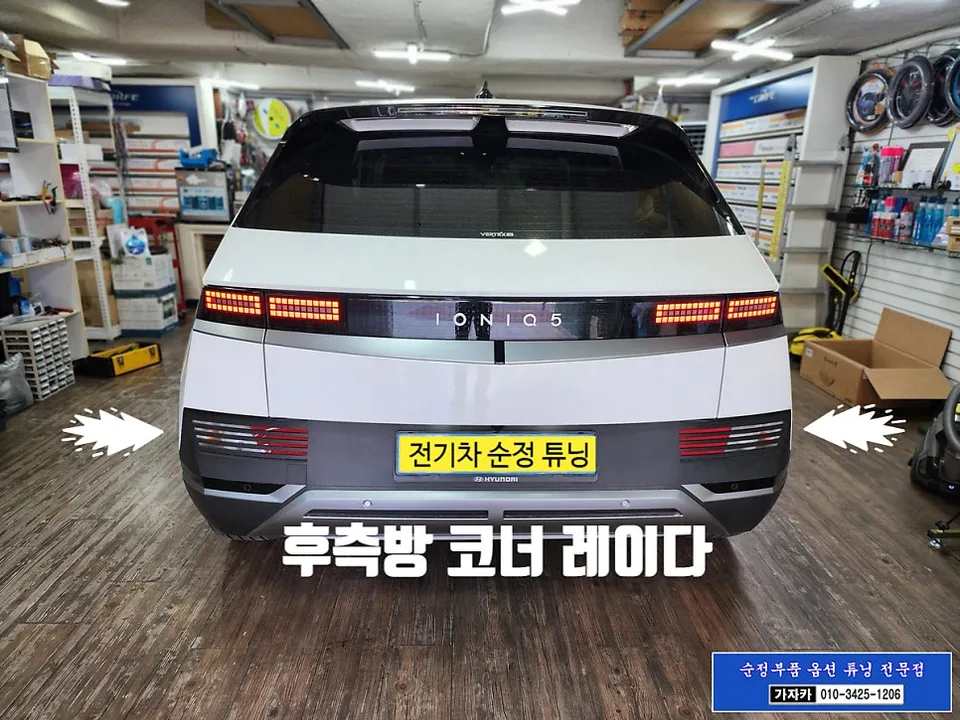
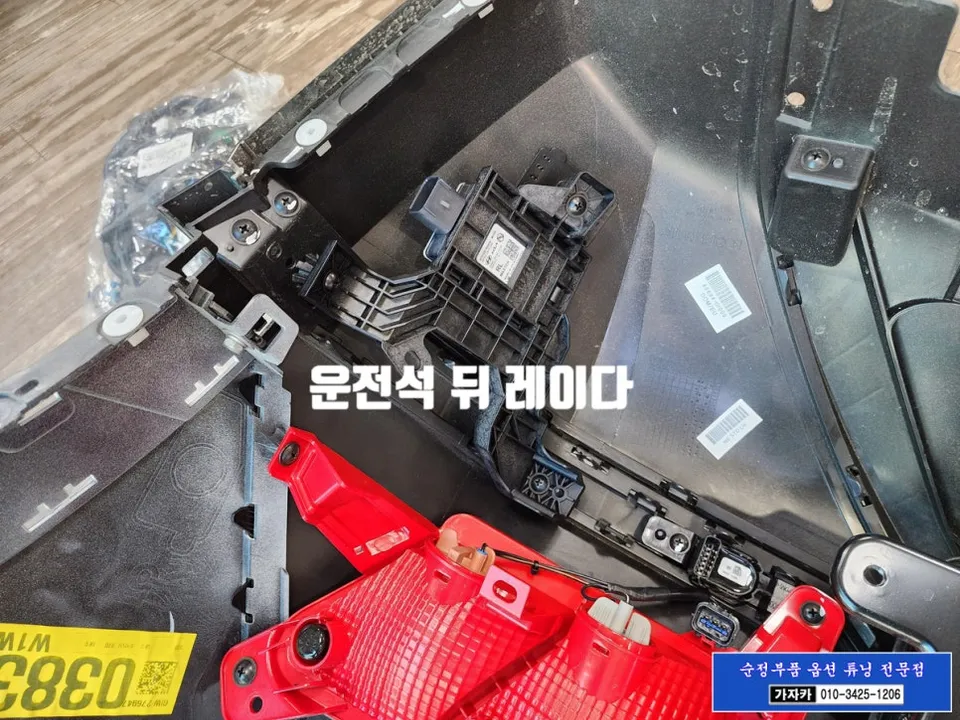
- Radar Sensor Installation: Genuine radar sensors are precisely mounted on the rear corners of the vehicle. This step includes routing wiring using factory-standard waterproof connectors for a durable and reliable connection.
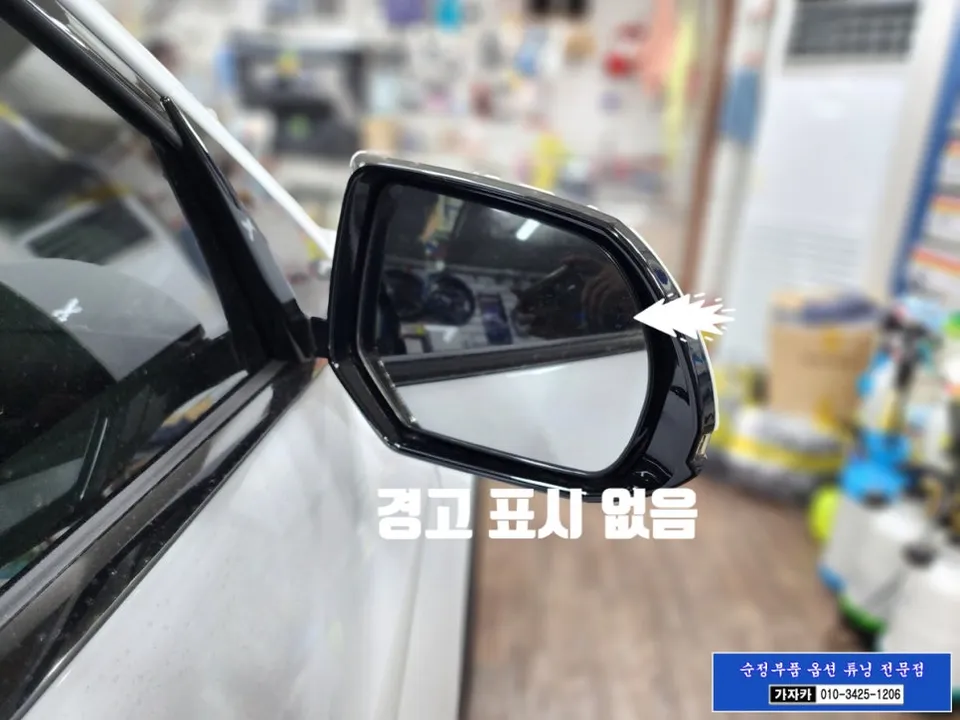
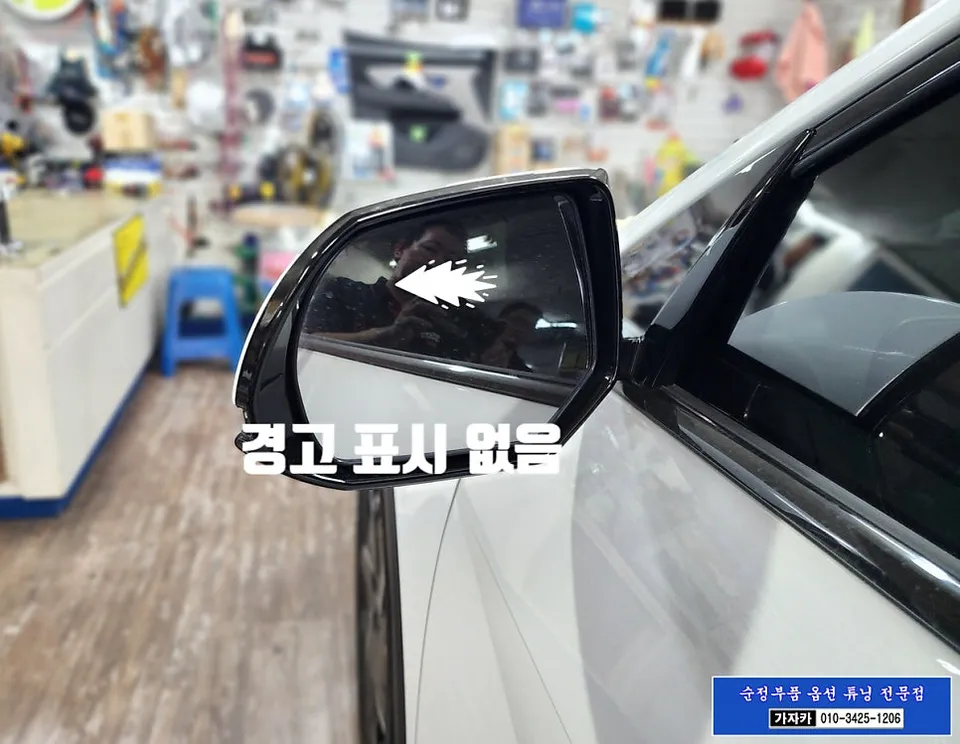
- Side Mirror Upgrade: The side mirrors are replaced with units that incorporate the integrated warning indicators. This ensures the visual alerts are seamlessly integrated into the vehicle's existing design.
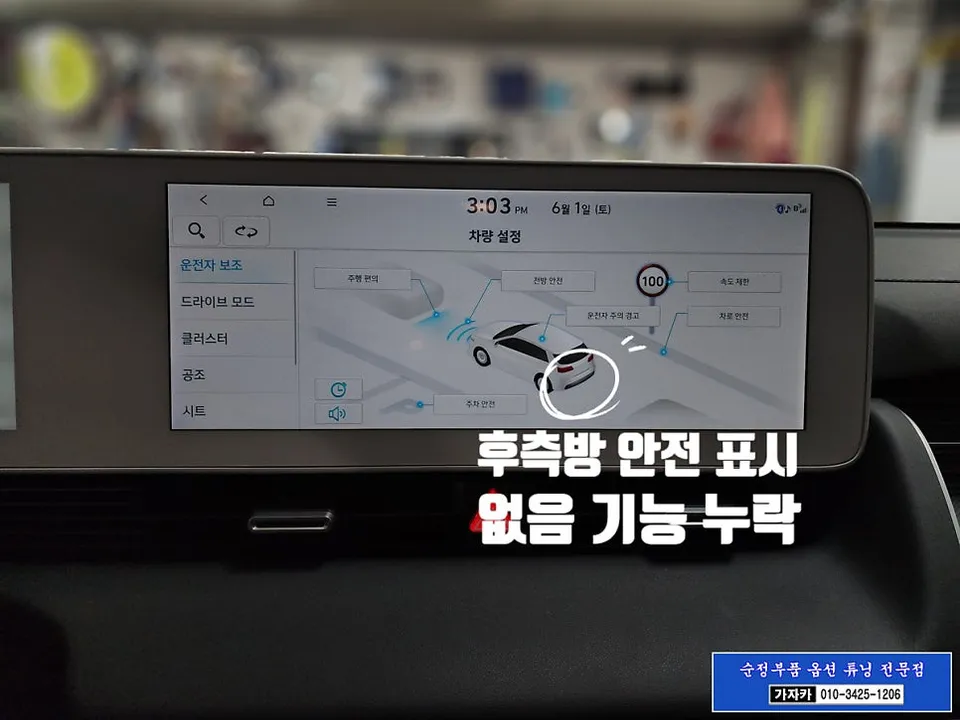
- System Coding: Using a specialized vehicle scanner, the car's computer system is programmed to recognize and communicate with the newly installed ADAS components. This final step calibrates the sensors and activates the BCW, RCCA, and SEA functions, ensuring they operate correctly without dashboard error messages.
This meticulous process ensures that your IONIQ 5's new safety features function exactly as if they were installed at the factory. The use of Hyundai Mobis genuine parts guarantees perfect integration and maintains the vehicle's aesthetic integrity.
Enhanced Safety After Installation
Once the OEM blind spot system is installed, your IONIQ 5 gains several significant safety enhancements:
- Blind-Spot Collision Warning (BCW): Alerts you with audible and visual warnings when a vehicle is detected in your blind spot during driving.
- Blind-Spot Collision-Avoidance Assist (BCA): Can provide braking intervention during a lane change if a collision risk is detected from the rear side.
- Rear Cross-Traffic Collision Warning (RCCW): Warns you of approaching vehicles from the sides when reversing, such as when backing out of a parking space.
- Rear Cross-Traffic Collision-Avoidance Assist (RCCA): Can automatically apply the brakes if a collision is imminent while reversing.
- Safe Exit Assist (SEA): Prevents passengers from opening doors if a vehicle is approaching from the rear side, enhancing safety when parked.
This comprehensive upgrade significantly boosts your confidence and safety on the road, especially in busy urban environments or during highway driving. While the specific cost was noted in Korean Won in the source context, similar OEM retrofits in the US can range from approximately $40 to $80 for the parts alone, with installation costs varying by region and installer.
Frequently Asked Questions
Q. How much does OEM option and factory upgrade installation cost for a Hyundai IONIQ 5?
The source mentions costs in Korean Won; similar OEM parts for blind spot systems in the US typically range from $40 to $80, with installation costs varying.
Q. How long does OEM options installation take on a Hyundai IONIQ 5?
The installation process for OEM blind spot systems typically takes a few hours to complete. Proper maintenance involves ensuring the radar sensors remain unobstructed by dirt or debris.
Q. Are OEM options worth adding after purchase for a Hyundai IONIQ 5?
Adding OEM blind spot monitoring is highly recommended for drivers who frequently navigate busy roads or wish to enhance their vehicle's safety features. The value lies in significantly reducing the risk of accidents in blind spots and during parking maneuvers.
Q. How are OEM factory options installed on a Hyundai IONIQ 5?
Installation involves precisely mounting OEM radar sensors at the rear, replacing side mirrors with units featuring warning lights, and finally, coding the vehicle's system to activate the new ADAS functions.
Q. What is the difference between dealer-installed options and aftermarket upgrades for a Hyundai IONIQ 5?
OEM factory options are designed and manufactured by the vehicle's maker (like Hyundai) for seamless integration, whereas aftermarket upgrades are produced by third-party companies and may not offer the same level of integration or warranty coverage. For safety features, sticking with OEM options is generally recommended.
OhCar Partner Shop