Hyundai IONIQ 5 OEM Options Retrofit Review
Before
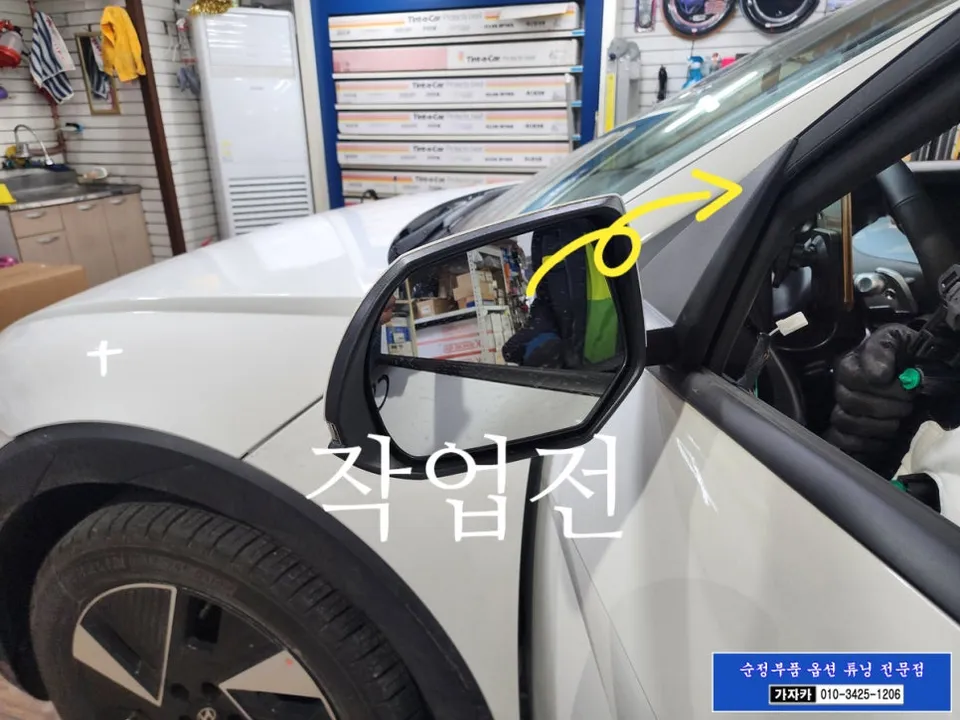
After

Process photos
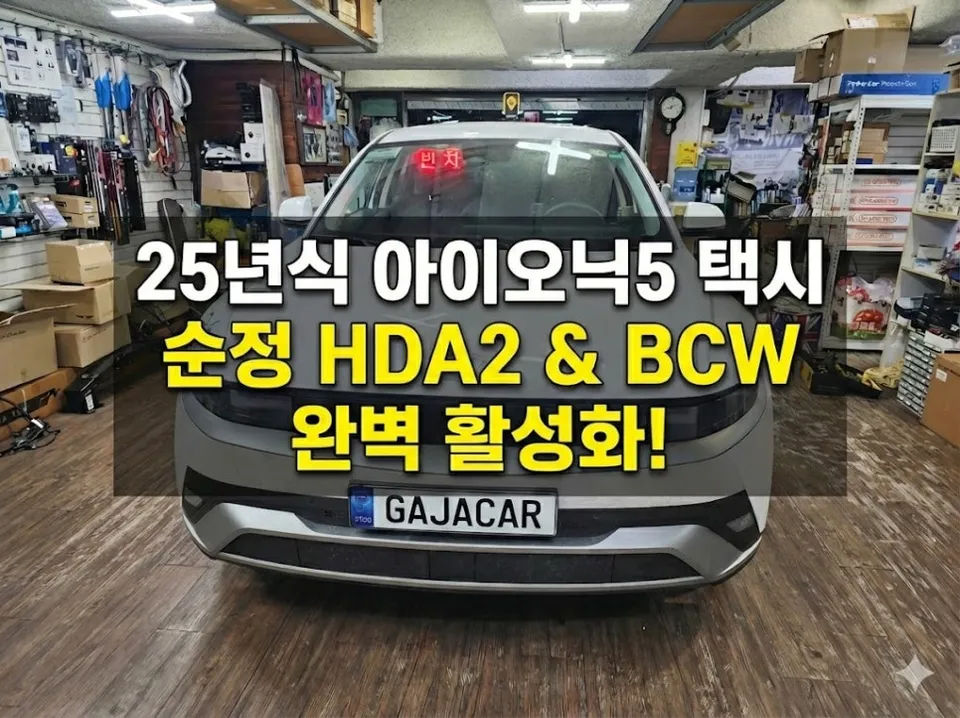
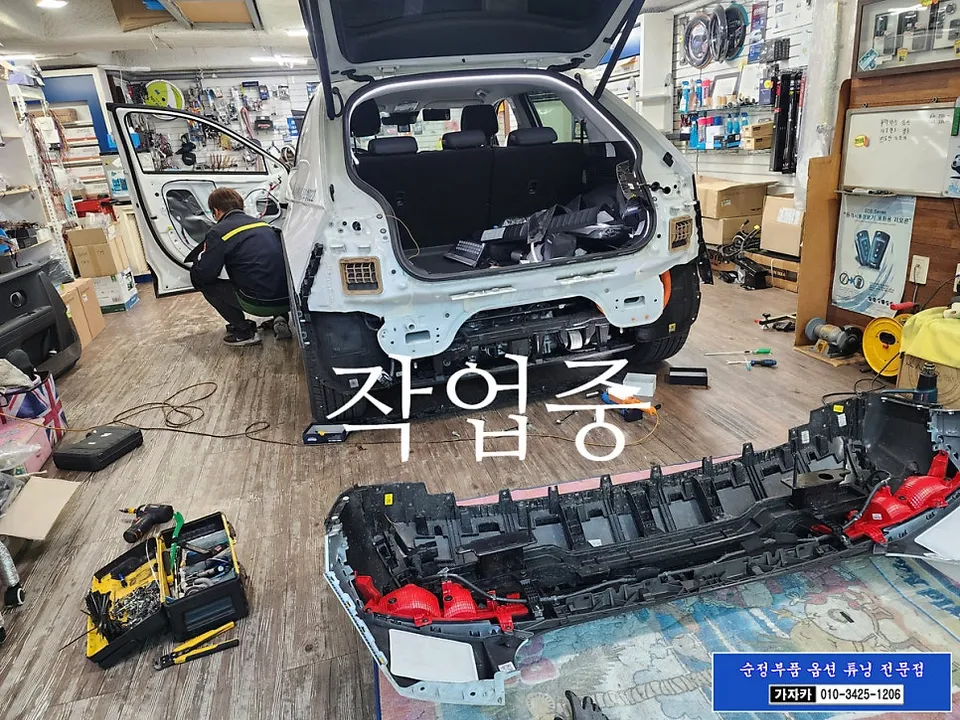
Hyundai IONIQ 5 OEM safety option retrofit: Approx. ₩1,500,000 ($1,100 USD). Adds features like Blind-Spot Collision-Avoidance Assist.
Enhancing Your Hyundai IONIQ 5 with Factory Options
For owners of the Hyundai IONIQ 5, especially those with earlier models or specific trims, the desire to add advanced safety and convenience features is common. This review focuses on the retrofit of genuine OEM (Original Equipment Manufacturer) options, specifically looking at safety systems like Blind-Spot Collision-Avoidance Assist (BCA), Rear Cross-Traffic Collision-Avoidance Assist (RCCA), and Safe Exit Warning (SEW). These features, often available on higher trims or newer model years, can significantly enhance driving safety and comfort. The process involves integrating original Hyundai parts and software to ensure seamless functionality, as demonstrated in an upgrade performed in Seoul, South Korea.
Before and After: Real-World Results
The primary goal of this upgrade is to bring the functionality of higher-tier trims to an existing vehicle. For instance, adding the Blind-Spot Collision-Avoidance Assist (BCW) means the IONIQ 5 gains the ability to detect vehicles in blind spots and can even apply brakes to prevent an unsafe lane change. Similarly, Rear Cross-Traffic Collision-Avoidance Assist (RCCA) becomes active, warning the driver of approaching vehicles when reversing out of a parking space and potentially intervening with braking. Safe Exit Warning (SEW) alerts occupants if they are about to open a door into the path of an approaching vehicle. The 'before' state is a vehicle lacking these specific warnings and interventions, while the 'after' state is a fully functional system, indicated by new dashboard icons, audible alerts, and visual warnings on the side mirrors or instrument cluster. The integration is designed to be indistinguishable from factory-installed equipment.
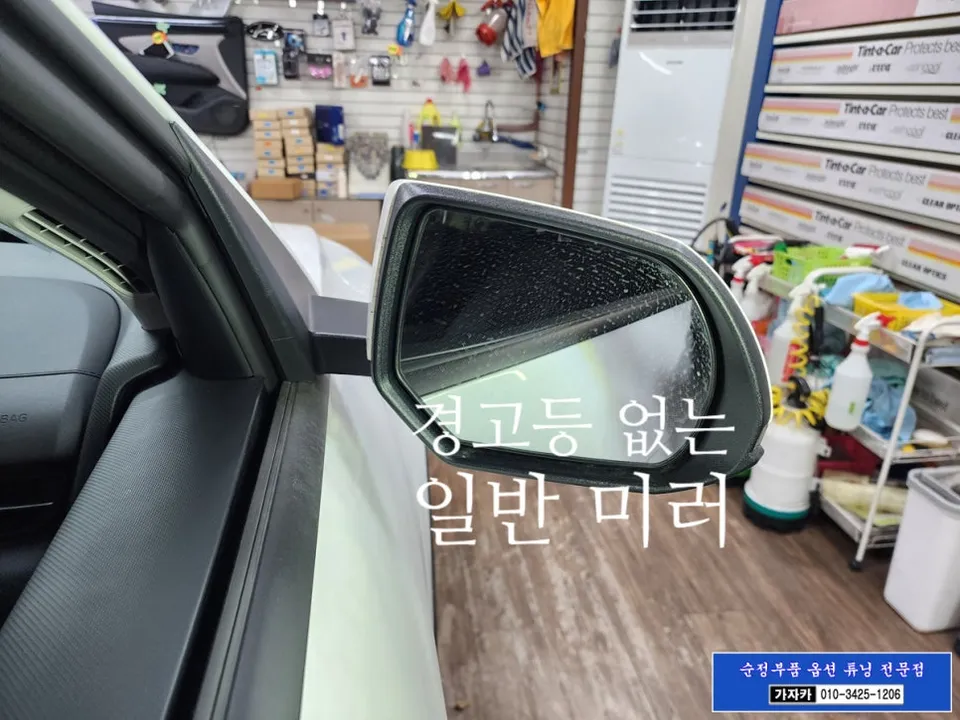
Installation Process and Durability
Retrofitting OEM options involves more than just plugging in new components; it requires precise installation and software activation. The process typically includes sourcing genuine Hyundai parts such as sensors, cameras, control modules, and wiring harnesses specific to the desired features. These are then carefully installed in their designated factory locations. Following the physical installation, the vehicle's software must be updated and programmed to recognize and operate the new systems. This ensures that the new features integrate correctly with the existing vehicle electronics and display information through the standard interfaces.
Installation process:
- Component Sourcing: Genuine Hyundai parts for the specific options (e.g., BCA sensors, RCCA module) are acquired.
- Physical Installation: Parts are installed in their factory-intended locations, which may involve removing interior panels or bumpers.
- Wiring Integration: New wiring harnesses are connected to the vehicle's existing electrical system and relevant control units.
- Software Activation: The vehicle's onboard computer is reprogrammed to enable and configure the newly installed features.
- System Testing: All functions are tested to ensure they operate correctly and safely.
Once installed and activated, these OEM options are designed for the same durability and reliability as factory-fitted equipment. Maintenance is generally minimal, usually involving keeping sensors and cameras clean from dirt or debris. The longevity is expected to match the lifespan of other electronic components in the vehicle.
The cost for such an upgrade in South Korea, as performed by specialists like GAJACAR, can vary significantly based on the specific options chosen. For example, a package including HDA2 (Highway Driving Assist 2), BCA, RCCA, and SEW for a 2021 IONIQ 5 taxi was reported to be around 1,500,000 KRW (approximately $1,100 USD at the time of reporting). This price reflects the cost of genuine parts and the specialized labor required for integration and programming. While this is a significant investment, it offers a way to enhance the safety and value of the vehicle without compromising its original design or warranty integrity.
Frequently Asked Questions
Q. How much does OEM option and factory upgrade installation cost for a Hyundai IONIQ 5?
In South Korea, retrofitting OEM options like advanced safety features for a Hyundai IONIQ 5 can cost around ₩1,500,000 (approx. $1,100 USD). Typical US pricing for similar factory option retrofits can range from $800 to $2,500 depending on the complexity and specific features.
Q. How long does OEM options installation take on a Hyundai IONIQ 5?
The durability of OEM options is designed to match the vehicle's lifespan, requiring minimal maintenance beyond keeping sensors clean. Proper installation ensures long-term reliability and performance.
Q. Are OEM options worth adding after purchase for a Hyundai IONIQ 5?
Adding OEM options is most beneficial for owners who missed out on desired safety or convenience features from the factory. It's a worthwhile investment for enhancing vehicle safety and potentially resale value, especially if the cost is significantly less than trading up to a higher trim.
Q. How are OEM factory options installed on a Hyundai IONIQ 5?
Installation involves sourcing genuine Hyundai parts, physically fitting them into factory locations (e.g., sensors, modules), integrating new wiring harnesses, and finally, reprogramming the vehicle's software to activate and configure the new features. The entire process is followed by thorough system testing.
Q. What is the difference between dealer-installed options and aftermarket upgrades for a Hyundai IONIQ 5?
OEM options use genuine manufacturer parts and are integrated with the vehicle's original systems, ensuring perfect compatibility and often maintaining warranty. Aftermarket upgrades use third-party components, which may offer lower costs but can sometimes lead to compatibility issues or void parts of the vehicle's warranty.
OhCar Partner Shop