Hyundai IONIQ 6 Seat Climate Upgrade Review
Service Price
$40–80
Estimated price · Actual price may vary by shop


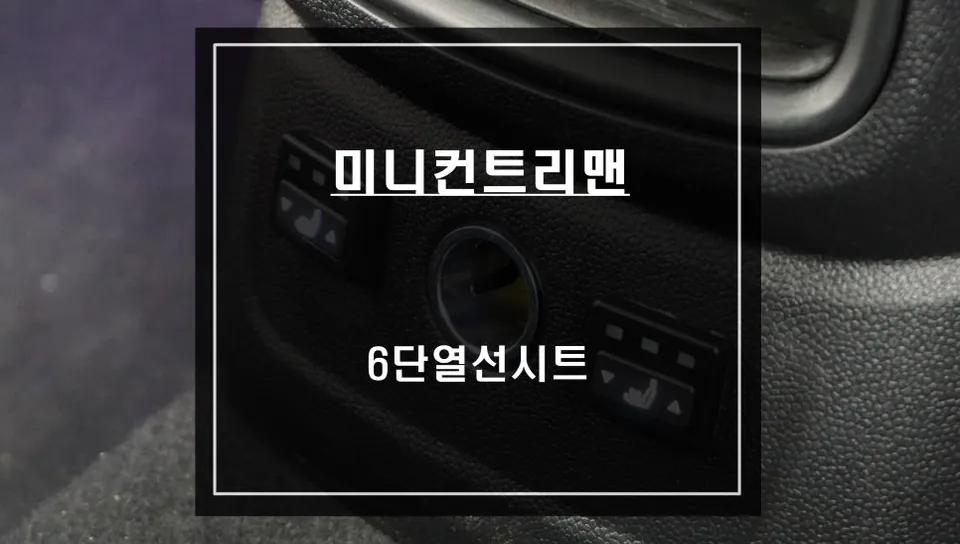
IONIQ 6 rear heated seat retrofit: ₩500,000-₩800,000. Seamless integration, factory look.
Upgrade Your Hyundai IONIQ 6 with Seat Climate Control
The Hyundai IONIQ 6 is celebrated for its striking design and impressive driving dynamics. However, certain model years, like the 2023, notably lacked rear heated seats, leaving rear passengers wanting more comfort during colder months. This is particularly felt by families or those frequently undertaking long drives in chilly weather. This review explores a popular solution: adding rear heated seats to the IONIQ 6, seamlessly integrating the functionality without altering the vehicle's clean aesthetic. This type of upgrade is especially sought after in regions like Gimhae, South Korea, with IONIQ 6 owners reporting high satisfaction levels.
Why Integrated Seat Heating Matters for the IONIQ 6
While the 2023 IONIQ 6 may not come standard with rear heated seats, it's possible to retrofit this comfort feature using a method that mimics the original factory setup. The primary advantage of this approach is avoiding the addition of aftermarket buttons. For owners who prefer to maintain the dashboard and center console's uncluttered look, this is the ideal choice. It allows for the use of heating functions just as you would in a factory-equipped vehicle, leading to significant owner satisfaction. Given the complex wiring inherent in electric vehicles like the IONIQ 6, professional installation is crucial. Improper work can lead to seat damage or changes in seating comfort. Therefore, entrusting this to experienced specialists is paramount. This service is consistently in demand not only in Gimhae but also in nearby areas like Busan and Changwon.

Detailed Look at the Integrated Seat Heating Installation Process
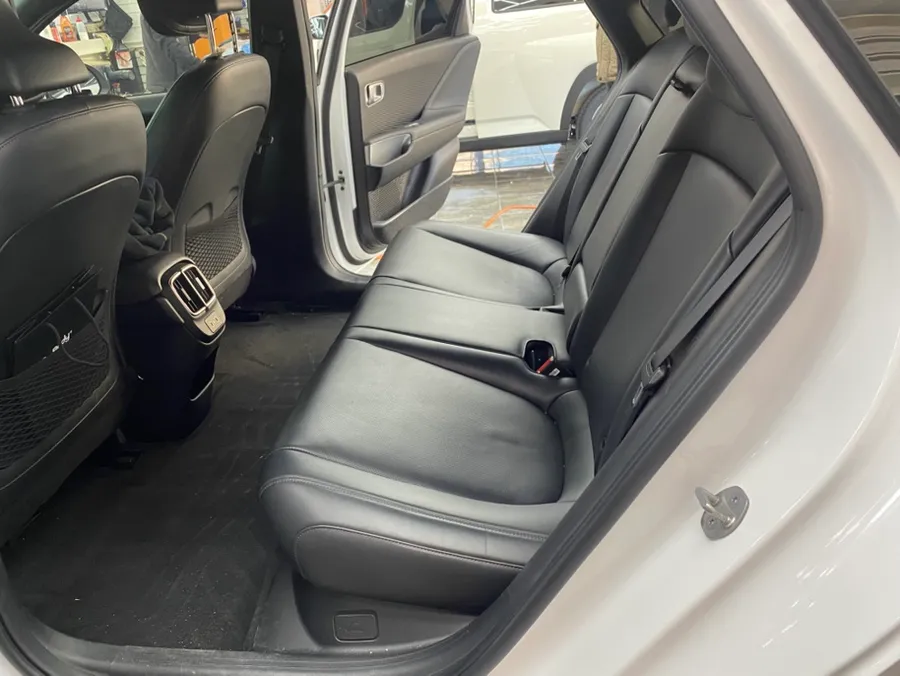
The focus of this IONIQ 6 rear heated seat installation is 'natural integration.' Instead of adding new buttons, the process maximizes the use of the car's original systems. The heating elements are installed within the seats, ensuring that the exterior appearance remains virtually unchanged post-installation. This is a delicate task achievable only by professionals with extensive experience. The IONIQ 6's seat structure can be sensitive, and aggressive disassembly or reassembly might cause leather creasing or alter the seating feel. Therefore, the top priorities are to avoid damaging the seat cushions, minimize leather creasing, and preserve the original seating comfort. All work is performed with the goal of maintaining the existing seat condition as much as possible.
Installation Process:
- Careful disassembly of the seat covers to access the internal structure.
- Precise placement and secure attachment of the heating elements onto the seat cushion and backrest.
- Seamless integration of wiring into the vehicle's existing electrical system, often utilizing original switch locations or integrating with existing climate controls where feasible.
- Reassembly of seat covers, ensuring a factory-like fit and finish.
- Thorough testing of the heating functions across all settings to confirm proper operation.

Cost and Time for IONIQ 6 Seat Heating Installation
The cost for retrofitting rear heated seats in a 2023 IONIQ 6, using an integrated, factory-style method, typically ranges from approximately 500,000 to 800,000 Korean Won (roughly $380 - $600 USD, depending on exchange rates). This price can vary based on the quality of the heating pads used, the scope of the installation, and the installer's expertise. For instance, opting for premium heating pads that offer more temperature levels or enhanced durability will increase the cost. The installation process usually takes between 3 to 4 hours, with same-day completion and vehicle return being common. However, availability and vehicle condition might cause slight adjustments, so confirming the schedule with the installer beforehand is advisable. This is not merely adding heat; it's a precise job requiring perfect synchronization with the car's original systems. Choosing an experienced professional is key. The expected lifespan of the installed system is generally 3-5 years or more with proper care.
Frequently Asked Questions
Q. How much does ventilated seat installation cost for a Hyundai IONIQ 6?
The cost for retrofitting rear heated seats in a Hyundai IONIQ 6 ranges from 500,000 to 800,000 Korean Won (approx. $380-$600 USD). Typical US prices for aftermarket seat heating or cooling kits can range from $40-$80 per seat, with professional installation adding to the total cost.
Q. How long does seat ventilation installation take on a Hyundai IONIQ 6?
The installation process for seat heating on a Hyundai IONIQ 6 typically takes 3 to 4 hours. With proper care, the installed heating elements can last for 3-5 years or more, and a simple tip for maintenance is to avoid placing excessively heavy or sharp objects directly on the heated areas.
Q. Are aftermarket ventilated seats worth it for a Hyundai IONIQ 6?
Retrofitting rear heated seats is highly recommended for IONIQ 6 owners who frequently carry passengers in colder climates or desire enhanced rear comfort. The value lies in achieving factory-like functionality and appearance without intrusive aftermarket additions.
Q. How are ventilated seats installed in a Hyundai IONIQ 6?
Installation involves carefully disassembling seat covers, precisely fitting heating elements, integrating wiring into the car's original system, and reassembling the seats for a factory finish. The system is then tested to ensure all heating functions work correctly.
Q. What is the difference between OEM and aftermarket ventilated seats for a Hyundai IONIQ 6?
The key difference is that this integrated retrofit aims to mimic OEM functionality and appearance by avoiding external buttons, unlike typical aftermarket kits which may require separate switches. For a seamless look and feel, the integrated approach is generally preferred.
OhCar Partner Shop