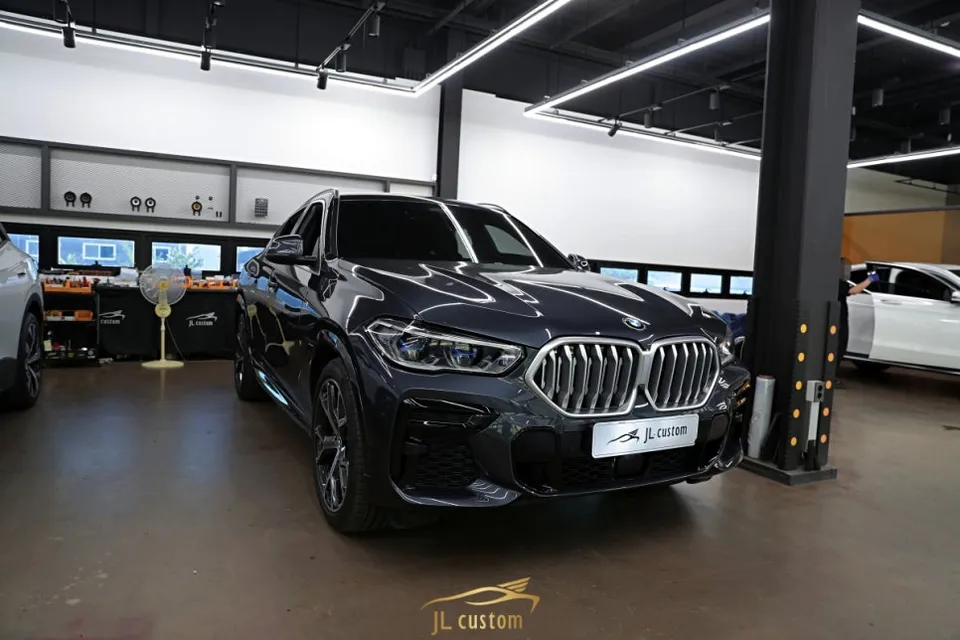
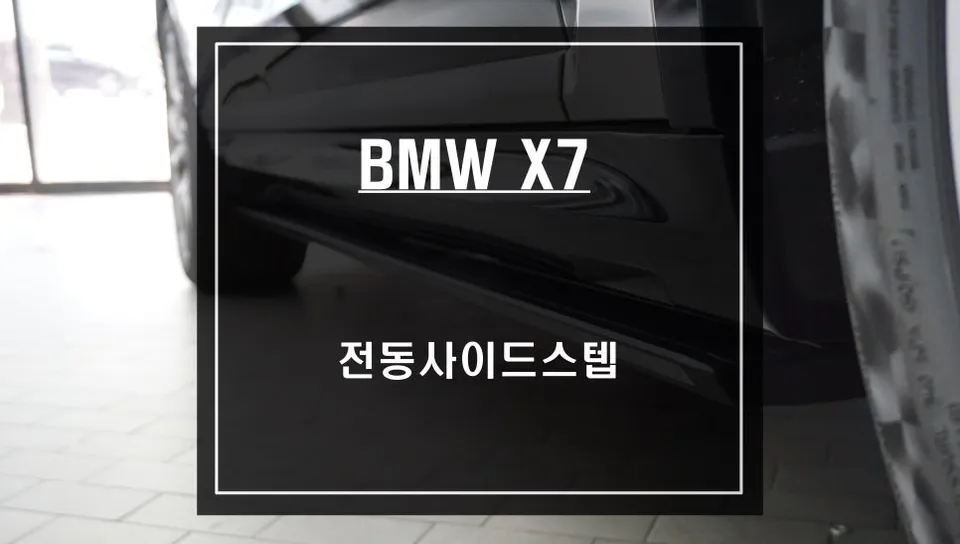
BMW X7 Seat Ventilation & Heating Review — Cost & Results
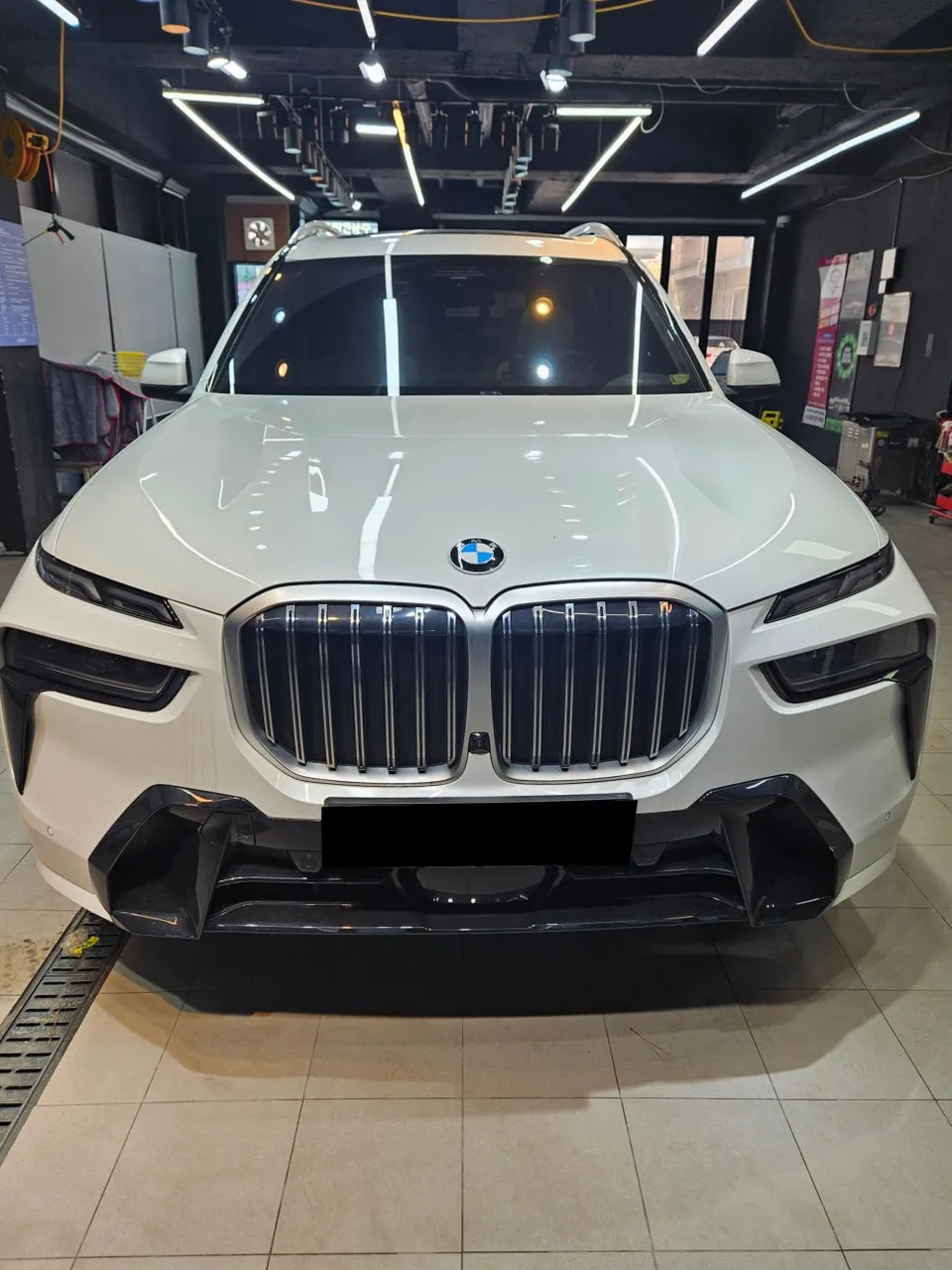
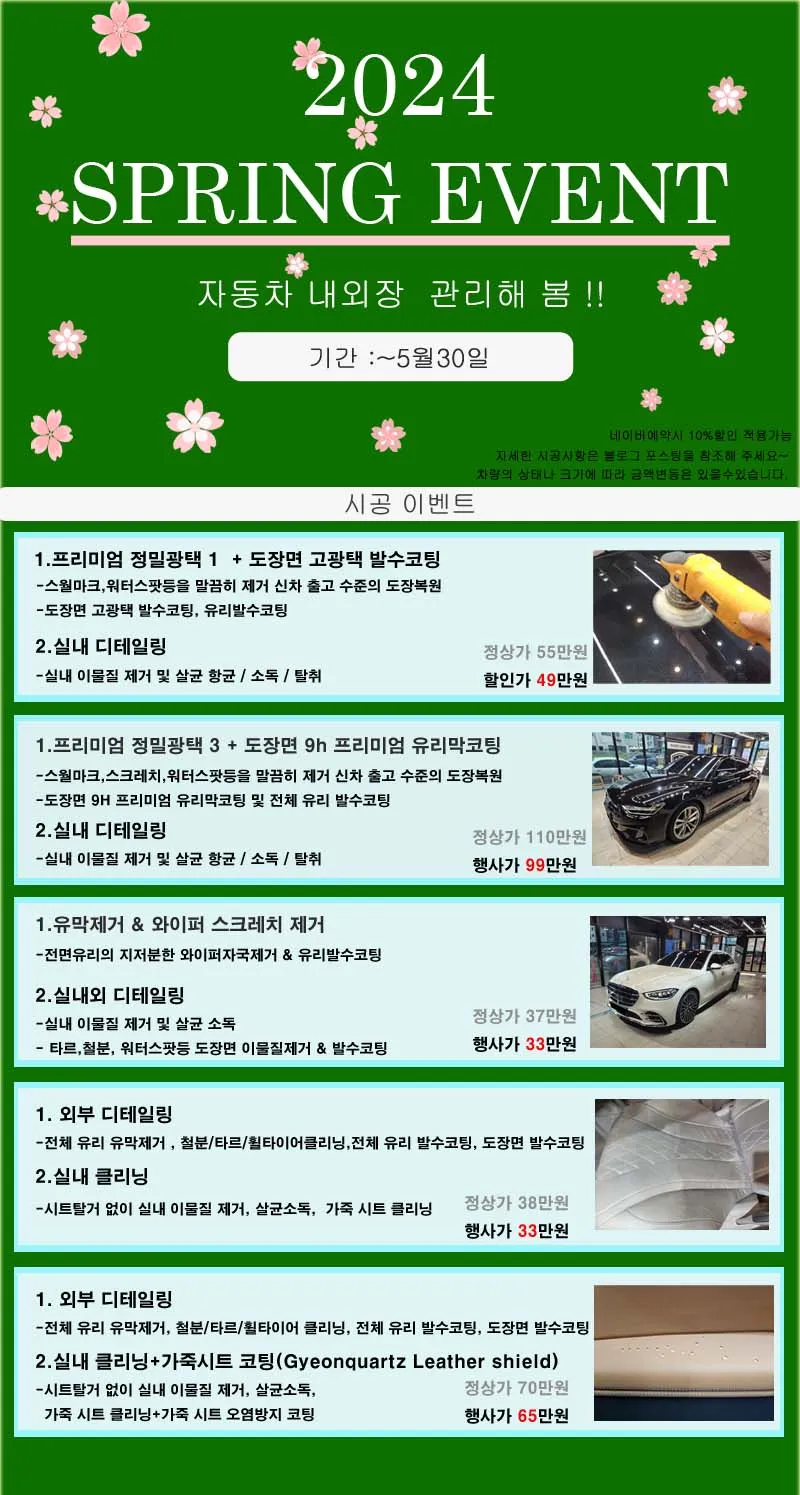
BMW X7 seat ventilation & heating retrofit: Enhances comfort in all weather. Professional installation required.
Enhancing Your BMW X7 with Seat Climate Control
The BMW X7 offers a luxurious driving experience, but for ultimate comfort in any weather, adding seat ventilation and heating can be a game-changer. This review delves into the specifics of a seat climate upgrade for the X7, covering installation, performance, and whether it's a worthwhile investment. While the original context for this service comes from a premium detailing center in South Korea, the principles and results are applicable to owners considering similar retrofits globally.
Installation Process and Performance
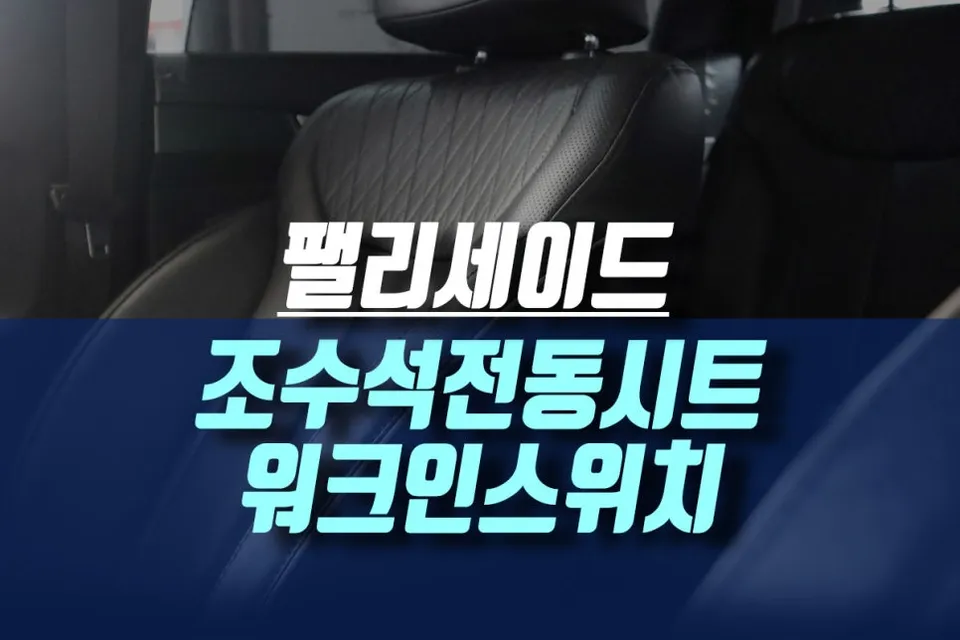
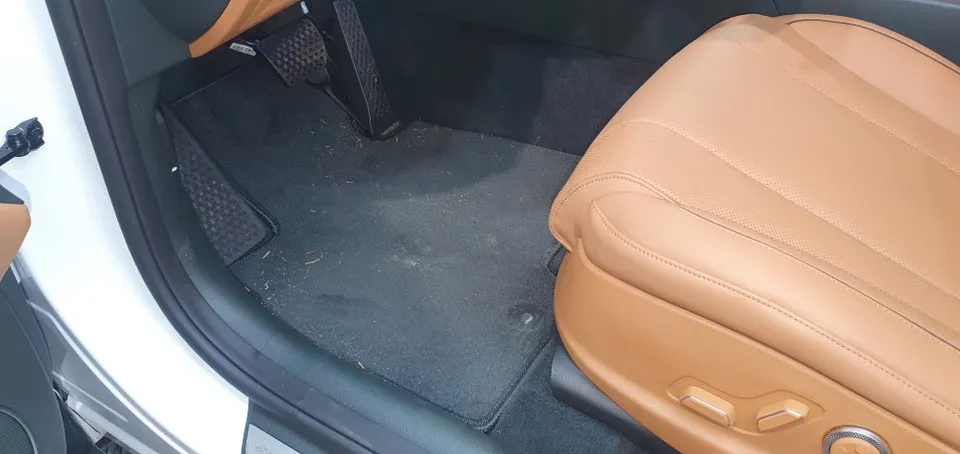
Retrofitting ventilated and heated seats involves integrating specialized components into your existing seat upholstery. The process requires careful disassembly of the seats to install the ventilation fans, heating elements, and control modules. The goal is to seamlessly integrate these features so they function like factory-installed options. After installation, the difference is significant. On hot days, the ventilation system circulates air, providing a cooling sensation that prevents discomfort. In colder weather, the heating elements quickly warm the seats, offering immediate comfort. The effectiveness of the system depends on the quality of the components and the precision of the installation. Materials used typically include durable, breathable fabrics or perforated leather for the seat surface, along with high-quality fans and heating pads designed for automotive use. Durability is generally good, with most systems designed to last for many years with proper care. Regular maintenance involves keeping the seat surfaces clean and ensuring no debris obstructs the ventilation ports.
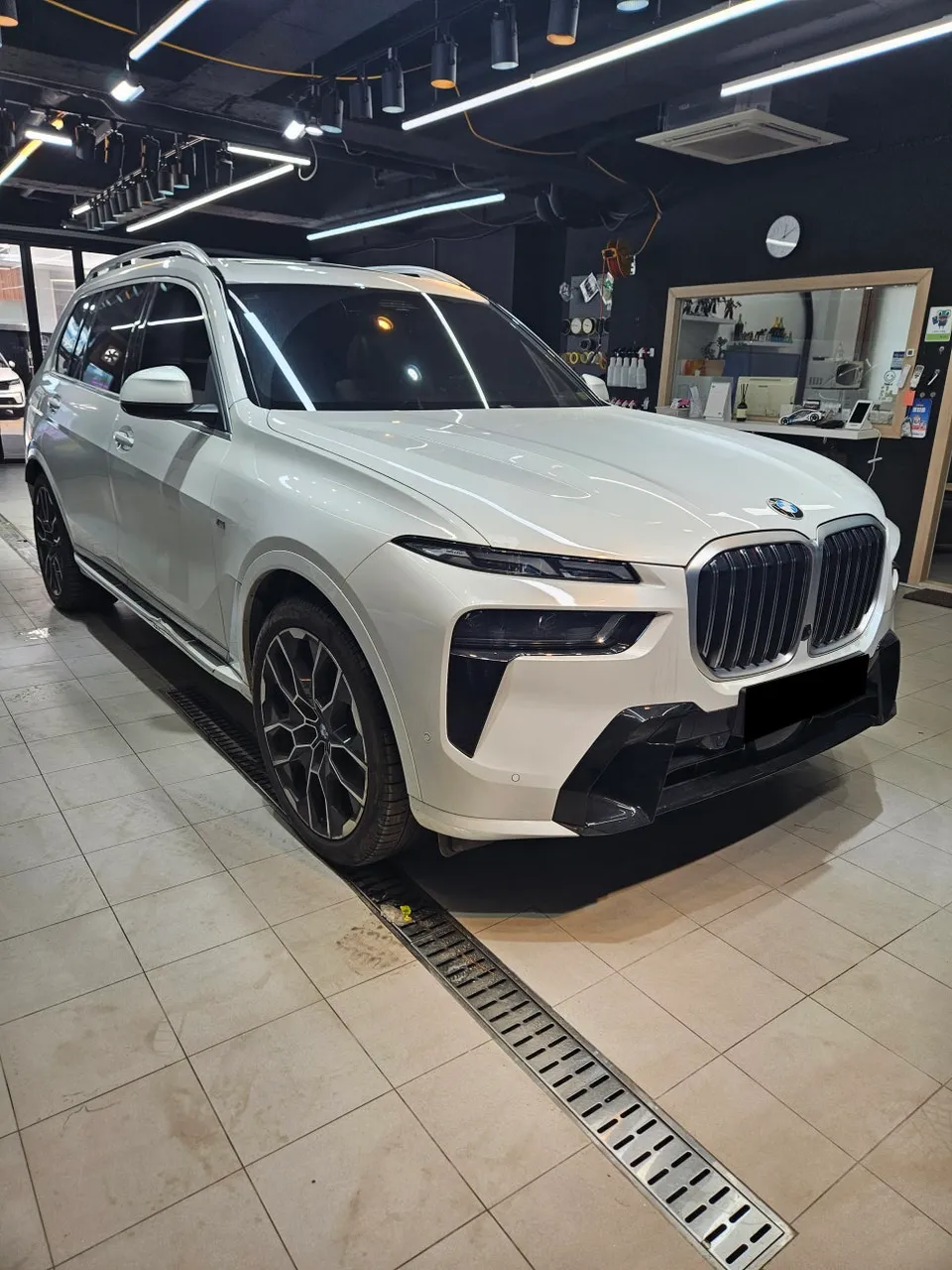
Is a Seat Climate Upgrade Worth It for Your BMW X7?
Deciding whether to invest in ventilated and heated seats for your BMW X7 depends on your priorities and climate. If you frequently experience extreme temperatures or simply desire a higher level of comfort year-round, the upgrade can significantly enhance your driving experience. The cost can vary, but it represents a substantial investment in comfort and vehicle functionality. The before and after results are dramatic, transforming uncomfortable seats into climate-controlled sanctuaries. For owners who value premium comfort and are looking to maximize their luxury SUV's features, this seat climate upgrade is often considered a worthwhile enhancement. The installation process, while complex, is performed by skilled technicians to ensure optimal performance and integration.
Installation Process:
- Seat disassembly to access upholstery and internal structures.
- Installation of ventilation fans and heating elements beneath the seat surface.
- Wiring integration with the vehicle's electrical system and control panel.
- Reassembly of seats and functional testing of all climate features.
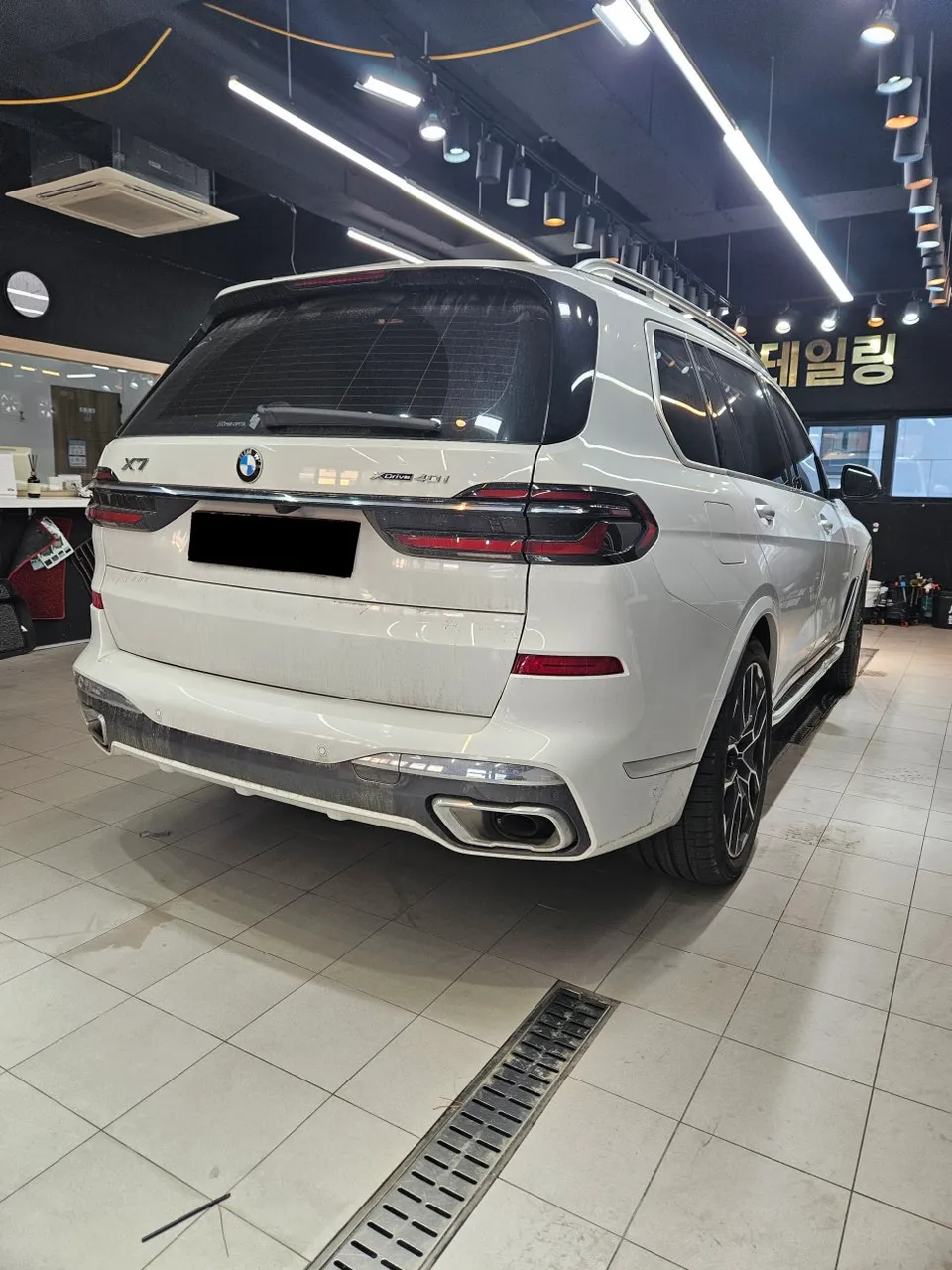
Frequently Asked Questions
Q. How much does ventilated seat installation cost for a BMW X7?
The cost for this specific installation in South Korea was approximately 1,500,000 KRW (around $1,100 USD). Typical US installation costs for aftermarket ventilated seats can range from $800 to $2,000 depending on the vehicle and shop.
Q. How long does seat ventilation installation take on a BMW X7?
While the original context doesn't specify the exact duration, such complex retrofits typically take 1-2 full days. Proper installation ensures durability, and regular maintenance involves keeping seat surfaces clean and ensuring ventilation ports are clear.
Q. Are aftermarket ventilated seats worth it for a BMW X7?
Yes, aftermarket ventilated seats are worth it for BMW X7 owners who frequently face extreme temperatures or desire enhanced year-round comfort. The significant improvement in driving experience justifies the investment for many luxury vehicle owners.
Q. How are ventilated seats installed in a BMW X7?
Installation involves carefully disassembling the seats to integrate ventilation fans and heating elements beneath the upholstery. The system is then wired into the vehicle's electrical system, and the seats are reassembled and tested.
Q. What is the difference between OEM and aftermarket ventilated seats for a BMW X7?
OEM ventilated seats are factory-integrated with seamless controls and guaranteed compatibility. Aftermarket options offer a similar function at a potentially lower cost but require professional installation and may have less integrated controls.
OhCar Partner Shop