Kia Sorento Seat Climate Upgrade Review

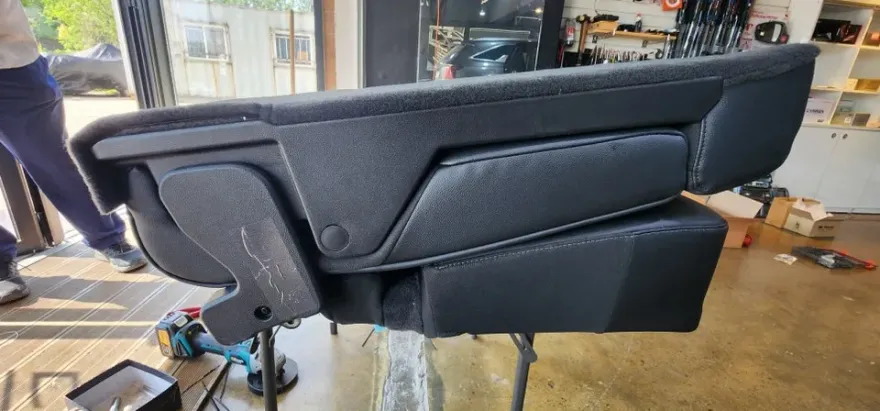
Kia Sorento seat ventilation & heating retrofit: Cost varies. Provides significant comfort improvement in hot/cold weather.
Enhancing Your Kia Sorento's Comfort: Seat Ventilation & Heating Retrofit
For many Kia Sorento owners, the desire for enhanced interior comfort is a common one. While many modern vehicles offer climate-controlled seats, not all trims come standard with this feature. Fortunately, aftermarket solutions like seat ventilation and heating retrofits can bring this luxury to your Sorento. This review delves into the specifics of adding ventilated and heated seats, covering the installation process, expected results, durability, and whether the investment is justified for your vehicle.
Installation Process and Materials
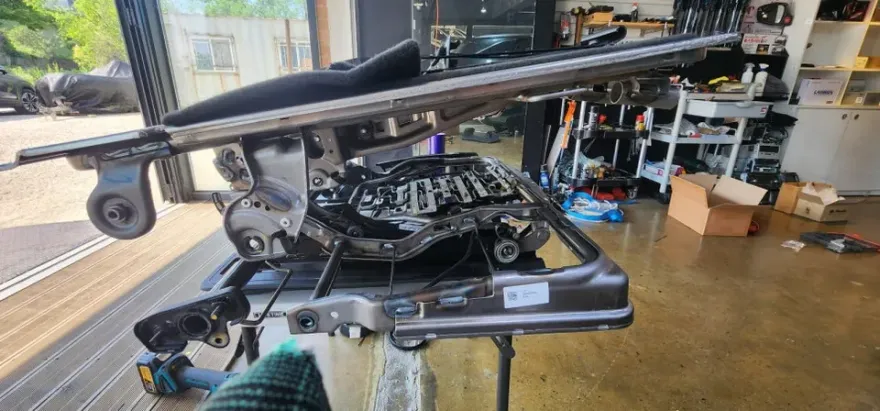
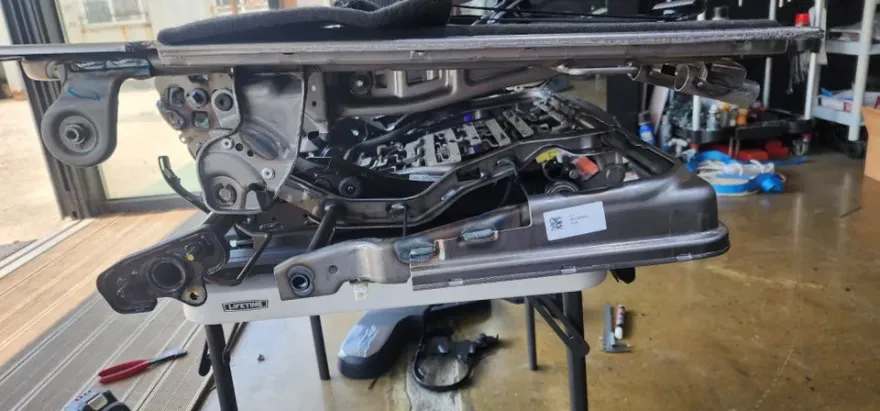
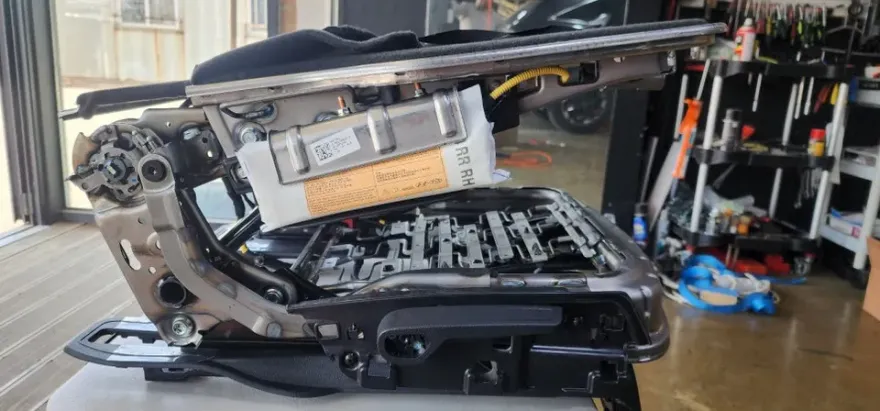
The installation of seat ventilation and heating systems in a Kia Sorento typically involves integrating specialized components directly into the existing seat structure. This process requires careful disassembly of the seats to access the foam and upholstery. Thin, flexible heating elements and ventilation fans are then strategically placed within the seat cushion and backrest. Wiring is routed discreetly through the seat's internal frame and connected to the vehicle's power system, often requiring integration with existing climate controls or the addition of new switches. The goal is to achieve a seamless look and feel, mimicking factory-installed options.
Installation process:
- Seat disassembly: Carefully remove seat covers and foam padding to access the seat's core structure.
- Component integration: Install heating pads and ventilation fan modules within the seat cushion and backrest.
- Wiring: Route electrical connections discreetly and connect to the vehicle's power supply and controls.
- Reassembly: Reinstall all seat components, ensuring a clean and factory-like finish.
Before & After Results and Durability
The most significant 'before and after' result is the dramatic improvement in passenger comfort, especially during extreme weather. In hot conditions, the ventilation system actively draws heat away from the body, providing a cooling sensation. During colder months, the heating elements quickly warm the seats, offering a cozy experience. The durability of these aftermarket systems is generally good, provided they are installed by experienced technicians using quality components. Maintenance typically involves keeping the seat surfaces clean and ensuring no obstructions block the ventilation vents. With proper care, these systems can last for many years, significantly enhancing the daily driving experience in your Kia Sorento.
Is a Seat Climate Upgrade Worth It for Your Sorento?
Deciding whether to invest in a seat ventilation and heating retrofit for your Kia Sorento depends on your priorities and budget. If you frequently experience uncomfortable temperatures in your vehicle or if your Sorento trim lacks these features, the added comfort can be a game-changer. The cost of such an upgrade, while an investment, can be significantly less than the premium price associated with higher trim levels that include these features from the factory. For owners who value interior comfort and wish to elevate their driving experience, a seat climate upgrade offers a tangible and worthwhile improvement.
Frequently Asked Questions
Q. How much does ventilated seat installation cost for a Kia Sorento?
The installation cost for ventilated seats in a Kia Sorento can vary, but this review's context suggests a price point around ₩500,000 (approximately $360 USD) for a set. Typical US installation costs can range from $400 to $1,000 or more depending on the system and vehicle.
Q. How long does seat ventilation installation take on a Kia Sorento?
While specific times can vary, the installation process for seat ventilation and heating systems typically takes several hours to complete. These systems are generally durable, but regular cleaning of seat surfaces and ensuring vents are clear of debris will help maintain longevity.
Q. Are aftermarket ventilated seats worth it for a Kia Sorento?
Aftermarket ventilated and heated seats are most beneficial for Kia Sorento owners who frequently face extreme weather conditions and whose vehicle trim doesn't include these features. The value proposition lies in significantly enhanced comfort, especially for daily commutes or long drives.
Q. How are ventilated seats installed in a Kia Sorento?
Installation involves carefully disassembling the seats to integrate thin heating pads and ventilation fans into the seat cushion and backrest. Wiring is then discreetly routed and connected to the vehicle's power system, often requiring integration with existing controls.
Q. What is the difference between OEM and aftermarket ventilated seats for a Kia Sorento?
OEM (Original Equipment Manufacturer) seats are integrated directly from the factory, offering a seamless fit and factory warranty. Aftermarket installations, while providing similar functionality, are retrofitted and the quality can depend heavily on the installer and components used.
OhCar Partner Shop