Hyundai Santa Fe MX5 Seat Cooling Retrofit Review
Service Price
$40–80
Estimated price · Actual price may vary by shop
Before
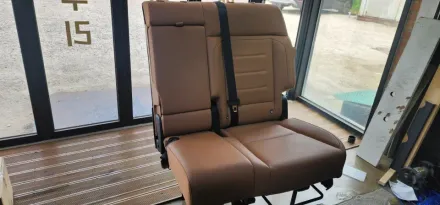
After
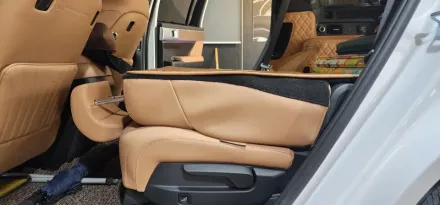
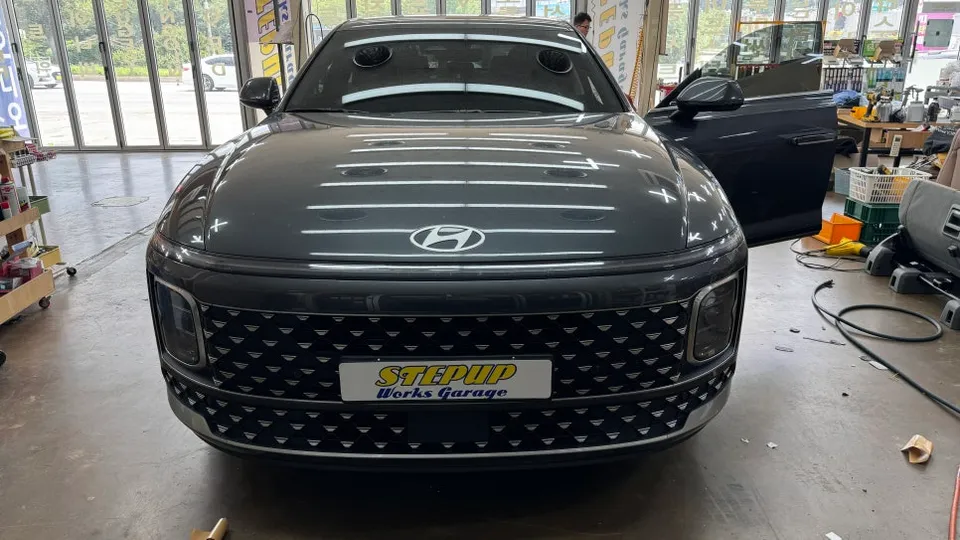
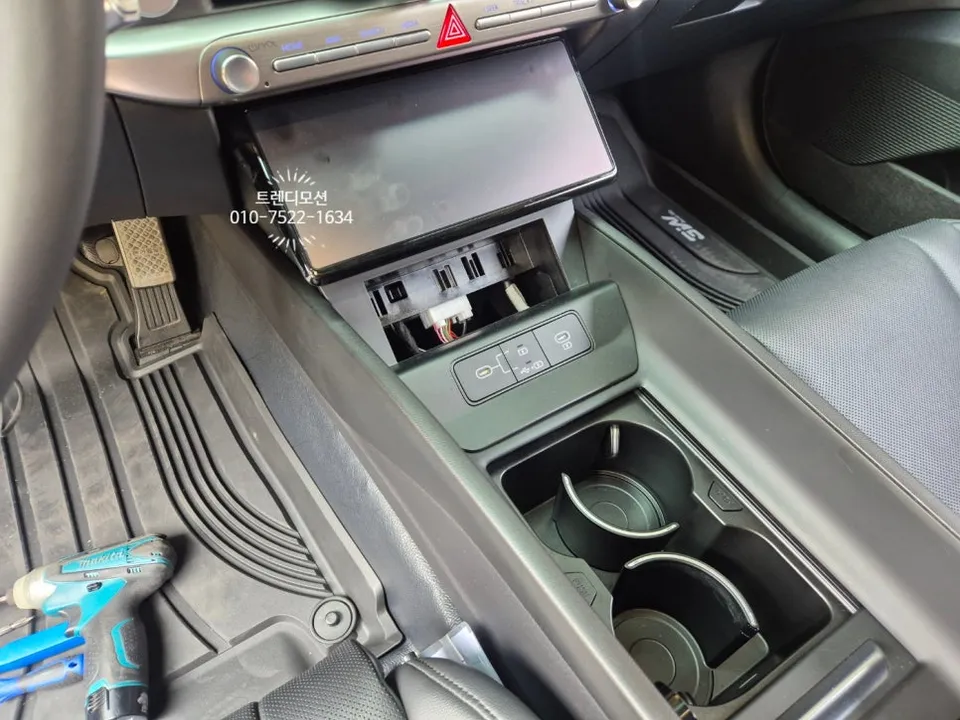
Process photos
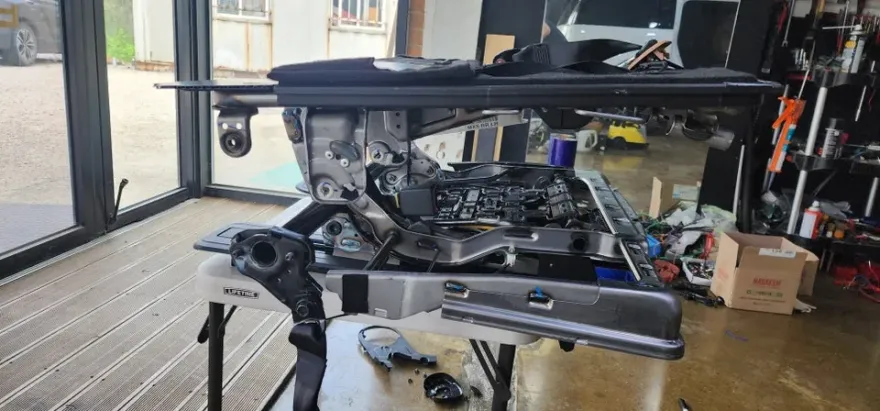
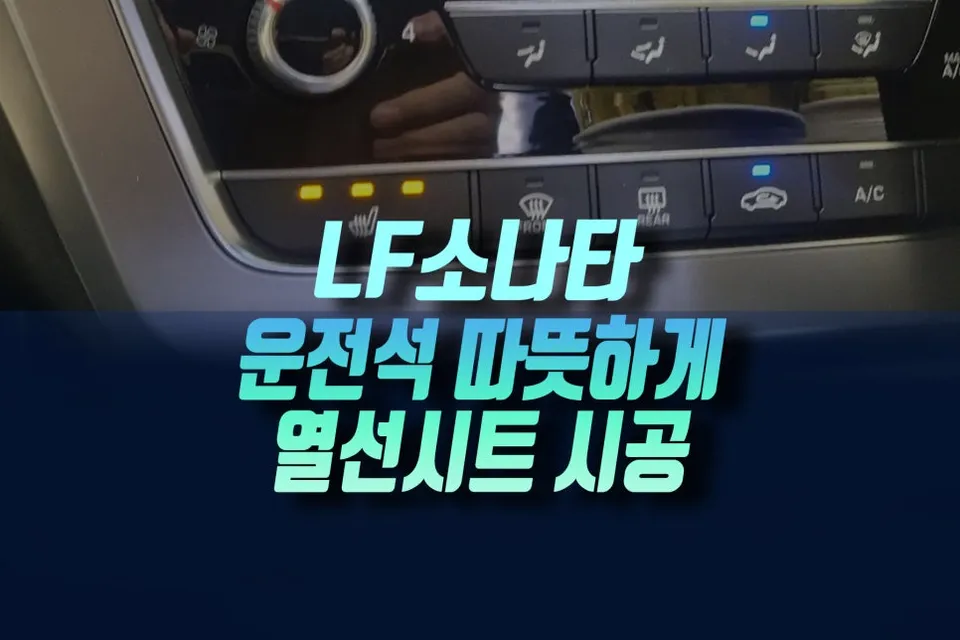
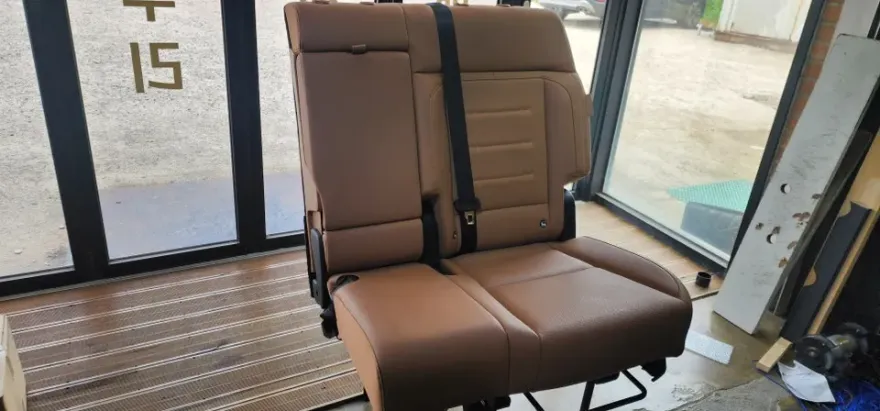
Seat ventilation & heating retrofit for Hyundai Santa Fe MX5: Approx. $400-$800+. Enhances comfort in all climates.
Enhancing Your Hyundai Santa Fe MX5 with Seat Climate Control
For owners of the Hyundai Santa Fe MX5 looking to elevate their driving experience, particularly those who enjoy activities like car camping or long road trips, upgrading to ventilated and heated seats can be a game-changer. While the Santa Fe MX5 offers a comfortable ride, the ability to precisely control seat temperature adds a significant layer of comfort and utility. This review delves into the specifics of retrofitting seat ventilation and heating, covering the installation process, potential costs, and the tangible benefits you can expect.
The Need for Seat Ventilation and Heating
The original seats in many vehicles, including the Santa Fe MX5, are designed for general comfort but lack advanced climate control features. In warmer climates, the lack of seat cooling can lead to discomfort during commutes, making the cabin feel stuffy. Conversely, during colder months, waiting for the cabin heater to warm up the seats can be an unpleasant experience. Retrofitting ventilated seats and heated seats addresses these issues directly. For the Santa Fe MX5, this upgrade transforms the interior into a more adaptable and comfortable space year-round. It's particularly beneficial for those who frequently use their vehicle for extended periods, such as during camping trips where a comfortable seating surface is paramount for rest.
Seat Ventilation & Heating Installation Process
The installation of seat ventilation and heating systems is a specialized process that requires precision and expertise. While specific details can vary by the aftermarket kit used, the general procedure involves several key steps:
- Seat Disassembly: The technician carefully removes the seat covers to access the underlying seat structure and foam.
- Component Integration: Ventilation fans, heating elements (often carbon fiber pads), and wiring harnesses are meticulously integrated into the seat cushions and backrests. This ensures even distribution of air and heat.
- Wiring and Control Setup: The system is wired to the vehicle's power source, and control modules or switches are installed in an accessible location, often on the seat itself or the dashboard.
- Reassembly and Testing: The seat covers are reinstalled, and the entire system is thoroughly tested to ensure all functions—ventilation levels, heating temperatures, and controls—operate correctly and safely.
This process, when performed by experienced professionals, ensures that the integrated system looks and functions as if it were a factory option. The original context mentions a similar process for seat flattening in Korea, highlighting the importance of professional execution for vehicle interior modifications.
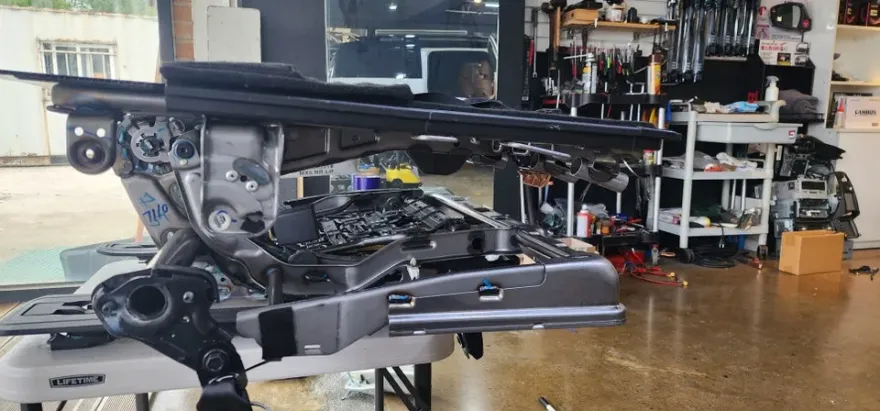
Before and After Results and Durability
The most significant 'before and after' result is the immediate comfort provided by the climate-controlled seats. Before the upgrade, you might experience discomfort from heat or cold. After installation, you gain the ability to actively cool down on hot days or warm up on chilly mornings. The ventilation system circulates air, reducing sweat and improving comfort, while the heating elements provide rapid warmth. Durability is a key consideration for any aftermarket upgrade. Reputable kits use high-quality materials designed to withstand regular use. Proper installation is crucial for longevity, as it minimizes stress on the components and wiring. Maintenance typically involves keeping the seat surfaces clean and ensuring no liquids are spilled directly onto the control panels or vents. With careful use and professional installation, these systems can last for many years, comparable to factory-installed options.
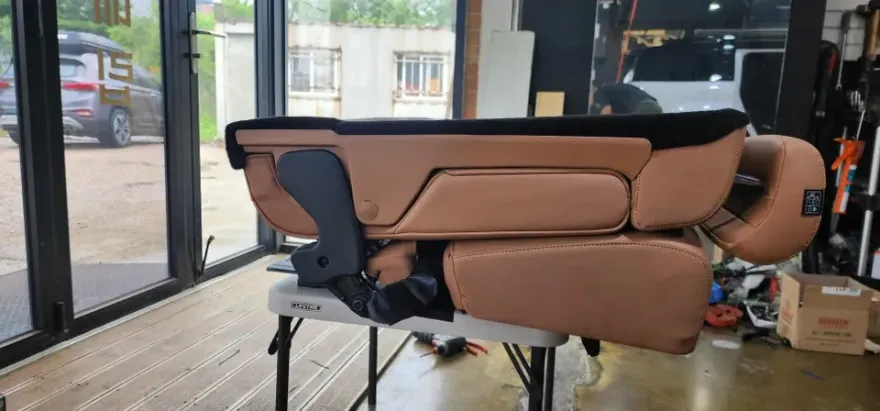
Is a Seat Climate Upgrade Worth It for Your Santa Fe MX5?
Deciding whether to invest in ventilated and heated seats for your Hyundai Santa Fe MX5 depends on your priorities and driving conditions. If you live in an area with extreme temperatures or frequently embark on long journeys, the added comfort and convenience can significantly enhance your driving experience. The cost for such retrofits can vary, but aftermarket solutions often provide a more budget-friendly option compared to factory upgrades. In Korea, similar seat modifications for comfort, like seat flattening for camping, are priced in the range of 300,000 to 500,000 KRW (approximately $220-$370 USD, depending on exchange rates). While the exact price for seat ventilation and heating retrofits in the US can range from $400 to $800 or more depending on the system and installer, the value lies in the enhanced comfort and potential resale value increase. For Santa Fe MX5 owners who prioritize interior comfort and year-round usability, this upgrade is often considered a worthwhile investment.
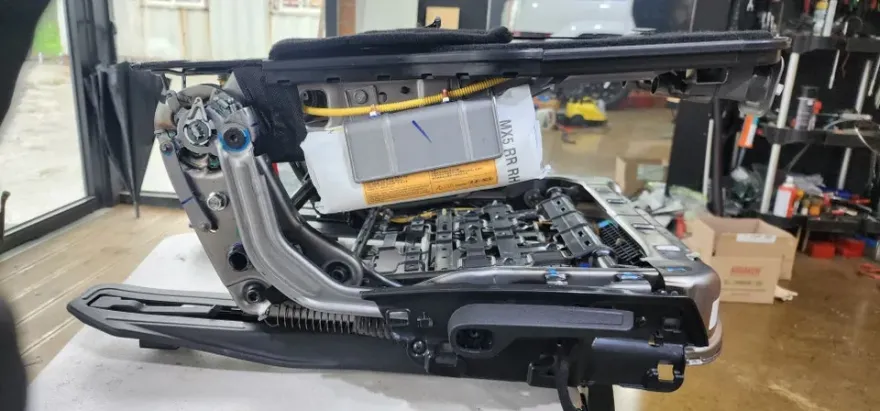
Frequently Asked Questions
Q. How much does ventilated seat installation cost for a Hyundai Santa Fe MX5?
While specific installation costs for ventilated seats on a Hyundai Santa Fe MX5 can vary, typical aftermarket retrofits in the US range from $400 to $800 or more. The original context from Korea suggests similar comfort upgrades can cost between 300,000-500,000 KRW.
Q. How long does seat ventilation installation take on a Hyundai Santa Fe MX5?
The installation process for seat ventilation and heating systems on a Hyundai Santa Fe MX5 generally takes several hours, often between 2 to 3 hours per seat, depending on the complexity of the kit and the installer's efficiency. Durability is typically good with quality kits and professional installation, and maintenance usually involves keeping the seats clean and avoiding liquid spills on controls.
Q. Are aftermarket ventilated seats worth it for a Hyundai Santa Fe MX5?
Aftermarket ventilated and heated seats are often worth the investment for Hyundai Santa Fe MX5 owners who frequently drive in extreme temperatures or prioritize enhanced interior comfort. The value proposition lies in significantly improving the driving experience and potentially increasing the vehicle's appeal.
Q. How are ventilated seats installed in a Hyundai Santa Fe MX5?
Installation involves carefully removing seat covers, integrating ventilation fans and heating elements into the seat foam, wiring the system to the vehicle's power, and installing user controls. Finally, the seat covers are reinstalled, and the system is tested for proper function.
Q. What is the difference between OEM and aftermarket ventilated seats for a Hyundai Santa Fe MX5?
OEM (Original Equipment Manufacturer) ventilated seats are integrated directly from the factory, offering a seamless fit and factory warranty, but are typically not available as a retrofit option. Aftermarket kits provide a way to add this functionality to a vehicle like the Santa Fe MX5, often at a lower cost, though professional installation is crucial for optimal results and integration.
OhCar Partner Shop