Hyundai Tucson Dash Cam Installation Review
Service Price
$40–80
Estimated price · Actual price may vary by shop
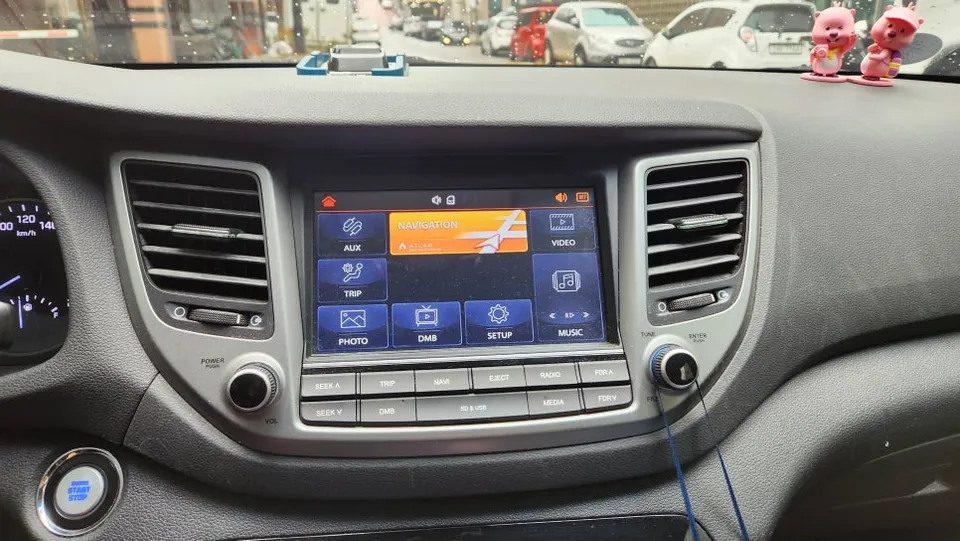
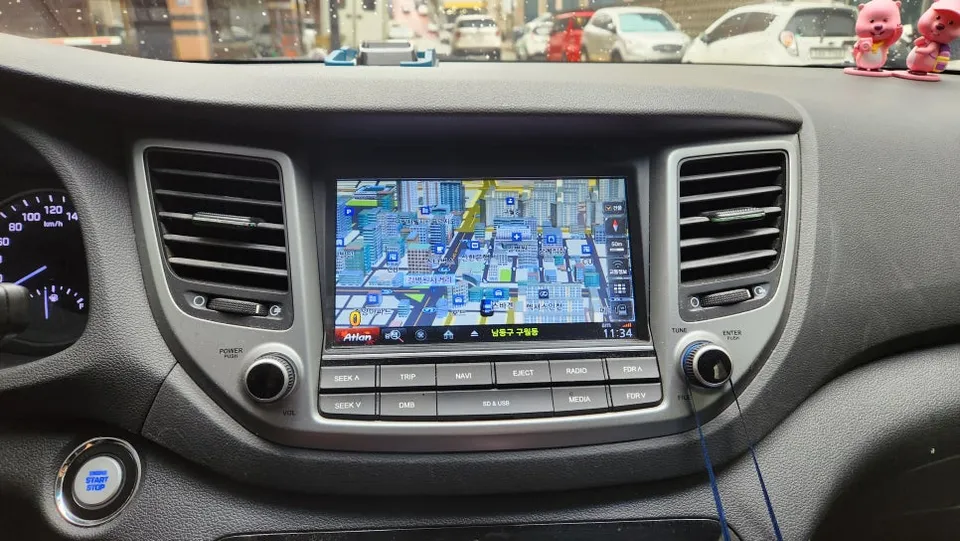
Dash cam installation on Hyundai Tucson ix: Approx. $150-$300 USD. Clear FHD recording, parking mode enabled.
Hyundai Tucson Dash Cam Installation: A Comprehensive Review
Experiencing issues with your vehicle's camera system can be frustrating, especially when it impacts crucial functions like parking assistance. This review details a recent dash cam installation and rear camera replacement on a Hyundai Tucson ix, addressing common concerns about functionality, cost, and the overall value of professional installation. While the original context is from South Korea, the insights into the process, potential issues, and product choices are relevant for car owners anywhere considering similar upgrades.
Understanding Dash Cam and Rear Camera Issues
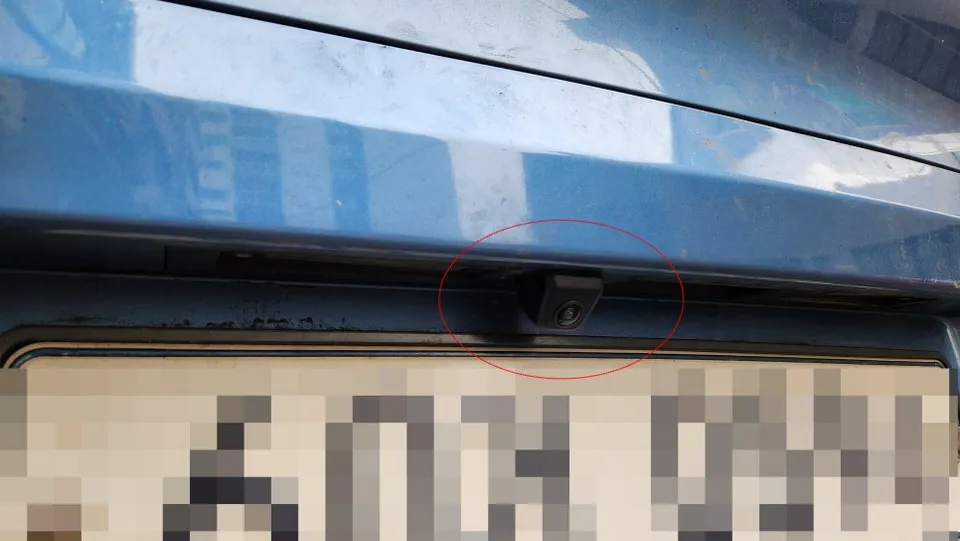
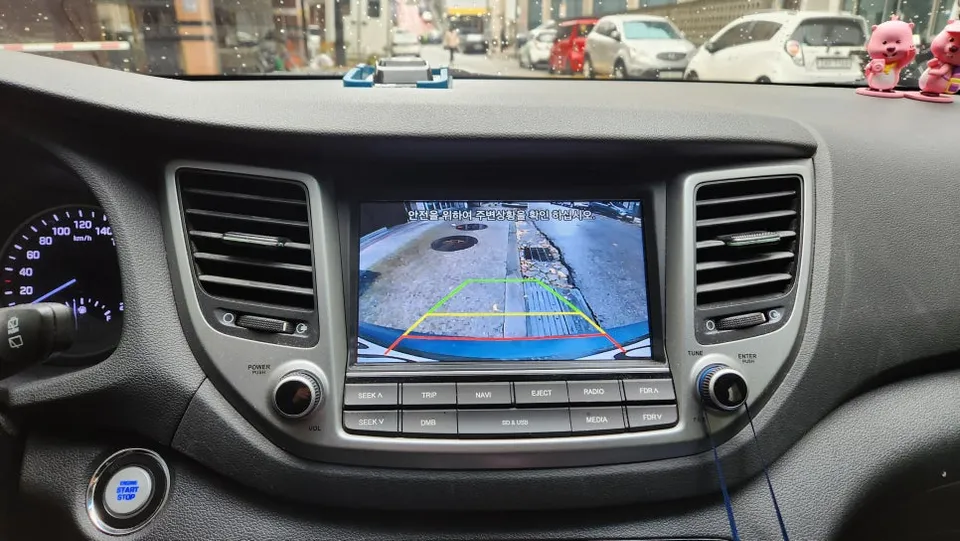
A sudden loss of the rear camera view, particularly when reversing, can be a significant inconvenience. For a Hyundai Tucson ix, the cost of replacing a faulty rear camera and potentially a dash cam (often referred to as a 'black box' in Korea) typically ranges from 300,000 to 600,000 KRW (approximately $220-$440 USD, depending on exchange rates). This price can vary based on the vehicle's age, the specific product chosen, and the complexity of the installation. Often, vehicles like the Tucson ix are fitted with aftermarket navigation systems, making it essential to diagnose whether the issue lies with the navigation unit itself or the camera system. If the existing rear camera is malfunctioning, replacement is usually the most practical solution. The process involves removing license plate bolts and the rear garnish, which can be more complex than it appears, especially on older vehicles where components might be seized or fasteners damaged. Attempting this without professional expertise can lead to further complications.
Dash Cam Installation Process and Considerations
Professional dash cam installation ensures that the device is securely mounted and properly wired for optimal performance, including features like parking mode. The process typically involves:
- Mounting the Dash Cam: The front unit is carefully positioned on the windshield, ensuring it has a clear view of the road without obstructing the driver's vision.
- Running Power and Data Cables: Wires are discreetly routed through the vehicle's interior trim to connect to the power source and, if applicable, the rear camera. Hardwiring often involves connecting to the fuse box for a clean, integrated power supply, enabling features like parking mode.
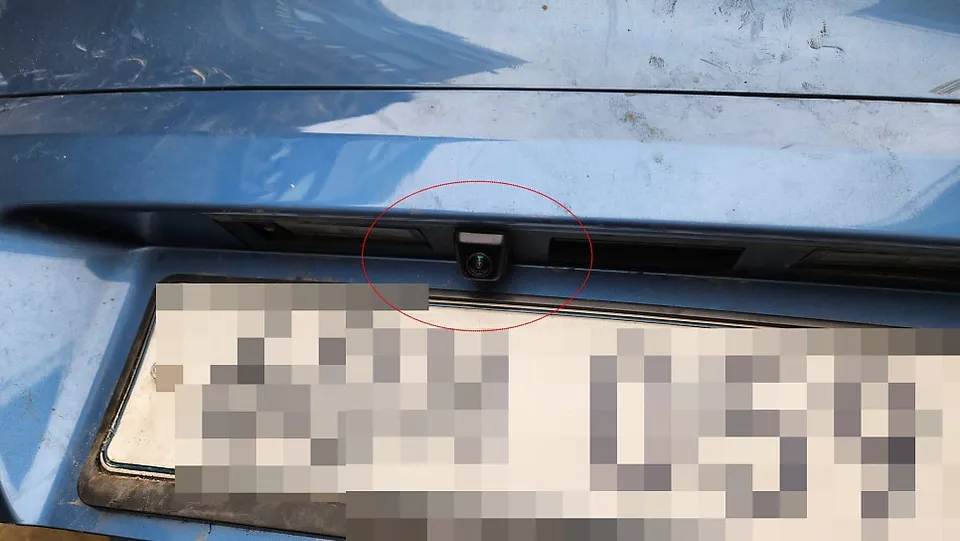
- Installing the Rear Camera: If a front and rear dash cam setup is chosen, the rear camera is mounted on the back of the vehicle, often near the license plate or above it, with its cable routed through the trunk and into the cabin.
- Testing Functionality: After installation, the system is tested to confirm both cameras are recording, the display is clear, and any special features like parking mode are active.
The durability of a dash cam installation depends on the quality of the components and the care taken during installation. A well-installed unit should last for several years, though the camera's lifespan itself can vary. Regular checks of the recording quality and lens cleanliness are recommended for maintenance. For the Hyundai Tucson ix, specific attention is paid to ensuring the camera integrates seamlessly with the vehicle's aesthetics and electrical system.
Choosing the Right Dash Cam and Professional Installation
In the case reviewed, the existing dash cam was replaced with an iNavi ZX1000 model, a front and rear FHD (Full High Definition) camera system. This choice offers clear video quality for both driving and parking, ensuring crucial details are captured. The cost for such a unit, including installation, typically falls in the range of 200,000 to 400,000 KRW (approximately $150-$300 USD). While DIY installation is possible for some, professional hardwiring offers significant advantages. It ensures the parking mode functions correctly without draining the car battery and provides a cleaner, more reliable setup. For owners of a Hyundai Tucson, investing in a quality dash cam and professional installation can provide peace of mind, offering valuable evidence in case of accidents and enhanced security when parked. The decision often comes down to balancing the upfront cost against the potential benefits of reliable recording and advanced features.
Frequently Asked Questions
Q. How much does dash cam installation cost for a Hyundai Tucson?
Professional dash cam installation for a Hyundai Tucson, including a front and rear system, can range from approximately $150 to $440 USD, depending on the model and specific services. The typical cost for a unit like the iNavi ZX1000 with installation is around $150-$300 USD.
Q. How long does dash cam installation take on a Hyundai Tucson?
Dash cam installation on a Hyundai Tucson typically takes about 2 to 3 hours to complete. For optimal longevity, ensure the unit is securely mounted and professionally hardwired to prevent battery drain issues.
Q. Is a hardwired dash cam worth it over a self-install for a Hyundai Tucson?
A hardwired dash cam is generally worth the professional installation cost for a Hyundai Tucson, especially if you plan to utilize parking mode. Professional installation ensures a clean setup that correctly manages power and avoids battery issues, offering greater reliability.
Q. How is a dash cam professionally installed on a Hyundai Tucson?
Professional dash cam installation involves mounting the unit securely on the windshield, routing cables discreetly through interior trim, and hardwiring it to the vehicle's fuse box for continuous power. If a rear camera is included, it's mounted at the back, and its cable is run through the vehicle.
Q. What is the difference between a 1-channel and 2-channel dash cam for a Hyundai Tucson?
A 1-channel dash cam records only the front view, while a 2-channel (front and rear) dash cam records both the road ahead and behind your Hyundai Tucson. For comprehensive coverage, a 2-channel system is recommended.
OhCar Partner Shop