Hyundai Staria Body Kit Installation Review
Service Price
$40–80
Estimated price · Actual price may vary by shop
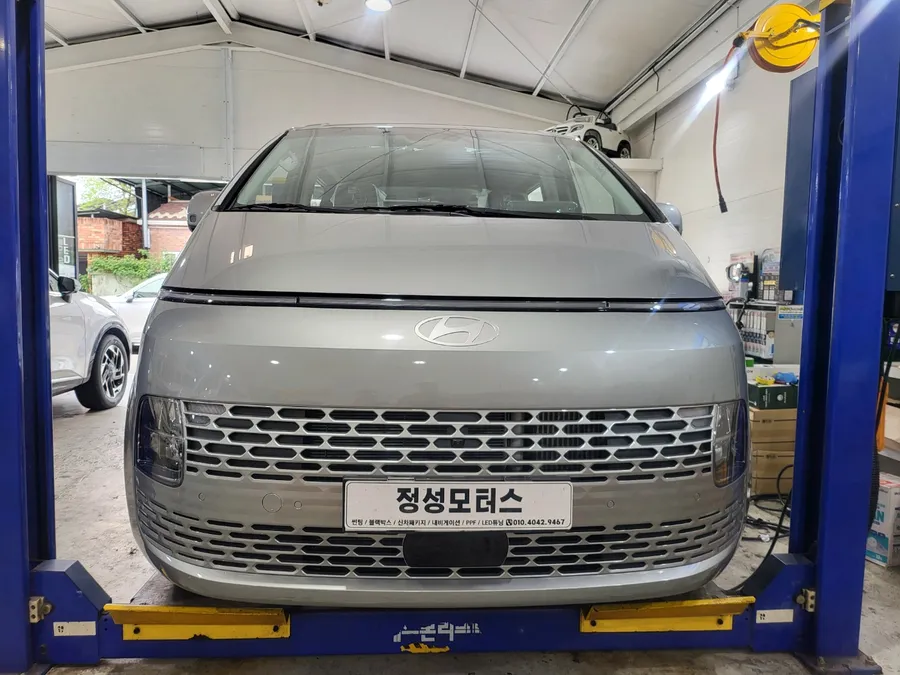
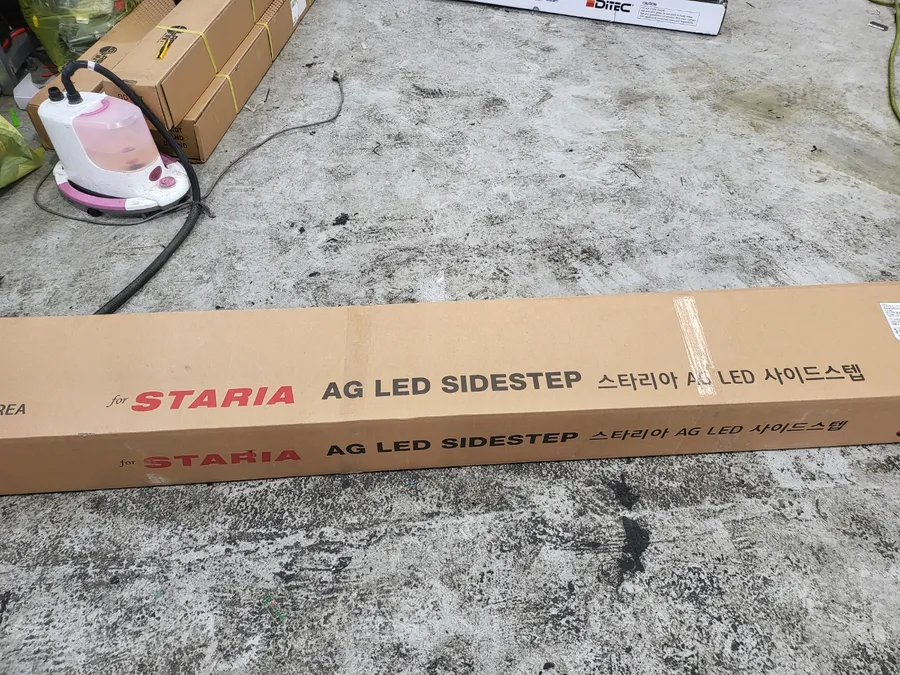
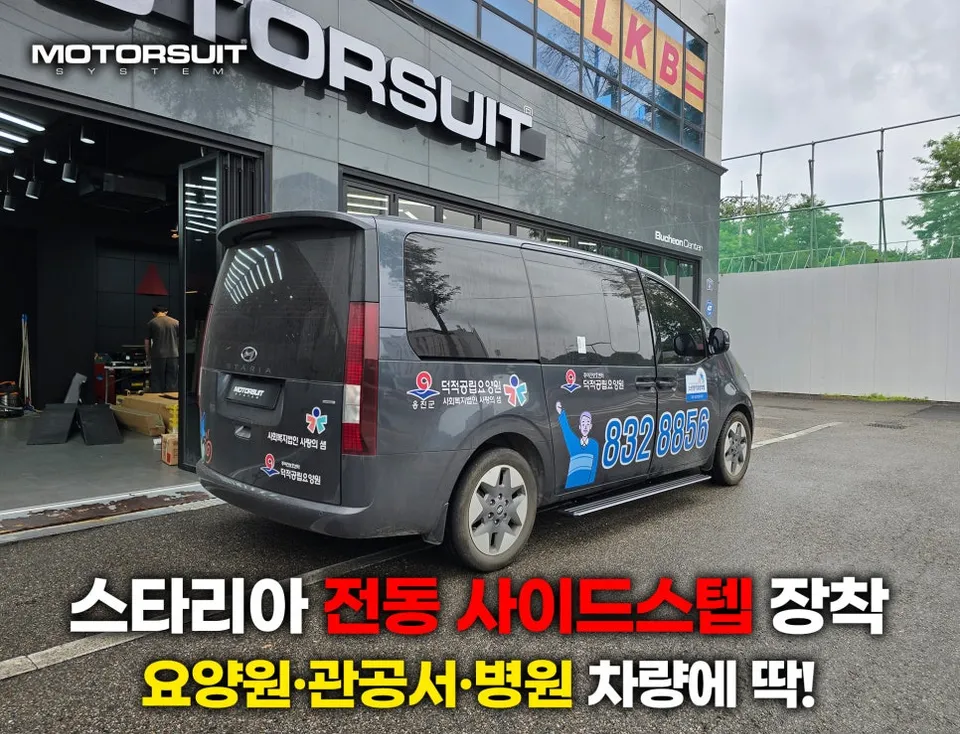
Hyundai Staria side steps installation: approx. $220-$370. Enhances accessibility and adds LED lighting for style and safety.
Hyundai Staria Body Kit Installation: Enhancing Style and Functionality
The Hyundai Staria, with its distinctive and spacious design, offers a unique platform for customization. For owners looking to elevate their vehicle's aesthetics and potentially improve aerodynamics, a body kit can be an attractive option. This review delves into the specifics of body kit installation for the Staria, covering the process, potential costs, and the transformative before-and-after results. While the original context for this specific modification comes from South Korea, the principles of body kit installation and the considerations for owners remain globally relevant. The focus here is on enhancing the vehicle's appearance and accessibility, particularly with the addition of side steps, which can function as a type of body kit component.
Understanding Body Kit Components and Installation
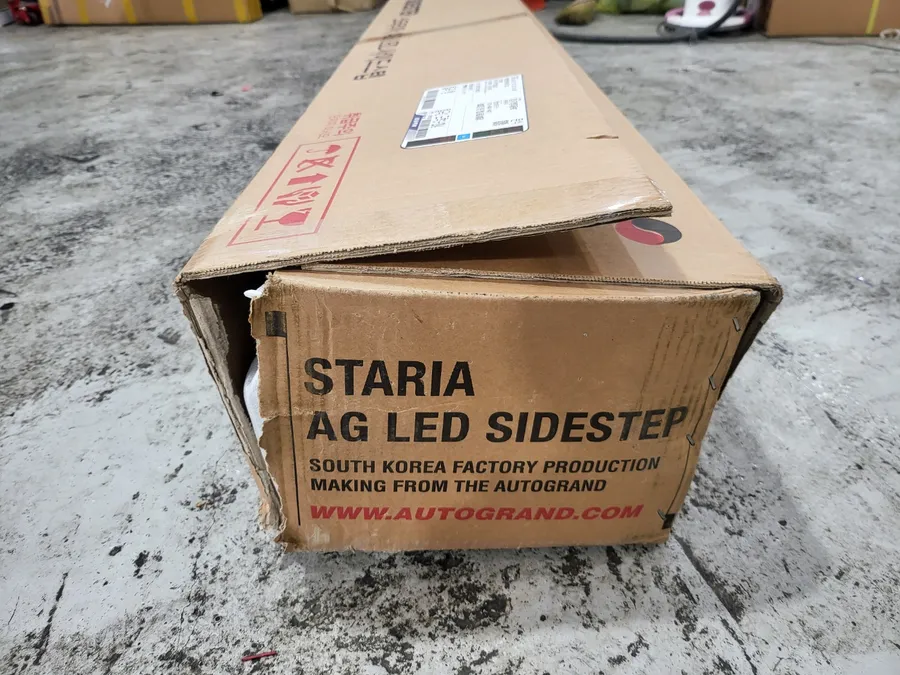
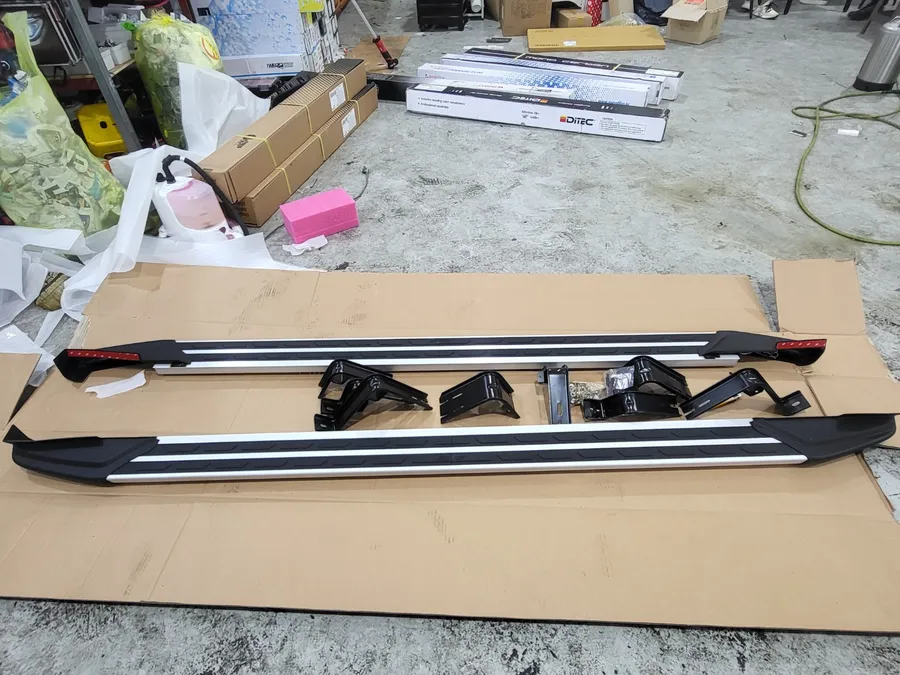
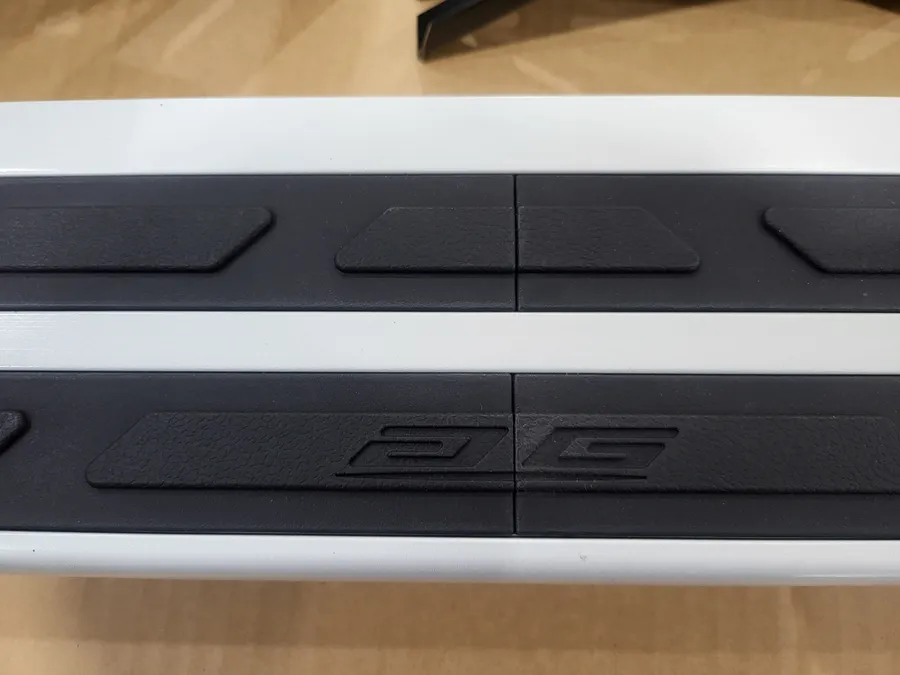
Body kits can range from subtle enhancements like front lips and side skirts to more comprehensive packages. In the context of the Staria, a common and highly practical addition often considered alongside or as part of a body kit is the installation of side steps. These are particularly beneficial for a vehicle with a higher stance like the Staria, improving ease of entry and exit for all passengers, especially children, the elderly, or individuals with mobility concerns. The 'AG LED Fixed Side Steps' mentioned in the original context serve this purpose, adding both utility and a touch of modern flair with integrated LED lighting. The installation process for such components typically involves securely mounting them to the vehicle's undercarriage. For the AG LED side steps, this involves precise drilling and bolting, along with careful wiring to connect the LED illumination to the vehicle's interior lighting system, ensuring they activate when doors are opened or interior lights are turned on. The estimated time for this type of installation is usually around 2 to 3 hours, often completable within a single day.
Before and After: The Impact of Body Kit Additions
The visual transformation after installing a body kit or significant components like LED side steps can be substantial. For the Hyundai Staria, adding side steps not only provides a functional step but also visually lowers the vehicle's profile, giving it a more grounded and aggressive stance. The integrated LED lighting on the AG model adds a premium feel, enhancing visibility and safety during nighttime or in poorly lit conditions. The before-and-after comparison highlights a vehicle that is not only more practical for daily use but also possesses a more customized and sophisticated appearance. The meticulous installation process, including thorough product inspection and careful wiring, ensures that the final result is seamless and integrated with the vehicle's overall design. Professionals with experience in these installations emphasize the importance of attention to detail to achieve a factory-like finish.
Cost, Durability, and Decision Making
The cost of body kit components can vary significantly. For the AG LED side steps, the price in South Korea was noted to be in the range of 300,000 to 500,000 KRW (approximately $220-$370 USD, subject to exchange rates). This is considerably more affordable than powered or automatic side steps, which can carry a higher price tag and potential maintenance costs. When considering a full body kit, costs can escalate depending on the materials (such as FRP or polyurethane) and the number of pieces included. Durability is a key factor; well-manufactured kits made from quality materials will withstand daily wear and tear, including exposure to weather elements. Regular cleaning and occasional checks for secure mounting are generally sufficient for maintenance. Ultimately, the decision to install a body kit or specific enhancements like side steps depends on individual priorities – whether the goal is purely aesthetic enhancement, improved functionality, or a combination of both. For the Staria, practical additions like side steps offer a tangible benefit that justifies the investment for many owners.
Installation Process:
- Thorough inspection of the vehicle's undercarriage and the body kit components for any defects or damage.
- Precise marking and drilling of mounting points on the vehicle's chassis or body panels.
- Securely attaching the body kit components using appropriate hardware (bolts, brackets).
- For components with electrical features (like LED lighting), careful wiring to integrate with the vehicle's electrical system.
- Final checks for fitment, alignment, and security, followed by a test of all integrated features.
Frequently Asked Questions
Q. How much does a body kit cost for a Hyundai Staria?
The AG LED side steps reviewed cost approximately 300,000-500,000 KRW (around $220-$370 USD). Full body kits can vary widely in price depending on complexity and materials.
Q. How long does body kit installation take on a Hyundai Staria?
Installation for components like side steps typically takes about 2-3 hours and can often be completed the same day. Proper installation ensures long-term durability with minimal maintenance, usually just requiring regular cleaning.
Q. Is a body kit worth it for a Hyundai Staria?
Body kits and enhancements like side steps are most beneficial for Staria owners seeking improved aesthetics and enhanced accessibility. They offer a significant upgrade in both style and practicality for a reasonable investment.
Q. How is a body kit installed on a Hyundai Staria?
Installation involves securely mounting the kit components to the vehicle's undercarriage or body. For side steps with LED lighting, this includes precise drilling, bolting, and careful wiring to integrate with the car's electrical system.
Q. What is the difference between FRP and polyurethane body kits for a Hyundai Staria?
FRP (Fiber-Reinforced Plastic) kits are often more rigid but can be prone to cracking, while polyurethane kits are generally more flexible, durable, and impact-resistant. Polyurethane is often preferred for its longevity and resistance to damage.
OhCar Partner Shop