Hyundai Kona SX2 Body Kit Review: N Line Style & Cost
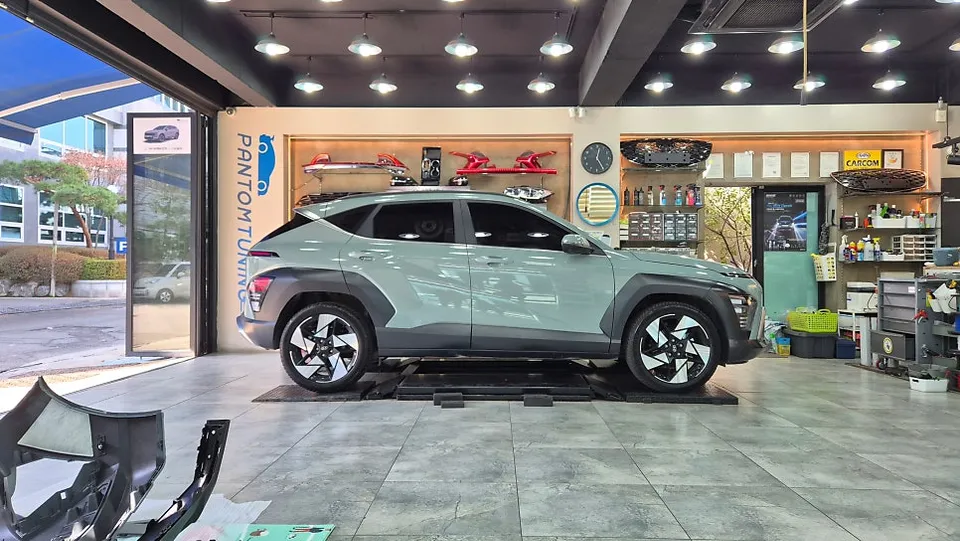
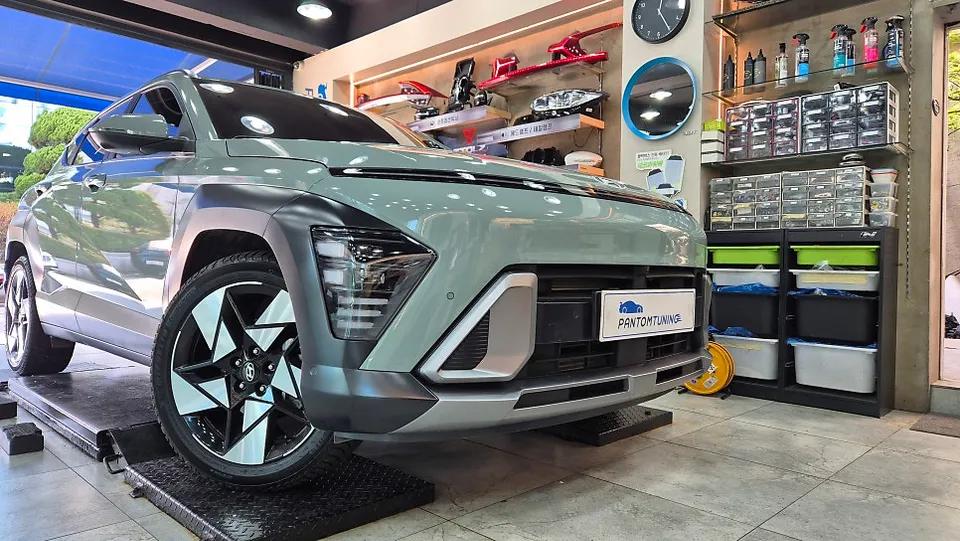
Hyundai Kona SX2 N Line body kit review: Costs vary, installation takes days. Transforms looks for enthusiasts.
Transforming Your Hyundai Kona SX2 with an N Line Body Kit
The Hyundai Kona SX2 is a stylish compact SUV, but for owners seeking an even more aggressive and sporty aesthetic, an N Line body kit offers a compelling upgrade. This review delves into the specifics of adding an N Line body kit to the SX2, covering everything from the initial cost and installation process to the long-term durability and whether it's a worthwhile investment. We'll look at how this modification can dramatically alter the vehicle's appearance, giving it a custom, performance-oriented vibe.
Body Kit Cost and Installation for the Kona SX2
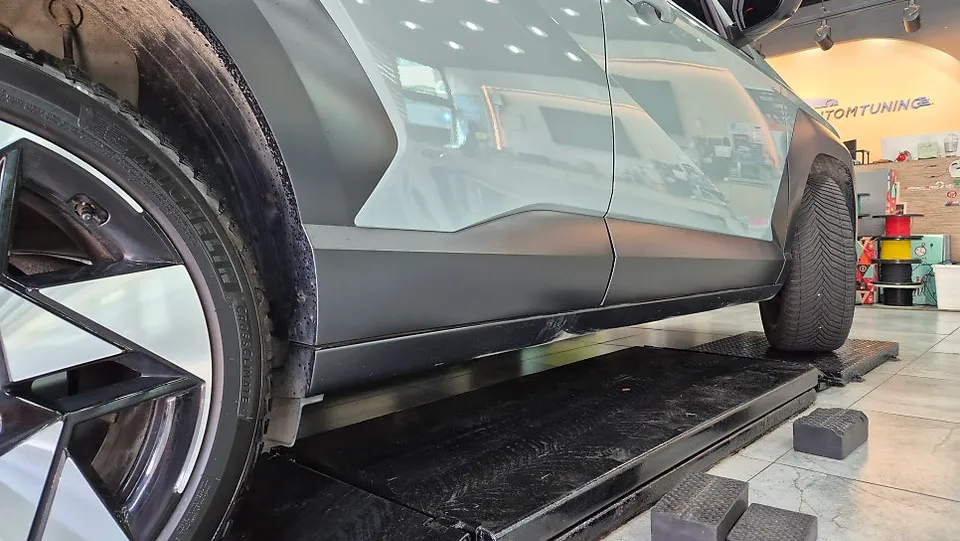
When considering a body kit for your Hyundai Kona SX2, the cost is a primary factor. While specific pricing can vary based on the kit's manufacturer, material, and the complexity of the design, a full N Line-style body kit, including front and rear bumpers, side skirts, and potentially a spoiler, can range significantly. In Korea, where this type of tuning is popular, the cost for the parts alone might start around ₩1,000,000 (approximately $750 USD), with professional installation adding further expense. The installation process itself requires precision to ensure a perfect fit and finish. It involves careful alignment, secure mounting, and often, repainting or color-matching to seamlessly integrate the new components with the existing bodywork. Shops specializing in vehicle customization, like Phantom Tuning in Korea, are known for their expertise in these types of modifications, ensuring a high-quality result. The time commitment for installation typically ranges from a full day to a couple of days, depending on the kit's complexity and any necessary prep work.
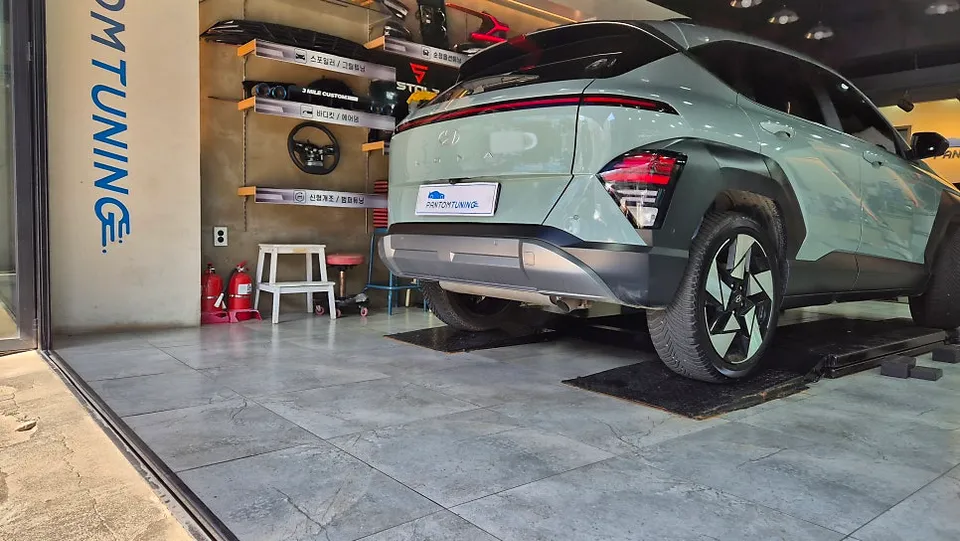
Before & After: The Visual Impact and Durability
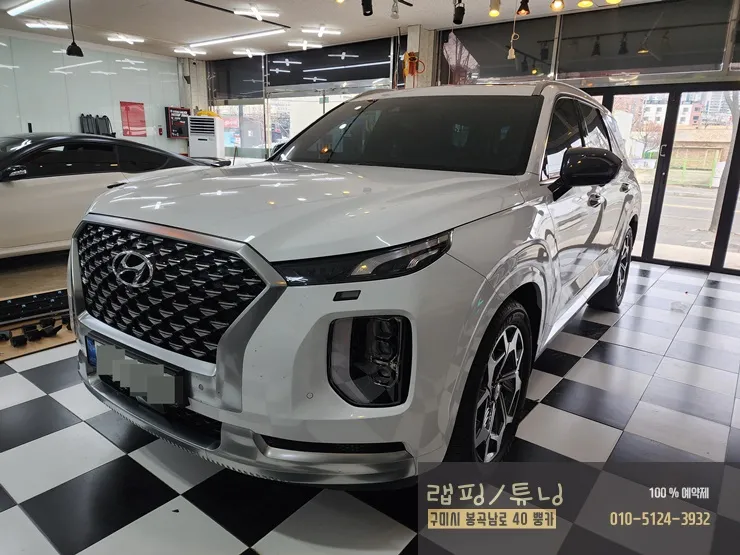
The visual transformation a body kit provides is undeniable. For the Hyundai Kona SX2, an N Line body kit adds sharper lines, more pronounced aerodynamic elements, and a lower, more aggressive stance. Before the upgrade, the Kona SX2 presents a modern, urban look. After installation, it takes on a distinctly sportier, almost track-inspired appearance. The before and after results are dramatic, giving the vehicle a unique presence on the road. Durability is a key consideration, especially with aftermarket parts. Body kits are typically made from materials like Fiberglass Reinforced Plastic (FRP) or Polyurethane. FRP kits are often more affordable and can be molded into complex shapes but can be brittle and prone to cracking on impact. Polyurethane kits, while sometimes more expensive, offer greater flexibility and impact resistance, making them a more durable choice for daily driving. Proper maintenance, including regular cleaning and waxing, will help preserve the finish and longevity of the body kit, protecting it from environmental damage and wear.
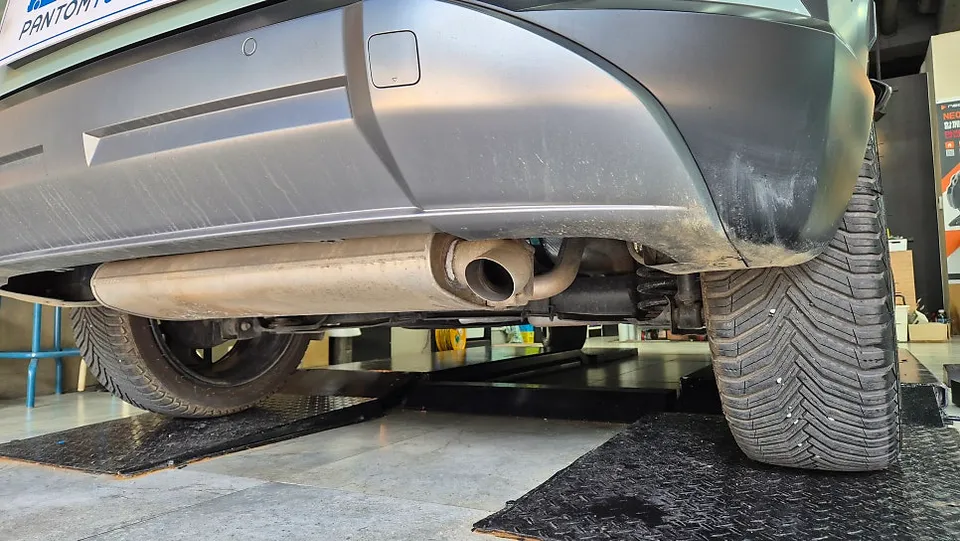
Is a Body Kit Worth It for Your Kona SX2?
Deciding whether a body kit is worth the investment for your Hyundai Kona SX2 depends on your priorities. If you're looking to significantly enhance your vehicle's visual appeal and give it a custom, performance-oriented look that stands out, then a body kit can be a very satisfying upgrade. The cost, including parts and professional installation, represents a considerable expense, but the aesthetic payoff can be substantial for enthusiasts. For those who value a unique style and are willing to invest in the appearance of their vehicle, the N Line body kit offers a way to achieve a personalized look that factory options might not provide. However, if practicality and minimizing costs are your main concerns, the expense and potential maintenance of a body kit might not align with your needs.
Installation Process:
- Surface Preparation: The original bumpers and side skirts are removed, and the mounting areas on the vehicle are thoroughly cleaned and prepped.
- Test Fitting: The new body kit components are carefully test-fitted to ensure precise alignment and fitment against the Kona SX2's body.
- Mounting and Securing: The kit is securely attached using specialized adhesives, clips, and sometimes drilling into the vehicle's chassis or existing mounting points.
- Finishing and Painting: Any necessary gaps are filled, surfaces are smoothed, and the kit is painted to match the vehicle's original color or a custom finish.
- Final Inspection: A thorough check is performed to ensure all components are securely fastened and the overall aesthetic is seamless.
Frequently Asked Questions
Q. How much does a body kit cost for a Hyundai Kona SX2?
In Korea, a full N Line body kit for the Hyundai Kona SX2 can start around ₩1,000,000 (approx. $750 USD) for parts alone, with installation costs additional. Typical US pricing for similar kits can range from $800 to $2,500 or more, depending on the brand and material.
Q. How long does body kit installation take on a Hyundai Kona SX2?
Body kit installation on a Hyundai Kona SX2 typically takes one to two full days to complete, depending on the kit's complexity and any required paintwork. For long-lasting durability, ensure the kit is professionally installed and consider applying a ceramic coating for easier maintenance and protection.
Q. Is a body kit worth it for a Hyundai Kona SX2?
A body kit is worth it for Hyundai Kona SX2 owners prioritizing a significant visual upgrade and a unique, sporty aesthetic. The value lies in achieving a custom look that enhances the vehicle's presence, making it a worthwhile investment for enthusiasts focused on style.
Q. How is a body kit installed on a Hyundai Kona SX2?
Installation involves removing factory parts, test-fitting the new kit components for precise alignment, and securely mounting them using adhesives and fasteners. The process concludes with professional painting and finishing to ensure a seamless integration with the vehicle's body.
Q. What is the difference between FRP and polyurethane body kits for a Hyundai Kona SX2?
FRP (Fiberglass Reinforced Plastic) kits are generally more rigid and cost-effective but can be brittle, while polyurethane kits offer superior flexibility and impact resistance, making them more durable for daily driving. For most users, a polyurethane body kit is recommended for its better resilience.
OhCar Partner Shop