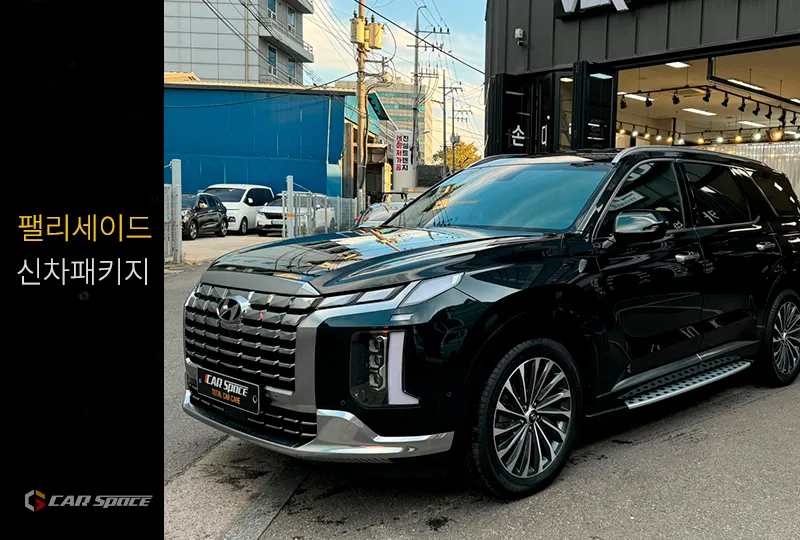
Hyundai Palisade LX3 Body Kit Installation Review
Service Price
$75–115
Estimated price · Actual price may vary by shop
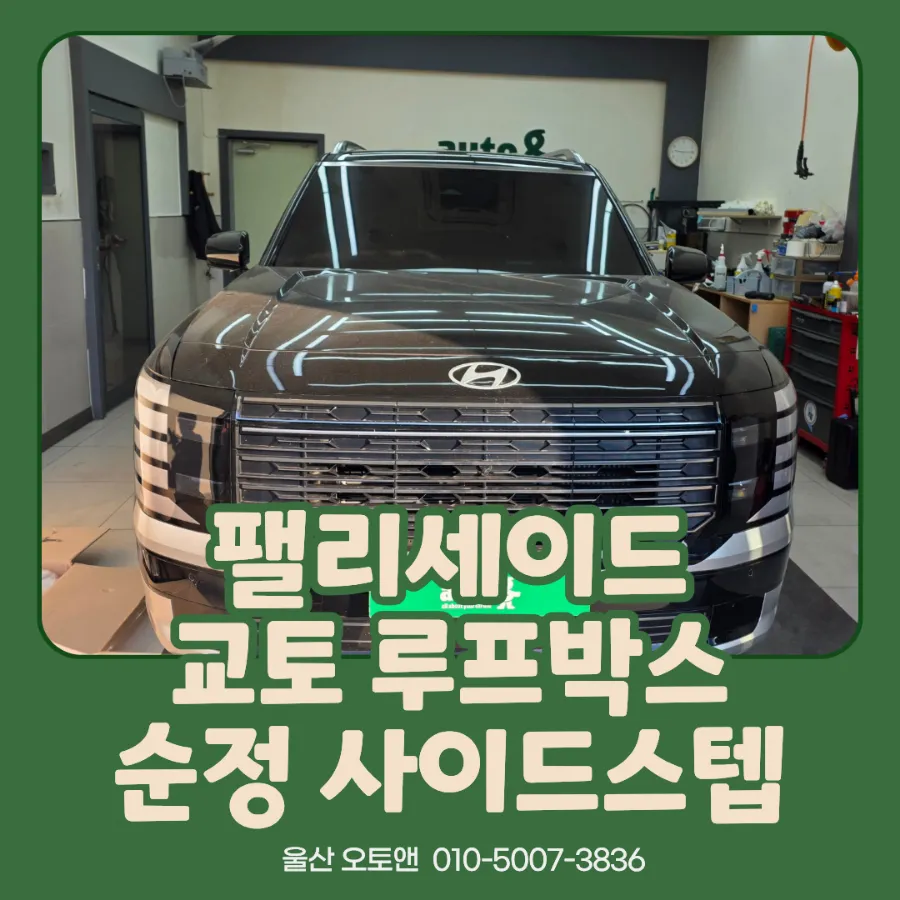
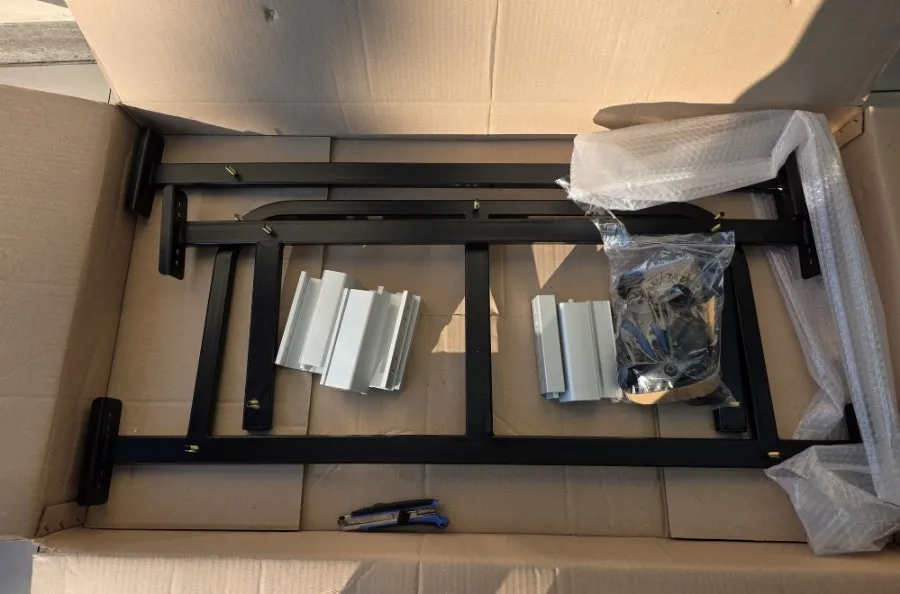
Hyundai Palisade LX3 body kit installation: costs vary, from $75-$115 for parts to $500-$2000+ for full kits. Enhances aesthetics.
Enhancing Your Hyundai Palisade LX3 with an Aero Kit
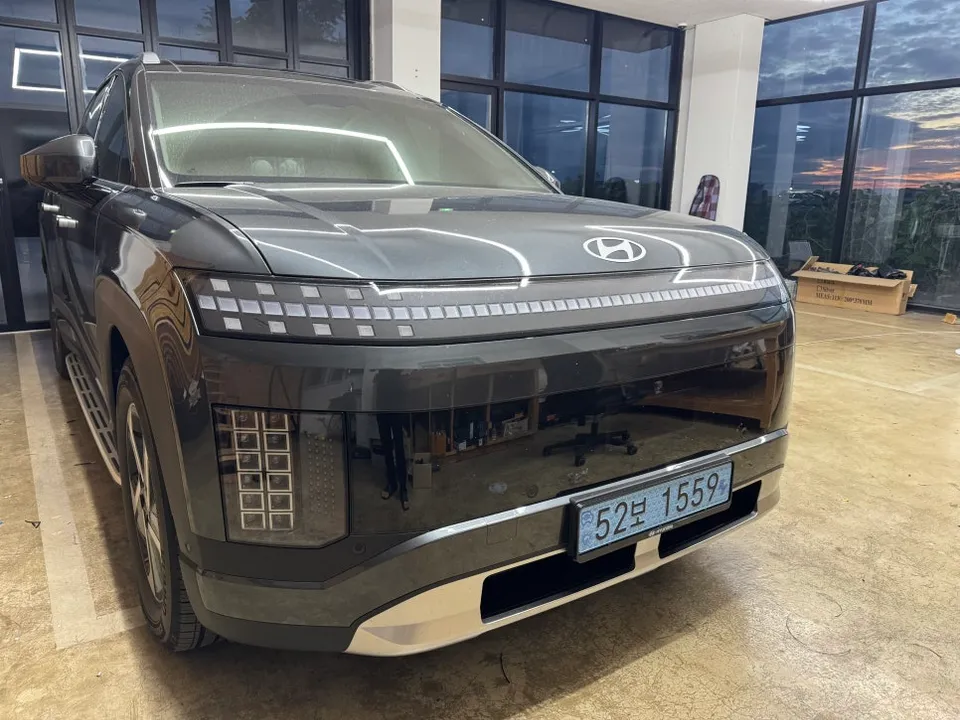
The Hyundai Palisade LX3, a popular family SUV, can be further customized to enhance both its aesthetics and functionality. While the original Korean context focused on roof boxes and side steps, this review delves into the world of body kits, specifically an aero kit, for the Palisade. An aero kit, often referred to as a body kit, typically includes components like front lips, side skirts, and rear diffusers designed to give your vehicle a sportier, more aggressive stance. This review will cover the potential installation process, the visual transformation, and considerations for owners looking to upgrade their Palisade LX3.
Body Kit Installation: What to Expect
Installing a body kit on your Hyundai Palisade LX3 involves several key steps to ensure a seamless and durable finish. The process generally begins with preparing the vehicle's existing bumpers and panels. This often includes cleaning, degreasing, and sometimes minor modifications to ensure a perfect fit. The new body kit components, whether made from materials like ABS plastic, polyurethane, or fiberglass, are then carefully aligned and attached. This might involve drilling, using specialized adhesives, or a combination of both, depending on the kit and the vehicle's design. Professional installation is highly recommended to achieve a factory-like finish and to avoid potential issues like poor fitment or damage to the vehicle.
Installation process:
- Surface Preparation: Thoroughly clean and degrease the areas where the body kit components will be attached.
- Component Fitting: Carefully position and align each part of the body kit (front lip, side skirts, etc.) to the vehicle's body.
- Attachment: Secure the components using automotive-grade adhesives, clips, or fasteners as per the kit's instructions. Drilling may be required for some parts.
- Finishing Touches: Inspect the fitment, fill any minor gaps, and prepare for painting if the kit is unpainted.
The time required for installation can vary, but typically ranges from a few hours to a full day, depending on the complexity of the kit and the installer's experience. The original Korean context mentioned roof box installation taking 2-3 hours and side steps taking 1-2 hours, giving a general idea of accessory fitting times.
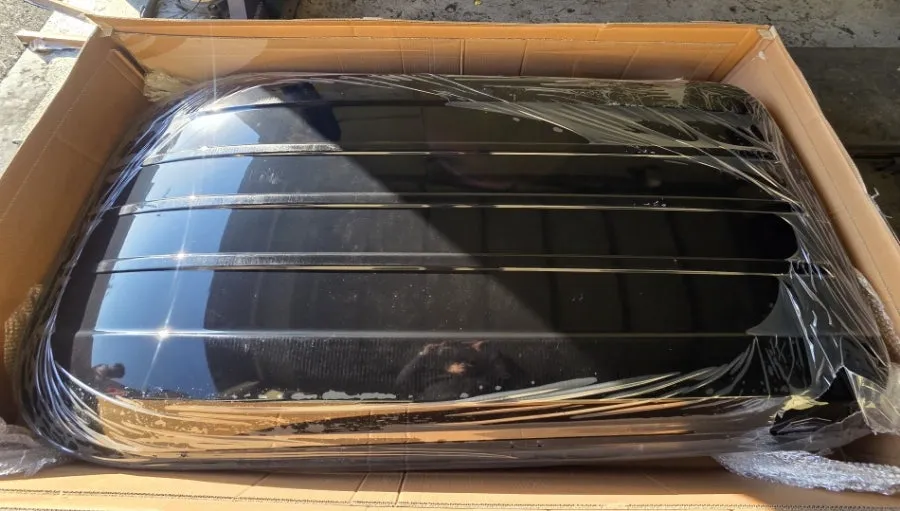
Before & After: The Visual Impact and Durability
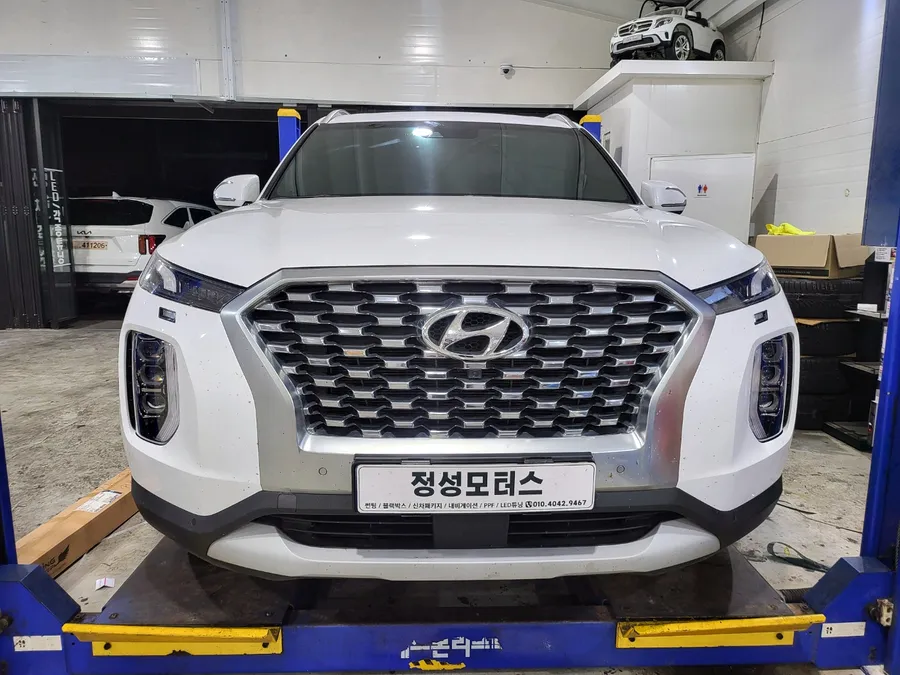
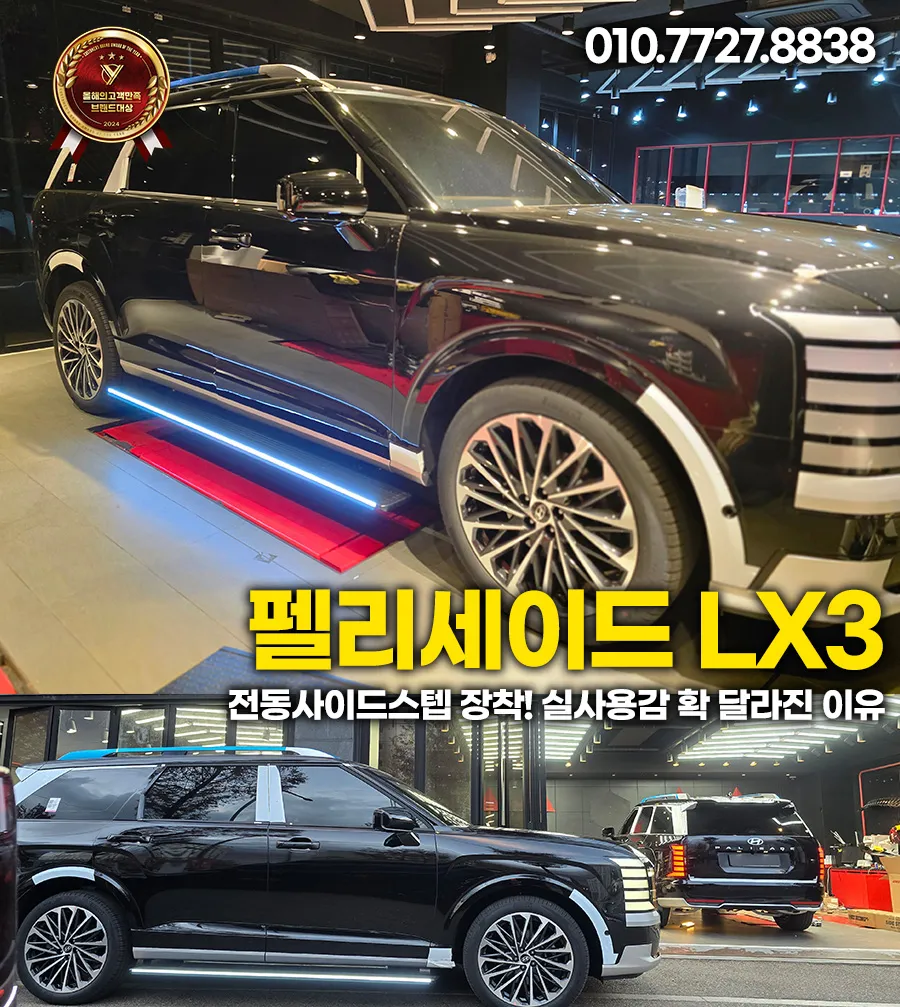
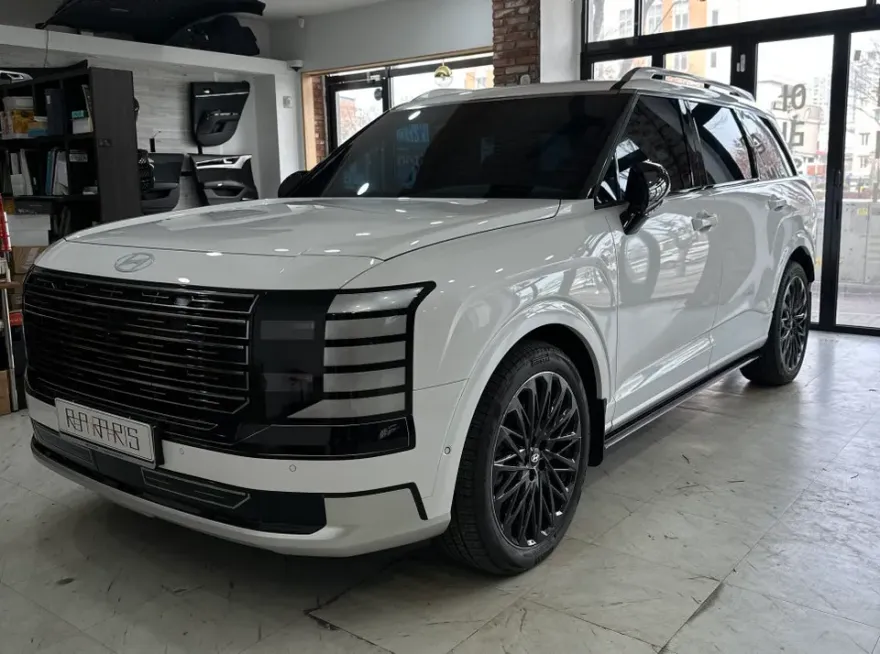
The most significant impact of a body kit is the visual transformation. An aero kit can dramatically alter the Palisade LX3's appearance, making it look lower, wider, and more performance-oriented. The front lip adds a more aggressive edge to the front bumper, side skirts visually lower the vehicle's profile, and a rear diffuser can complete the sporty look. The before and after results can be striking, giving the family SUV a more dynamic presence.
Durability is a key concern. Kits made from high-quality polyurethane or ABS plastic tend to be more flexible and resistant to impacts than those made from fiberglass, which can be more prone to cracking. Proper installation is crucial for long-term durability, ensuring the kit withstands daily driving conditions, including minor road debris and varying weather. Maintenance typically involves regular washing and waxing, similar to the rest of the vehicle's exterior. The original Korean context highlighted the long-term usability of accessories like roof boxes and side steps, suggesting that well-fitted body kits can also offer lasting satisfaction.
Estimated Cost Context: While the original Korean context provided pricing for roof boxes (400,000-1,000,000 KRW, approx. $300-$750 USD) and side steps (300,000-600,000 KRW, approx. $225-$450 USD), specific body kit costs can vary widely. In the US, the estimated price for a basic body kit installation might range from $75–$115 for specific components like a front lip, but a full aero kit installation could cost significantly more, potentially ranging from $500 to $2,000+ depending on the brand, material, and complexity.
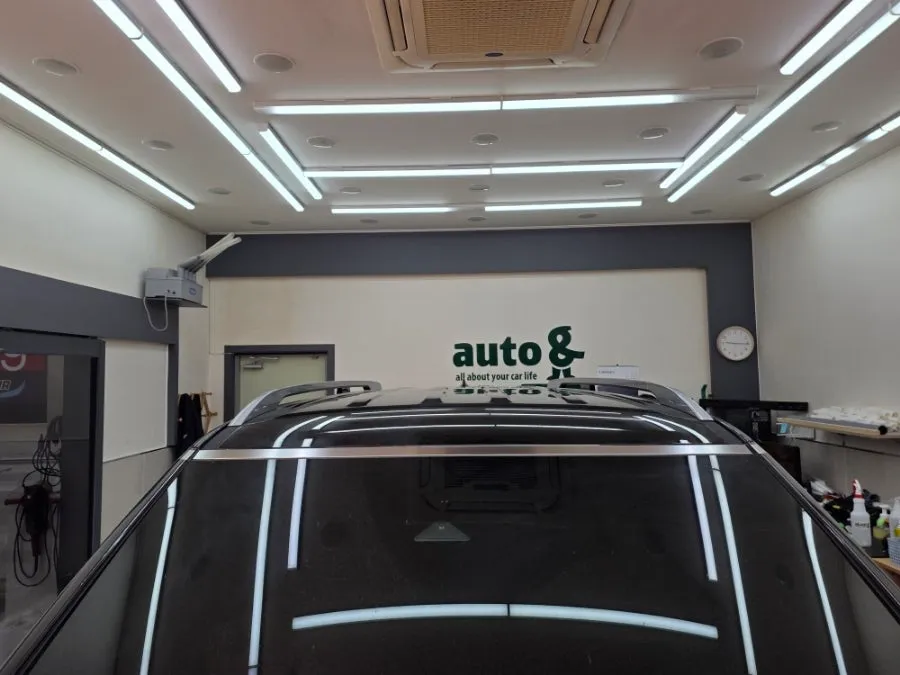
Is a Body Kit Worth It for Your Palisade LX3?
Deciding whether a body kit is worth the investment for your Hyundai Palisade LX3 depends on your priorities. If you're looking to significantly enhance your vehicle's aesthetics and achieve a more custom, sporty look, then an aero kit can be a worthwhile modification. It's particularly appealing for owners who want their family SUV to stand out from the crowd. However, it's important to weigh the cost against the benefits. While it adds visual appeal, it doesn't typically offer performance gains unless specifically designed for aerodynamic efficiency. Consider the potential for increased maintenance, the risk of damage from road hazards, and the overall budget. For those who value a unique appearance and are willing to invest in quality parts and professional installation, a body kit can be a rewarding upgrade.
Frequently Asked Questions
Q. How much does a body kit cost for a Hyundai Palisade LX3?
For specific components like a front lip, installation costs in the US can range from $75–$115. A full aero kit installation, however, can cost significantly more, potentially between $500 and $2,000+ depending on the brand and complexity.
Q. How long does body kit installation take on a Hyundai Palisade LX3?
Body kit installation typically takes between a few hours to a full day, depending on the kit's complexity. Proper maintenance involves regular washing and waxing to preserve the finish.
Q. Is a body kit worth it for a Hyundai Palisade LX3?
A body kit is worth it if you prioritize a significantly enhanced, custom, and sporty aesthetic for your Palisade LX3. It offers a striking visual upgrade for owners seeking a unique look.
Q. How is a body kit installed on a Hyundai Palisade LX3?
Installation involves preparing the vehicle's surface, carefully fitting each component (like front lips or side skirts), and then securely attaching them using adhesives or fasteners. Drilling may be required for a secure fit.
Q. What is the difference between FRP and polyurethane body kits for a Hyundai Palisade LX3?
Polyurethane and ABS plastic kits are generally more flexible and impact-resistant than fiberglass (FRP) kits, which can be more prone to cracking. For durability and resilience against daily driving, polyurethane or ABS is often recommended.
OhCar Partner Shop