Hyundai Palisade PPF Review: Cost vs. Aftermarket
Service Price
$under approx. $400
Estimated price · Actual price may vary by shop

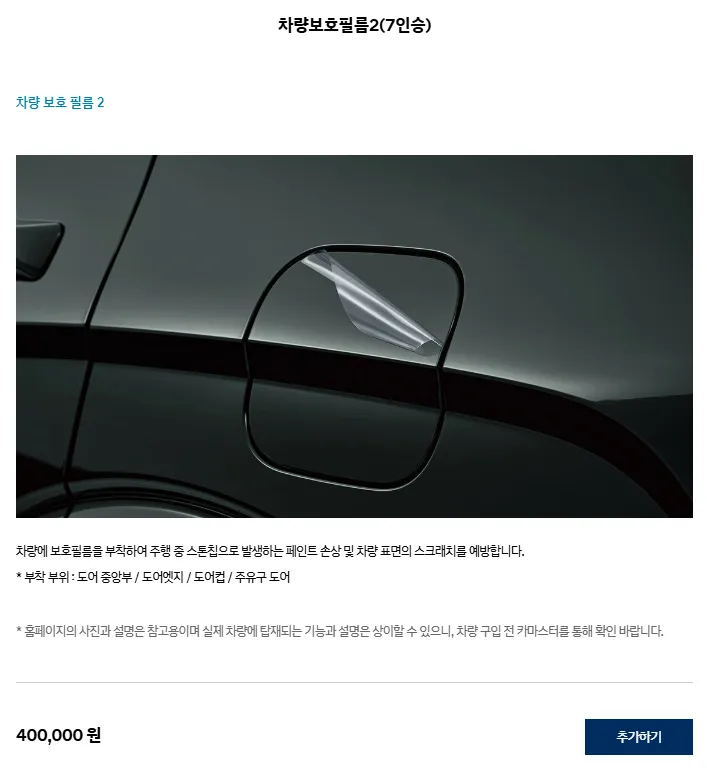
Hyundai Palisade PPF: Factory option ~₩770k-810k, aftermarket ~₩350k-450k. Compare coverage & quality for best protection.
Hyundai Palisade PPF: Factory vs. Aftermarket Options
When you purchase a new Hyundai Palisade, one of the first considerations for many owners is applying Paint Protection Film (PPF). Especially for a family vehicle like the Palisade, protecting against daily scratches and environmental damage is a priority. However, a common dilemma arises: should you opt for the factory-installed PPF or have it professionally applied by an aftermarket specialist after delivery? This guide breaks down everything you need to know about PPF for your Palisade.
Hyundai Palisade Factory PPF: What's Included?
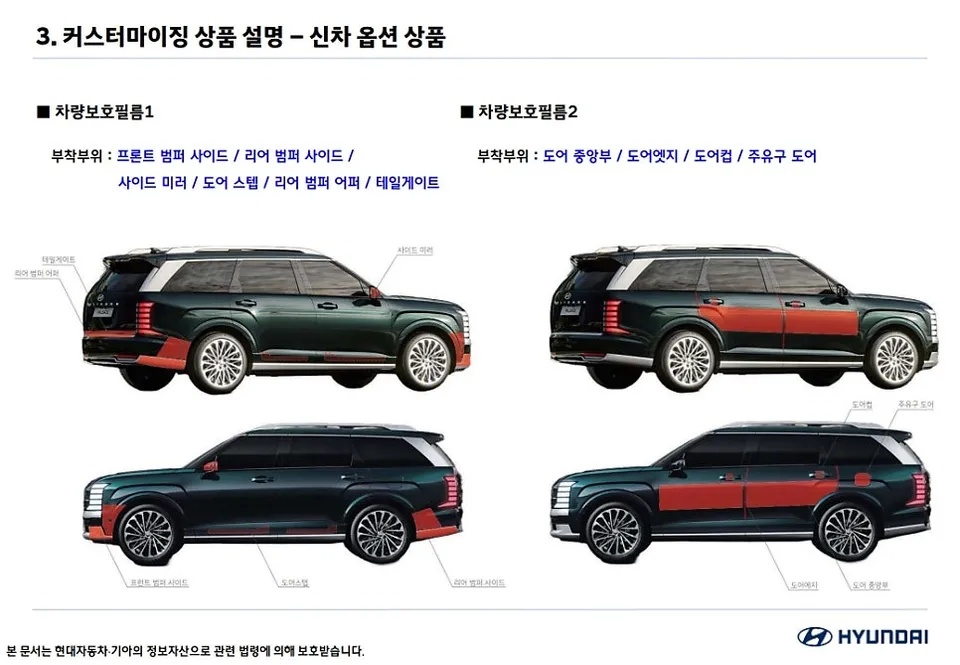
Hyundai offers two PPF options for the Palisade: 'Vehicle Protection Film 1' and 'Vehicle Protection Film 2'. These options vary slightly in price depending on whether you choose a 7-seater or 9-seater model. Selecting both can cost approximately 770,000 to 810,000 Korean Won (roughly $570 - $600 USD, depending on exchange rates). The factory PPF typically covers essential areas like the door cups, door edges, fuel filler cover, and trunk lid. Hyundai is known to reference professional installer data when setting these prices, making the factory option a cost-effective way to protect key areas of your vehicle.
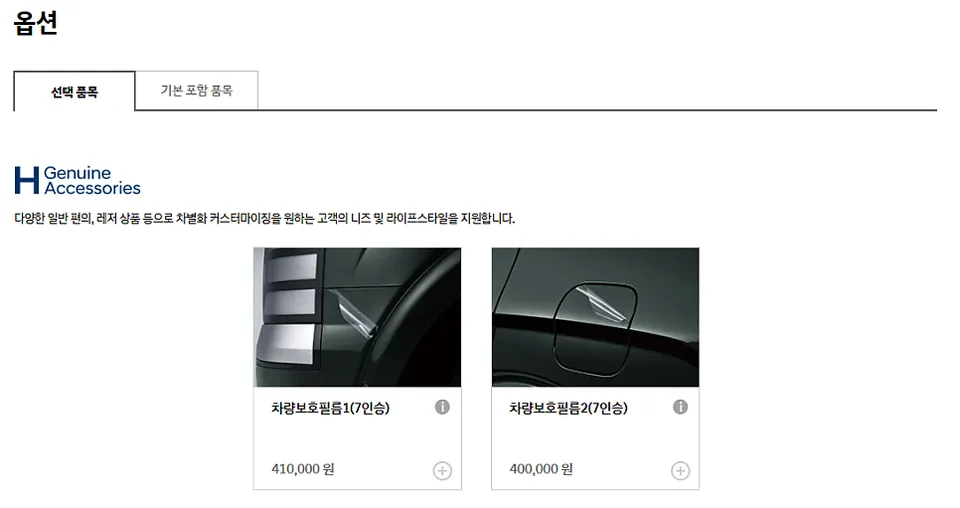
Aftermarket PPF for Your Palisade: Customization and Quality
Opting for aftermarket PPF installation after taking delivery of your Palisade offers significant advantages in customization and quality control. Professional installers usually offer packages ranging from 4-piece to 6-piece kits, with the flexibility to add coverage for specific areas based on your needs. A standard 4-piece kit includes the door cups, door edges, fuel filler cover, and trunk lid. Higher-tier kits often add protection for headlights, side mirrors, and gloss black pillars (B-pillars). The biggest benefit of aftermarket PPF is the ability to choose the film's brand, durability, and the installer's quality. For the Palisade, specific details like the matte chrome finish on the upper trunk lid can be matched with matte PPF for a seamless look, avoiding visual discrepancies.
Vulnerable areas like door cups and edges are prone to scratches from daily use. Side mirrors can be protected from scuffs and damage from insect splatter. Headlights, being expensive components, benefit greatly from a thick PPF layer to shield them from road debris like sand, gravel, and small stones, maintaining their clarity over time. A typical 6-piece aftermarket kit installation can range from 350,000 to 450,000 Korean Won (approximately $260 - $330 USD), varying by vehicle, installation complexity, and film type. This often presents a more budget-friendly alternative to the factory option, especially when considering the enhanced customization.
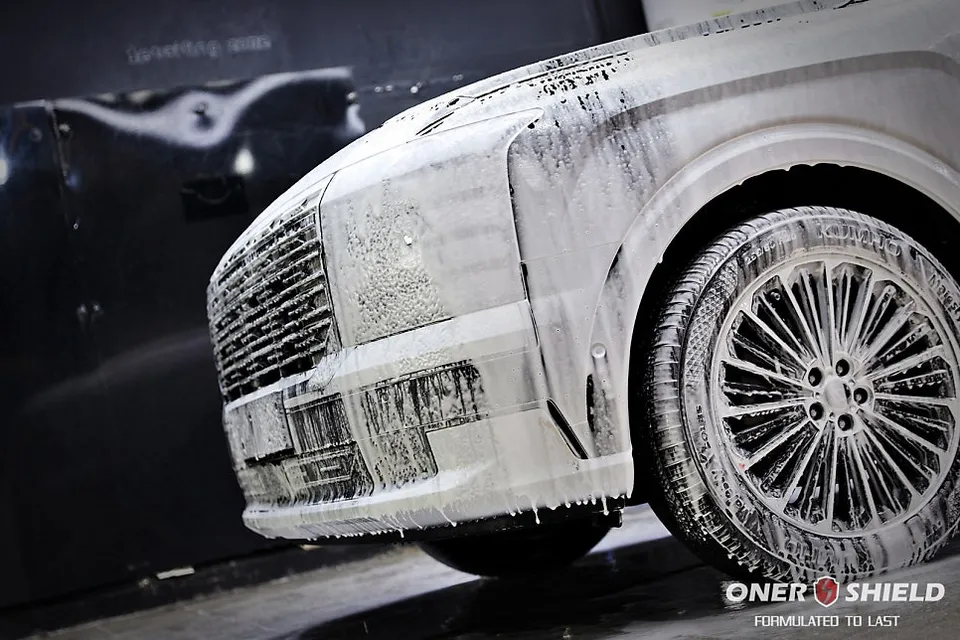
Palisade PPF Installation Process and Quality Check
Regardless of whether you choose factory or aftermarket PPF, a meticulous installation process is crucial for optimal results. The process generally involves several key stages:
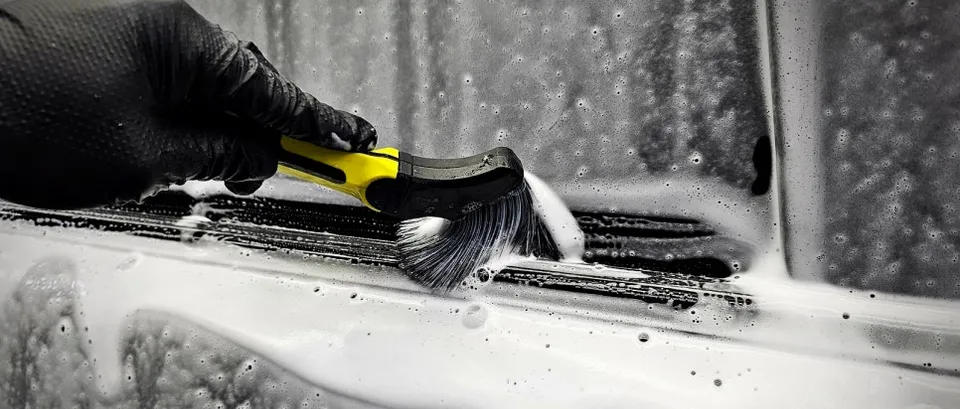
- Surface Preparation: The vehicle's surface is thoroughly cleaned and decontaminated to remove any dirt, oils, or residues. A clay bar treatment and a final wipe-down with a specialized solution ensure a perfectly smooth surface for adhesion.
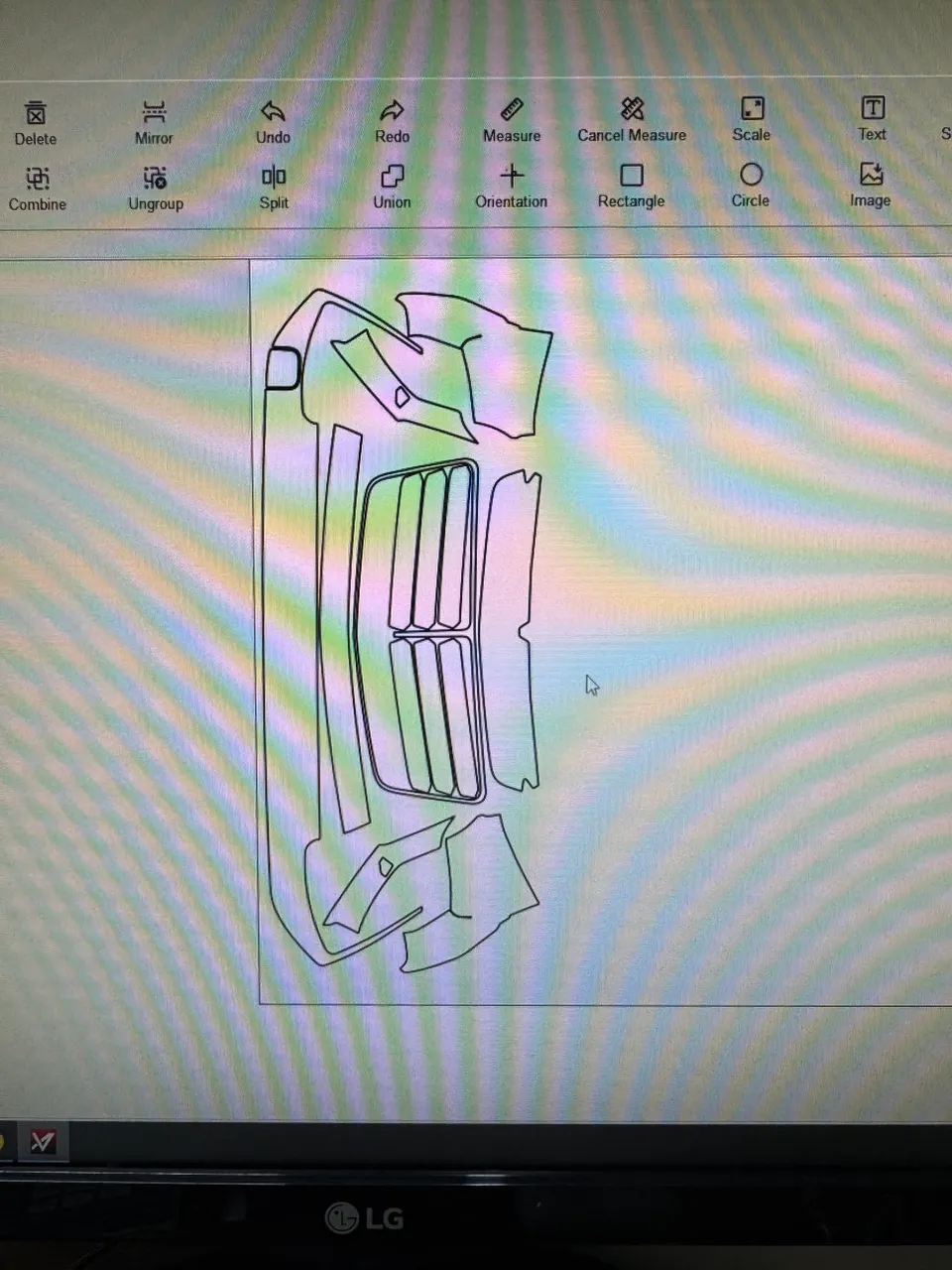
- Film Cutting: High-precision cutting machines or templates are used to cut the PPF to the exact shape of each panel. This ensures a perfect fit and minimizes the need for trimming on the vehicle itself, reducing the risk of paint damage.
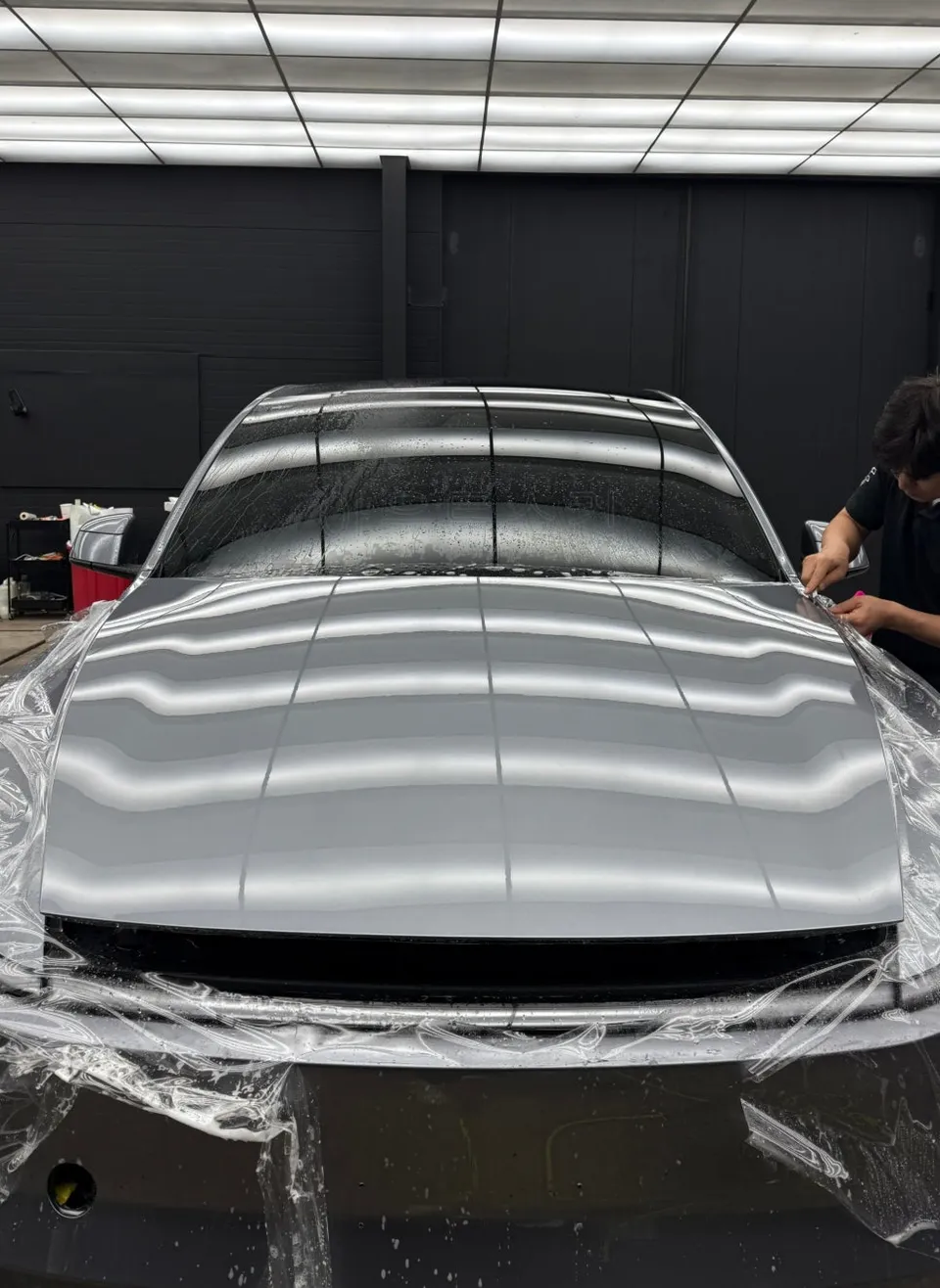
- Application: The PPF is carefully applied to the panel using a squeegee and a specialized solution. This solution helps to lubricate the surface, allowing the film to be positioned correctly and enabling the installer to remove air bubbles and excess liquid.
- Finishing and Curing: Edges are meticulously tucked and sealed. The film is then left to cure, during which time it adheres fully to the paintwork and any remaining moisture evaporates.
When evaluating the quality of PPF installation, look for clean edges with no lifting, a complete absence of air bubbles or trapped moisture, and a smooth, seamless finish that doesn't detract from the vehicle's appearance. For white Palisade models, pay attention to any signs of yellowing or poor edge finishing, which can be more noticeable.
Making the Right Choice for Your Palisade
The factory PPF offers convenience and broad coverage at a set price, making it a straightforward choice for basic protection. However, aftermarket PPF provides superior flexibility, allowing you to select premium films and target specific areas that you deem most vulnerable. While the factory option covers more general areas, aftermarket installers can offer higher-grade films with better self-healing properties and longer lifespans. For owners prioritizing maximum protection, custom coverage, and the highest quality materials, an aftermarket installation is often the recommended route. Carefully weigh the cost, desired coverage, and quality expectations to decide which PPF solution is best for your Hyundai Palisade.
Frequently Asked Questions
Q. How much does PPF cost for a Hyundai Palisade?
The factory PPF option for the Hyundai Palisade costs approximately 770,000 to 810,000 Korean Won. Aftermarket PPF installations typically range from 350,000 to 450,000 Korean Won for a 6-piece kit.
Q. How long does PPF last on a Hyundai Palisade?
High-quality PPF can last for 5 to 10 years, depending on the brand and maintenance. Regular washing and avoiding harsh chemicals will help maintain its protective qualities.
Q. Is PPF worth it for a Hyundai Palisade?
PPF is worth it for Hyundai Palisade owners who want to protect their vehicle's paint from rock chips, scratches, and environmental damage. It's particularly beneficial for those who plan to keep the vehicle long-term or want to maintain its resale value.
Q. How is PPF installed on a Hyundai Palisade?
PPF installation involves thorough surface preparation, precise film cutting using templates, careful application with a squeegee and solution to remove air bubbles, and meticulous edge finishing. The film then cures to the paintwork.
Q. What is the difference between PPF and ceramic coating for a Hyundai Palisade?
PPF provides physical protection against impacts and scratches, while ceramic coating offers a hard, hydrophobic layer that protects against chemical etching and UV rays, enhancing gloss. For comprehensive protection, many owners opt for PPF on high-impact areas and ceramic coating over the entire vehicle.
OhCar Partner Shop
More ppf Reviews
See all →
More Hyundai Reviews
Pair with Another Service
Add hydrophobic protection on top of PPF
Complete your new car protection package