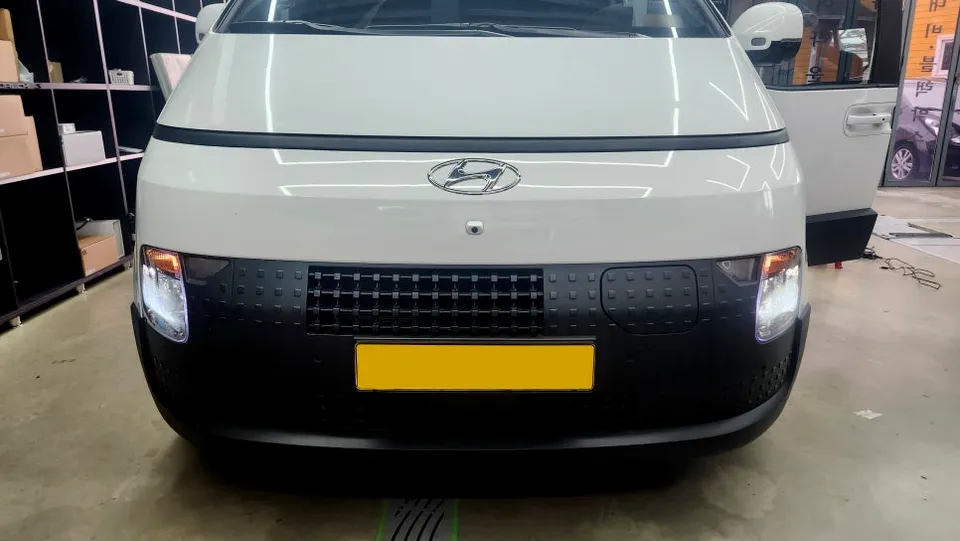
Hyundai Porter 2 LED Headlight Upgrade Review
Service Price
$under approx. $400
Estimated price · Actual price may vary by shop
Before
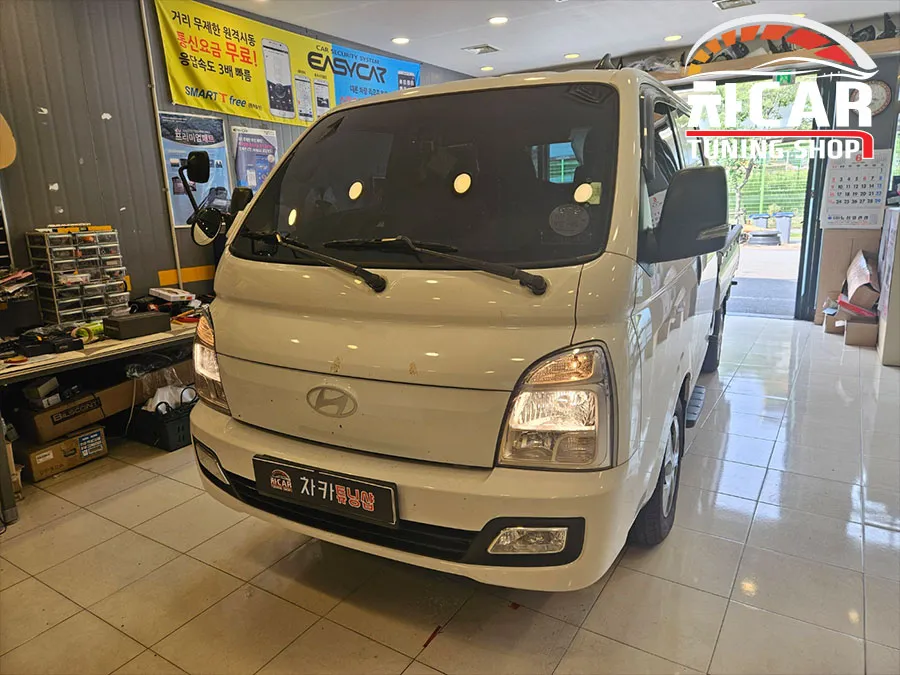
After
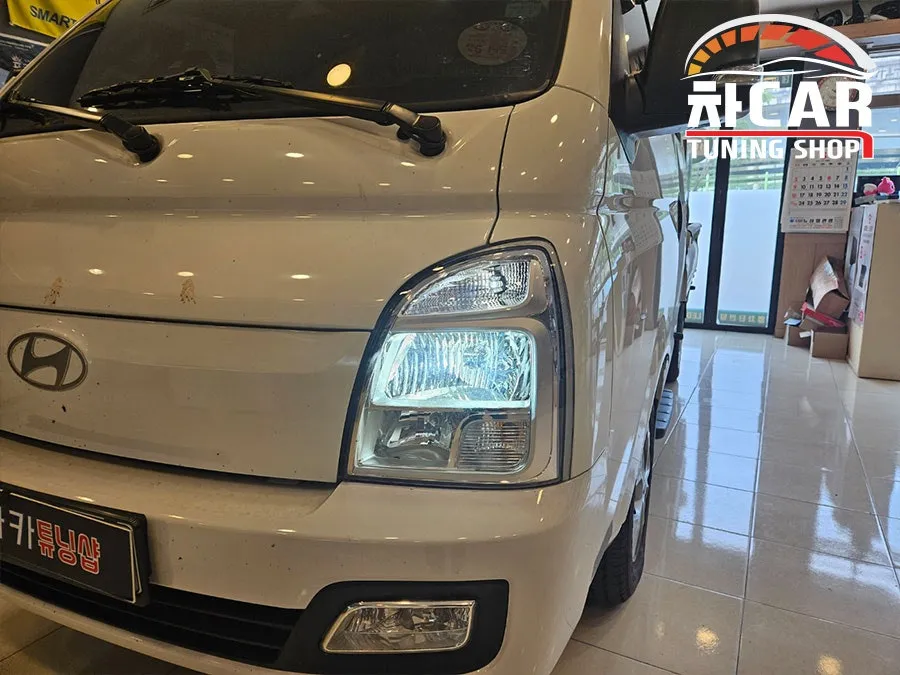
Process photos
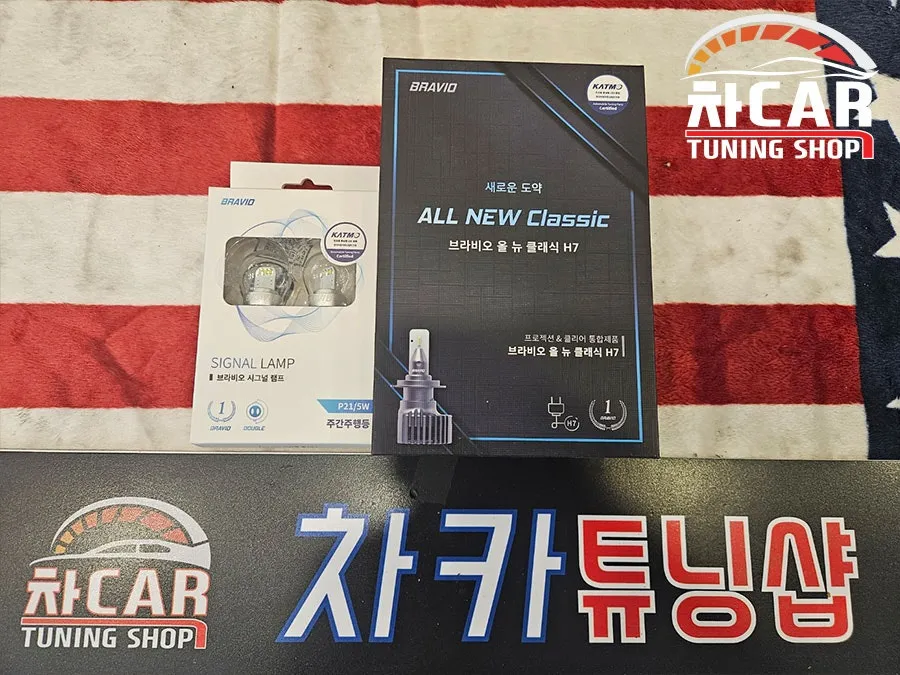
Hyundai Porter 2 LED headlight upgrade: Brighter, safer night driving with legal certification. Improved visibility and modern look.
Brighten Your Drive: The Need for LED Headlights on the Hyundai Porter 2
Many Hyundai Porter 2 owners find the stock halogen headlights insufficient for safe night driving, especially on long hauls. The dim, yellowish light can make it difficult to see the road clearly, leading to fatigue and potential hazards. While upgrading to LED headlights offers a significant improvement in brightness and clarity, concerns about illegal modifications and failing vehicle inspections often deter owners. However, with government-certified LED kits, you can achieve a legal and safe lighting upgrade.
Traditional halogen bulbs have a limited lifespan, typically 500-1,000 hours, and require frequent replacement. LED bulbs, on the other hand, can last over 20,000 hours, providing consistent, bright light for years and reducing maintenance hassle. Furthermore, LEDs consume less power than halogens, easing the load on your vehicle's electrical system.
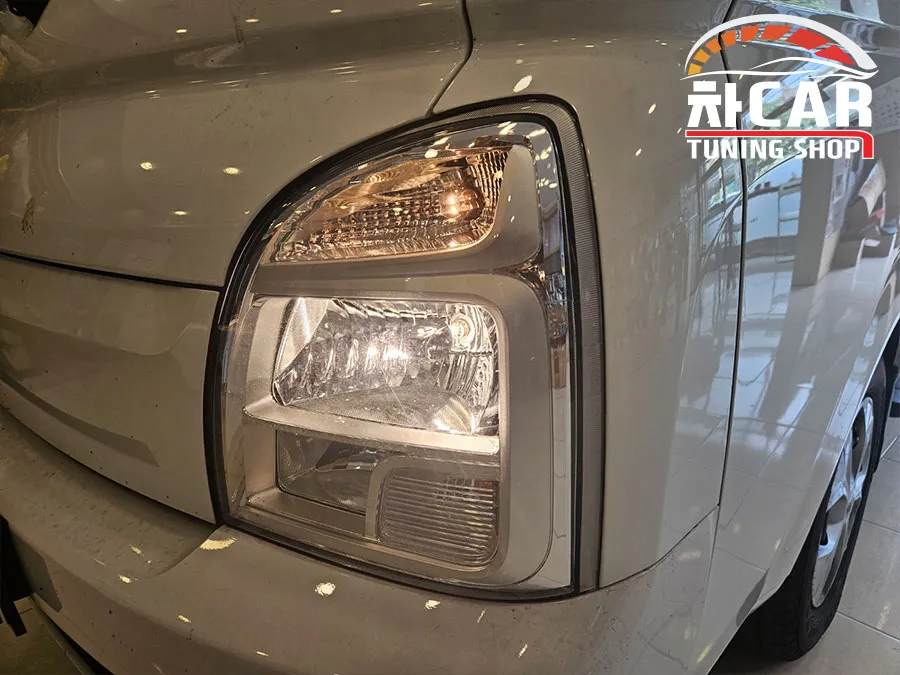
Professional LED Lighting Upgrade for the Porter 2
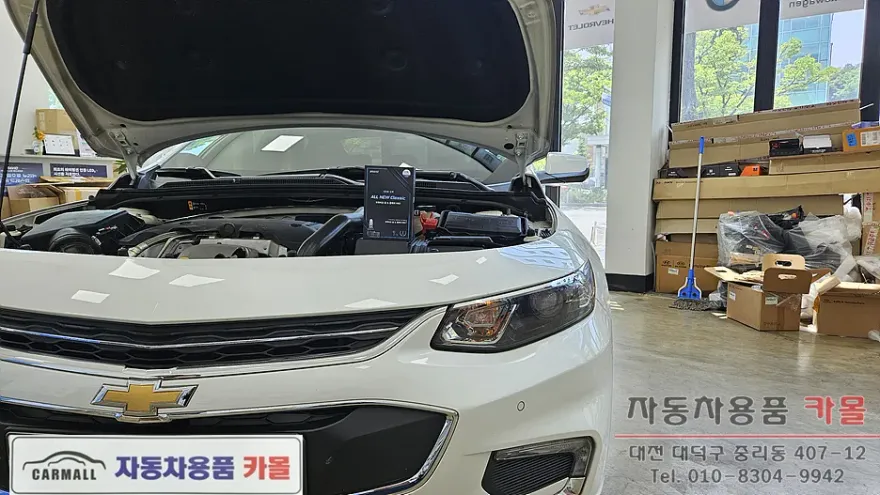
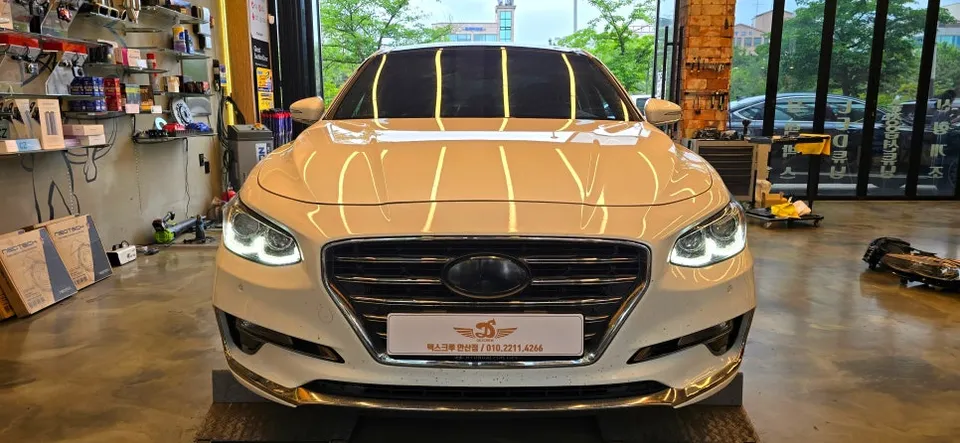
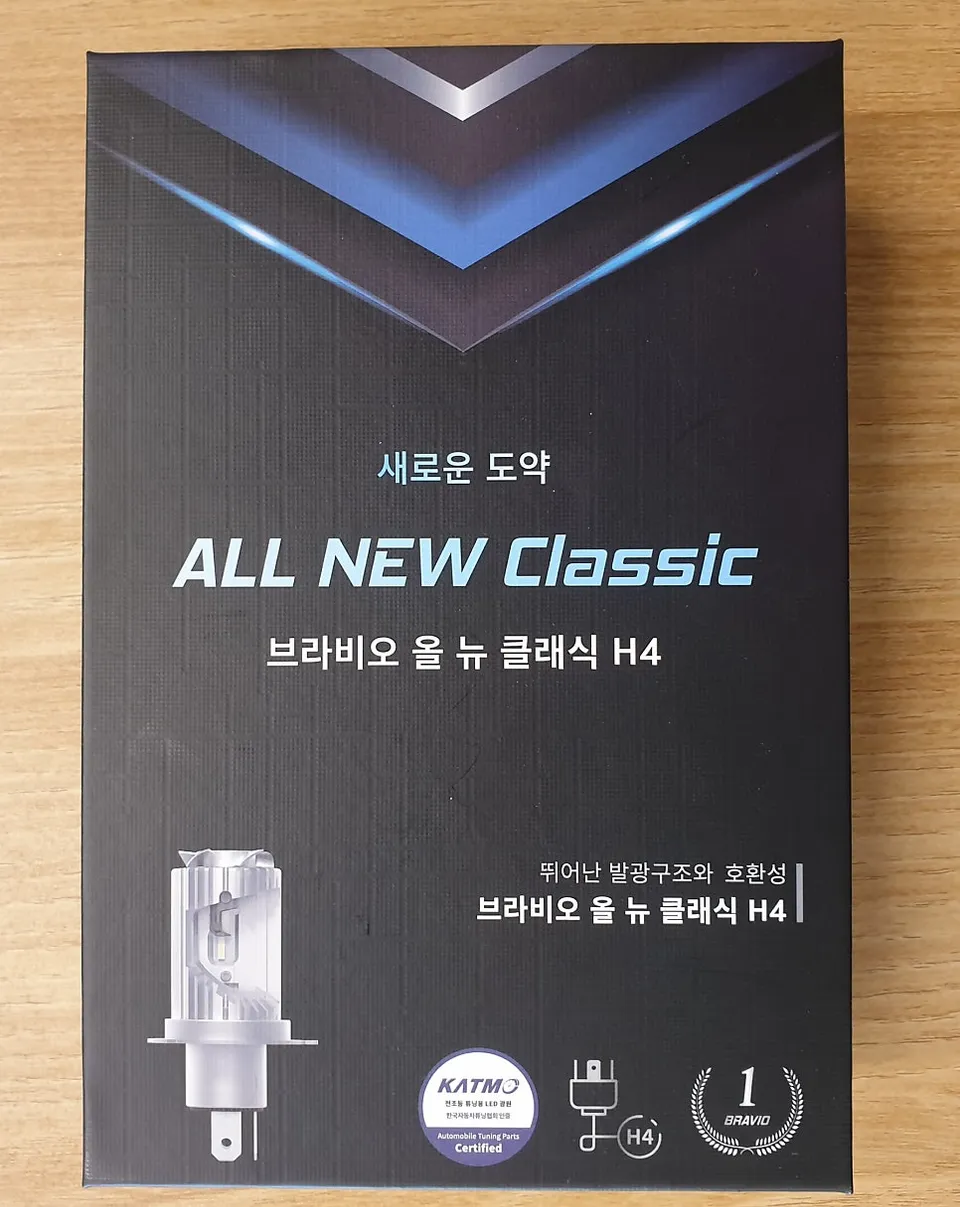
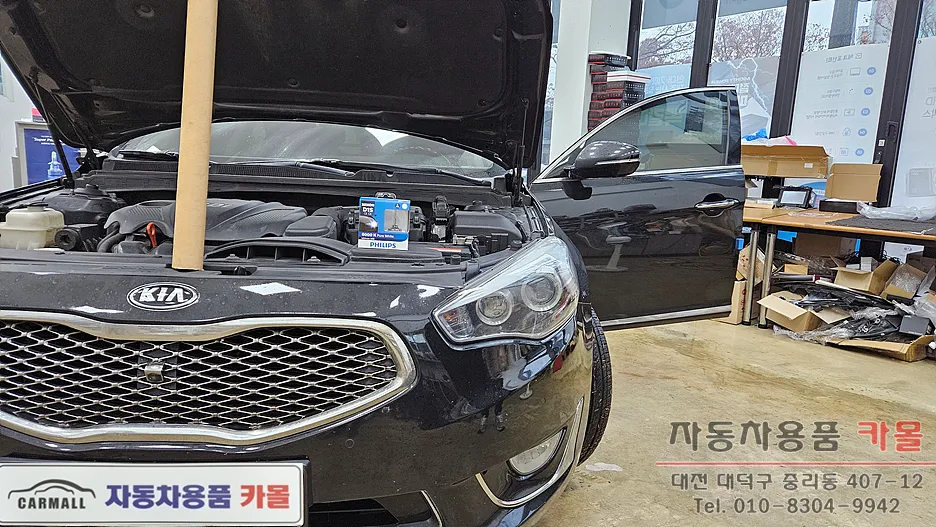
Our recent service involved a Hyundai Porter 2 whose owner was struggling with poor visibility from the stock halogen headlights and daytime running lights. The goal was to enhance safety and aesthetics with a legal LED upgrade. We installed Brvisio certified Power LED bulbs for both the headlights (H7 type) and the daytime running lights (P21 type).
The installation process is straightforward for experienced technicians. First, the old halogen bulbs are carefully removed. Then, the new LED bulbs are fitted into place. The Brvisio LED headlights come with a 2-year warranty, and the daytime running lights have a 1-year warranty, offering peace of mind.
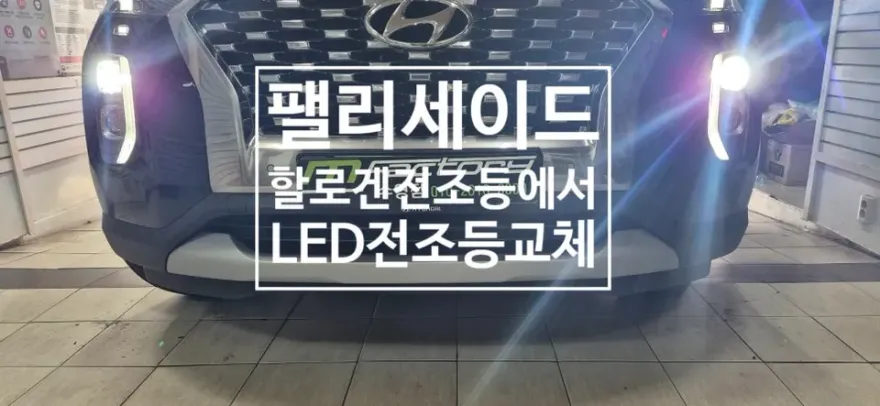
The transformation is striking. After the upgrade, the headlights emit a crisp, white light that dramatically improves forward visibility, making night driving much safer and less strenuous. The vehicle's appearance is also significantly enhanced, giving it a more modern and premium look. The upgraded daytime running lights ensure the Porter 2 is more visible to other road users during the day, further contributing to safety.
Installation Process:
- Carefully remove the existing halogen headlight and daytime running light bulbs.
- Install the new, certified LED bulbs into the respective housings.
- Connect any necessary wiring adapters (if applicable).
- Test the new lights to ensure proper function and alignment.
Frequently Asked Questions
Q. How much does an LED lighting upgrade cost for a Hyundai Porter 2?
The cost for this specific upgrade on the Hyundai Porter 2, including Brvisio certified LEDs for headlights and DRLs, was detailed in the original Korean context but is not explicitly stated in USD. Typically, such upgrades in the US can range from $100 to $300 depending on the brand and components.
Q. How long do aftermarket LED headlights last on a Hyundai Porter 2?
Certified LED bulbs offer significantly longer lifespans, often exceeding 20,000 hours, compared to traditional halogen bulbs. To maximize longevity, ensure proper installation to prevent moisture buildup and avoid frequent on/off cycling.
Q. Is an LED lighting upgrade worth it for a Hyundai Porter 2?
An LED lighting upgrade is highly beneficial for Hyundai Porter 2 owners who frequently drive at night, as it dramatically improves visibility and safety. The extended lifespan and reduced power consumption also offer long-term value.
Q. How is an LED lighting upgrade installed on a Hyundai Porter 2?
Installation involves carefully removing the old halogen bulbs, installing the new LED bulbs into the correct housings, connecting any necessary adapters, and testing the lights for proper function and alignment.
Q. What is the difference between HID and LED headlights for a Hyundai Porter 2?
LED headlights provide instant brightness and a crisp white light, generally lasting longer and consuming less power than HID (High-Intensity Discharge) systems, which require a warm-up period and can be more complex to install.