Hyundai Porter 2 Ventilated Seats Review — Cost & Results
Service Price
Est. $400–800
Estimated price · Actual price may vary by shop
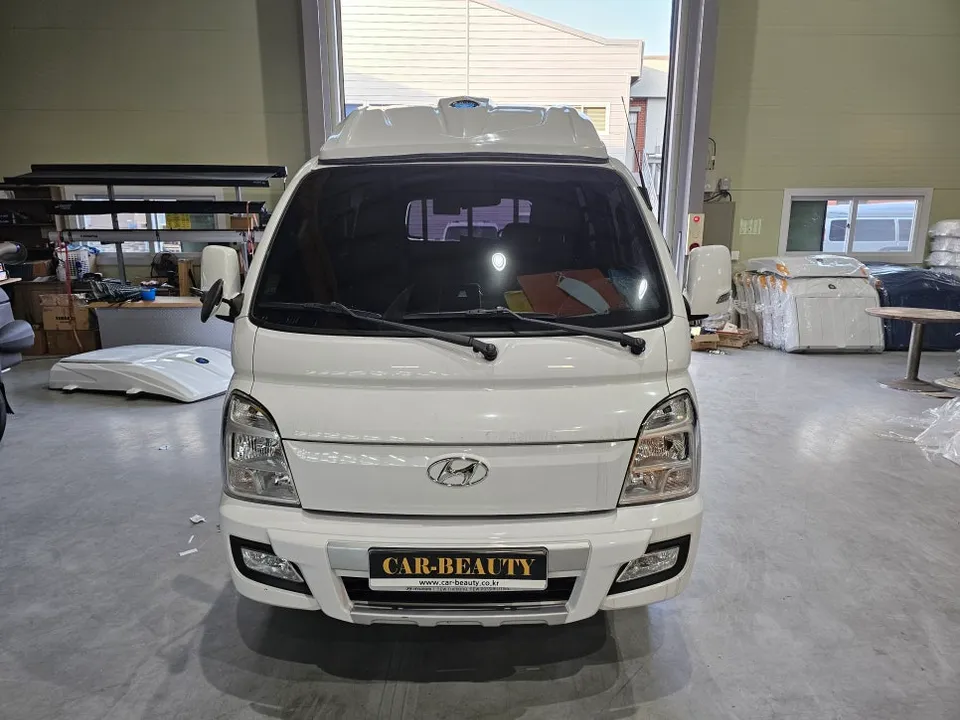
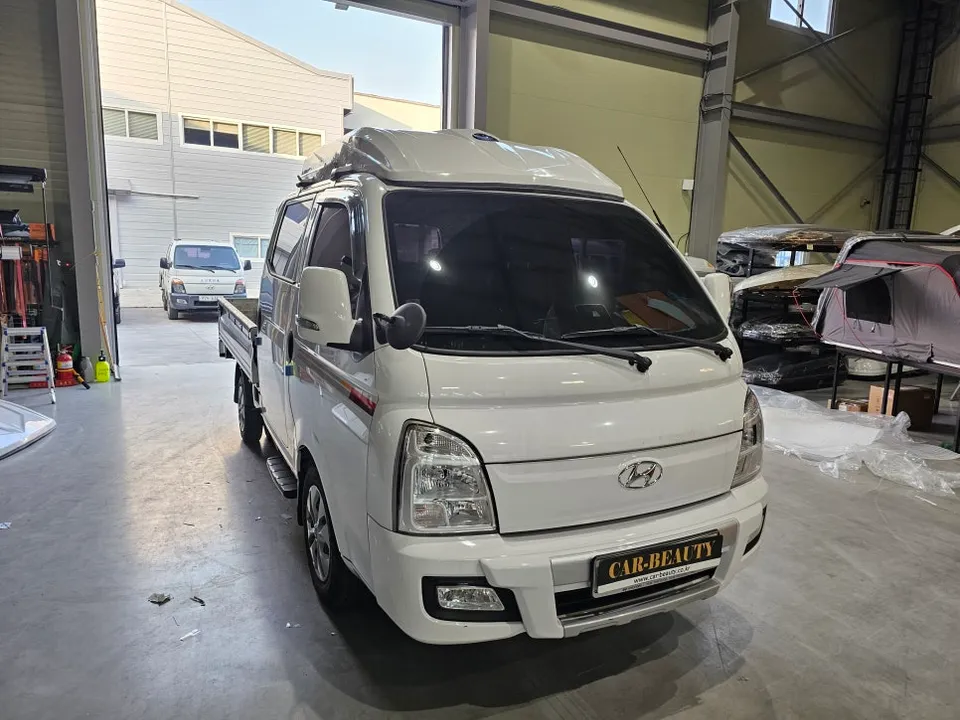
Seat climate upgrade for Hyundai Porter 2: Installation cost varies. Improves comfort year-round. Professional installation recommended.
Enhancing Your Hyundai Porter 2 with Seat Climate Control
For Hyundai Porter 2 Double Cab owners, comfort during long drives or demanding workdays is paramount. While the Porter 2 is a workhorse, its cabin amenities can often be enhanced. This review focuses on the installation of seat ventilation and heating systems, a popular aftermarket upgrade designed to significantly improve driver and passenger comfort. We'll explore the benefits, the installation process, and what to expect in terms of results and durability.
Seat Ventilation & Heating: A Worthwhile Upgrade?
The primary goal of installing ventilated and heated seats in a Hyundai Porter 2 is to regulate cabin temperature more effectively. In hot weather, ventilated seats provide a cooling sensation by drawing air through the seat upholstery, preventing discomfort and sweat. Conversely, heated seats offer warmth during colder months, improving comfort and circulation. This Seat Ventilation & Heating upgrade transforms the driving experience, especially for those who spend extensive hours behind the wheel or operate in diverse climates. The decision to invest in this seat climate upgrade often comes down to balancing the upfront Seat Ventilation & Heating cost against the long-term benefits of enhanced comfort and potentially improved focus while driving.
Installation Process & Durability
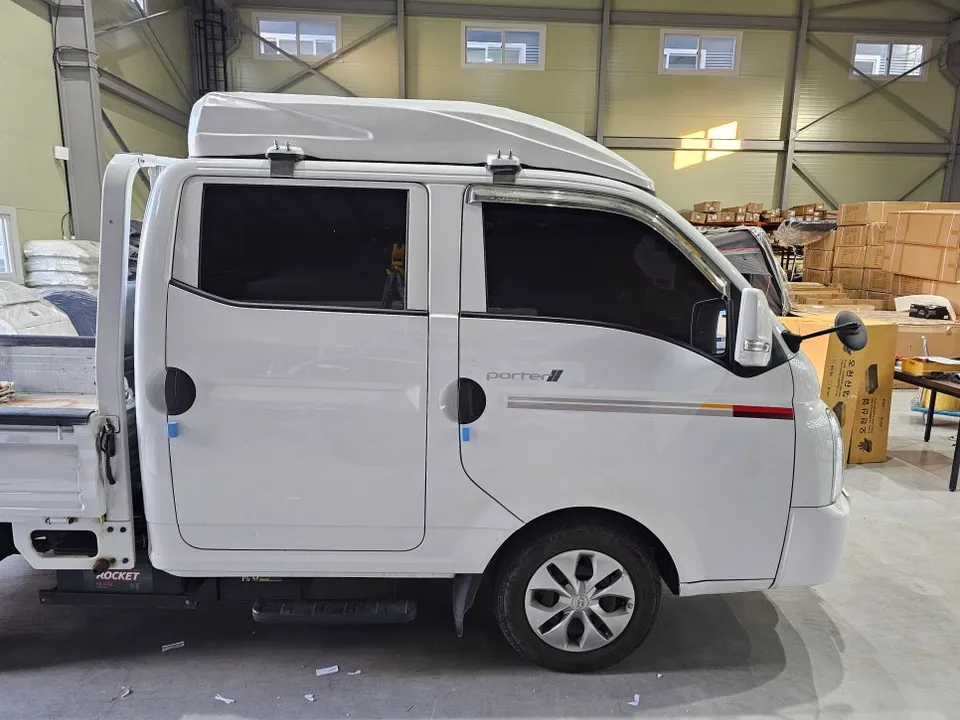
The installation of aftermarket ventilated and heated seats typically involves integrating the system components discreetly within the existing seat structure. While the original Korean context discusses a Limousine Carrier installation, the principles for seat climate upgrades are similar in complexity and require professional expertise. The process generally involves:
- Component Integration: Installing heating elements and/or ventilation fans beneath the seat upholstery.
- Wiring: Connecting the system to the vehicle's power supply, often requiring a dedicated circuit and fuse.
- Control Interface: Mounting and wiring control switches or modules, usually on the dashboard or seat side.
- Testing: Thoroughly testing all functions to ensure proper operation and safety.
The durability of these systems depends heavily on the quality of the components and the professionalism of the installation. High-quality aftermarket kits are designed to withstand regular use. Maintenance usually involves keeping the seat surfaces clean and ensuring no obstructions block the ventilation fans. While specific durability figures vary by brand, a well-installed system can last for many years. The original context mentions a 30-minute installation for a different product, but seat climate control systems typically require more time, often several hours, depending on the complexity and whether both heating and ventilation are installed.
When considering this upgrade for your Hyundai Porter 2, it's crucial to research reputable installers and quality component brands. The Seat Ventilation & Heating cost can vary significantly based on these factors, but the investment in comfort and driving experience is often considered well worth it by owners.
Frequently Asked Questions
Q. How much does ventilated seat installation cost for a Hyundai Porter 2?
The Seat Ventilation & Heating cost for this upgrade on a Hyundai Porter 2 can vary, but aftermarket installations typically range from ₩500,000 to over ₩1,000,000 (approximately $360-$720 USD), depending on the system's complexity and installer.
Q. How durable are aftermarket ventilated seats for a Hyundai Porter 2?
Well-installed ventilated seats are generally durable and can last for many years with proper care. Regular cleaning of the seat upholstery and ensuring ventilation fans are free from debris are key maintenance tips.
Q. Are aftermarket ventilated seats worth it for a Hyundai Porter 2?
Ventilated seats are most beneficial for Porter 2 drivers who frequently operate in hot climates or spend long hours in the vehicle. The enhanced comfort and reduced fatigue can make the investment worthwhile.
Q. How are ventilated seats installed in a Hyundai Porter 2?
Installation involves integrating heating elements and/or ventilation fans beneath the seat upholstery, connecting them to the vehicle's power supply, and mounting control switches. A professional typically completes this process in several hours.
Q. What is the difference between OEM and aftermarket ventilated seats for a Hyundai Porter 2?
OEM (Original Equipment Manufacturer) systems are factory-integrated and often offer seamless integration, while aftermarket options provide a retrofit solution that can be more customizable and potentially less expensive. For the Porter 2, aftermarket is the primary route for this feature.
OhCar Partner Shop