Hyundai Sonata DN8 Body Kit Installation Review
Service Price
$75–115
Estimated price · Actual price may vary by shop
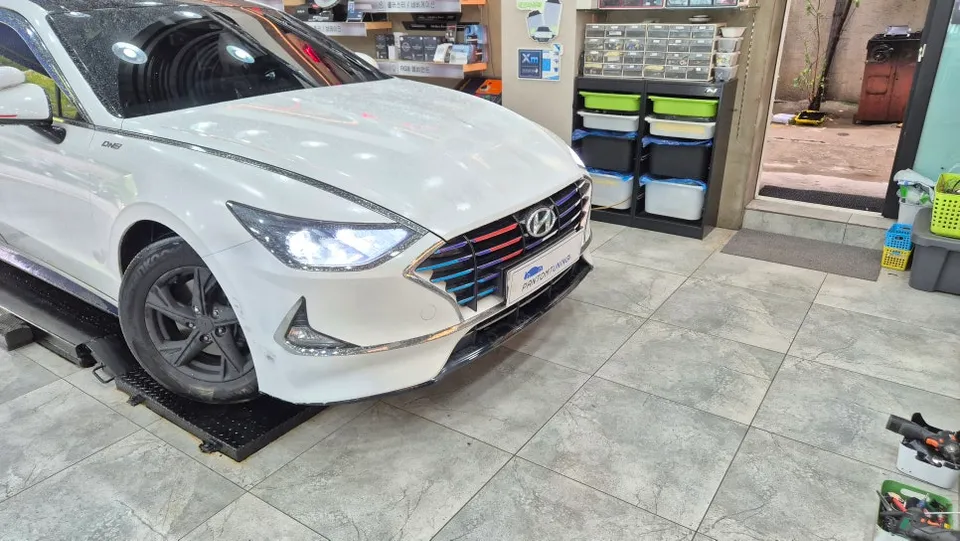
Before
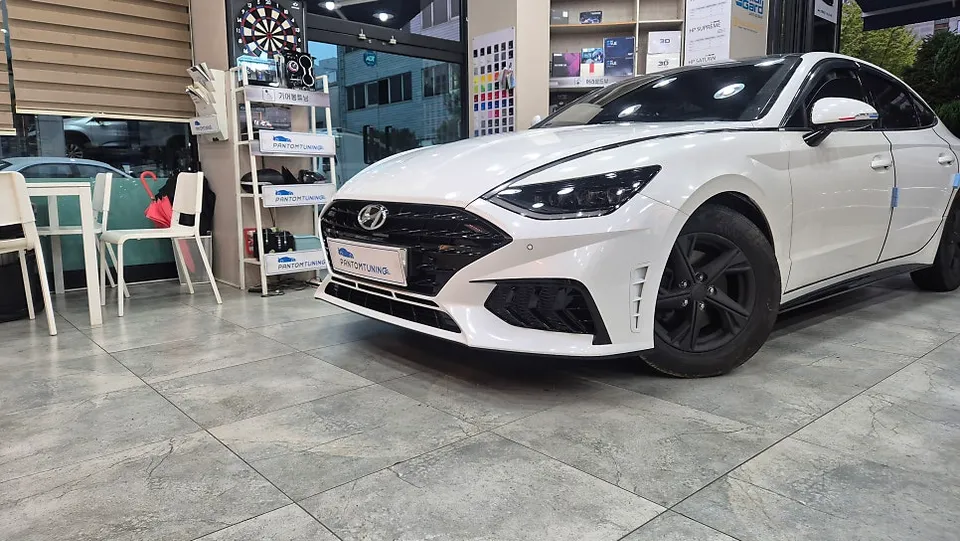
After
Process photos
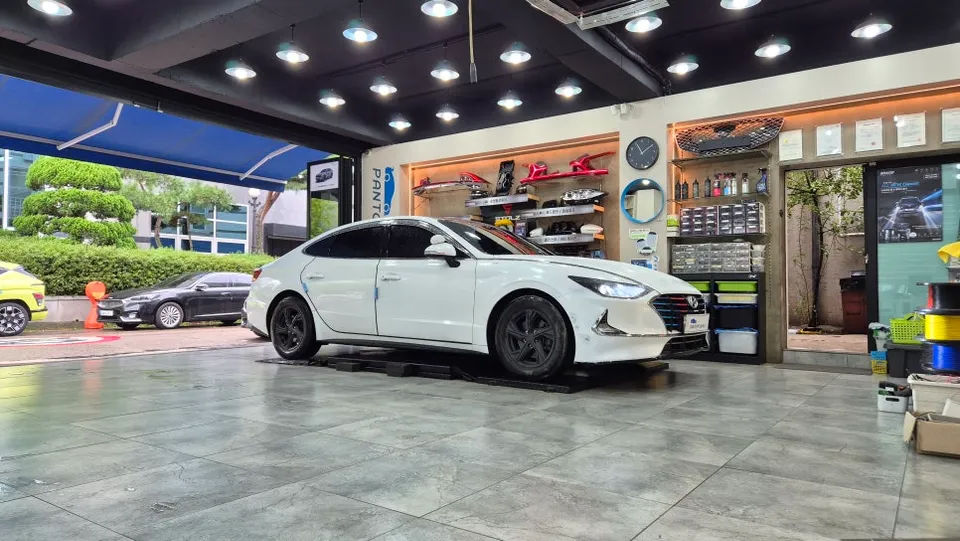
Hyundai Sonata DN8 body kit upgrade: Enhances sporty look with N Line bumper & LED lights. Costs vary, installation takes days.
Transform Your DN8 Sonata with a Custom Body Kit
Purchasing a used car can sometimes come with unexpected cosmetic issues. For owners of the Hyundai Sonata DN8, if you find yourself unhappy with the original bumper design, paint imperfections, or lighting, a body kit upgrade can be a comprehensive solution. This review explores the process, results, and considerations for installing an aero kit on your DN8 Sonata, drawing from experiences where such comprehensive upgrades were performed.
Enhancing Aesthetics: N Line Bumpers and LED Lighting
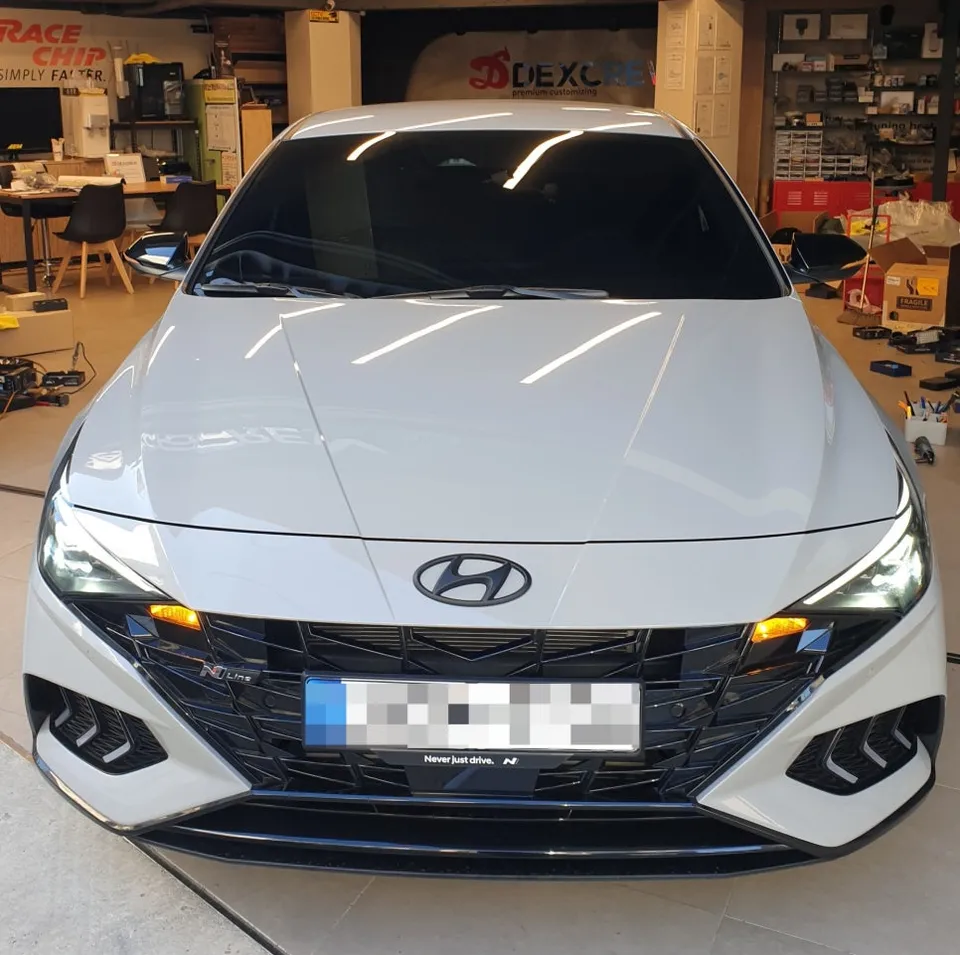
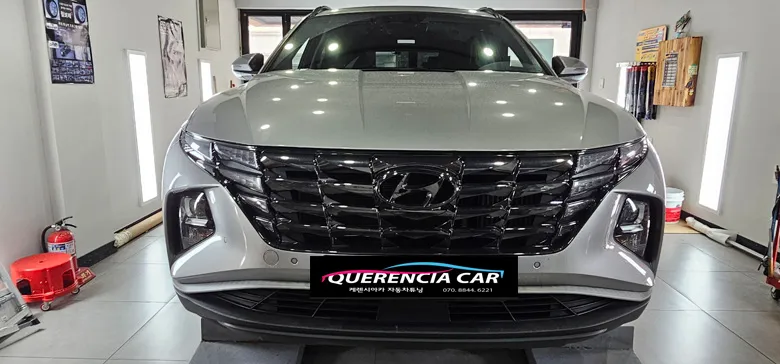
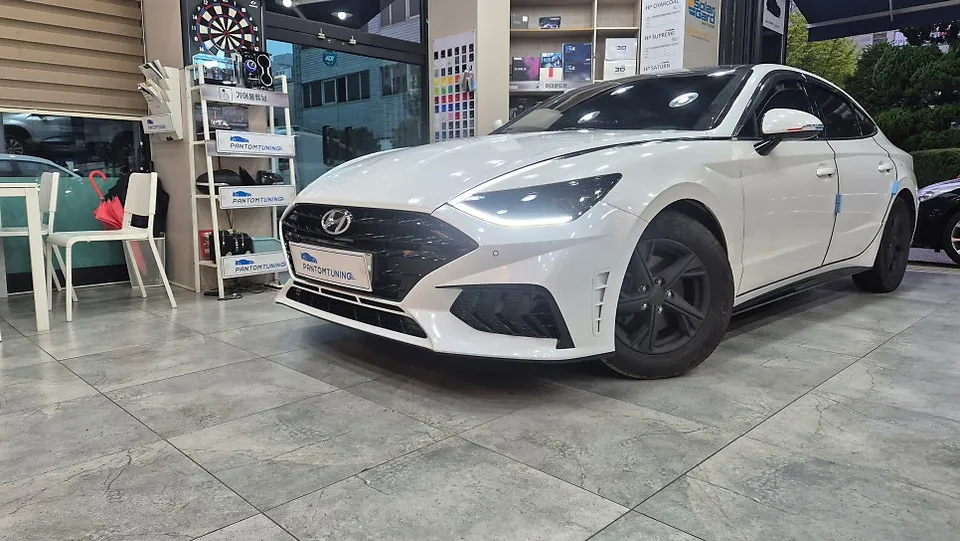
Many DN8 Sonata owners seek to elevate their vehicle's appearance beyond its factory settings. A popular modification, as seen in comprehensive service examples, involves upgrading to an N Line or Sensuous bumper. These options offer a more aggressive and sporty front-end design compared to the standard Sonata bumper. The addition of an N Line badge further accentuates the sporty aesthetic. Beyond the bumper, upgrading the headlights from halogen to projection LED units significantly impacts both the car's look and its functionality. These LED headlights provide superior illumination for nighttime driving, with distinct daytime running lights and clear projection lenses that enhance visibility and safety. The integrated LED turn signals also contribute to a more modern and refined appearance.
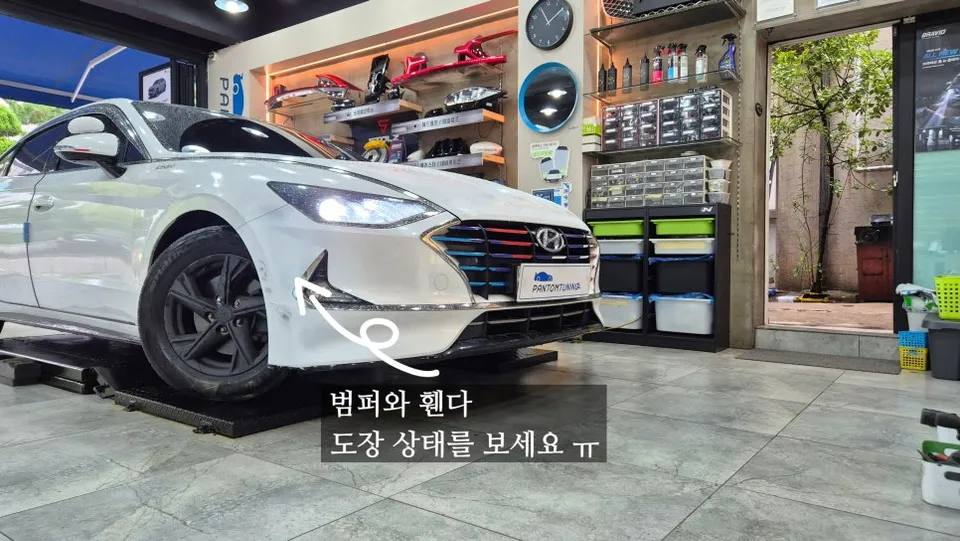
The Transformation: Before & After and Durability
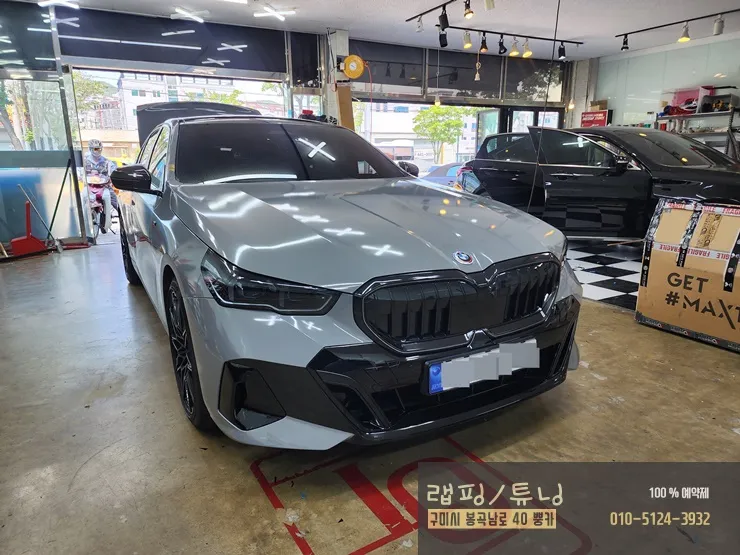
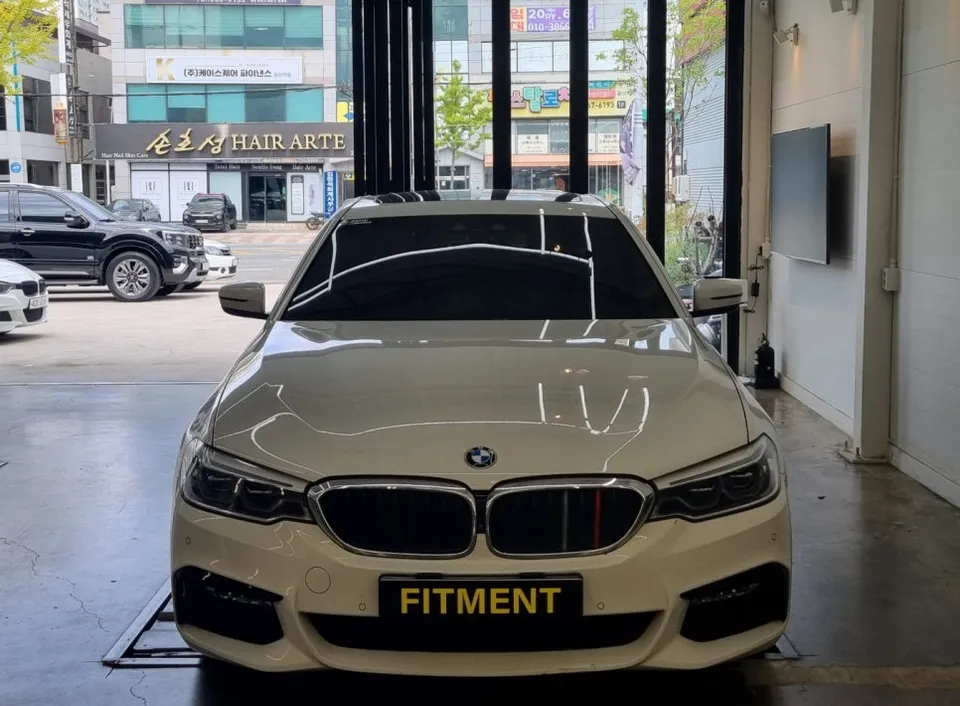
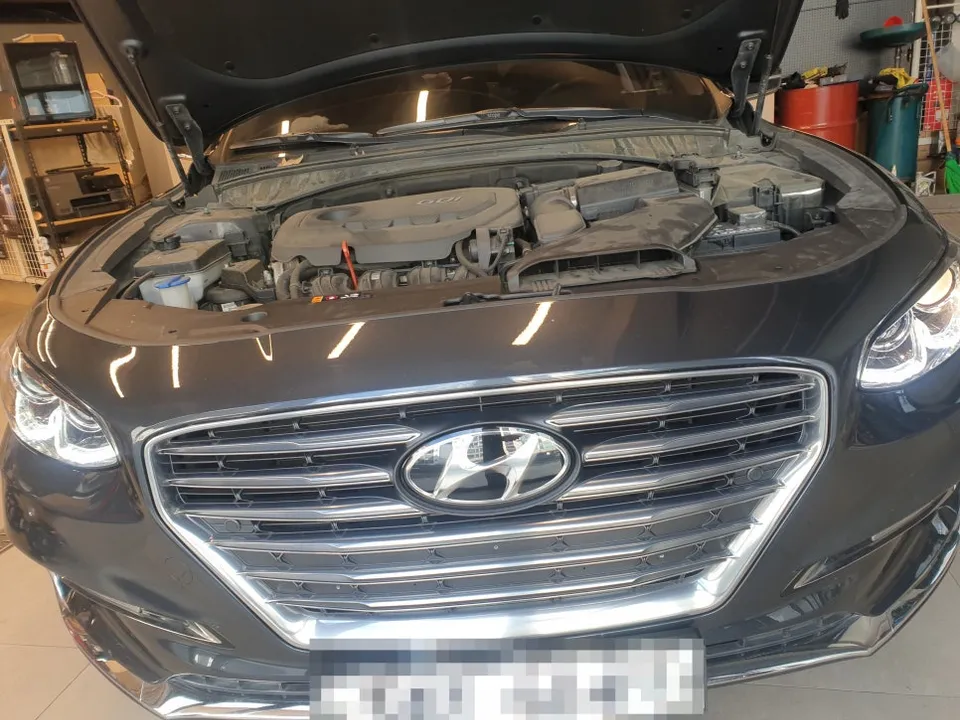
The visual impact of a body kit and associated upgrades on the Hyundai Sonata DN8 is substantial. Before-and-after comparisons clearly demonstrate how a new bumper and updated lighting can completely redefine the car's presence. The transition from a standard, perhaps dated, front end to a sportier N Line bumper and sleeker LED headlights results in a vehicle that looks significantly more dynamic and contemporary. Such aesthetic enhancements often lead to high owner satisfaction, as the perceived change is dramatic. Regarding durability, body kit components, especially those made from materials like polyurethane, are designed for longevity. However, like any exterior modification, their lifespan depends on external factors such as road debris, parking incidents, and overall maintenance. Proper care, including regular cleaning and avoiding harsh impacts, will help maintain the kit's appearance and integrity over time. Paintwork, when professionally applied, is also expected to last for many years, though it can be susceptible to chips and scratches from everyday driving.
Installation Process and Cost Considerations
The installation of a body kit, including bumper and headlight replacements, is a detailed process that typically requires several days. Based on comprehensive service examples, a full front-end transformation can take approximately 3 to 4 days. This timeframe allows for meticulous preparation, fitting, painting, and final assembly. The cost for such extensive upgrades can vary significantly, generally starting from around 1 million Korean Won (approximately $750 USD, though exchange rates fluctuate) and potentially exceeding this figure depending on the specific parts chosen (e.g., bumper type, headlight grade) and the extent of paintwork required. It is crucial to consult with a specialized workshop for an accurate quote based on your vehicle's condition and desired modifications. While the KR context mentions a price range of $75–115 for something related to paint or bumper issues, this seems to refer to minor touch-ups or specific parts rather than a full body kit installation, which is considerably more expensive.
Installation Process:
- Preparation: The original bumper and headlights are carefully removed. The new body kit components are inspected for fitment and any necessary minor adjustments are made.
- Painting: The new body kit parts (bumper, etc.) are professionally painted to match the vehicle's original color code or a custom color.
- Installation: The painted components are securely fitted to the vehicle's chassis.
- Lighting Upgrade: New LED headlights are installed, and wiring is connected for proper function, including daytime running lights and turn signals.
- Final Checks: All components are tested for secure fitment, and electrical systems are verified.
When considering a body kit for your Hyundai Sonata DN8, it's essential to weigh the aesthetic benefits against the cost and installation time. For owners looking to significantly enhance their vehicle's appearance and address any pre-existing cosmetic flaws, a well-executed body kit installation can be a worthwhile investment, providing a personalized and sportier look.
Frequently Asked Questions
Q. How much does a body kit cost for a Hyundai Sonata DN8?
While the specific service mentioned in the Korean context had a price range of $75–115, a full body kit installation for a Hyundai Sonata DN8, including bumper and headlight upgrades, typically starts from around 1 million Korean Won (approx. $750 USD) and can increase based on part selection and paintwork.
Q. How long does body kit installation take on a Hyundai Sonata DN8?
A comprehensive body kit installation, including bumper and headlight upgrades, usually takes about 3 to 4 days to complete. Proper maintenance, such as regular cleaning and avoiding impacts, will help ensure the longevity of the installed parts.
Q. Is a body kit worth it for a Hyundai Sonata DN8?
A body kit is most worthwhile for DN8 Sonata owners seeking a significant aesthetic upgrade and a sportier appearance, especially if addressing existing cosmetic imperfections. The value lies in the dramatic visual transformation and personalization it offers.
Q. How is a body kit installed on a Hyundai Sonata DN8?
Installation involves removing the original bumper and headlights, preparing and painting the new body kit components, securely fitting them to the vehicle, and installing upgraded LED headlights with proper wiring. Final checks ensure everything is secure and functional.
Q. What is the difference between FRP and polyurethane body kits for a Hyundai Sonata DN8?
Polyurethane kits are generally more flexible, impact-resistant, and durable than FRP (Fiber-Reinforced Plastic) kits, making them a better long-term investment despite potentially higher initial costs. For most owners, a polyurethane body kit is recommended for its superior resilience.
OhCar Partner Shop