Hyundai Sonata Body Repair & Painting Review
Service Price
$approx. $1,500+
Estimated price · Actual price may vary by shop
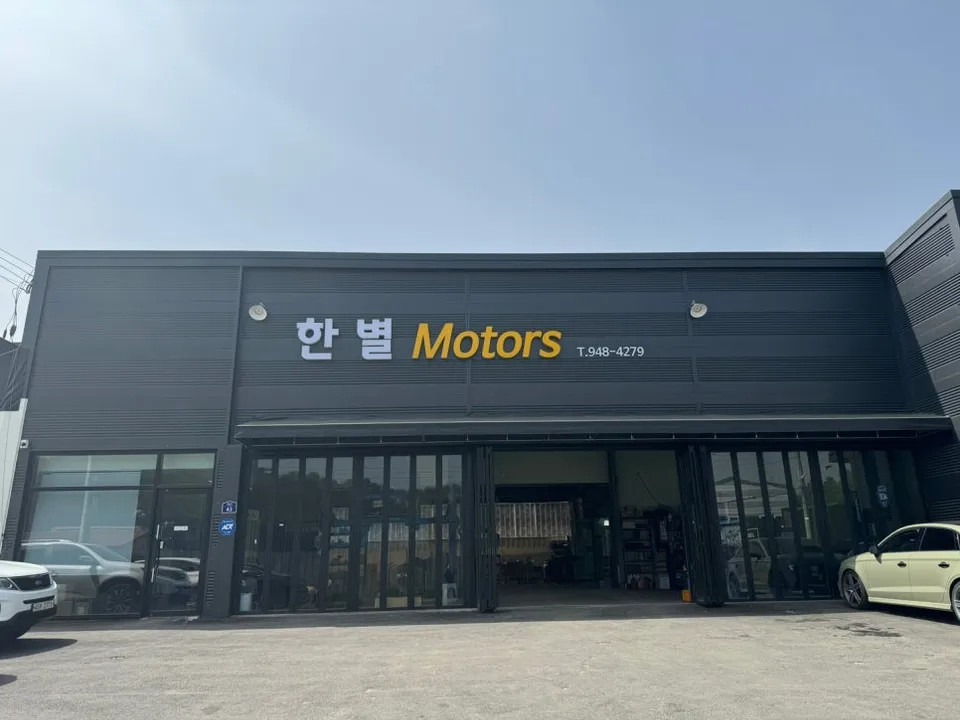
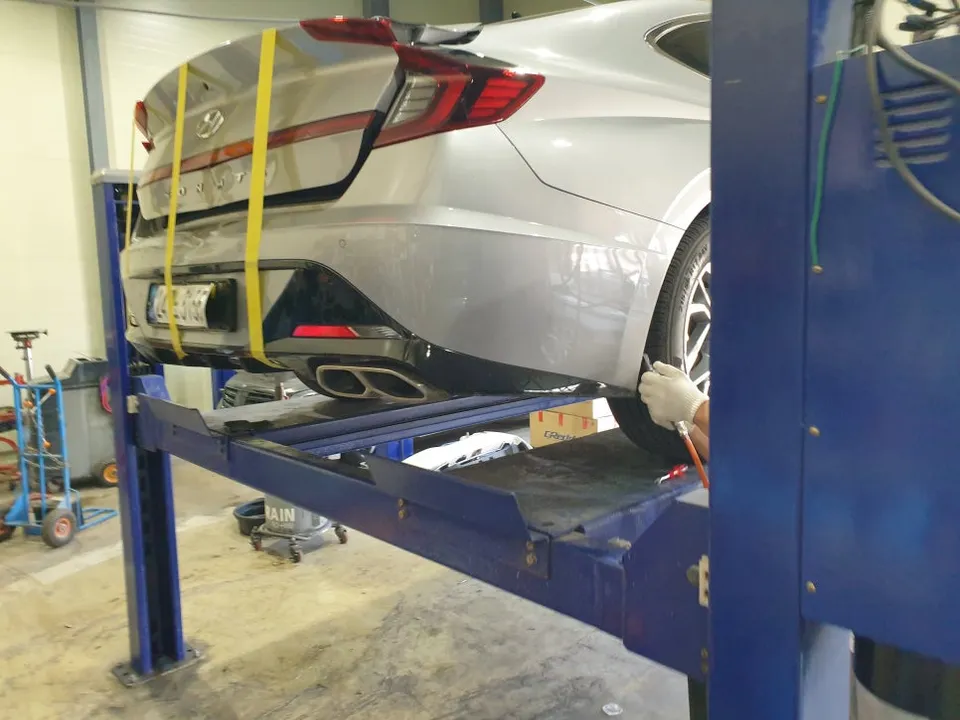
Hyundai Sonata DN8 body repair & painting: Perfect restoration after rear-end collision. 7-day process.
Expert Body Repair and Painting for Your Hyundai Sonata DN8
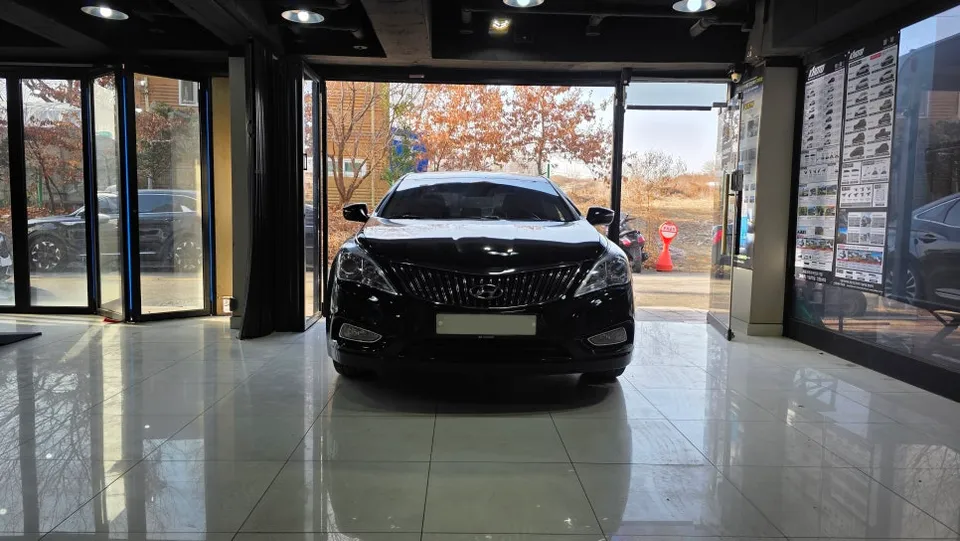
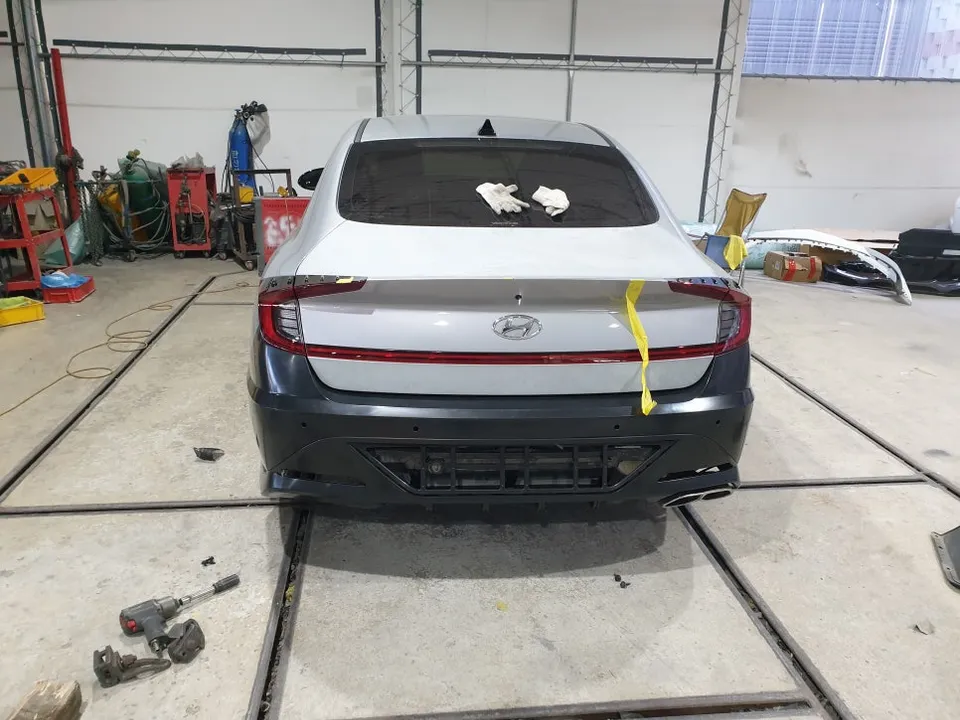
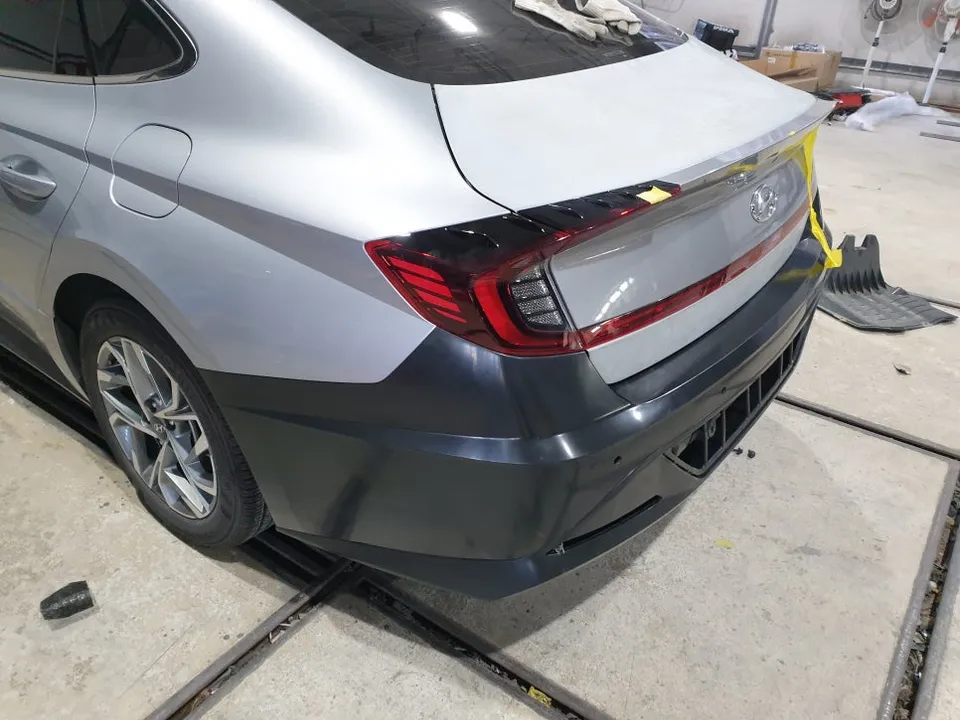
Even a new car can suffer unfortunate accidents. This Hyundai Sonata DN8 owner experienced a rear-end collision shortly after purchase, resulting in a trunk that wouldn't close properly. The request was clear: a meticulous and perfect repair. This review details the comprehensive body repair and painting process undertaken to restore the vehicle to its pristine, pre-accident condition.
The Difference of a Certified Body Shop
Choosing the right facility is crucial for complex repairs like those involving bodywork and painting. In Korea, a 'Class 1' auto repair shop signifies a higher standard, requiring at least three certified technicians and legally mandated facilities for panel beating and painting. This designation ensures a level of technical expertise and equipment that surpasses basic repair shops. Our facility boasts over 20 years of experience, with veteran technicians dedicated to achieving 100% customer satisfaction, handling everything from minor maintenance to major accident repairs with confidence.
Addressing Rear-End Collision Damage: The Back Panel
A common issue in rear-end collisions is damage to the back panel, the structural frame at the rear of the vehicle. In this Sonata DN8, the back panel was pushed in, preventing the trunk from latching correctly. While replacing the back panel is often the standard procedure, the customer requested that the chassis not be cut. This presented a challenging repair that requires advanced panel beating skills. Our technicians successfully tackled this intricate job, skillfully reshaping the original back panel to restore its integrity and alignment.
Precision Fitment: New Parts and Panel Alignment
After assessing the damage, new parts were ordered, including a replacement back panel. The initial step involved assembling the new parts to meticulously adjust for panel gaps – the spaces between adjacent body panels. Achieving perfect alignment is critical; even minor discrepancies necessitate starting the process over. Fortunately, the gaps on all sides were precisely aligned, ensuring a seamless fit before proceeding to the painting stage.
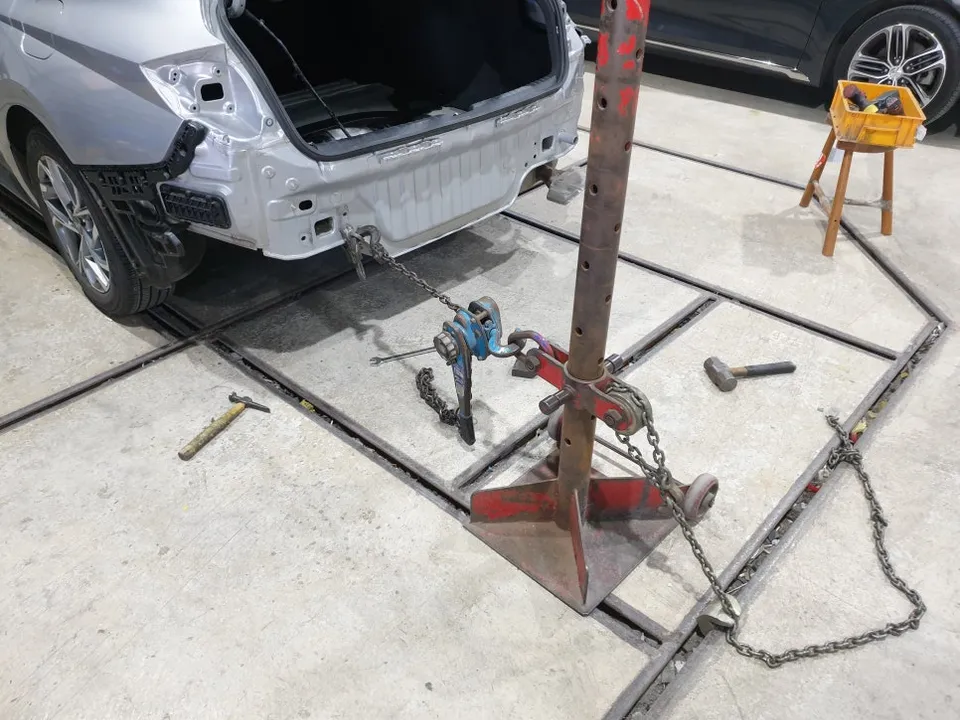
The Painting Process: Restoring Color and Finish
The impact of the rear-end collision extended beyond the trunk, causing paint damage to the surrounding fenders. A complete restoration required addressing these areas as well to ensure a uniform and flawless finish. The process involved carefully removing all affected parts before the painting commenced.
Advanced Painting Facilities for Flawless Results
Our facility is equipped with a state-of-the-art paint booth and a baking chamber. These are not just for aesthetics; they are essential for a professional paint job. The paint booth ensures a dust-free environment, critical for a smooth finish, while the baking chamber accelerates the drying process. Furthermore, our advanced color-matching system allows us to precisely replicate any factory paint color, guaranteeing that the repaired areas blend seamlessly with the original paint, leaving no trace of the accident.
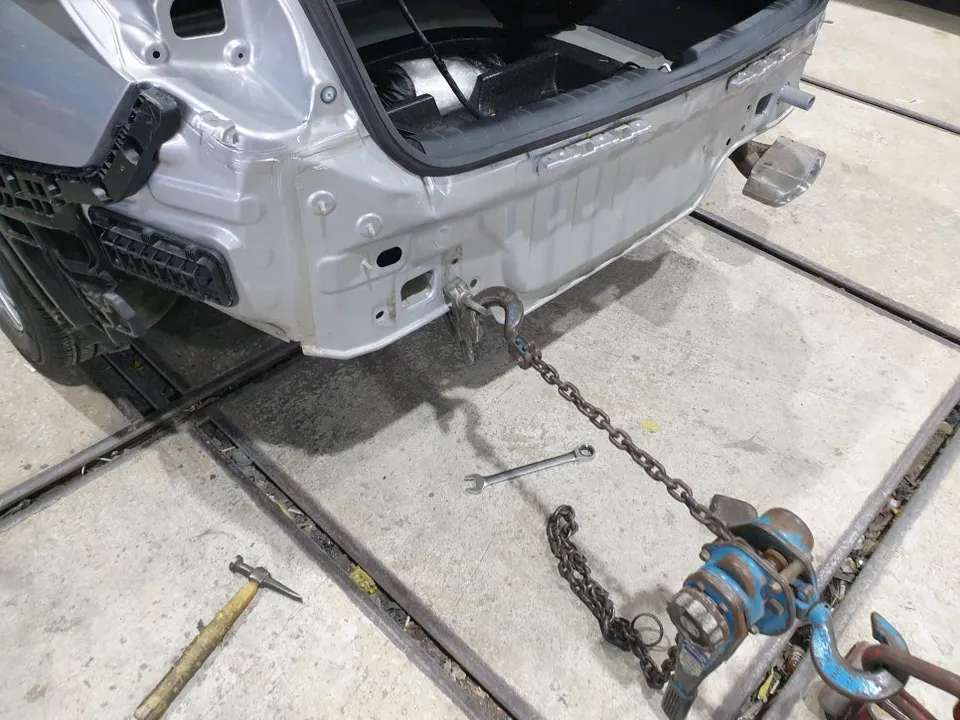
A Seven-Day Transformation: Back to New
The complete repair of this Hyundai Sonata DN8, involving back panel straightening, precise gap adjustment, and color-matched painting, took a total of seven days. The result is a vehicle that looks and feels brand new. We offer a one-year warranty on all paintwork and provide ongoing after-sales service for all repairs. This level of meticulous work and comprehensive warranty offers peace of mind to owners who have experienced the distress of a car accident.
Understanding Body Repair Costs
The cost of body repair and painting for a rear-end collision varies significantly based on the extent of the damage and the complexity of the work required. For this specific Hyundai Sonata DN8, the detailed process involved extensive panel beating and precise color matching, reflecting the comprehensive nature of the repair.
Frequently Asked Questions
Q. How much does body repair and painting cost for a Hyundai Sonata DN8 after a rear-end collision?
The cost for this Hyundai Sonata DN8's rear-end collision repair and painting was significant due to the extensive panel beating and precise color matching involved. Typical US body repair costs can range from $500 to $3,500 or more, depending on the severity of the damage.
Q. How long does body repair and painting typically take for a Hyundai Sonata DN8?
This comprehensive repair, including back panel straightening and painting, took seven days to complete. Proper body repair and painting can ensure the longevity of your vehicle's finish, and regular washing and waxing can help maintain its appearance.
Q. Is auto body repair for a Hyundai Sonata DN8 typically covered by insurance?
Yes, auto body repair for a Hyundai Sonata DN8, especially after an accident like a rear-end collision, is typically covered by comprehensive or collision auto insurance policies. Filing a claim with your insurance provider is the standard procedure for covering these repair costs.
Q. How is body repair and painting performed on a Hyundai Sonata DN8 after a rear-end collision?
1. Assess and repair structural damage to the back panel using panel beating techniques. 2. Fit and align new or repaired body panels, ensuring precise gaps. 3. Prepare the damaged areas for painting, including sanding and priming. 4. Apply multiple coats of paint using advanced color-matching technology in a controlled paint booth. 5. Cure the paint using heat treatment for a durable finish.
Q. What is the difference between panel beating and replacement for a Hyundai Sonata DN8's back panel?
Panel beating involves skillfully reshaping the original damaged panel, which requires advanced technical expertise and is often preferred when chassis cutting is to be avoided. Panel replacement involves removing the damaged section and welding in a new part, which is generally faster but may alter the vehicle's original structure.
OhCar Partner Shop