Hyundai Sonata DN8 OEM Options Review: Factory Upgrade Cost
Service Price
$150+
Estimated price · Actual price may vary by shop
Before
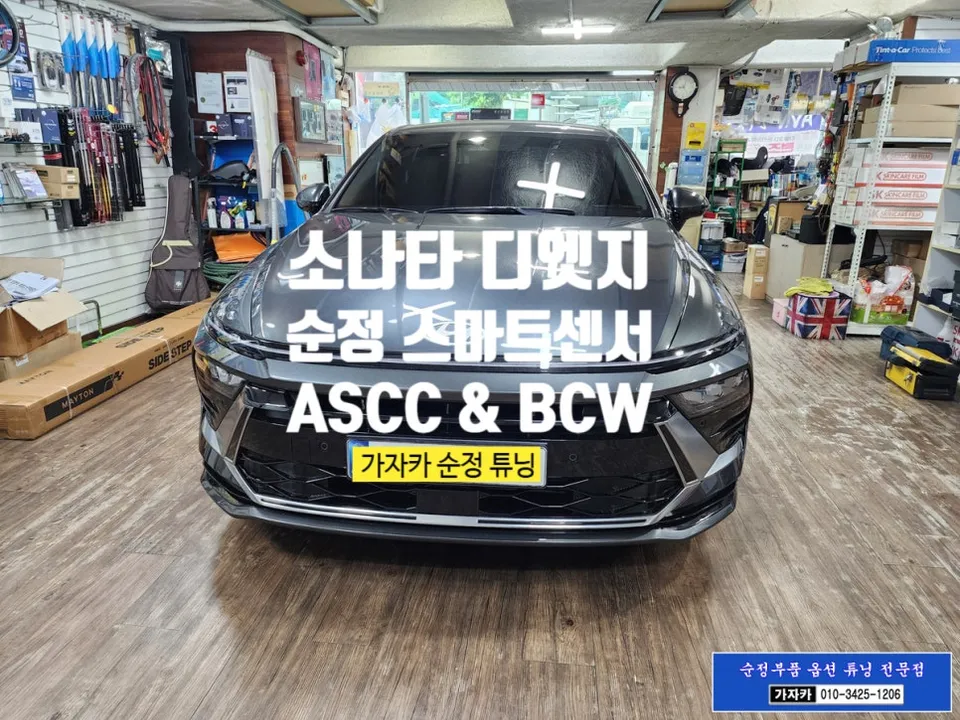
After
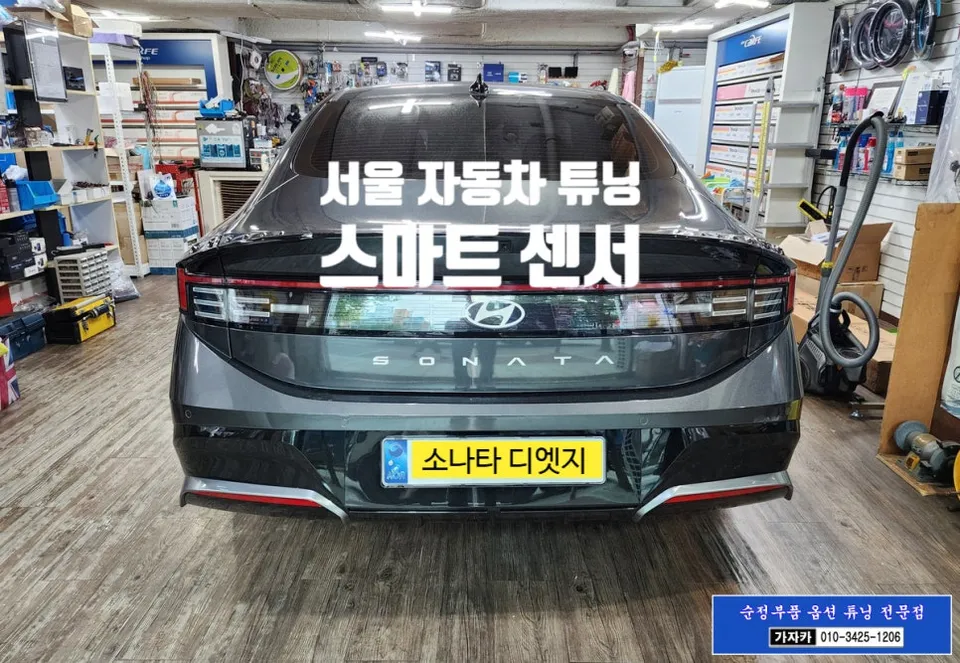
Process photos
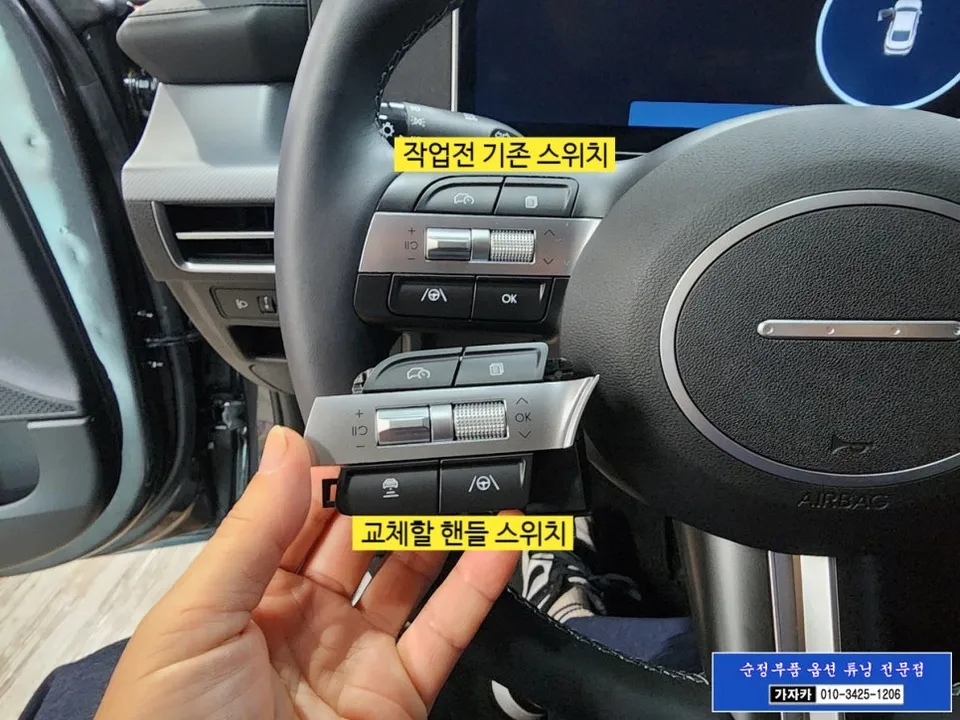
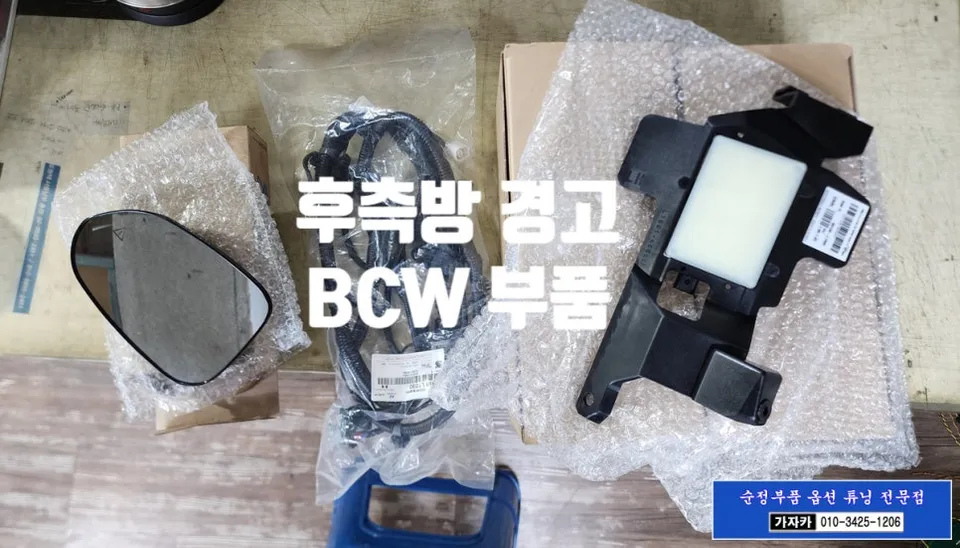
Hyundai Sonata DN8 OEM options retrofit: ~$110+. Adds Smart Sense features like adaptive cruise control and blind-spot monitoring for enhanced safety
Enhancing Your Hyundai Sonata DN8 with Factory Options
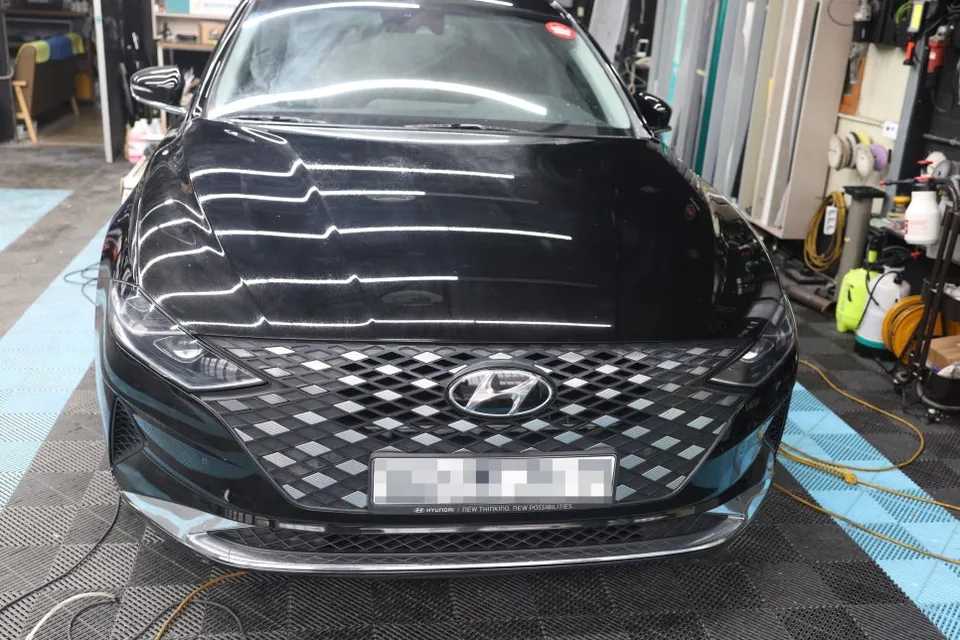
Many car owners find themselves wishing they had selected certain features at the time of purchase. For the Hyundai Sonata DN8 Hybrid, a common desire is to add missing Smart Sense safety and convenience features. This review details the process of retrofitting these OEM options using genuine factory parts, effectively restoring or adding advanced driver-assistance systems (ADAS) that may have been omitted from the original build. The goal is to achieve a factory-perfect integration, enhancing both safety and driving comfort without compromising the vehicle's integrity.
The Process of OEM Option Retrofit for Sonata DN8
This comprehensive upgrade involves several key steps to ensure seamless functionality. The process begins with a thorough inspection of the vehicle to identify exactly which components are missing. For the Sonata DN8 Hybrid, this often includes the steering wheel switch for Smart Cruise Control (SCC), radar sensors for both front (ASCC) and rear (BCW - Blind-Spot Collision-Avoidance Assist Rear), and potentially side mirror indicators for the blind-spot warning system. The installation requires meticulous attention to detail, including precise wiring for CAN network communication and the physical mounting of sensors in their designated factory locations. Using only genuine Hyundai Mobis parts guarantees that the new features will operate exactly as if they were installed at the factory.
Installation Process:
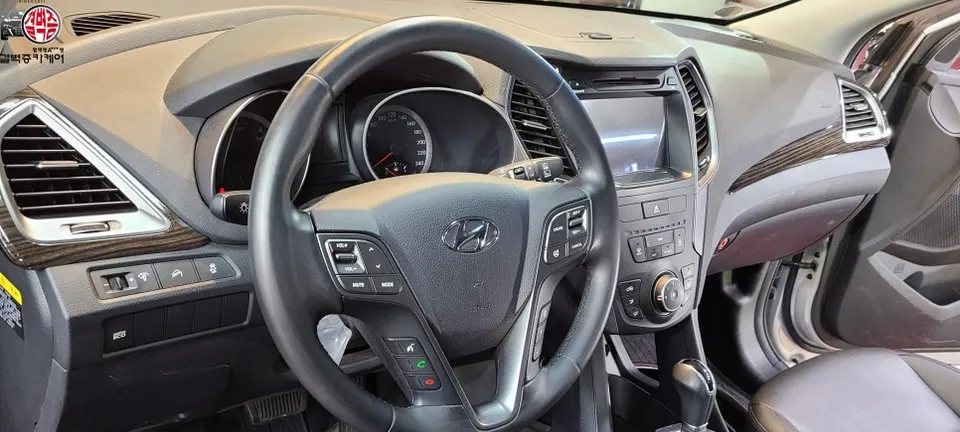
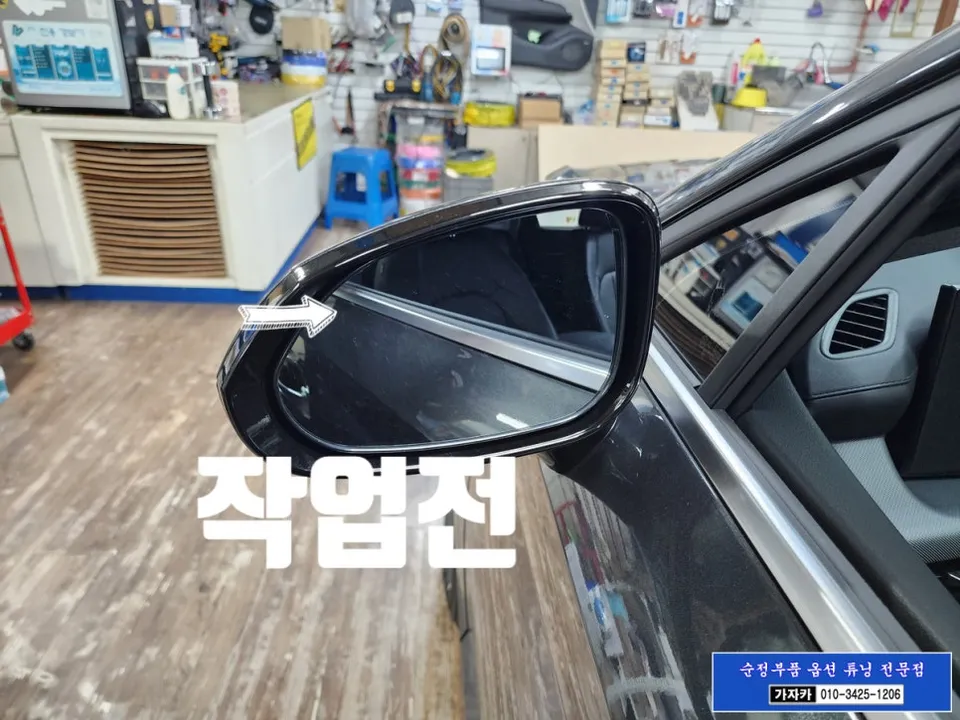
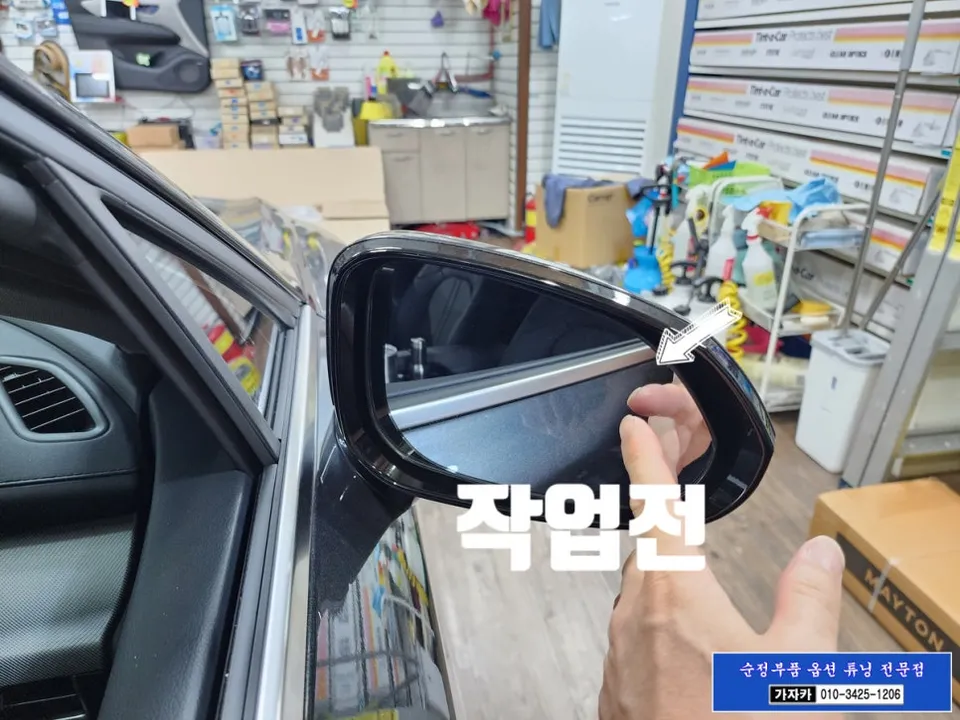
- Component Replacement and Installation: This involves swapping out the existing steering wheel controls for units equipped with SCC buttons and precisely mounting the front and rear radar sensors. For BCW, this may also include replacing side mirror glass with units featuring integrated warning lights.
- Wiring and Network Integration: Essential wiring harnesses are installed to connect the new components to the vehicle's CAN (Controller Area Network) bus. This ensures that all new sensors and switches can communicate effectively with the car's central computer.
- Coding and Calibration: After physical installation, specialized diagnostic tools are used to code the vehicle's systems. This activates the newly installed features and clears any related error messages on the instrument cluster. Crucially, radar calibration is performed to ensure accurate operation of ASCC and BCW functions.
- Functional Testing: A road test is conducted to verify that all retrofitted systems, including Smart Cruise Control, Highway Driving Assist (HDA), and Blind-Spot Collision-Avoidance Assist (BCA), are functioning correctly and safely.
Before and After: The Impact of Factory Upgrades
The most significant change after this OEM option retrofit is the vastly improved driving experience. Before the upgrade, features like adaptive cruise control and blind-spot monitoring are absent. After installation, the Sonata DN8 gains these advanced safety and convenience systems. The ASCC allows the car to maintain a set speed and distance from the vehicle ahead, significantly reducing fatigue on long drives or in traffic. The BCW system provides audible and visual warnings for vehicles in the blind spots, and can even intervene with braking to help prevent collisions, especially during lane changes or when reversing out of parking spaces. These additions not only make driving safer but also more comfortable and less stressful, bringing the vehicle up to a higher specification. The cost for such a retrofit in Korea, including parts and labor, can range from approximately ₩150,000 KRW (around $110 USD) upwards, depending on the specific options being added.
Durability and Maintenance Considerations
When genuine OEM parts are used for a factory option retrofit, the durability and maintenance are generally equivalent to features originally installed by the manufacturer. These components are designed to withstand the rigors of daily use and are built to last the lifespan of the vehicle. Regular maintenance typically involves keeping the radar sensors clean, as dirt or debris can potentially interfere with their performance. Beyond that, no special maintenance is usually required. The integration is seamless, meaning the vehicle's existing maintenance schedule remains largely unchanged.
Frequently Asked Questions
Q. How much does OEM option and factory upgrade installation cost for a Hyundai Sonata DN8?
The cost for OEM option retrofits on a Hyundai Sonata DN8 can start around ₩150,000 KRW (approximately $110 USD) in Korea, depending on the specific features added. Actual US pricing may vary significantly due to market differences and labor rates.
Q. How long does OEM options installation take on a Hyundai Sonata DN8?
The durability of OEM options installed as retrofits is generally equivalent to factory-installed features, designed for the vehicle's lifespan. To ensure optimal performance, keep the radar sensors clean from dirt and debris.
Q. Are OEM options worth adding after purchase for a Hyundai Sonata DN8?
Adding OEM options like advanced safety features is most beneficial for drivers who frequently use highways or experience heavy traffic, as it significantly enhances safety and reduces driving fatigue. The value lies in gaining modern ADAS capabilities that improve the overall driving experience.
Q. How are OEM factory options installed on a Hyundai Sonata DN8?
OEM factory options are installed by replacing existing components (like steering wheel switches) and adding new ones (like radar sensors) in their designated factory locations. This is followed by precise wiring to integrate with the vehicle's CAN network, and finally, coding and calibration using specialized diagnostic tools to activate and ensure proper function of the new features.
Q. What is the difference between dealer-installed options and aftermarket upgrades for a Hyundai Sonata DN8?
OEM factory options use genuine manufacturer parts and integrate seamlessly with the vehicle's existing systems, often requiring specialized dealer tools for installation and coding. Aftermarket upgrades use non-OEM parts and may offer less integration or potentially affect vehicle warranty, though they can sometimes be more affordable.
OhCar Partner Shop