Hyundai Sonata DN8 Window Tinting Review — Clearer Vision
Service Price
$approx. $1,500+
Estimated price · Actual price may vary by shop
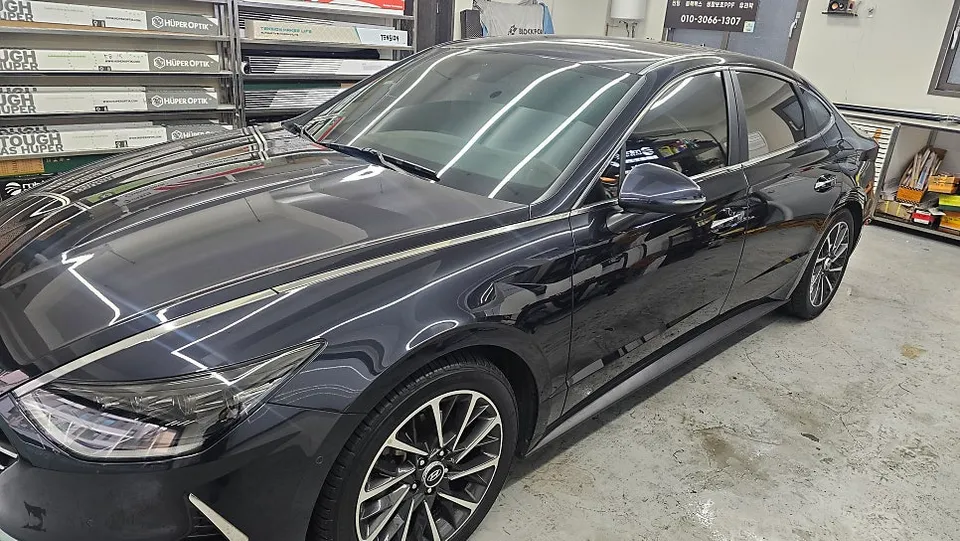
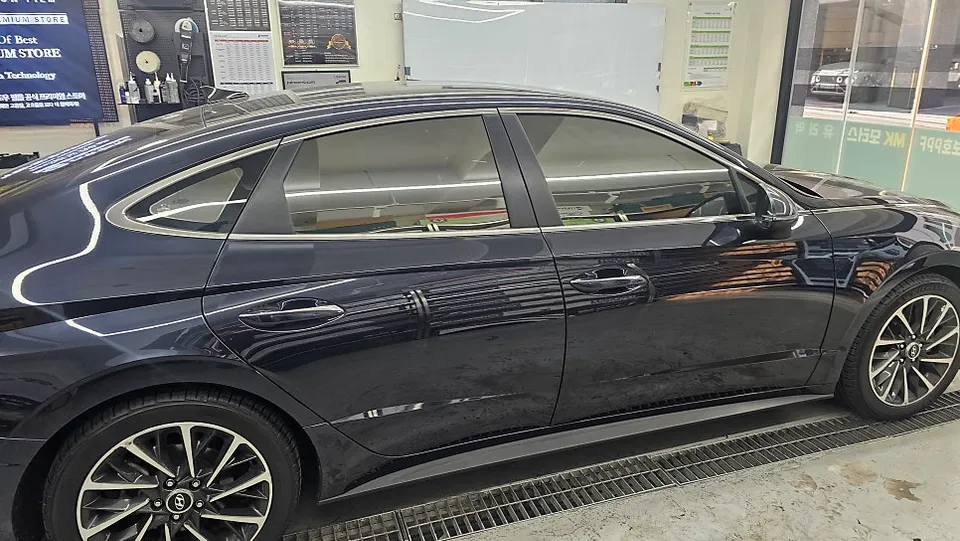
Hyundai Sonata DN8 window tinting with 50% non-reflective film: ~500,000 KRW. Improved visibility and reduced eye strain.
Upgrading Your Hyundai Sonata DN8's Window Tint: A 50% Non-Reflective Film Review
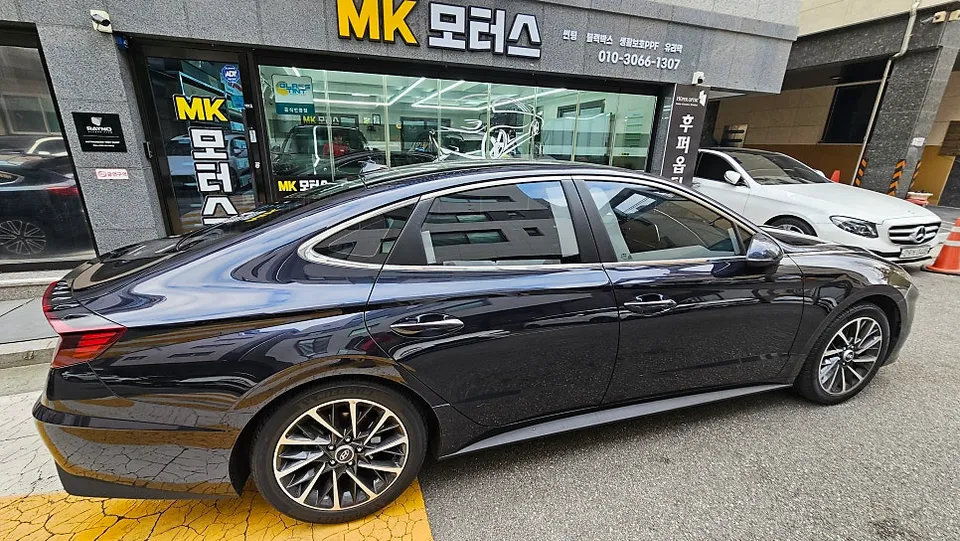
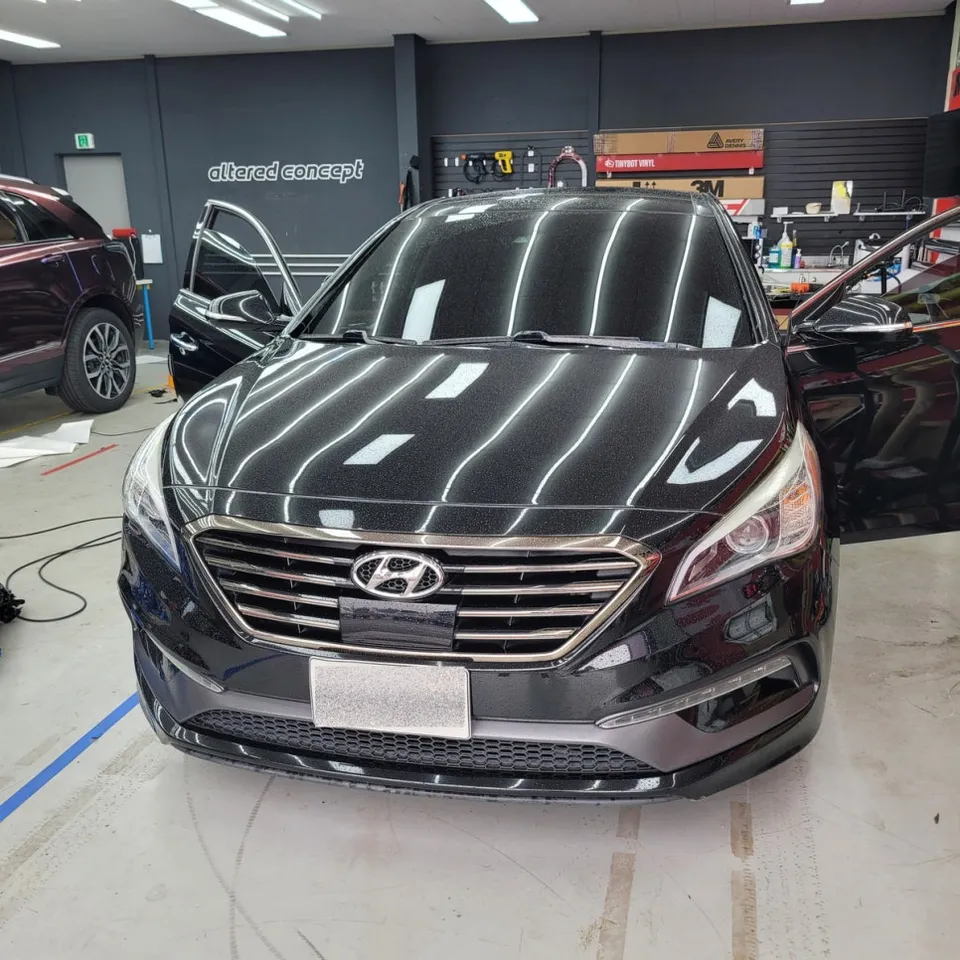
Considering a tint refresh for your vehicle in the Hanam region? Switching from dark, factory-tinted windows to a lighter shade can dramatically enhance both daytime visibility and nighttime driving comfort. This review details a re-tinting case for a 2021 Hyundai Sonata DN8 performed at the "Today's Car" Hanam branch, focusing on the advantages and disadvantages of a 50% non-reflective film.
The "Today's Car" Hanam Branch: Specializing in High-Light Transmission Films
Located in the Hanam, Guri, and Namyangju area, "Today's Car" Hanam is a dedicated tinting specialist. They excel in applying high-light transmission (lighter shade) films, handling everything from the precise removal of old tint to the meticulous installation of new materials. Their proximity to the Seohanam Interchange makes them easily accessible from eastern Seoul districts like Gangdong, Cheonho, Jamsil, and Pangyo.
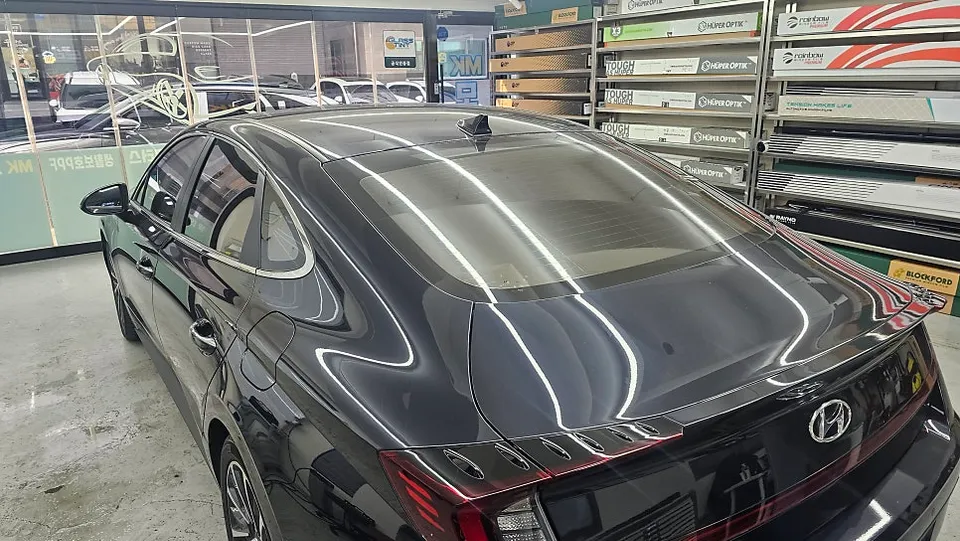
Why Switch from Dark 5% Tint to a Lighter 50% Film?
The owner of this Hyundai Sonata DN8 purchased the vehicle used, already equipped with a dark 5% VKOOL brand tint. While effective for privacy, the actual driving experience proved significantly darker than expected. Removing the VKOOL film was challenging due to its strong adhesive layer, a common trait of reputable brands. Persistent eye fatigue from reduced visibility during daily driving prompted the decision to switch to a lighter film. This choice highlights how tint percentage isn't just about aesthetics; it directly impacts safety and driving comfort.
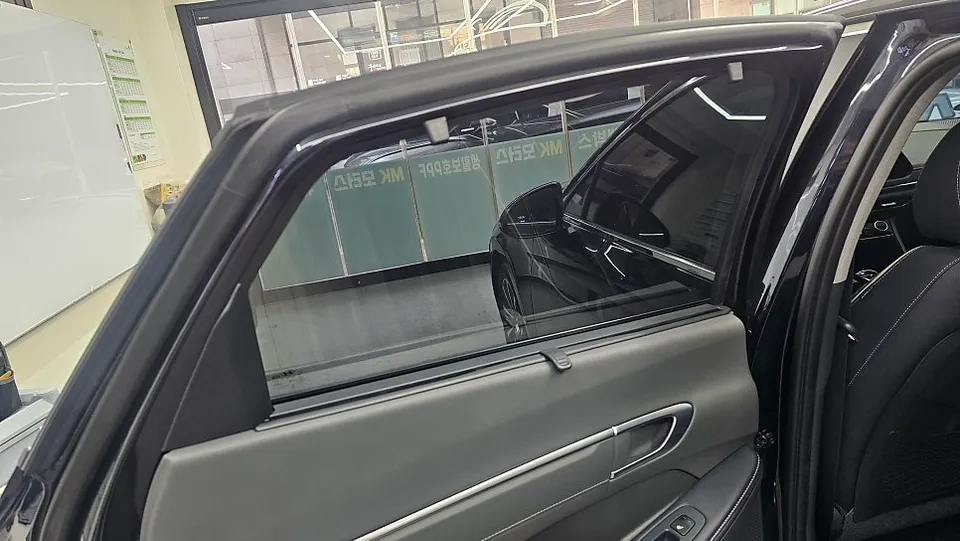
Installation Process: From Old Tint Removal to New Film Application
The process began with the careful removal of the existing 5% tint. This involved using a combination of heat guns and specialized solvents to break down the strong VKOOL adhesive. Thorough cleaning of the glass surface was crucial to eliminate any remaining residue, preventing damage to the glass. Following this preparation, a new Royal Series 101-grade film was applied. This film features an anti-glare coating designed to minimize daytime reflections while maintaining a reasonable level of interior privacy. The key to a flawless finish lies in precise surface cleaning and the use of air-release tools to ensure bubble-free adhesion.
Understanding 50% Tint Clarity and Its Benefits
A 50% tint offers a clarity close to that of bare glass, but with distinct advantages. The film's micro-surface treatment smooths out the natural, scattered light reflections from glass, enhancing the overall quality of the view without compromising the glass's integrity. During daylight hours, drivers experience a crisp, distortion-free view with minimal glare and color aberration. At night, the reduction in haloing around lights from streetlamps and traffic signals significantly decreases eye strain, making it a popular choice for those who frequently drive long distances after dark.
Enhanced Visibility in Rainy Conditions
Clear windows are paramount during rain. Darker tints (like 5%) can exacerbate low-light conditions, making it difficult to see. The 50% tint, with its inherent brightness and non-reflective coating, effectively manages light scattering caused by raindrops. This translates to easier driving in challenging conditions such as fog, heavy rain, and dawn.
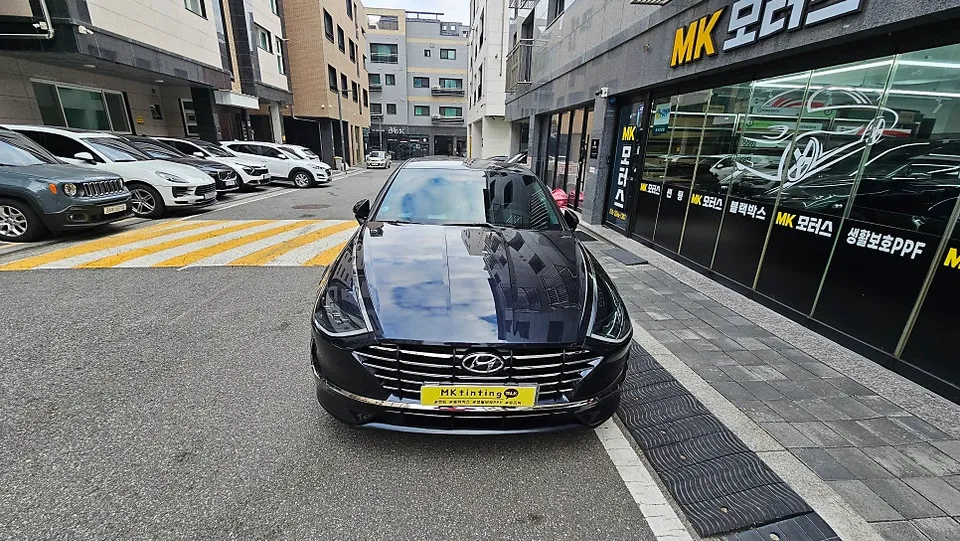
Pros and Cons of 50% Non-Reflective Window Tint
The primary advantage is the "bright aesthetic." A uniform 50% tint across all windows gives the car a clean, sophisticated look. Unlike darker tints that can make the interior appear shadowy and enclosed when viewed from the outside, the 50% film provides a more open feel. However, the trade-off for this increased visibility is reduced privacy compared to darker films. While the non-reflective coating helps, direct sunlight can still make the interior somewhat visible from certain angles. The durability of this type of film is generally good, comparable to other high-quality tints, with proper maintenance ensuring longevity for many years. The cost for this type of re-tinting service in Korea, including removal and installation, was approximately 500,000 KRW (around $360 USD at the time of review), with the process taking about 4-5 hours.
Frequently Asked Questions
Q. How much does window tinting cost for a Hyundai Sonata DN8?
The re-tinting service for this Hyundai Sonata DN8 with 50% non-reflective film cost approximately 500,000 KRW (around $360 USD). Typical professional window tinting for a sedan in the US can range from $200 to $800 depending on the film type and vehicle.
Q. How long does window tinting last on a Hyundai Sonata DN8?
High-quality window tint films, like the one reviewed, are designed to last for many years, often with manufacturer warranties against peeling, bubbling, and color fading. To maintain its condition, regularly clean the windows with a soft cloth and a mild, ammonia-free cleaner.
Q. Is ceramic tint worth the extra cost for a Hyundai Sonata DN8?
Ceramic tint is often worth the investment for its superior heat rejection and UV protection properties, especially in sunny climates. It's ideal for drivers prioritizing comfort and protecting their car's interior from sun damage, offering long-term benefits that justify the higher initial window cost.
Q. How is window tint installed on a Hyundai Sonata DN8?
Installation involves meticulously cleaning the glass, precisely cutting the film to size, and applying it using a heat gun and squeegee to ensure a smooth, bubble-free finish. The old tint must be completely removed first, followed by thorough surface preparation before the new film is adhered.
Q. What is the difference between ceramic and non-reflective window tint for a Hyundai Sonata DN8?
Ceramic tint uses non-conductive ceramic particles for excellent heat rejection and UV blocking without interfering with electronics, while non-reflective tint focuses on reducing glare and improving visibility. For maximum heat rejection and UV protection, ceramic tint is generally recommended.
OhCar Partner Shop
More window tinting Reviews
See all →
More Hyundai Reviews
Pair with Another Service
Protect paint while you're at the shop
Add gloss and protection