Hyundai Staria Body Kit Installation Review
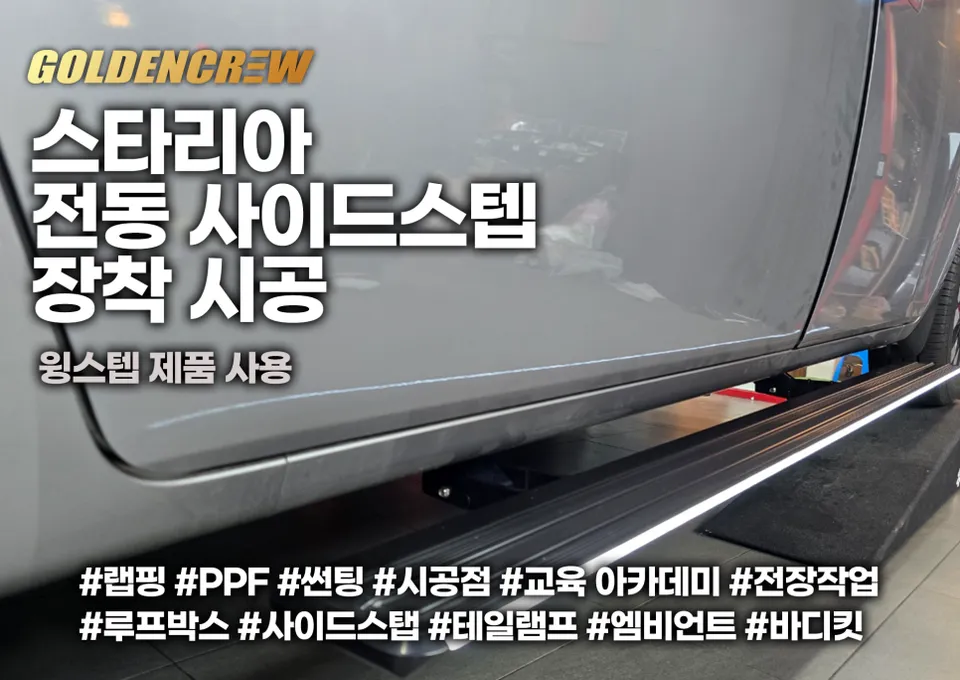
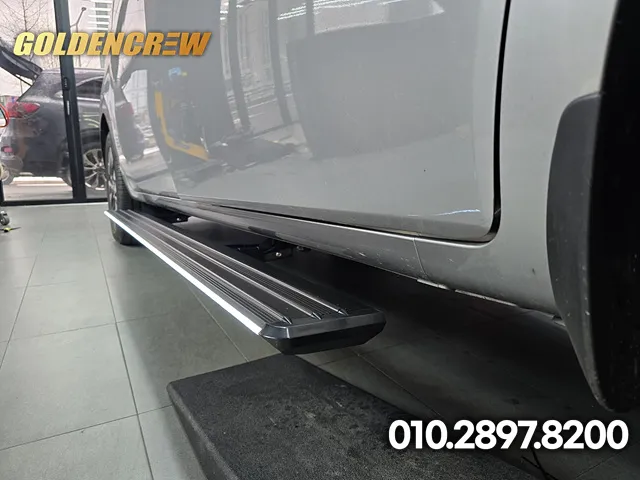
Hyundai Staria body kit installation: Enhances visual appeal with new aero parts. Cost varies. Improves stance and style.
Hyundai Staria Body Kit Installation and Cost
Upgrading your Hyundai Staria with a body kit can significantly alter its aesthetic appeal, giving it a more aggressive or refined stance. This review delves into the process, potential costs, and the overall value proposition of installing an aero kit on this popular MPV. While the original context for this work was in Korea, we'll discuss the general considerations for owners in the US and UK. The primary goal of a body kit is often to enhance the vehicle's visual presence, but some kits can also offer aerodynamic benefits.
Before and After: The Visual Transformation
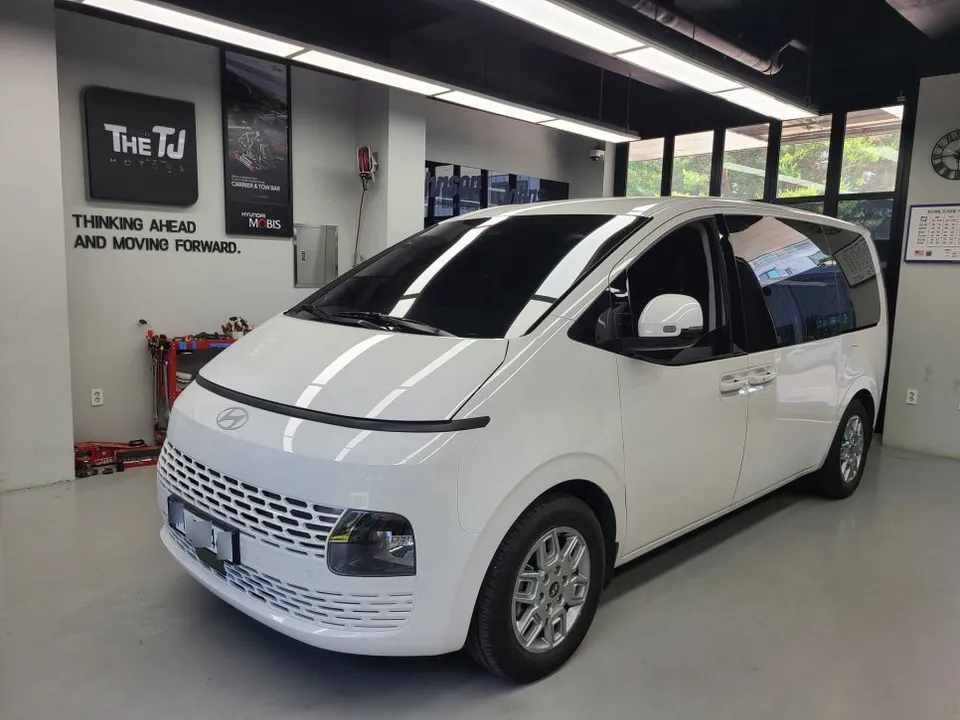
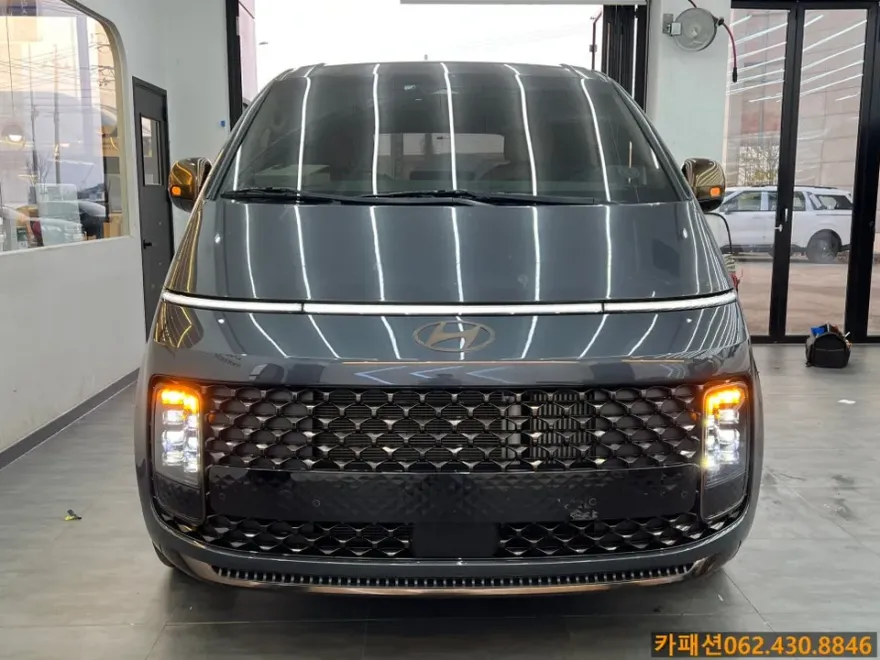
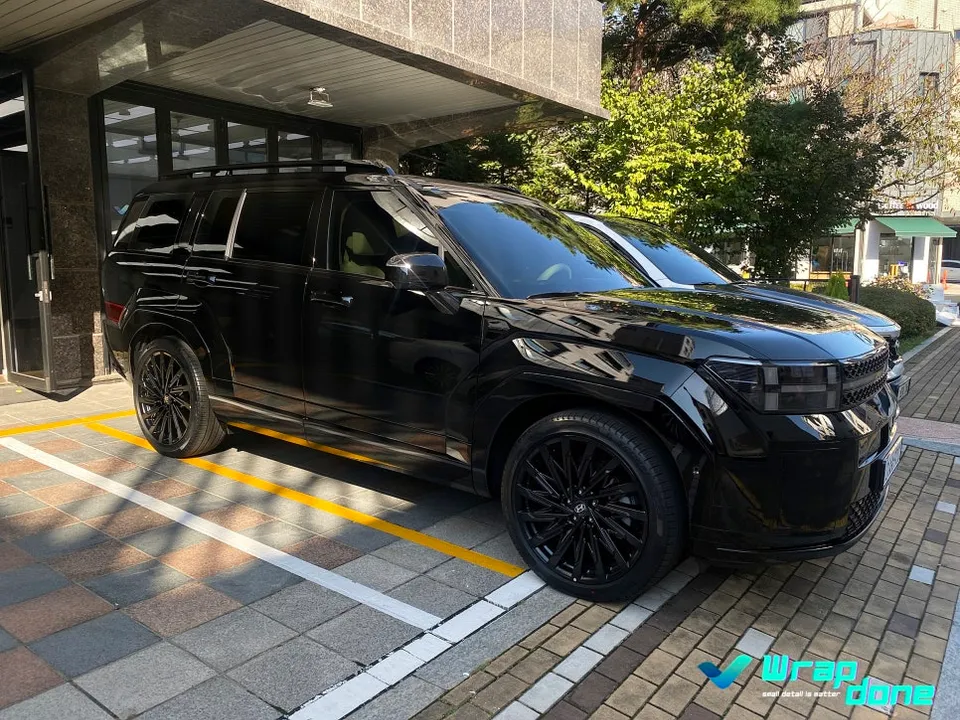
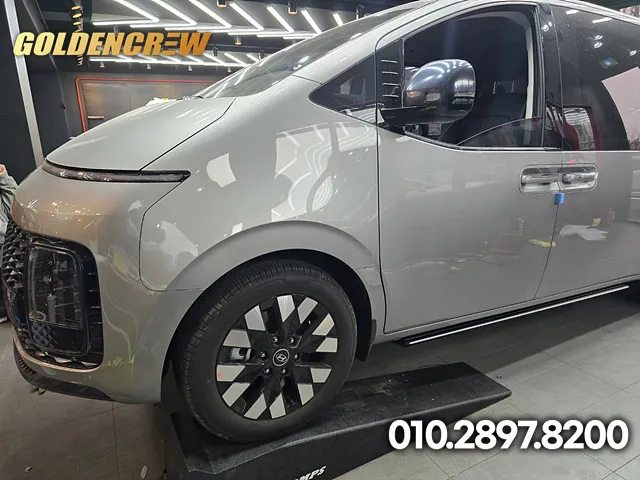
The impact of a body kit on the Hyundai Staria is immediately noticeable. Typically, a kit includes a new front bumper or lip, side skirts, and a rear bumper or diffuser. These components work together to lower the perceived height of the vehicle and create a wider, sportier silhouette. Before installation, the Staria presents its standard, functional MPV design. After fitting a body kit, the vehicle appears more grounded and dynamic, often resembling a performance-oriented SUV or van. The specific look depends heavily on the chosen kit's design – from subtle enhancements to bold, race-inspired styling.
Installation Process and Durability
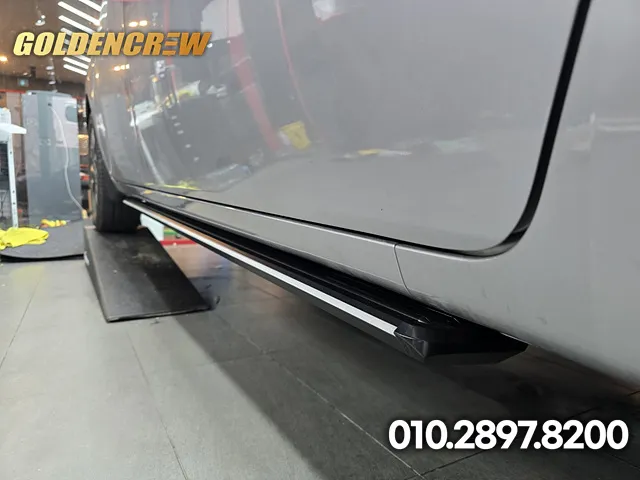
Body kit installation on a Hyundai Staria involves several key steps. The process requires careful preparation and fitting to ensure a seamless look and secure attachment. The materials used for body kits vary, with common options including Polyurethane (PU) and Fiberglass Reinforced Plastic (FRP). Polyurethane is generally more flexible and impact-resistant, making it a durable choice for daily driving. FRP, while often more affordable, can be more brittle and prone to cracking upon impact. Proper maintenance, such as regular cleaning and waxing, will help preserve the finish and integrity of the body kit components.
Installation process:
- Surface Preparation: The original bumpers and side panels are thoroughly cleaned and degreased. Any imperfections are addressed.
- Component Fitting: The new body kit parts (front lip, side skirts, rear bumper) are test-fitted to ensure proper alignment and fitment.
- Attachment: Parts are securely attached using a combination of automotive-grade adhesives, clips, and sometimes screws, depending on the kit design and vehicle mounting points.
- Finishing: Gaps are sealed, and the components may be painted to match the vehicle's body color or finished in a contrasting style.
The durability of the installation depends on the quality of the parts, the skill of the installer, and the materials used. A well-installed kit using quality materials can last for many years with proper care.
Frequently Asked Questions
Q. How much does a body kit cost for a Hyundai Staria?
The cost for a Hyundai Staria body kit installation can range from approximately ₩1,000,000 to ₩3,000,000 (around $750 - $2,250 USD) in Korea, depending on the kit and complexity. Typical US pricing for similar kits and professional installation can range from $1,500 to $4,000+.
Q. How long does body kit installation take on a Hyundai Staria?
A full body kit installation on a Hyundai Staria typically takes between 4 to 8 hours to complete. Proper durability relies on using high-quality materials and professional installation techniques; regular washing and avoiding harsh impacts are key maintenance tips.
Q. Is a body kit worth it for a Hyundai Staria?
A body kit is worth it for Hyundai Staria owners seeking a significant visual upgrade and a more personalized, aggressive aesthetic. It offers a substantial aesthetic transformation that can enhance the vehicle's road presence and perceived value.
Q. How is a body kit installed on a Hyundai Staria?
Installation involves preparing the vehicle's surface, test-fitting the new components (front lip, side skirts, rear bumper), and securely attaching them using automotive adhesives, clips, and sometimes screws. Finally, the parts are finished and painted to match the vehicle.
Q. What is the difference between FRP and polyurethane body kits for a Hyundai Staria?
Polyurethane (PU) body kits are more flexible and impact-resistant, making them ideal for daily driving and durability. FRP kits are typically more rigid and can be prone to cracking upon impact, though they may offer a lower initial cost.
OhCar Partner Shop