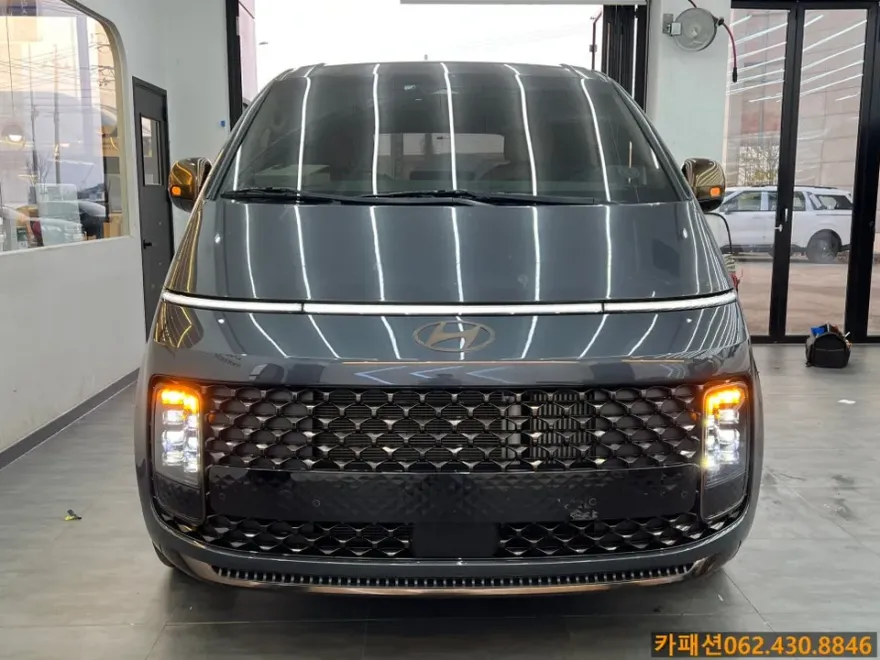
Kia Carnival 4th Gen Body Kit Installation Review
Service Price
$40–80
Estimated price · Actual price may vary by shop
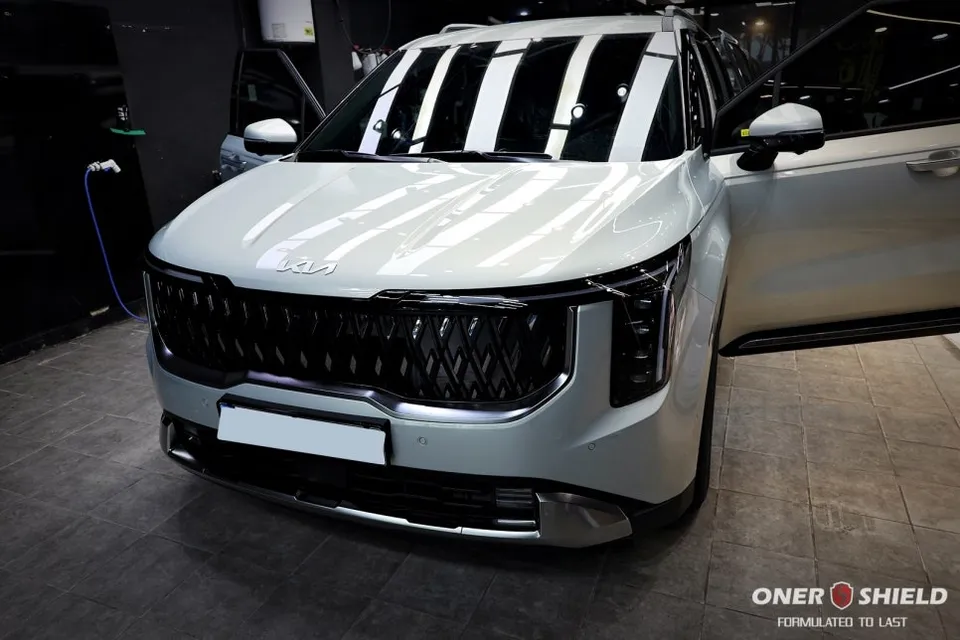
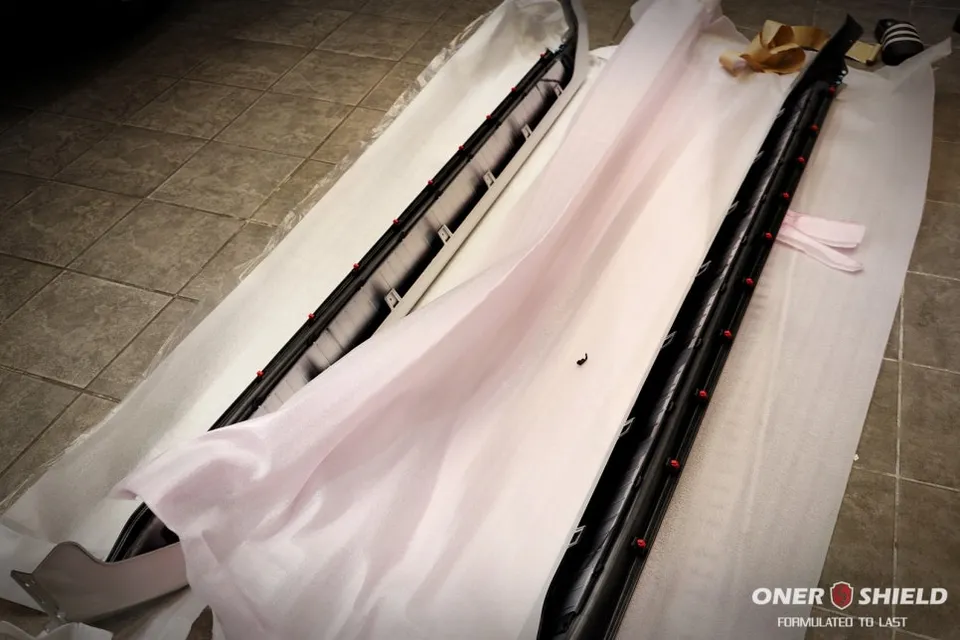
GSC body kit installation for Kia Carnival 4th Gen: Approx. $300-$600 USD. Enhances aesthetics with a seamless, integrated look.
Upgrading Your Kia Carnival 4th Gen with a Body Kit
Considering an aero kit for your Kia Carnival 4th Gen? This review delves into the specifics of installing a GSC body kit, focusing on the practical aspects like installation cost, the visual transformation, and the long-term value. While the original context for this installation was in South Korea, the principles and considerations for body kit upgrades are universal for car owners looking to enhance their vehicle's aesthetics and functionality.
Why Consider a Body Kit for Your Kia Carnival?
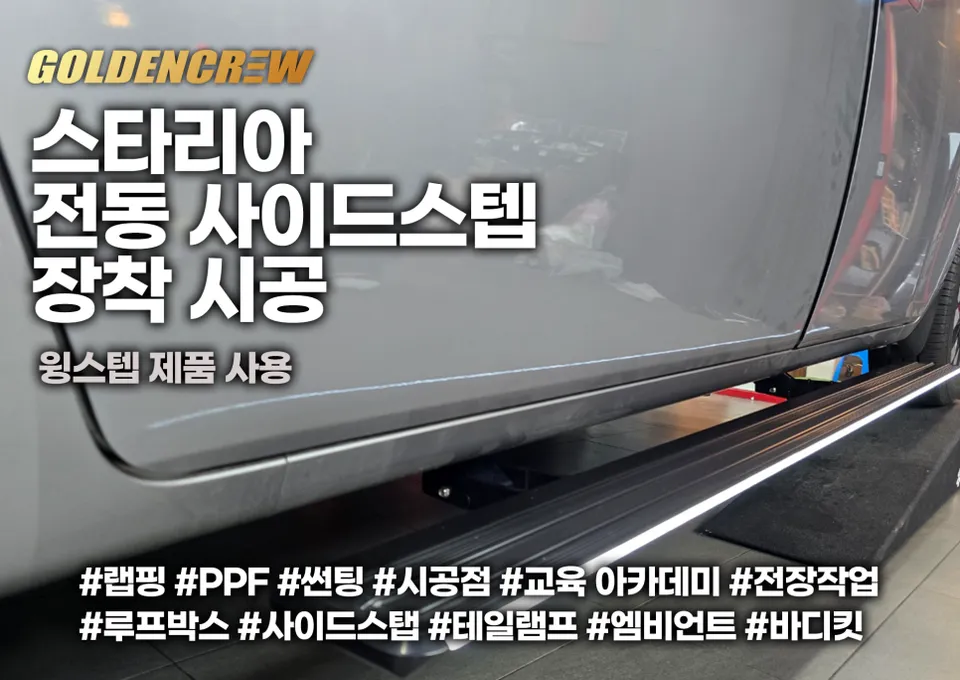
The Kia Carnival, especially in its 4th generation, is a spacious and versatile vehicle. However, like many SUVs and RVs, its higher stance can present challenges for certain passengers. While the original context highlighted side steps for easier ingress and egress for elderly parents, the concept extends to other body kit components like front lips and side skirts. These additions can not only improve the vehicle's visual appeal, giving it a sportier or more aggressive stance, but can also offer minor aerodynamic benefits. The GSC (Grand Sport Company) body kit, known for its integration with the vehicle's original design, aims to provide a factory-like fit and finish. This approach ensures that the added components complement the Carnival's existing lines rather than looking like aftermarket additions. The decision to install a body kit often stems from a desire for a more personalized look, moving beyond the standard factory appearance.
GSC Body Kit: Design, Quality, and Installation Process
The GSC body kit, specifically the ivory silver color option mentioned in the original context, is designed for a high degree of integration with the Kia Carnival's body. Its key advantage is matching the vehicle's original paint colors, creating a seamless look that enhances the car's overall aesthetic. Unlike cheaper alternatives that might quickly show signs of wear, discoloration, or warping, GSC products are known for their robust construction and precise fit, contributing to higher long-term satisfaction. Investing in a reputable brand like GSC is often more cost-effective in the long run, avoiding the need for premature replacement.
Installation process:
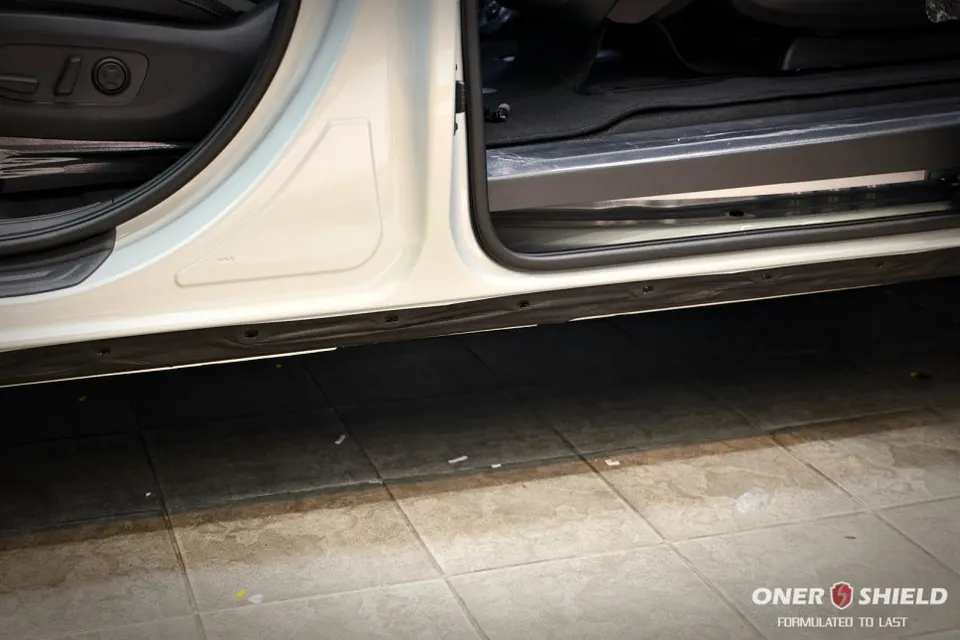
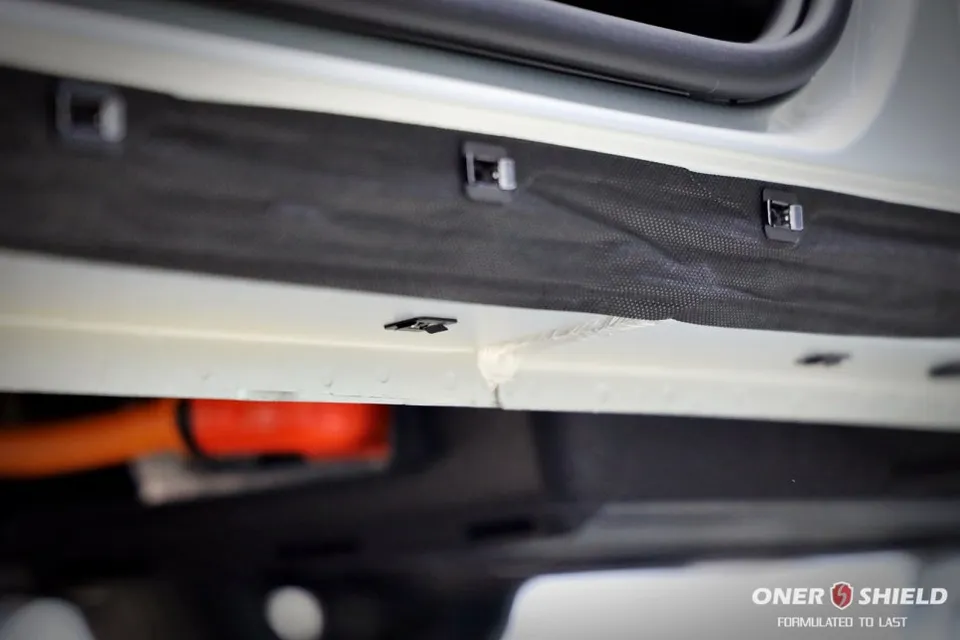
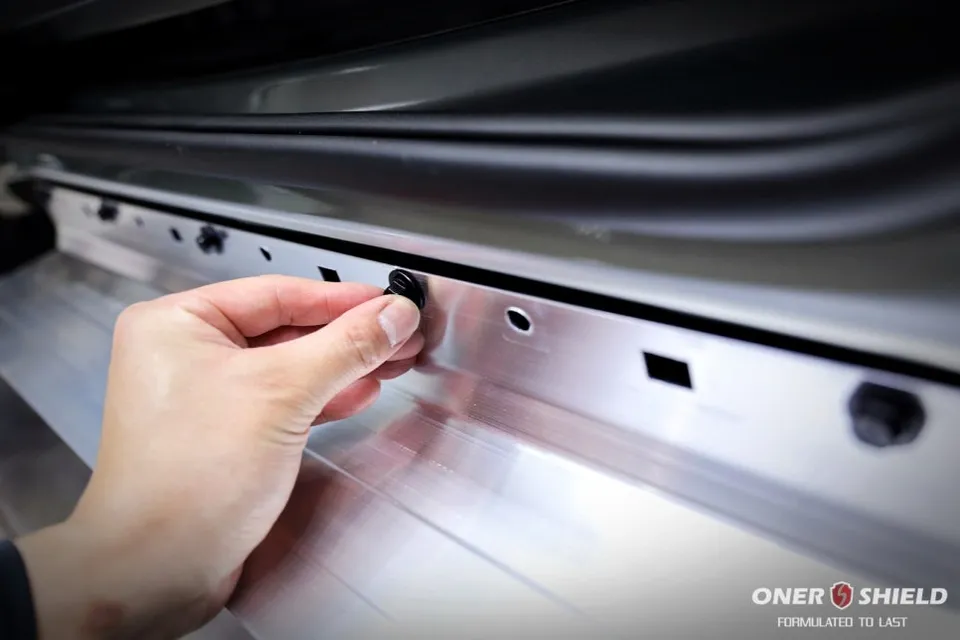
- Bracket Installation: The process begins with securely attaching sturdy metal brackets to designated points on the vehicle's chassis using 10mm bolts. Careful attention is paid to the different upper and lower fastening points and methods to ensure maximum support.
- Component Attachment: Once the brackets are firmly in place, the main body kit components (e.g., side skirts, front lip) are attached. This often involves aligning the parts with the brackets and securing them using clips or additional fasteners.
- Finishing Touches: Covers are applied over the brackets for a clean look, and plastic clips are used to secure the lower sections and wheel well areas. The entire installation typically takes around 3 hours.
The result is a body kit that looks like a natural extension of the Kia Carnival, enhancing its profile without compromising its inherent practicality. The precise fitment minimizes gaps and ensures a durable installation. It's crucial to remember that body kit installation involves structural and aesthetic modifications, so choosing a qualified installer and a quality product is paramount for both safety and satisfaction.
Durability, Maintenance, and Final Verdict
The durability of a body kit largely depends on the material used (e.g., polyurethane, ABS plastic, or fiberglass) and the quality of the installation. GSC products, known for their robust build, generally offer good resistance to minor impacts and environmental factors. Regular cleaning with mild soap and water is usually sufficient for maintenance. Avoid abrasive cleaners or high-pressure washing directly on the kit's edges. While the original context focused on side steps, the principles apply to full body kits: a well-installed, quality kit can last for many years. The decision to invest in a body kit for your Kia Carnival 4th Gen should weigh the aesthetic improvements against the cost and potential maintenance. For owners seeking a more distinctive look and willing to invest in quality components and professional installation, a body kit can be a worthwhile upgrade, enhancing both the appearance and perceived value of their vehicle.
Frequently Asked Questions
Q. How much does a body kit cost for a Kia Carnival 4th Gen?
The GSC body kit, as seen in this review, typically costs between 300,000 to 600,000 Korean Won, which translates to approximately $220-$440 USD. Actual US installation costs can range from $400 to $800 or more, depending on the kit's complexity and labor rates.
Q. How long does body kit installation take on a Kia Carnival 4th Gen?
The installation process for a body kit on a Kia Carnival 4th Gen typically takes around 3 hours to complete. Proper installation ensures durability, and regular cleaning with mild soap and water will help maintain its appearance.
Q. Is a body kit worth it for a Kia Carnival 4th Gen?
A body kit is worth it for Kia Carnival 4th Gen owners who prioritize a personalized, sportier aesthetic and are willing to invest in quality components and professional installation. It significantly enhances the vehicle's visual appeal and can contribute to a more premium look.
Q. How is a body kit installed on a Kia Carnival 4th Gen?
Installation involves securely attaching metal brackets to the vehicle's chassis using bolts. The body kit components are then aligned and fastened to these brackets, often with clips. Finally, covers are applied for a clean finish, and the lower sections are secured, typically taking about 3 hours.
Q. What is the difference between FRP and polyurethane body kits for a Kia Carnival 4th Gen?
Polyurethane kits are generally more flexible, impact-resistant, and durable than Fiberglass Reinforced Plastic (FRP) kits, which can be more prone to cracking. For long-term satisfaction and resilience, polyurethane is often the preferred material for body kits.
OhCar Partner Shop