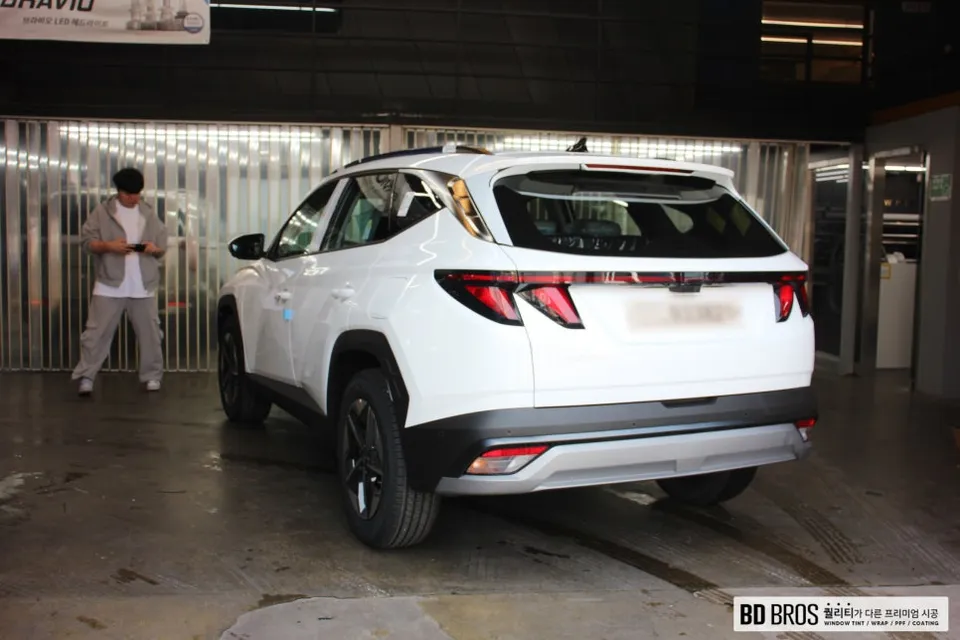
Hyundai Staria Body Kit Review: Cost & Installation
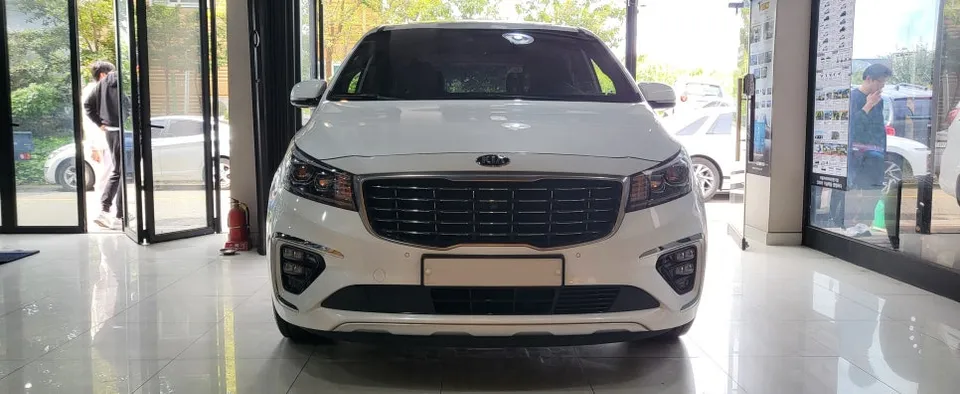
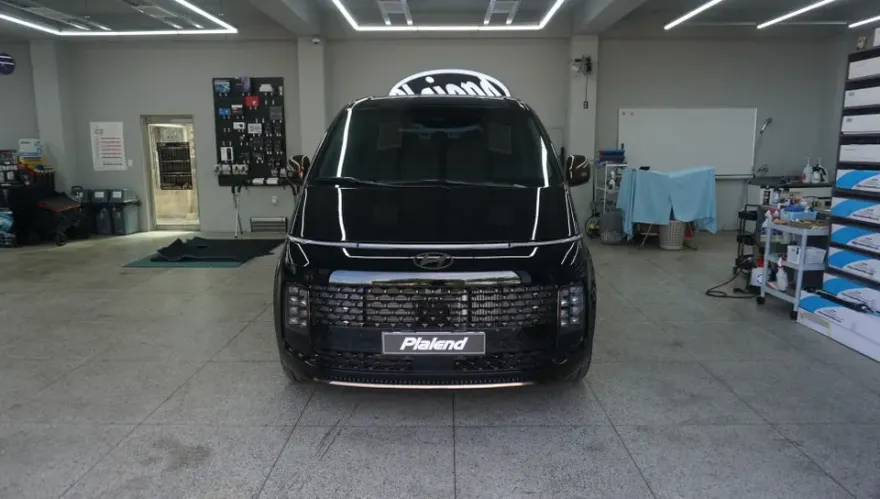
Before
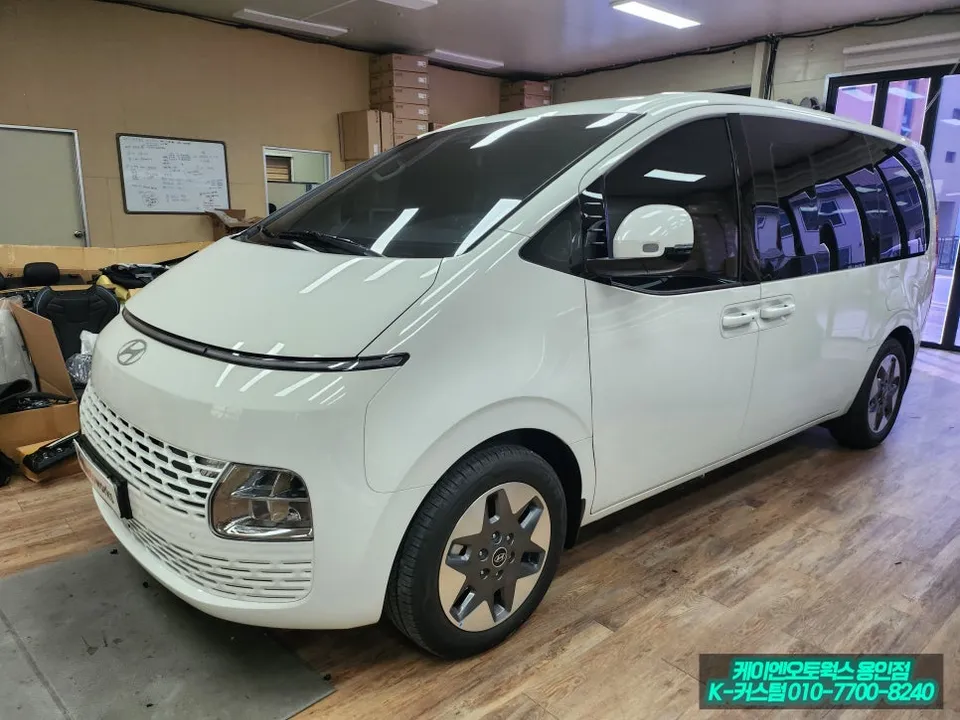
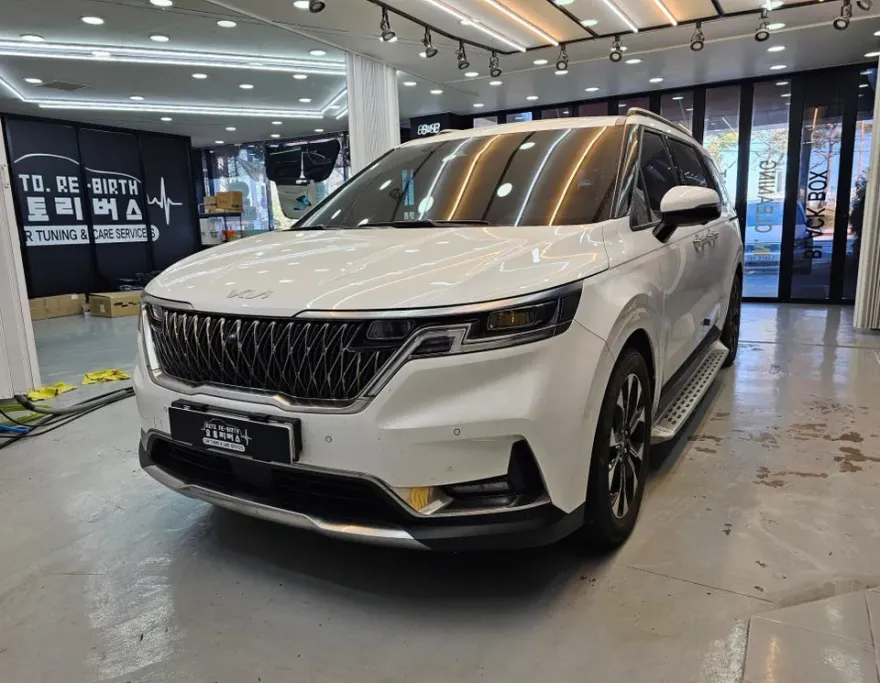
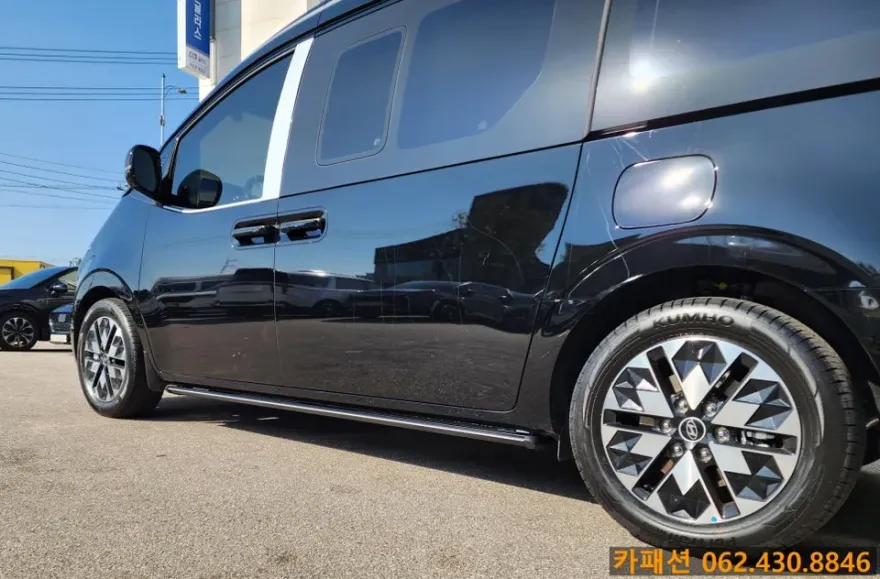
After
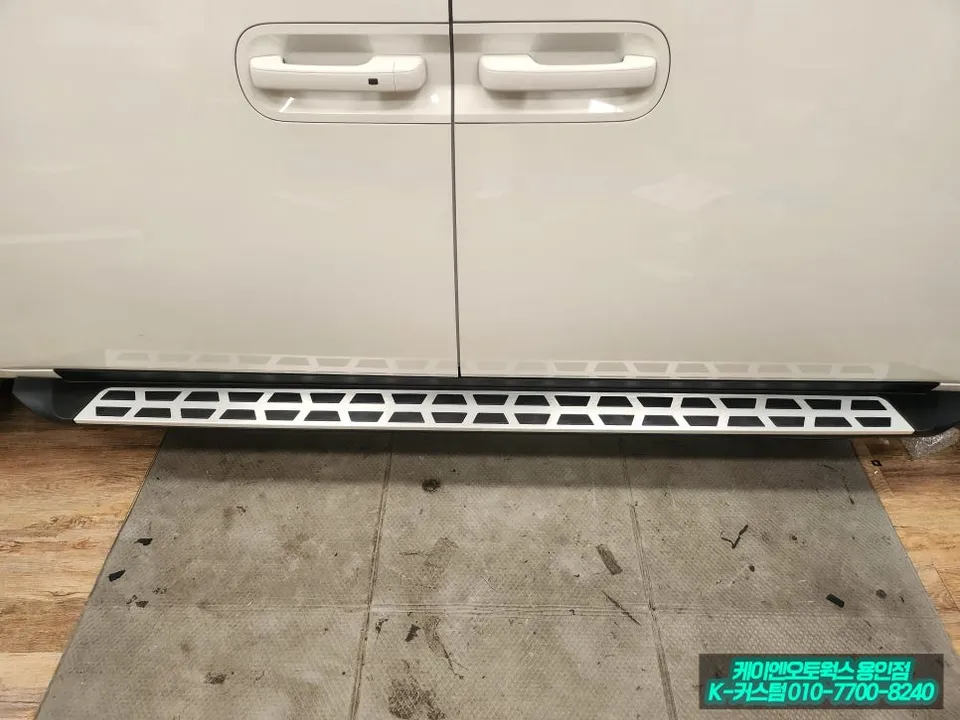
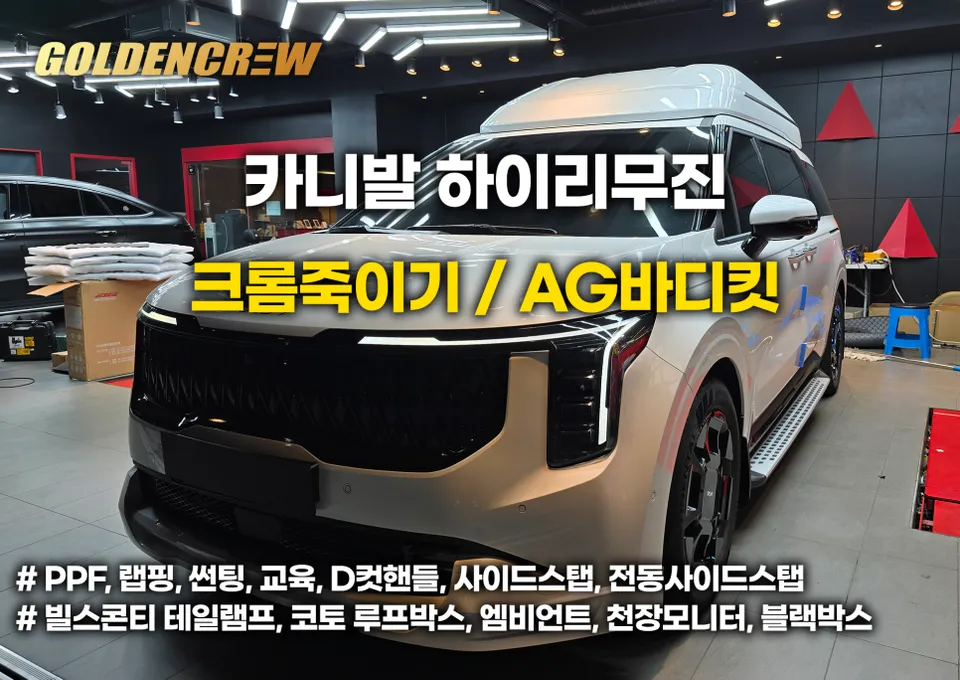
Process photos
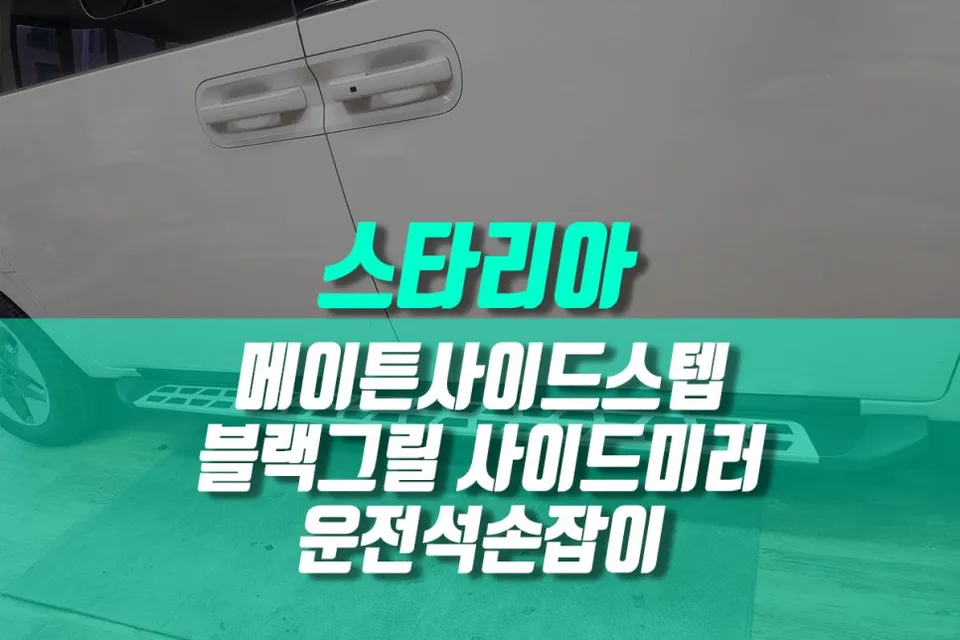
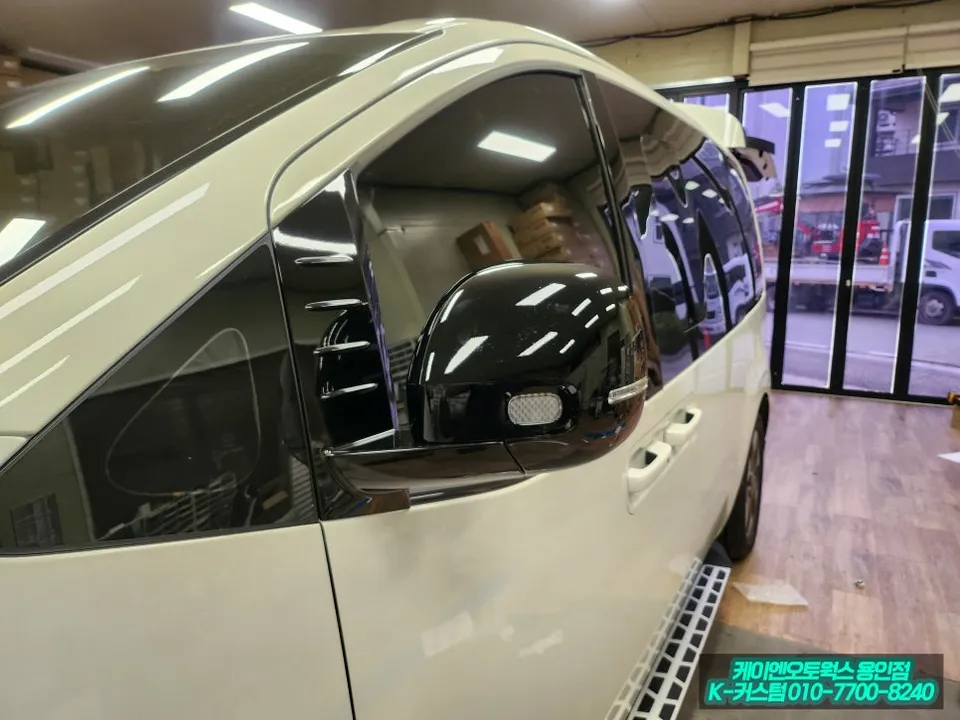
Hyundai Staria body kit installation and cost review. Enhances aesthetics with custom parts like side steps and grilles.
Enhancing Your Hyundai Staria with a Body Kit
The Hyundai Staria, known for its spacious and futuristic design, can be further personalized with a custom body kit. This review delves into the specifics of adding a body kit, focusing on the installation process, the overall cost, and the visual transformation it offers. We'll cover what to expect, from the initial purchase to the final look, helping you decide if this modification is the right choice for your Staria.
Body Kit Installation and Materials
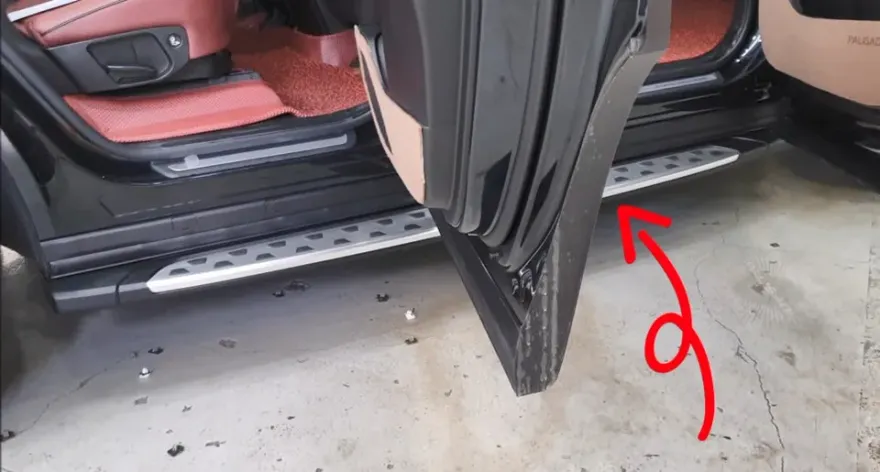
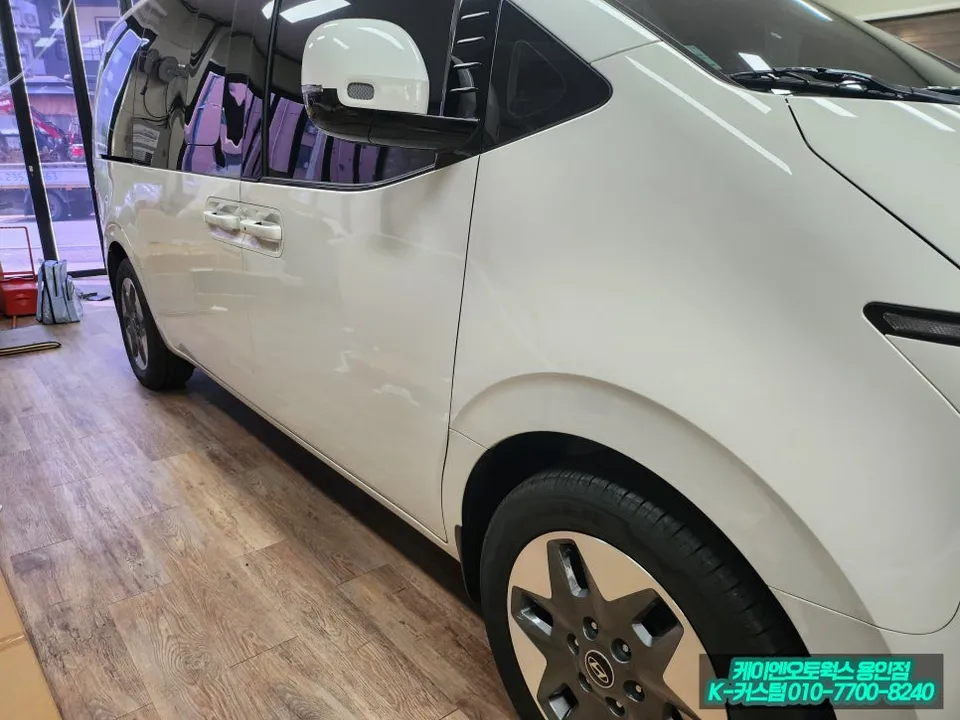
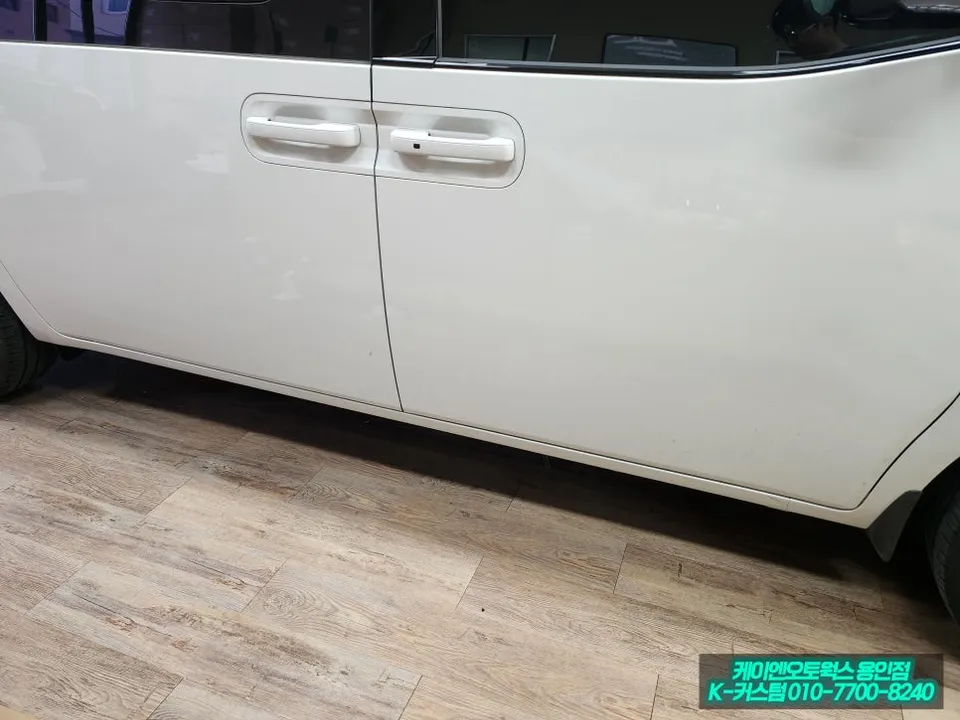
Installing a body kit on a Hyundai Staria involves several key steps to ensure a seamless and professional finish. The process typically begins with preparing the vehicle's existing panels. The new body kit components, often made from materials like Fiberglass Reinforced Plastic (FRP) or polyurethane, are then carefully fitted and aligned. FRP kits are generally more affordable but can be prone to cracking if not handled carefully, while polyurethane offers greater flexibility and impact resistance, though often at a higher price point. The installation requires precision to ensure all parts integrate smoothly with the Staria's original lines. This meticulous work, as performed by specialists like K-CUSTOM (K-N AUTOWORKS Yongin branch in Korea), ensures a factory-like finish. The specific components mentioned in the original context include side steps, a black grille, and black side mirrors, along with a driver's side handle, suggesting a comprehensive aesthetic upgrade focused on a sportier, more aggressive stance.
Cost, Durability, and Value
The body kit cost for a Hyundai Staria can vary significantly based on the brand, material, and complexity of the kit. While specific pricing for the K-CUSTOM kit isn't detailed in USD, such comprehensive kits in Korea can range from approximately ₩1,000,000 to ₩3,000,000 (roughly $750 to $2,200 USD), not including installation labor. The durability of the body kit depends heavily on the material used and the quality of the installation. Polyurethane kits generally offer better long-term durability against minor impacts compared to FRP. Proper maintenance, including regular cleaning and avoiding harsh chemicals, will extend the life of the kit. When considering if a body kit is worth it, evaluate the desired aesthetic improvement against the total body cost. For Staria owners seeking a unique look that sets their vehicle apart, the investment can be justified by the enhanced visual appeal and personalization.
Installation process:
- Surface Preparation: The existing vehicle body panels are cleaned and prepped for the new components.
- Component Fitting: The body kit parts (e.g., bumpers, side skirts, grilles) are test-fitted and precisely aligned.
- Attachment: Components are securely attached using appropriate hardware and adhesives.
- Finishing: Any gaps are filled, and the kit is painted to match the vehicle or finished in a desired color, followed by a final inspection.
Frequently Asked Questions
Q. How much does a body kit cost for a Hyundai Staria?
The specific kit reviewed in Korea costs approximately ₩1,000,000 to ₩3,000,000 (roughly $750-$2,200 USD) before installation. In the US, similar comprehensive body kits can range from $1,000 to $3,500 or more, depending on the brand and materials.
Q. How long does body kit installation take on a Hyundai Staria?
While installation times can vary, a full body kit installation typically takes between 4 to 8 hours. For optimal durability, ensure the kit is installed by experienced professionals and maintain it with regular, gentle cleaning.
Q. Is a body kit worth it for a Hyundai Staria?
A body kit is worth it for Hyundai Staria owners who prioritize a unique and aggressive aesthetic. It offers a significant visual upgrade that can make the vehicle stand out, enhancing its overall appeal.
Q. How is a body kit installed on a Hyundai Staria?
Installation involves preparing the vehicle's surface, test-fitting the new components for precise alignment, securely attaching them with hardware and adhesives, and finally, finishing and painting for a seamless look.
Q. What is the difference between FRP and polyurethane body kits for a Hyundai Staria?
FRP (Fiberglass Reinforced Plastic) kits are typically more budget-friendly but can be brittle, while polyurethane kits offer superior flexibility and impact resistance, making them more durable for daily driving.
OhCar Partner Shop