Hyundai Tucson NX4 Body Kit Review: Cost & Results
Service Price
$approx. $400–800
Estimated price · Actual price may vary by shop
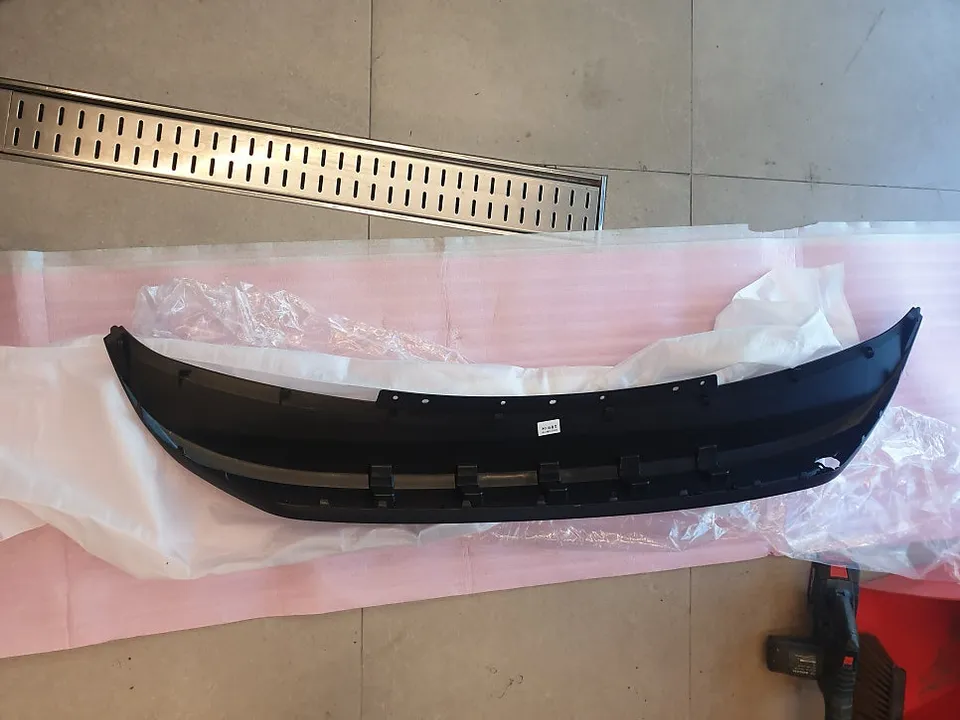
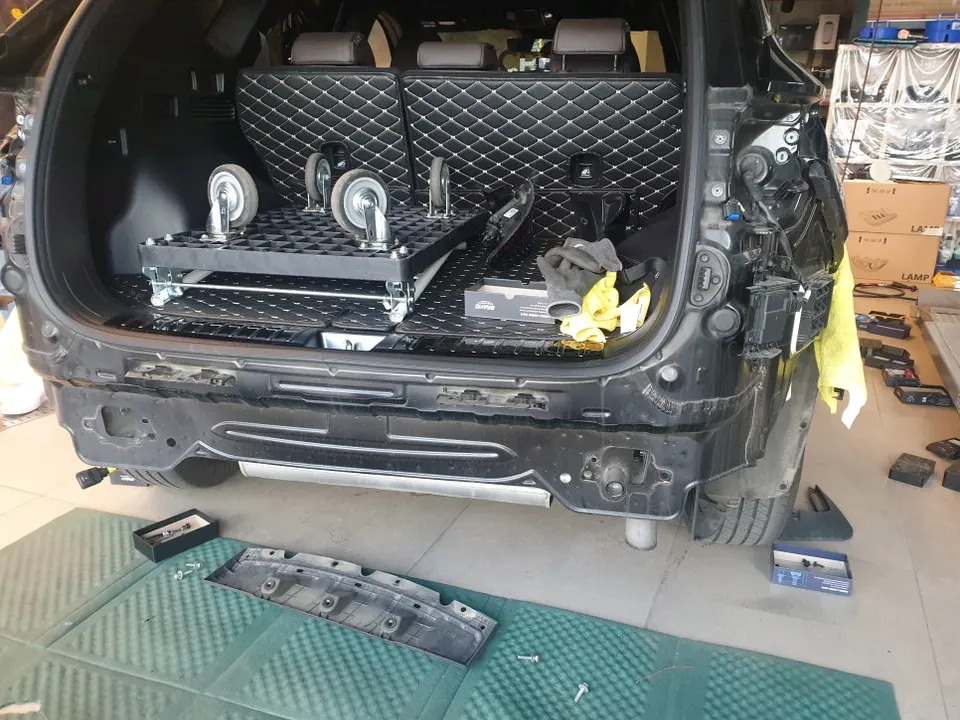
Hyundai Tucson NX4 body kit installation: Costs vary, but expect a significant visual upgrade. Results include a sportier, more aggressive look.
Enhancing Your Hyundai Tucson NX4 with a Body Kit
Many car owners seek ways to personalize their vehicles, and a body kit is a popular choice for giving the Hyundai Tucson NX4 a more aggressive and sporty look. This review delves into the process, costs, and outcomes of installing a body kit, specifically focusing on an upgrade from the Inspiration trim's rear skid plate to the Adventure trim's more robust version. While the original Korean context details a specific part swap, we'll explore the broader implications for anyone considering a full body kit installation for their NX4.
Why Consider a Body Kit for Your Tucson NX4?
A body kit, often referred to as an aero kit, can significantly alter a vehicle's aesthetic. For the Hyundai Tucson NX4, this can mean adding a front lip, side skirts, and a revised rear bumper or diffuser. The primary motivation is usually a desire for a more dynamic appearance, moving away from a standard look towards something more performance-oriented or visually striking. Beyond aesthetics, some body kit components, like skid plates, can offer a degree of underbody protection against minor impacts, though this is secondary to their visual impact. The decision to install a body kit often stems from wanting a unique presence on the road, setting your Tucson apart from others.
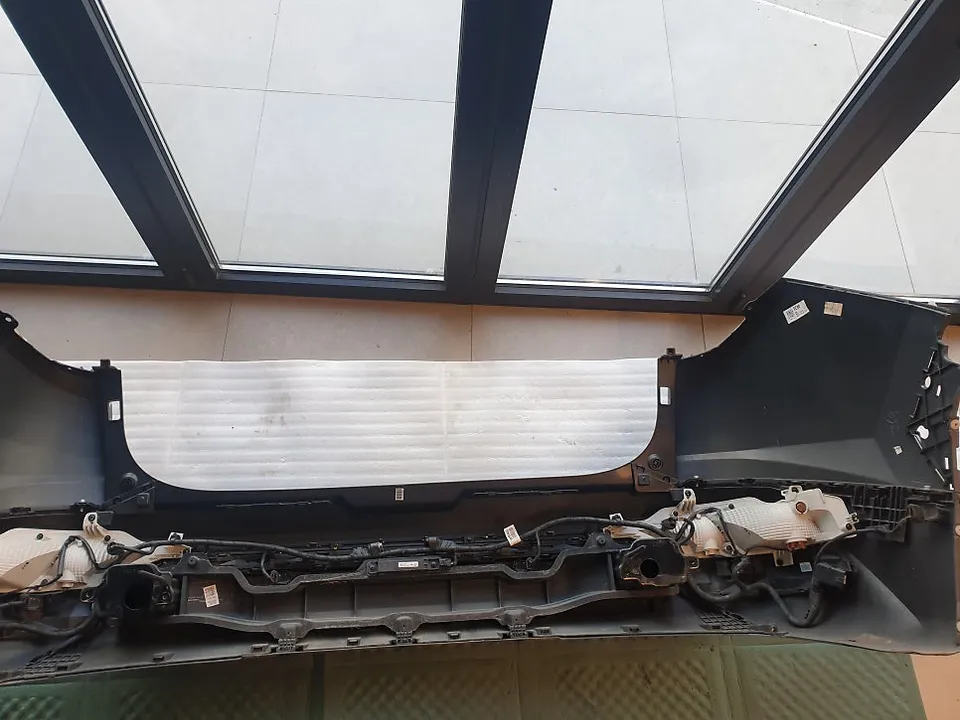
Body Kit Installation Process and Potential Challenges
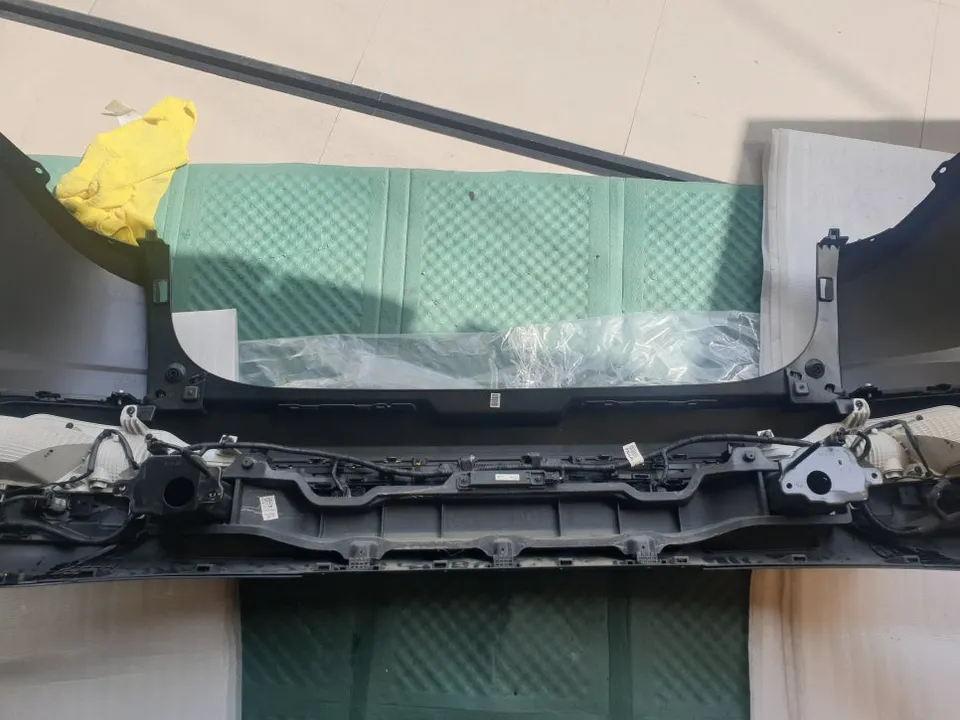
Installing a body kit involves several steps, and while some parts might be straightforward bolt-ons, others require more involved work. The process typically begins with preparing the vehicle's existing bumpers and panels. This might involve removing the original parts entirely or modifying them to accommodate the new components. The new body kit pieces, often made from materials like polyurethane or fiberglass-reinforced plastic (FRP), are then test-fitted to ensure proper alignment and fitment. Minor adjustments might be necessary. Once satisfied with the fit, the parts are secured, often using a combination of clips, screws, and automotive-grade adhesives. For a full body kit, this can include installing a new front lip, side skirts, and rear bumper extensions or a complete replacement bumper. The original Korean context highlighted an unexpected challenge during a rear skid plate replacement: differences in mounting brackets and covers between trim levels, specifically affecting parking sensor compatibility and tow hook access. This underscores the importance of ensuring all components are compatible with your specific vehicle trim and features. If you're undertaking a full body kit installation, professional help is often recommended to navigate these complexities and ensure a flawless finish.
Installation Process:
- Preparation: Clean and degrease the mounting areas on the vehicle and the body kit components. Remove any existing trim or bumpers as needed.
- Test Fitting: Carefully align and temporarily attach the new body kit parts (front lip, side skirts, rear elements) to check for fitment and symmetry. Make any necessary minor adjustments.
- Securing Components: Permanently attach the body kit using provided hardware, clips, and/or automotive-grade adhesive tape and bonding agents.
- Finishing Touches: Reinstall any removed sensors or trim pieces, ensuring all connections are secure. A final inspection confirms the installation's integrity.
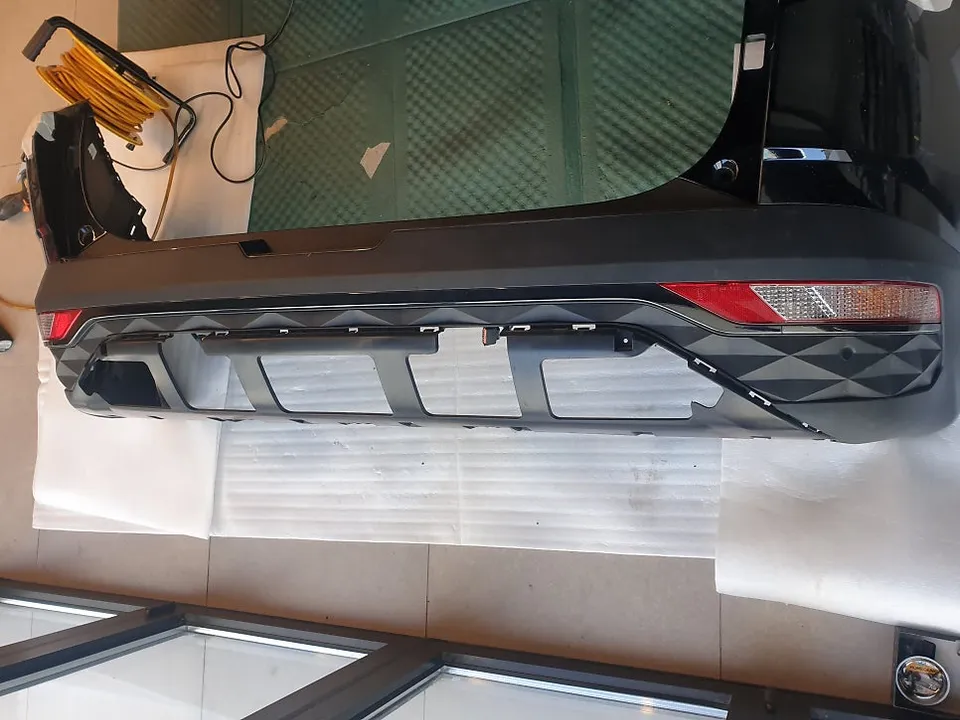
Before & After: The Visual Transformation
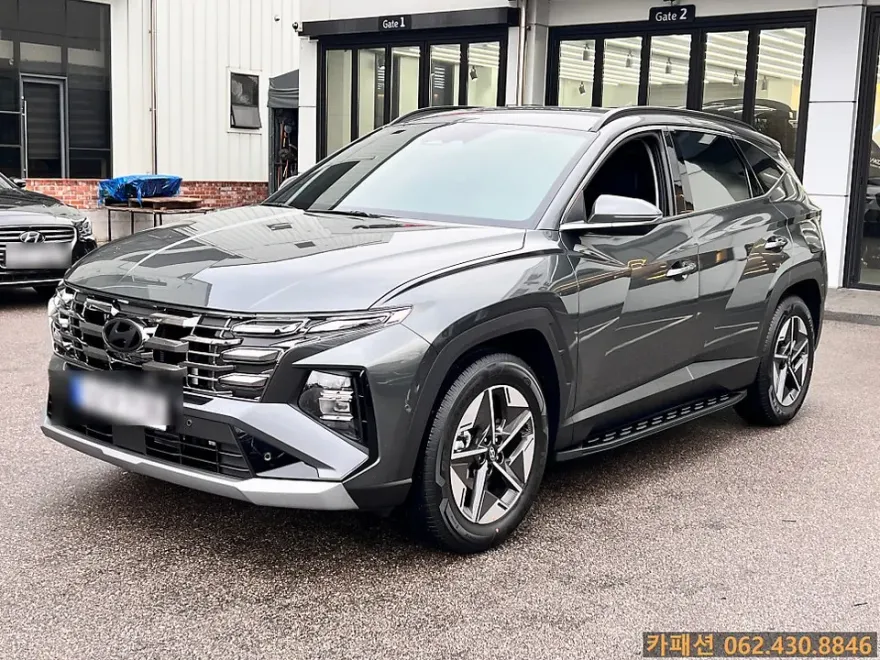
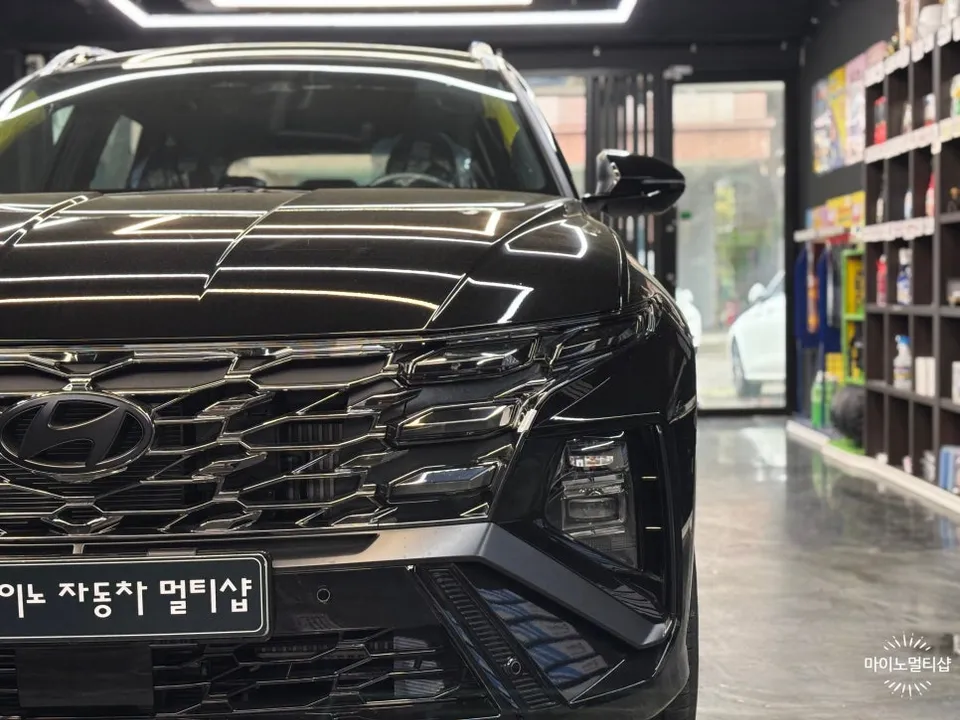
The most dramatic impact of a body kit is the visual transformation. Before installation, a stock Hyundai Tucson NX4 presents a certain factory-designed look. After fitting a body kit, the vehicle gains a lower, wider stance, with sharper lines and more aggressive styling elements. A front lip extension visually lowers the front end, side skirts connect the front and rear visually, and a redesigned rear bumper or diffuser adds a sporty finish. The difference can be substantial, making the vehicle appear more performance-oriented and unique. The Korean example showed a clear upgrade from a smooth, understated rear skid plate to a more textured, rugged design that significantly enhanced the vehicle's perceived capability and style.
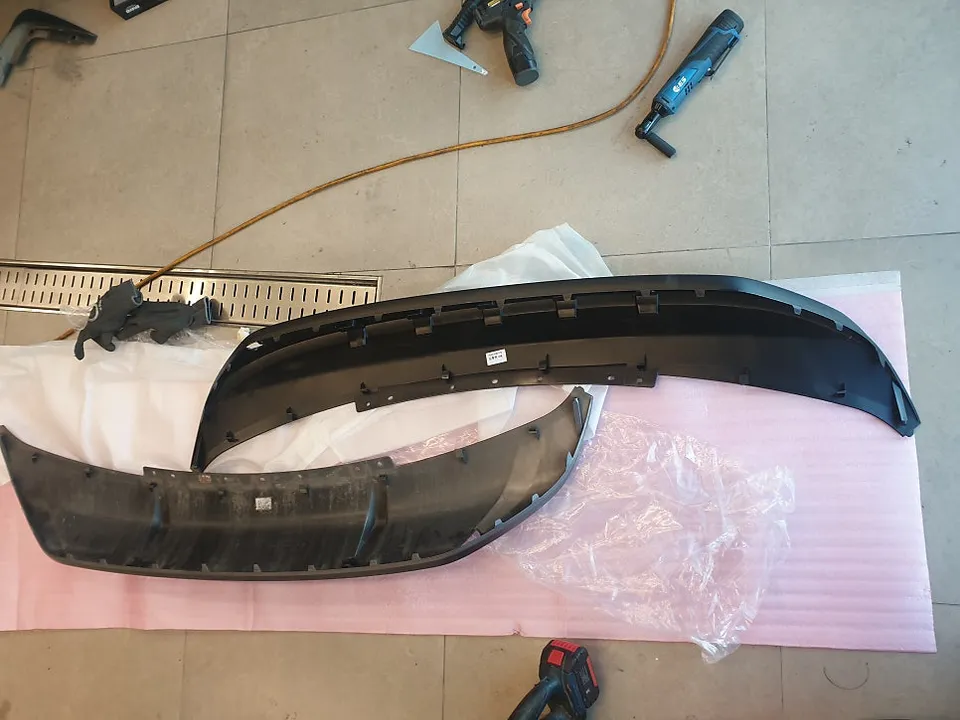
Durability, Maintenance, and Cost Considerations
The durability of a body kit largely depends on the material and the quality of the installation. Polyurethane kits are generally more flexible and resistant to cracking than FRP kits, which can be stiffer but more prone to damage from impacts. Proper installation is crucial for longevity; a poorly fitted kit is more likely to sustain damage or detach. Maintenance involves regular cleaning to prevent dirt and grime buildup, which can degrade the finish over time. For the specific upgrade mentioned in the Korean context, the cost involved purchasing genuine Hyundai parts. While a full body kit's price varies widely based on brand, material, and the number of pieces included, expect costs to range from several hundred to a few thousand dollars for the parts alone. Professional installation adds to the overall body kit cost, typically ranging from $500 to $1500 depending on the complexity. In Korea, the parts for the skid plate upgrade were purchased directly, and the installation service cost was not explicitly detailed but implied to be a standard shop fee. For a full kit, budgeting for both parts and labor is essential.
Frequently Asked Questions
Q. How much does a body kit cost for a Hyundai Tucson NX4?
The specific rear skid plate upgrade in Korea cost for genuine parts, with professional installation adding to the total. Full body kits for the NX4 can range from $1,000 to $4,000+ for parts and installation combined in the US.
Q. How long does body kit installation take on a Hyundai Tucson NX4?
Body kit components are generally durable if made from quality materials like polyurethane and installed correctly. Regular washing and waxing will help maintain their finish and prevent degradation.
Q. Is a body kit worth it for a Hyundai Tucson NX4?
A body kit is worth it for owners prioritizing a unique, aggressive aesthetic and a sportier appearance for their Tucson NX4. It's a worthwhile investment for those seeking to personalize their vehicle's look significantly.
Q. How is a body kit installed on a Hyundai Tucson NX4?
Installation involves preparing the vehicle's surface, test-fitting the new components (like front lip, side skirts, rear diffuser), making minor adjustments, and then securely attaching them using clips, screws, and automotive adhesives.
Q. What is the difference between FRP and polyurethane body kits for a Hyundai Tucson NX4?
Polyurethane kits are more flexible and impact-resistant, making them ideal for daily driving and reducing the risk of cracking. FRP kits are typically stiffer and can offer sharper designs but are more prone to damage from impacts.
OhCar Partner Shop