Tesla Model 3 Body Kit Installation Review
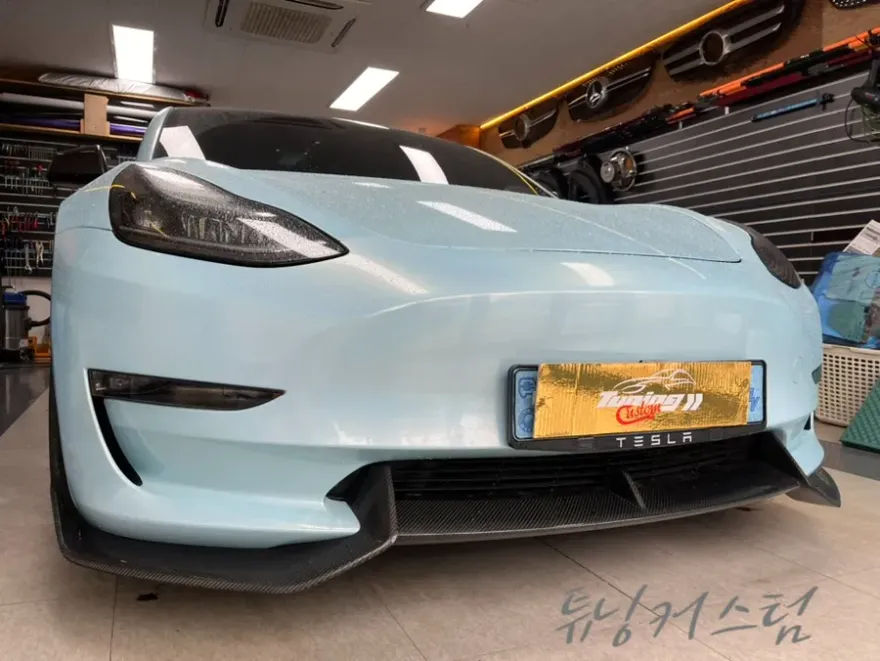

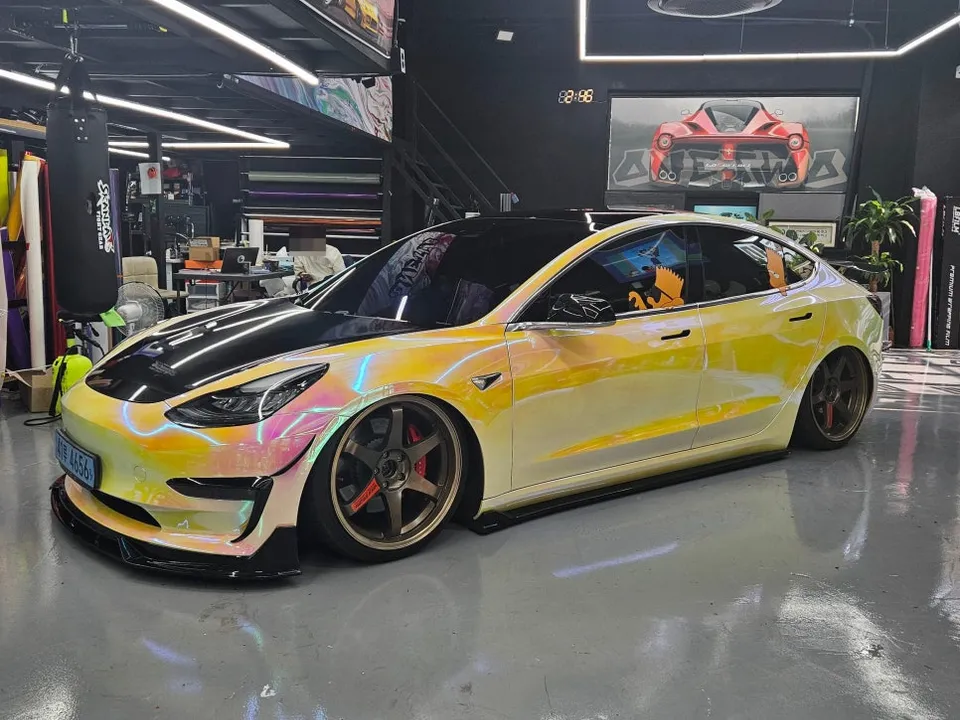
AEROAD carbon body kit removal on Tesla Model 3. Installation is precise but removal leaves a void. Consider practicality before installing.
Tesla Model 3 Aero Kit Removal: A Closer Look
The Tesla Model 3, a popular electric vehicle, often sees aftermarket modifications aimed at enhancing its aesthetic appeal and aerodynamic performance. This review focuses on the removal of an AEROAD carbon fiber body kit from a Tesla Model 3. While the original context details the installation and subsequent removal of this specific aero kit in South Korea, we'll explore the implications for owners considering such modifications. The owner in the original context purchased the Model 3 used and found the carbon body kit inconvenient for business use, leading to its removal. This situation highlights a common consideration: the long-term practicality versus the initial aesthetic gain of body kits.
Understanding Body Kit Installation and Removal
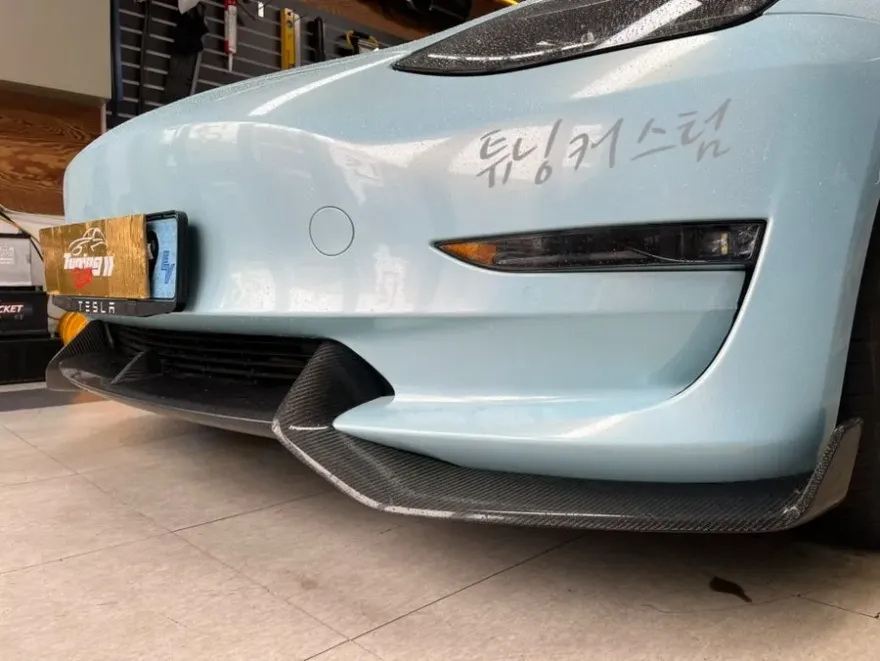
Body kits, often referred to as aero kits, can significantly alter a vehicle's appearance. For the Tesla Model 3, options like the AEROAD carbon fiber kit include components such as front lips, side skirts, and rear diffusers. The original context suggests that AEROAD products are well-manufactured, fitting precisely during installation. However, the removal process in this case revealed a sense of emptiness, with the owner noting that once a body kit is installed, its absence can feel quite stark. This sentiment underscores the importance of careful consideration before committing to a body kit installation. The process typically involves surface preparation, precise alignment, and secure attachment of the components to the vehicle's body panels. While the original context doesn't detail the exact installation steps for the AEROAD kit, general procedures for body kit installation involve cleaning and potentially modifying the vehicle's existing bumpers and panels to ensure a seamless fit. The removal process, conversely, requires careful detachment to avoid damaging the original bodywork, followed by cleaning and potentially repairing any areas where the kit was attached.
Durability, Cost, and Decision Making
The durability of a carbon fiber body kit like the AEROAD is generally high, offering a lightweight yet strong addition to the vehicle. However, the original context doesn't provide specific details on the long-term durability or maintenance requirements beyond the fact that the owner found it inconvenient for business use. The cost of a body kit installation can vary significantly based on the brand, material (carbon fiber being more expensive), and the complexity of the kit. While specific pricing for the AEROAD kit in South Korea isn't detailed in the original context, aftermarket body kits for a Tesla Model 3 can range from several hundred to several thousand US dollars, plus installation fees. The decision to install a body kit should weigh the aesthetic benefits against potential drawbacks such as increased maintenance, potential for damage, and the inconvenience noted by the original owner. For those who prioritize a unique look and understand the commitment involved, a body kit can be a rewarding modification. However, for daily drivers or those who value simplicity and ease of maintenance, it might be a feature to reconsider, as evidenced by the need for removal in this case.
Frequently Asked Questions
Q. How much does a body kit cost for a Tesla Model 3?
The AEROAD carbon body kit was removed from a Tesla Model 3 in South Korea. While specific costs aren't detailed, aftermarket body kits for the Model 3 typically range from $500 to $3,000+ in the US, excluding installation.
Q. How long does body kit installation take on a Tesla Model 3?
The original context doesn't specify the installation time for the AEROAD kit. However, body kits are generally durable, but maintenance may involve careful cleaning to avoid scratches on the finish.
Q. Is a body kit worth it for a Tesla Model 3?
A body kit is worth it for Tesla Model 3 owners who prioritize a distinct aesthetic and are prepared for potential maintenance. The value proposition lies in enhanced visual appeal, but consider long-term practicality.
Q. How is a body kit installed on a Tesla Model 3?
Body kit installation typically involves: 1. Thoroughly cleaning and preparing the vehicle's bumper and panel surfaces. 2. Precisely aligning the kit components (front lip, side skirts, etc.). 3. Securely attaching the parts using automotive-grade adhesives and/or fasteners.
Q. What is the difference between FRP and polyurethane body kits for a Tesla Model 3?
The original context specifically mentions a carbon fiber kit, not FRP or polyurethane. Carbon fiber offers a premium, lightweight, and strong option, often at a higher cost compared to FRP or polyurethane.
Q. What should I know before getting Body Kit on a Tesla Model 3? (common regrets and mistakes)
The most common regret is finding the kit inconvenient for daily use or business, as seen in the original context. Avoid this by carefully assessing your lifestyle and the kit's practicality before installation.
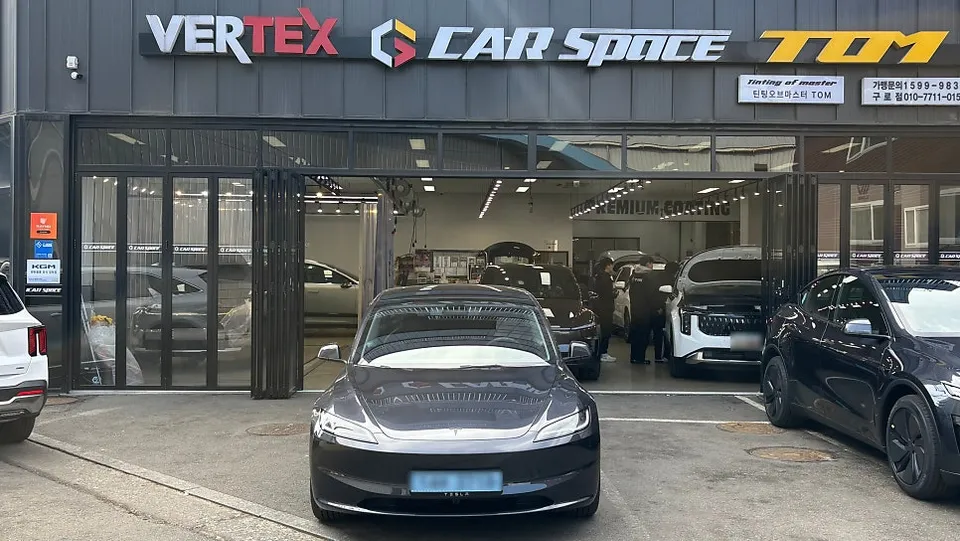
OhCar Partner Shop