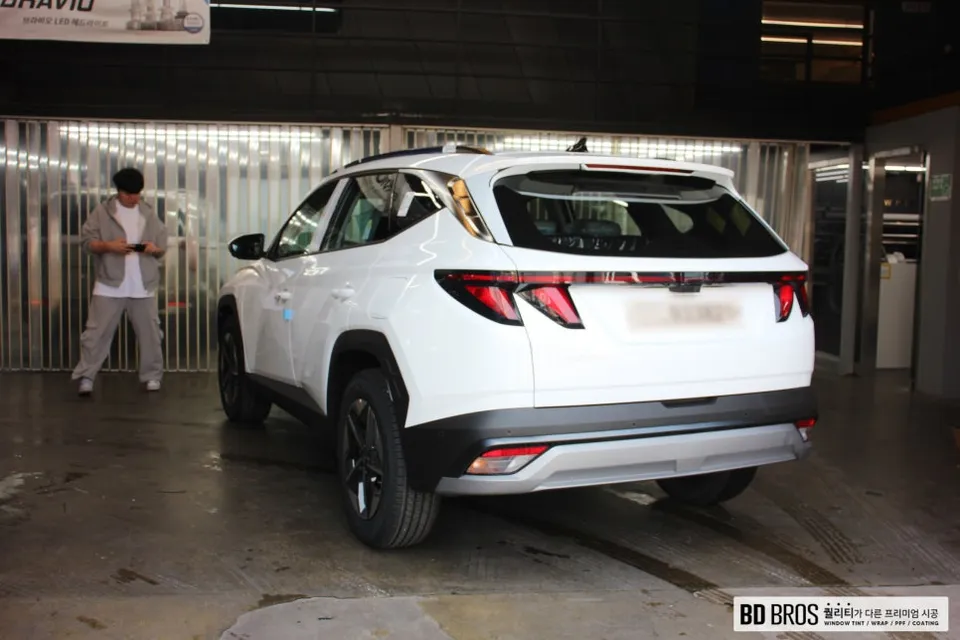
Hyundai Tucson Front Sensor Upgrade Review — Enhanced Safety
Service Price
$40–80
Estimated price · Actual price may vary by shop


Hyundai Tucson front sensor upgrade using OEM parts. Enhances safety with parking assistance. Installation involves sensor mounting and system coding.
Why Front Sensors Are Essential for Your Hyundai Tucson
Many Hyundai Tucson models, particularly certain trims, do not come equipped with front parking sensors as standard. This can make navigating tight city streets, complex parking lots, and narrow alleyways a stressful experience. Without a clear indication of the distance to obstacles directly in front of the vehicle, the risk of low-speed collisions increases. Adding genuine OEM front sensors provides a crucial layer of safety and convenience. These sensors integrate seamlessly with your Tucson's existing systems, offering visual alerts on the instrument cluster and audible warnings. A dedicated OEM switch allows for easy activation and deactivation of the system, ensuring you have control when you need it. This upgrade is more than just a convenience feature; it's a significant enhancement to your vehicle's safety capabilities, helping to prevent costly accidents.
Understanding Parking Assistance Systems (PAS)
Parking Assistance Systems (PAS), often referred to as parking sensors, utilize ultrasonic sensors mounted on the vehicle's bumpers. These sensors detect the distance to nearby objects, relaying this information to the driver through audible beeps or visual displays. This system is invaluable for preventing minor collisions during low-speed maneuvers like parking or navigating tight spaces.
OEM Front Sensor Installation Process for Hyundai Tucson
The installation of genuine OEM front sensors on a Hyundai Tucson is a precise process typically performed by specialized technicians. The process involves:
- Bumper Removal: The front bumper is carefully removed to gain access to the mounting locations for the sensors.
- Sensor Mounting: Precise holes are drilled into the bumper at factory-specified locations. Four ultrasonic sensors are then meticulously installed, ensuring they are flush and correctly angled for optimal detection.
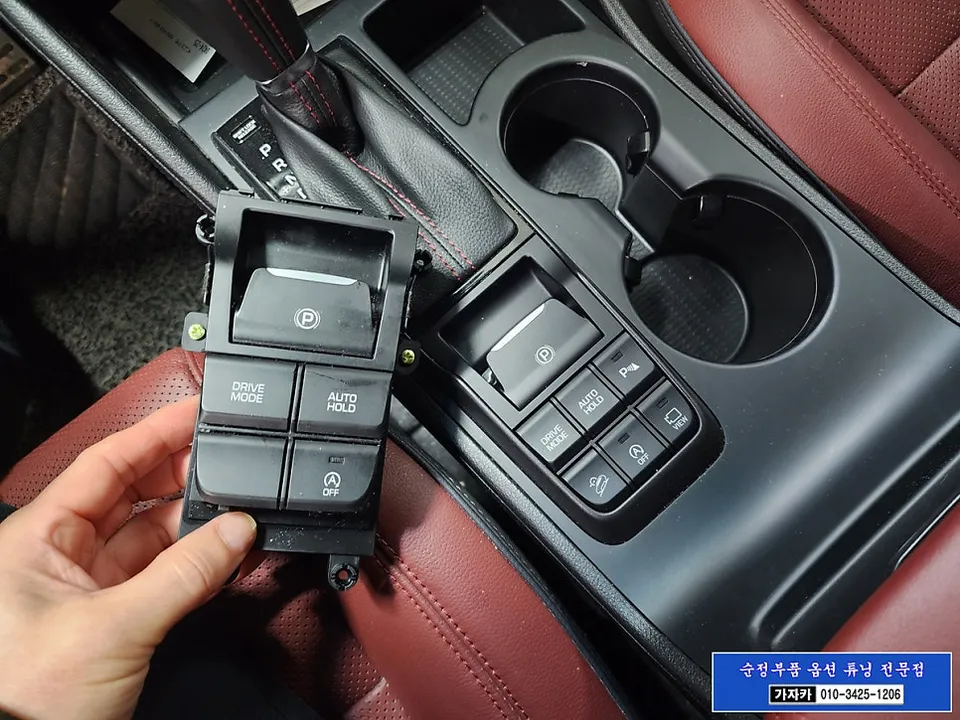
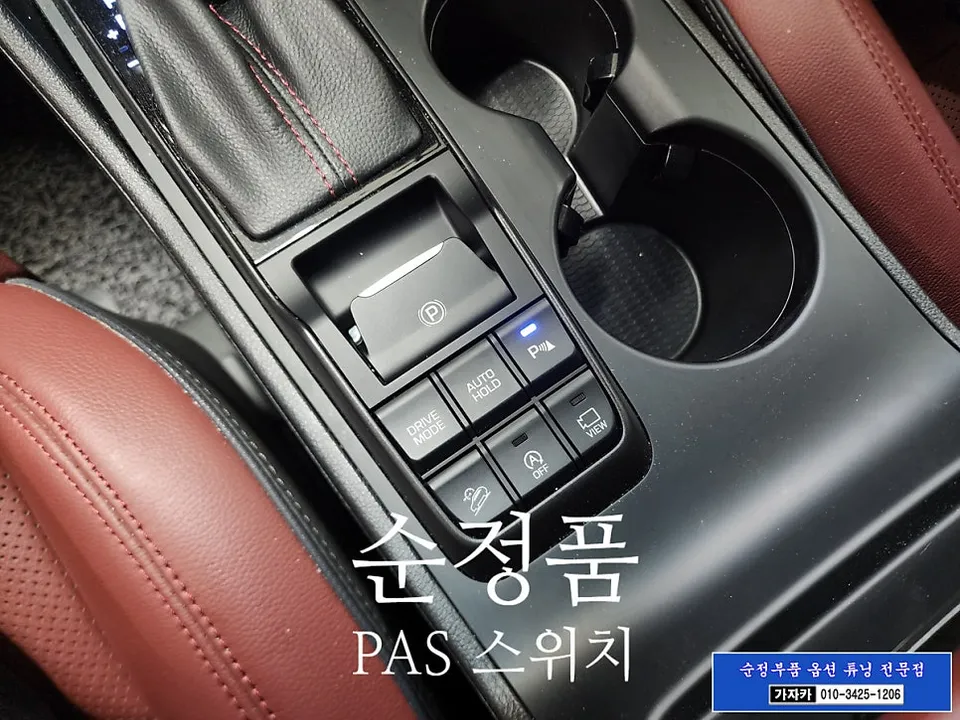
- Interior Wiring and Switch Installation: Since many Tucson trims lack a factory-installed front sensor switch, an OEM switch from a higher trim level is integrated. New wiring harnesses are run from the sensors to the control module and the switch.
- System Activation and Coding: Crucially, the system requires coding using a diagnostic scanner. This step activates the front sensor functionality within the vehicle's computer, enabling communication with the instrument cluster and AVN (Audio, Video, Navigation) system. Without this coding, the sensors will not function correctly, and may only display system check warnings.
Benefits and Quality Assurance with OEM Parts
Opting for genuine Hyundai Mobis OEM parts ensures the highest level of quality, compatibility, and durability. This includes not only the sensors themselves but also the dedicated wiring harnesses, the interior control switch, and the necessary control unit. The result is a system that functions exactly as if it were factory-installed, providing a seamless and reliable upgrade. Post-installation, thorough testing is conducted using diagnostic tools to confirm that the audible alerts and visual indicators on the instrument cluster and AVN system operate correctly. This meticulous approach guarantees that the four front sensors are perfectly integrated, offering enhanced safety and ease of use when maneuvering in confined areas or parking.
Frequently Asked Questions
Q. How much does OEM front sensor installation cost for a Hyundai Tucson?
The cost for this specific OEM front sensor installation in Korea was detailed within the original content. Typical US pricing for similar professional installations can range from $300 to $700, depending on the vehicle and specific components used.
Q. How long does OEM front sensor installation take on a Hyundai Tucson?
The installation process typically takes a few hours to complete, ensuring all components are correctly fitted and coded. For longevity, it's recommended to keep the sensors clean from dirt and debris, especially during winter months.
Q. Are OEM front sensors worth adding after purchase for a Hyundai Tucson?
Yes, adding OEM front sensors is highly recommended for Tucson owners who frequently navigate tight spaces or want to enhance their vehicle's safety features. They provide valuable proximity warnings, significantly reducing the risk of low-speed collisions and improving parking confidence.
Q. How are OEM front sensors installed on a Hyundai Tucson?
Installation involves carefully removing the front bumper, precisely drilling holes for the sensors, and mounting them. Interior work includes installing a genuine OEM switch and running new wiring harnesses, followed by diagnostic coding to activate the system and ensure dashboard integration.
Q. What is the difference between dealer-installed options and aftermarket upgrades for a Hyundai Tucson?
Dealer-installed options, especially when using OEM parts like in this review, ensure perfect integration with the vehicle's existing systems and maintain warranty. Aftermarket upgrades may offer more features or lower costs but can sometimes lead to compatibility issues or void parts of the vehicle's warranty.
OhCar Partner Shop