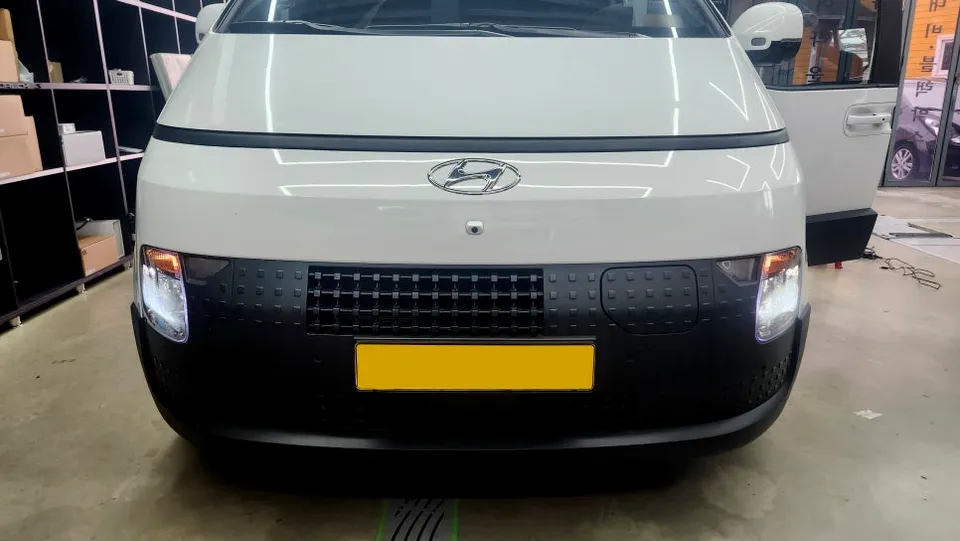
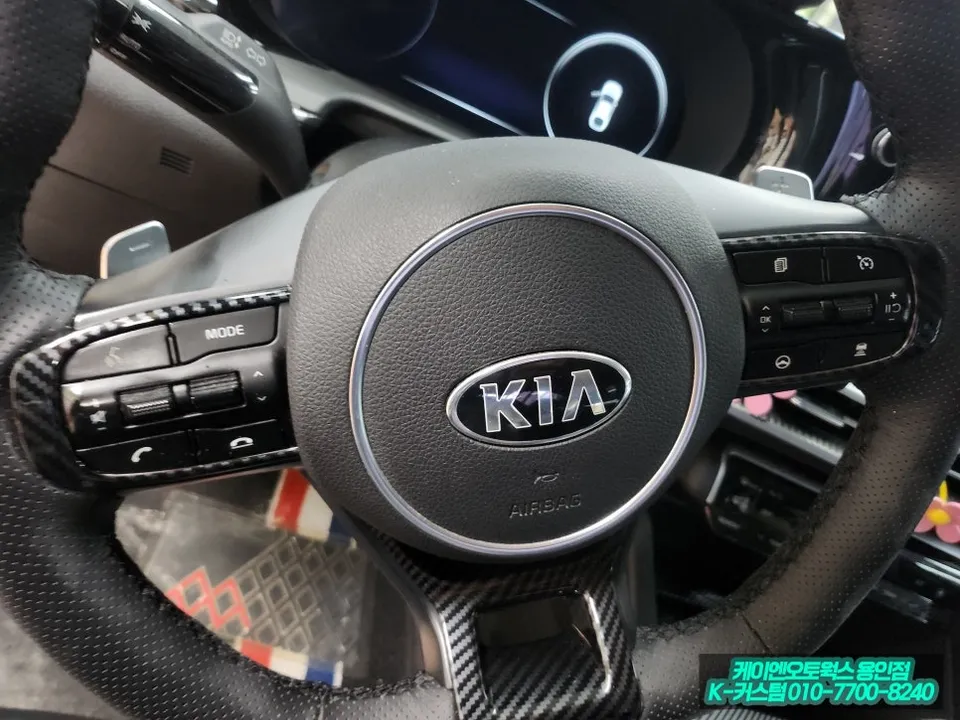
Hyundai Tucson Seat Heating Review — Enhanced Winter Comfort
Service Price
$approx. $1,500+
Estimated price · Actual price may vary by shop
Before
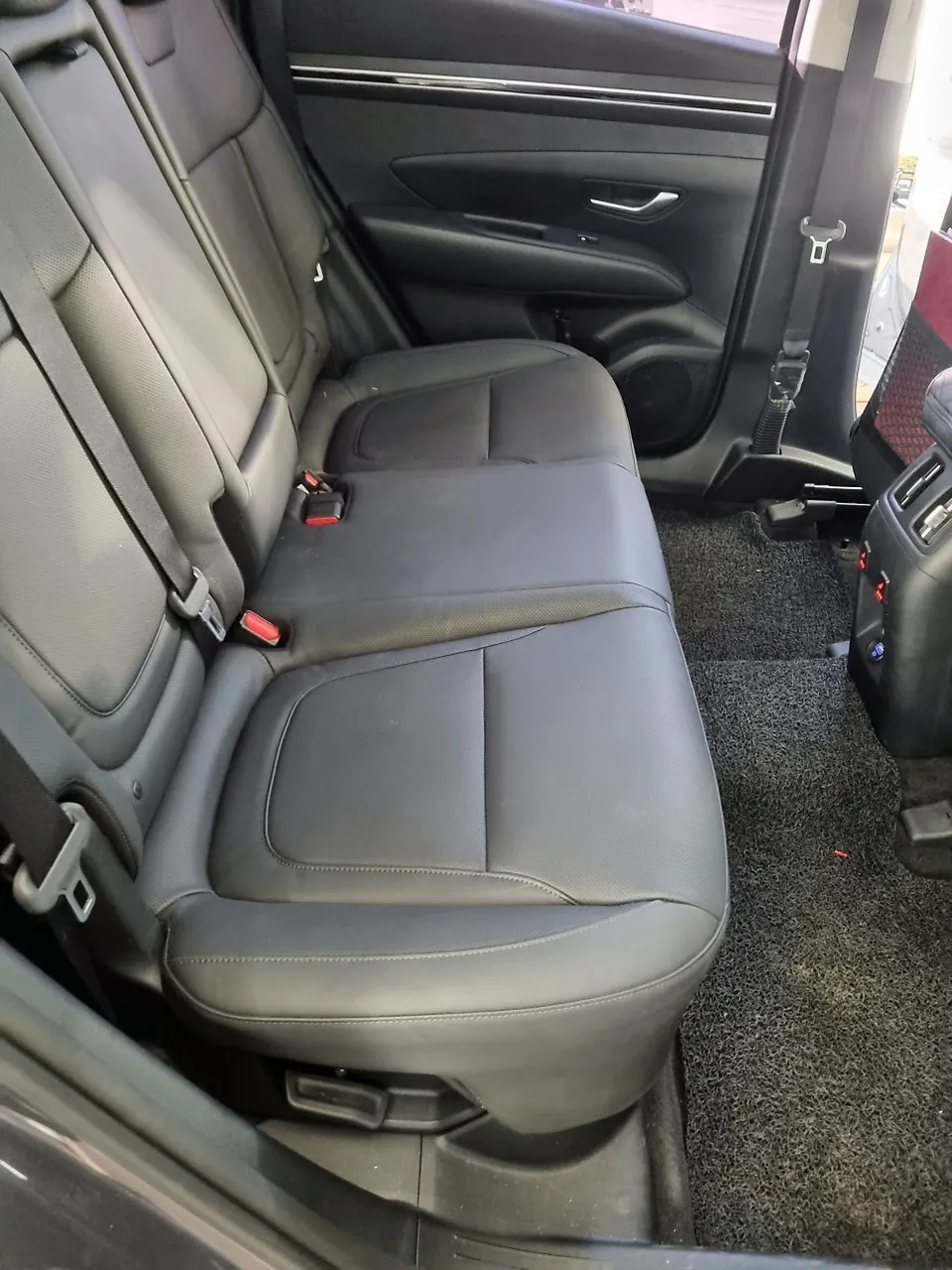
After
Process photos
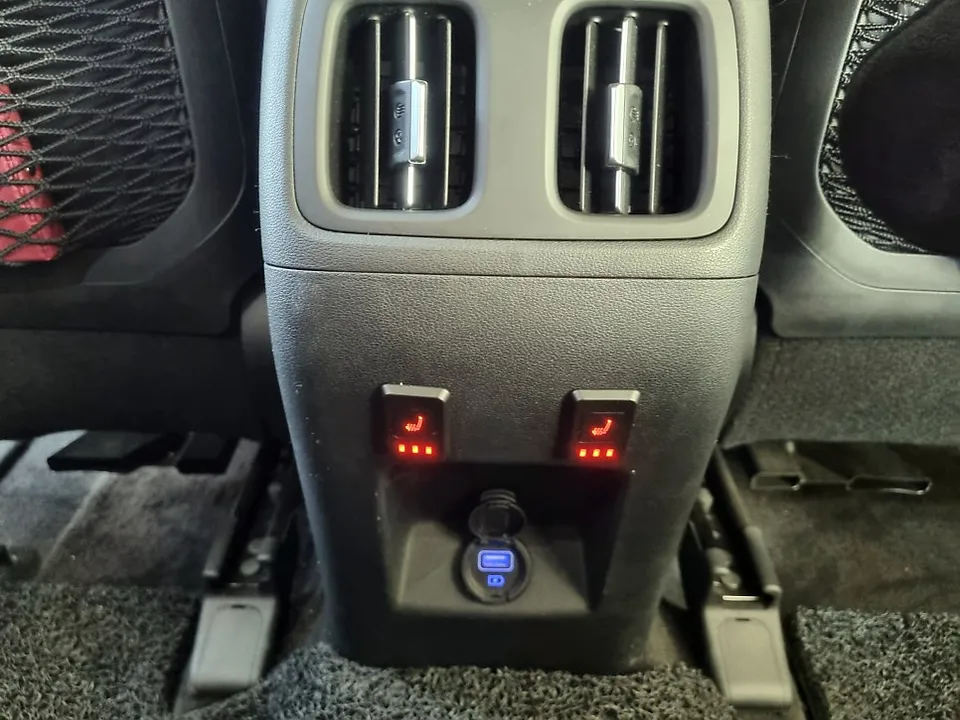
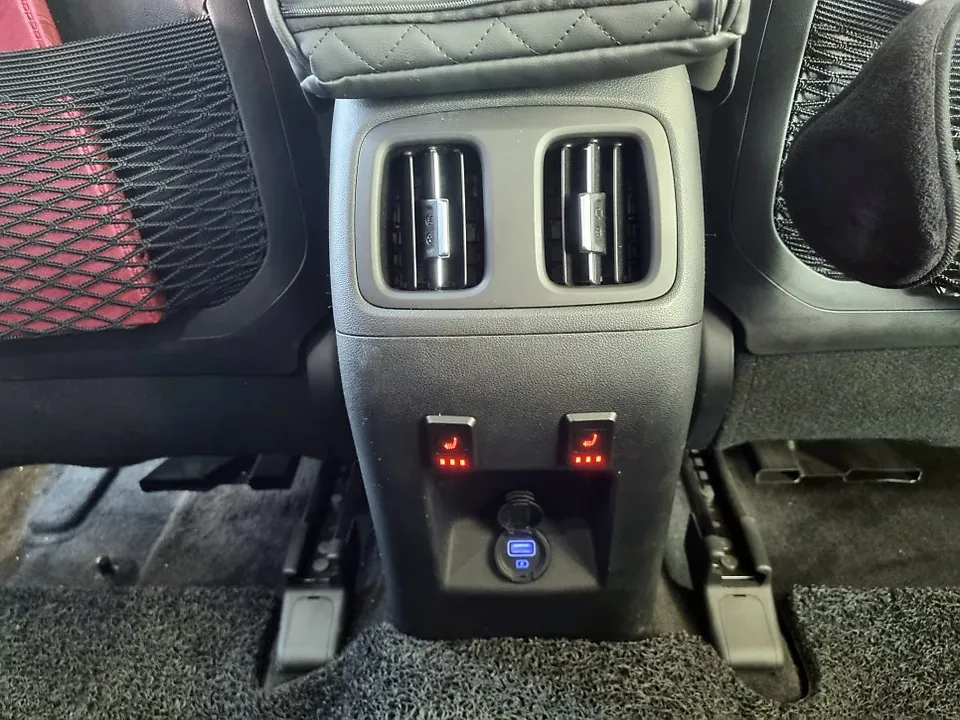
Rear seat heating for Hyundai Tucson: Approx. $600-$1100. Enhances winter passenger comfort and safety.
Enhance Your Hyundai Tucson's Winter Comfort with Rear Seat Heating
Are your rear-seat passengers frequently complaining about the cold during long winter drives in your Hyundai Tucson? Installing rear seat heating is a practical solution to eliminate this discomfort. While seemingly straightforward, it requires a good understanding of automotive electrical systems for safe and effective installation. This guide details the process of retrofitting rear seat heating for the new Hyundai Tucson, as performed by specialists.
Why Consider Rear Seat Heating for Your Tucson?
In recent years, the demand for aftermarket seat heating installations, particularly for vehicles like the Hyundai Tucson, has surged. This isn't just about luxury; it significantly boosts safety and convenience during winter journeys. For families with children or elderly passengers, the warmth in the back seat dramatically improves the overall ride experience.
A key advantage is the cost-effectiveness compared to factory options. While factory-integrated seat heating can add a substantial amount to the new car price, professional aftermarket installation is considerably more economical, typically ranging from ₩800,000 to ₩1,500,000 (approximately $600-$1100 USD, depending on exchange rates and specific kits).
Preparing Your Hyundai Tucson for Seat Heating Installation
Before beginning the seat heating installation, a thorough inspection of the vehicle's electrical system is crucial. This includes checking the battery capacity, the condition of the existing seats, and planning the wiring routes. The new Hyundai Tucson's rear seats are designed for relatively straightforward removal and reinstallation, simplifying the process.
To safely detach the seats, the bolts securing them to the vehicle floor must be loosened. Given the weight of each seat section (typically 15-20 kg per side), it's advisable for two people to handle this task. To prevent scratches on the vehicle's door sills during removal, protective padding should be placed.
Installation Process:
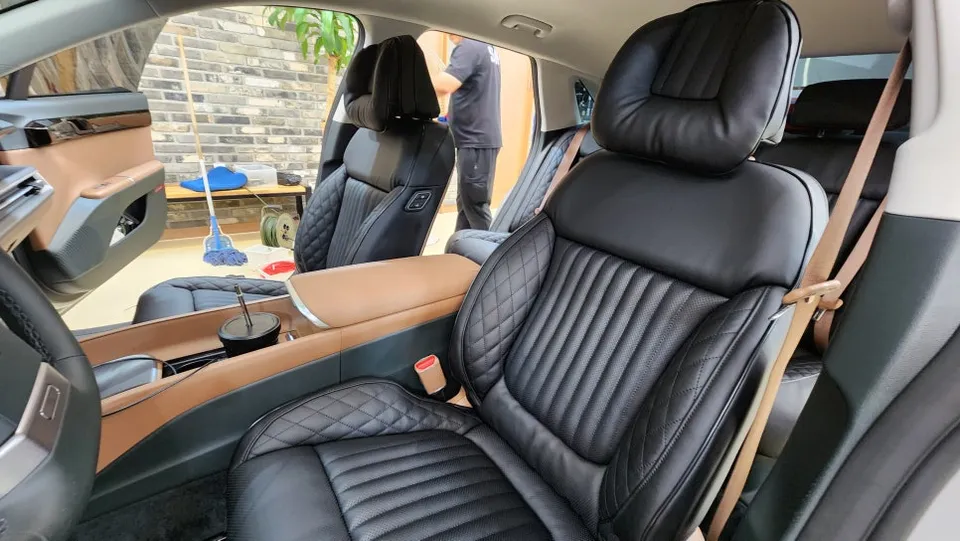
- Seat Disassembly and Pad Placement: The rear seat cushions are carefully removed from the vehicle. Thin heating pads, usually 3-5mm thick, are then precisely positioned and adhered to the underside of the seat fabric. Ensuring the pads are flush and securely fastened, especially at the edges, is vital for longevity and to prevent wire damage.
- Wiring Management: The wiring from the heating pads is routed discreetly beneath the seat fabric and guided down towards the vehicle's floor. Care is taken to avoid interference with other components and to protect the wires with protective tubing to prevent abrasion or short circuits.
- Switch Integration: Digital 3-stage heating switches are typically installed. These allow for precise temperature control (High, Medium, Low, Off). The ideal location for the switch on the new Tucson is often the side trim panel of the center console, ensuring a clean, integrated look.
- Final Connections and Testing: The wiring is connected to the vehicle's power source, often directly to the battery with appropriate fusing for safety. After reassembling the seats, all functions are rigorously tested to ensure smooth operation of the heating elements and switches.
Results and Benefits of Rear Seat Heating
Once installed, the rear seat heating system provides immediate warmth, transforming the passenger experience during cold weather. The digital controls offer flexibility, allowing users to select their preferred comfort level. This upgrade not only enhances comfort but also adds a valuable feature to your Hyundai Tucson, potentially increasing its resale value.
The installation process prioritizes safety, utilizing automotive-grade components and proper wiring techniques to prevent electrical issues. The thin profile of the heating pads ensures that the original seat comfort and feel are largely preserved.
Frequently Asked Questions
Q. How much does Seat Ventilation & Heating cost for a Hyundai Tucson?
The cost for aftermarket rear seat heating installation on a Hyundai Tucson typically ranges from ₩800,000 to ₩1,500,000 (approximately $600-$1100 USD). This price reflects the components, labor, and the complexity of integrating the system safely into your vehicle.
Q. How long does Seat Ventilation & Heating last on a Hyundai Tucson?
With proper installation and use, aftermarket seat heating systems can last for many years, often exceeding the lifespan of the vehicle's original upholstery. Regular checks of wiring connections and avoiding excessive moisture can help maintain longevity.
Q. Is Seat Ventilation & Heating worth it for a Hyundai Tucson?
Rear seat heating is highly recommended for Hyundai Tucson owners who frequently carry passengers in cold climates, especially children or elderly individuals. It significantly enhances comfort and safety, offering a substantial improvement in the overall driving experience for a reasonable investment.
Q. How is Seat Ventilation & Heating done on a Hyundai Tucson?
Installation involves carefully removing the rear seat cushions, adhering thin heating pads beneath the fabric, routing wiring discreetly, and integrating digital control switches, often into the center console trim. The system is then connected to the vehicle's power supply with safety fuses.
Q. What is the best Seat Ventilation & Heating option for a Hyundai Tucson?
The best option is typically a professionally installed aftermarket kit featuring digital 3-stage controls for precise temperature adjustment. Look for installers who use high-quality, durable heating pads and ensure meticulous wiring practices for safety and longevity.
OhCar Partner Shop