Hyundai Tucson TL Blind Spot Assist Installation Review
Service Price
$40–80
Estimated price · Actual price may vary by shop
Before

After

Process photos
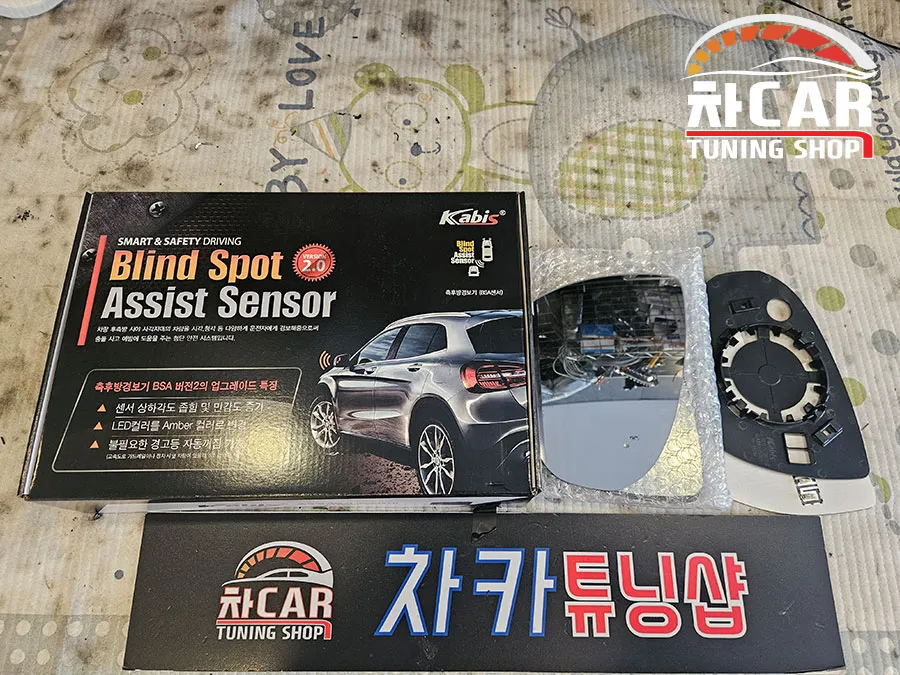
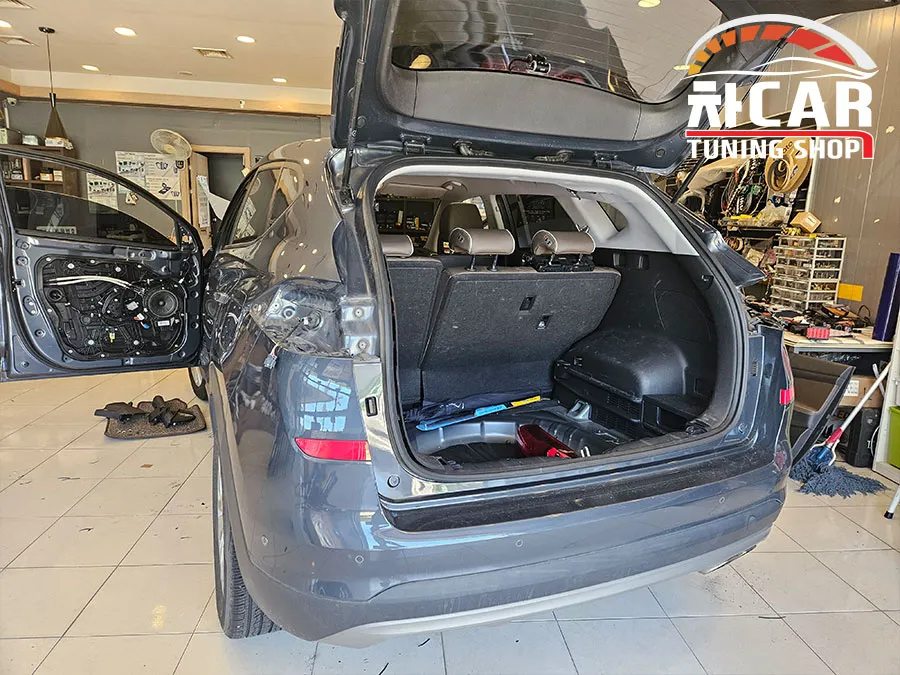
Hyundai Tucson TL Blind Spot Assist installation: Carbis BSA sensor enhances safety. Installation takes 2-3 hours. Detects vehicles in blind spots wit
Enhancing Your Hyundai Tucson TL with Blind Spot Assist
Worried about blind spots during lane changes? Installing a Blind Spot Assist System (BSA) on your Hyundai Tucson TL is a practical safety upgrade that significantly reduces anxiety. This review details the process of installing the Carbis BSA sensor at Today's Car Dongtan, covering everything from sensor selection to the final results.
Choosing Between BSA and BSD Sensors
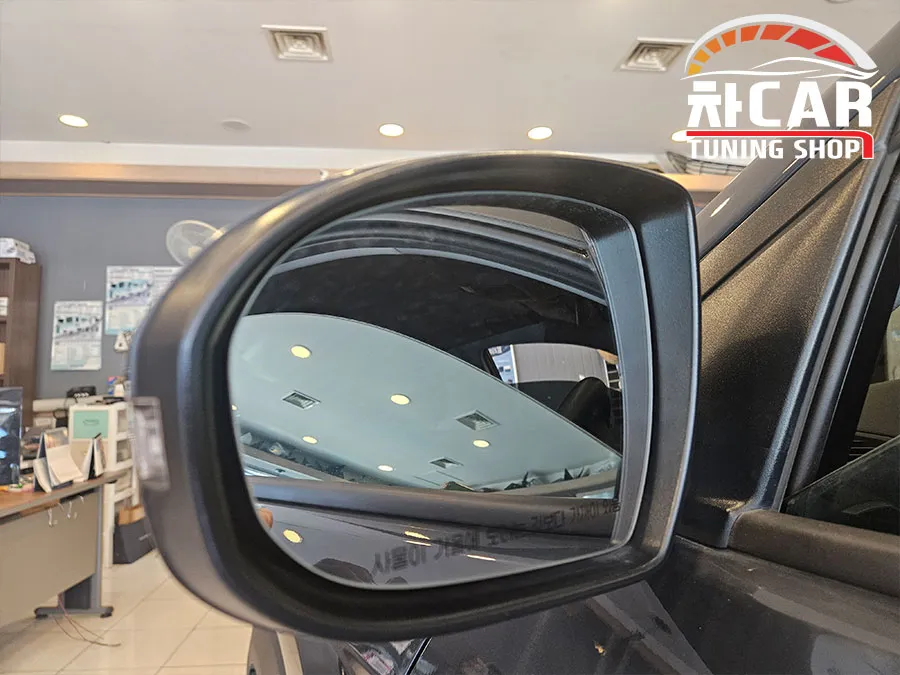
When exploring blind spot warning systems, you'll encounter two main types: BSA (Blind Spot Assist) and BSD (Blind Spot Detection). The BSA system typically involves drilling small holes in the rear bumper to mount ultrasonic sensors. In contrast, the BSD system uses radar sensors installed behind the bumper, often requiring bumper removal. The BSA method is generally quicker and involves less risk associated with bumper removal. While BSD offers potentially wider and more precise detection, BSA provides a substantial safety improvement with a more straightforward installation. For this Hyundai Tucson TL, the Carbis BSA sensor was chosen.
Installation Process: Precision and Integration
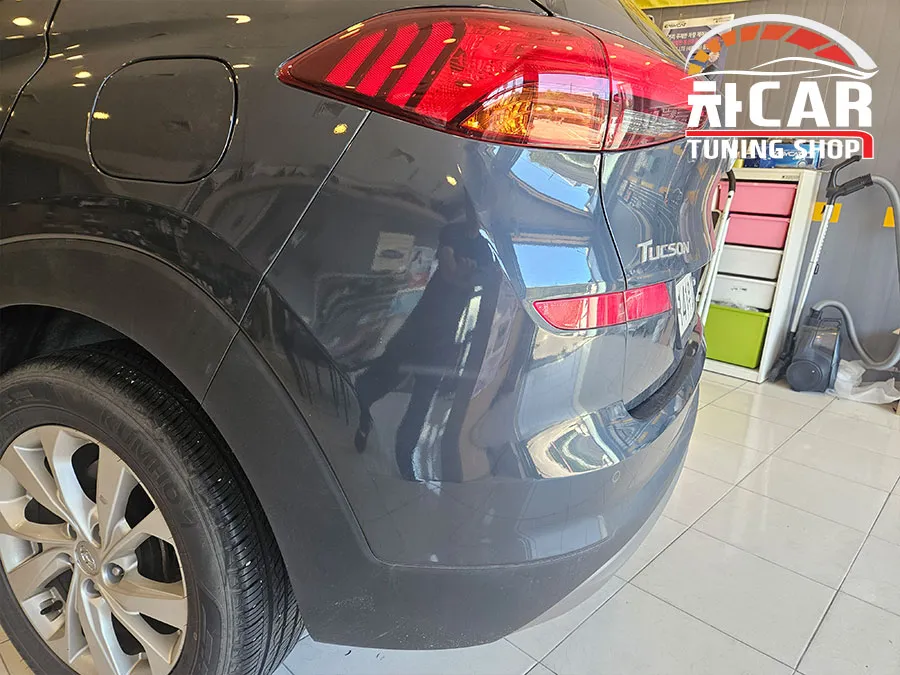
The core of the installation lies in precisely drilling holes on both sides of the rear bumper to mount the ultrasonic sensors. Accuracy here is crucial; incorrect placement can lead to skewed sensor angles and ineffective warnings. The technicians at Today's Car Dongtan meticulously marked the sensor positions before using a specialized hole saw to create clean openings. Each ultrasonic sensor is then embedded into the bumper, with sealing applied around the edges to ensure waterproofing and prevent debris ingress.
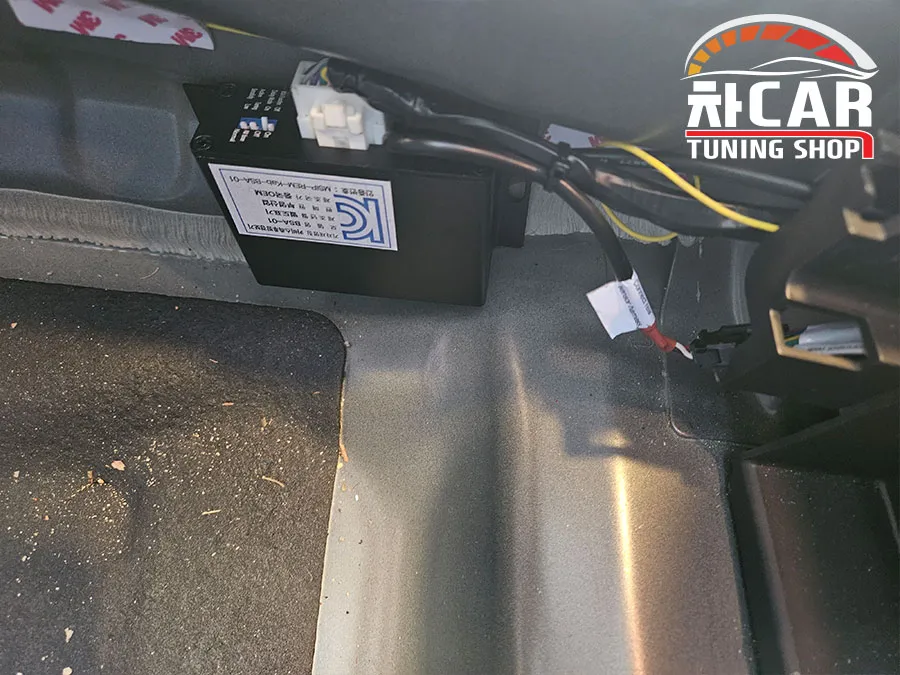
Installation process: 1. Precisely mark sensor locations on the rear bumper. 2. Drill clean, sensor-sized holes using a specialized hole saw. 3. Mount and securely embed one ultrasonic sensor on each side of the rear bumper. 4. Apply sealant around the sensors for waterproofing and protection. 5. Replace the factory side mirrors with wide-view mirrors equipped with LED warning lights. 6. Install the control unit and warning speaker, routing wires discreetly.
Integrated Warnings: Wide Mirrors and LED Alerts
The primary alert mechanism for the blind spot system is integrated into the side mirrors. The factory side mirrors are replaced with wide-view mirrors that offer an expanded field of vision, inherently reducing blind spots. These new mirrors feature built-in LED warning lights. When a vehicle is detected in the blind spot, a red LED illuminates on the corresponding side mirror. If the turn signal is activated while a vehicle is present, the system provides a secondary alert: a double beep from the warning speaker and rapid flashing of the LED indicator, offering a crucial second layer of warning before a lane change.
Final Touches: Controller and Speaker Placement
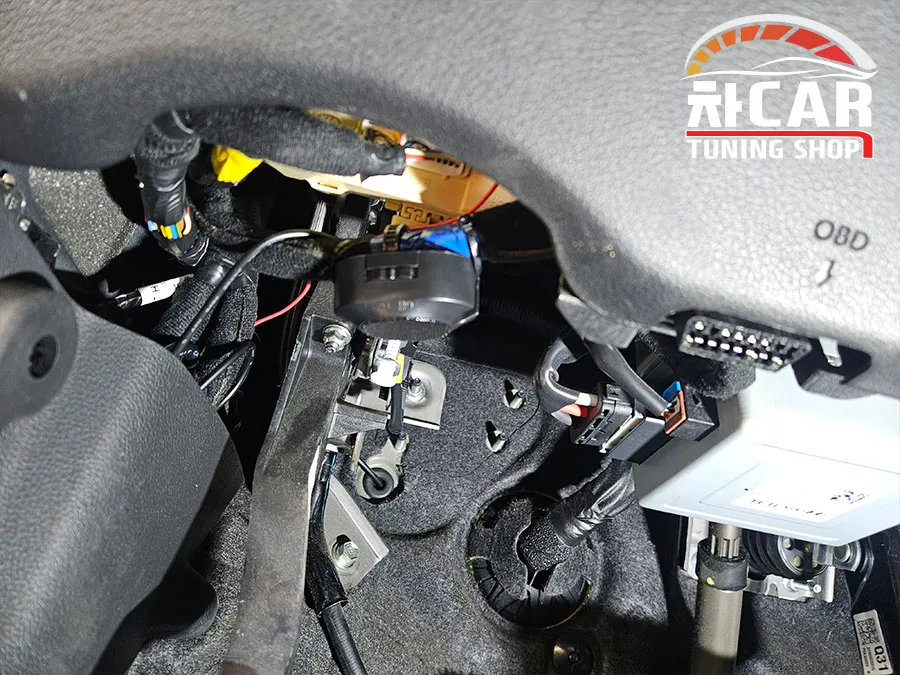
A small speaker is installed in an accessible location for the driver, allowing for easy adjustment of warning volume. The system offers two volume settings (Low and High) and an ON/OFF switch, enabling customization for different driving environments. The main control unit is discreetly mounted inside the trunk, hidden from view to maintain the vehicle's interior aesthetics while remaining accessible for service. All wiring is carefully routed and concealed within the vehicle's trim panels for a clean, factory-like finish.
Review: Enhanced Driving Confidence
The installation of the Blind Spot Assist System on the Hyundai Tucson TL is typically completed within 2 to 3 hours. The BSA method, which avoids full bumper removal, minimizes stress on the vehicle's components. The result is a significant boost in driving confidence, particularly in busy traffic or when navigating unfamiliar roads. The system effectively alerts the driver to potential hazards, making lane changes safer and more secure.
Frequently Asked Questions
Q. How much does OEM option and factory upgrade installation cost for a Hyundai Tucson TL?
The Carbis BSA sensor installation for the Hyundai Tucson TL reviewed here cost approximately 300,000 Korean Won. While specific US pricing varies, similar aftermarket blind spot systems typically range from $200 to $500 installed.
Q. How long does OEM options installation take on a Hyundai Tucson TL?
The installation of the Blind Spot Assist System on the Hyundai Tucson TL typically takes between 2 to 3 hours to complete. Regular maintenance involves ensuring the sensors remain clean and unobstructed by dirt or debris.
Q. Are OEM options worth adding after purchase for a Hyundai Tucson TL?
Adding a Blind Spot Assist System is highly recommended for drivers who frequently change lanes or drive in heavy traffic, as it significantly enhances safety. The value lies in the added peace of mind and reduction of potential accidents.
Q. How are OEM factory options installed on a Hyundai Tucson TL?
Installation involves precise drilling of holes in the rear bumper for ultrasonic sensors, followed by sensor mounting and sealing. Factory side mirrors are replaced with units featuring integrated LED warning lights, and a control unit is installed, typically in the trunk, with all wiring concealed.
Q. What is the difference between dealer-installed options and aftermarket upgrades for a Hyundai Tucson TL?
Dealer-installed options are often integrated during manufacturing or by the dealership using OEM parts, potentially offering seamless integration. Aftermarket upgrades, like the Carbis BSA system reviewed here, are installed post-purchase and can offer similar functionality, sometimes at a lower cost, but integration may vary.