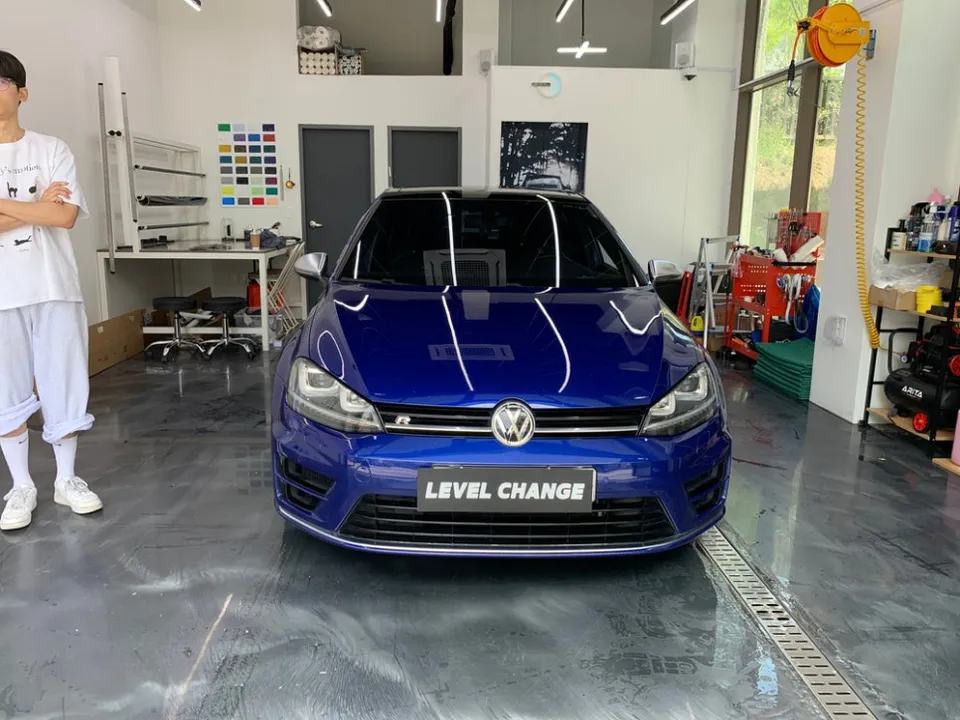
Volkswagen Golf OEM Options Review: TPMS & Stop-Start
Before

After
Process photos
VW Golf 8 OEM TPMS & Stop-Start module retrofit: approx. ₩300,000. Enhances safety and driving convenience.
Enhancing Your Volkswagen Golf 8 with OEM Options
Many Volkswagen Golf 8 owners consider upgrading their vehicles with genuine OEM options like the Tire Pressure Monitoring System (TPMS) and a module to save the Stop-Start function. Tire pressure is crucial for driving safety, especially during high-speed or long-distance journeys. This review details the installation process, benefits, and considerations for these factory upgrades, based on real owner experiences and installation photos from South Korea.
OEM TPMS Installation for the Golf 8
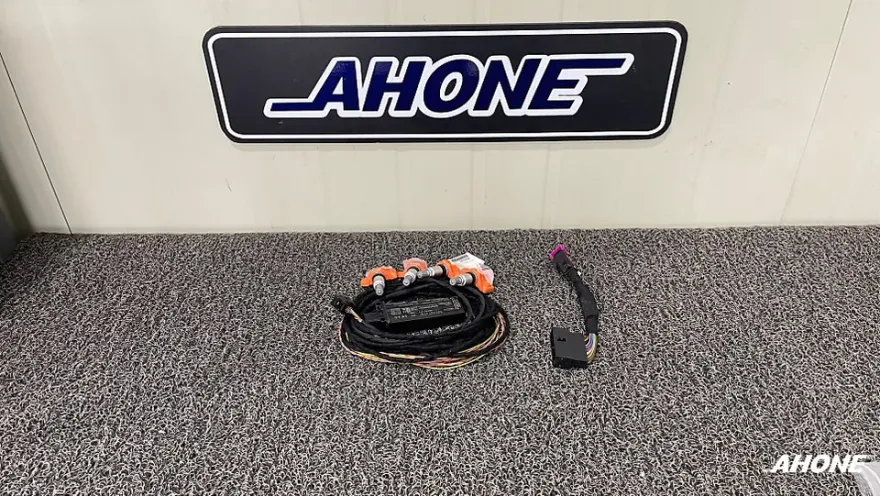
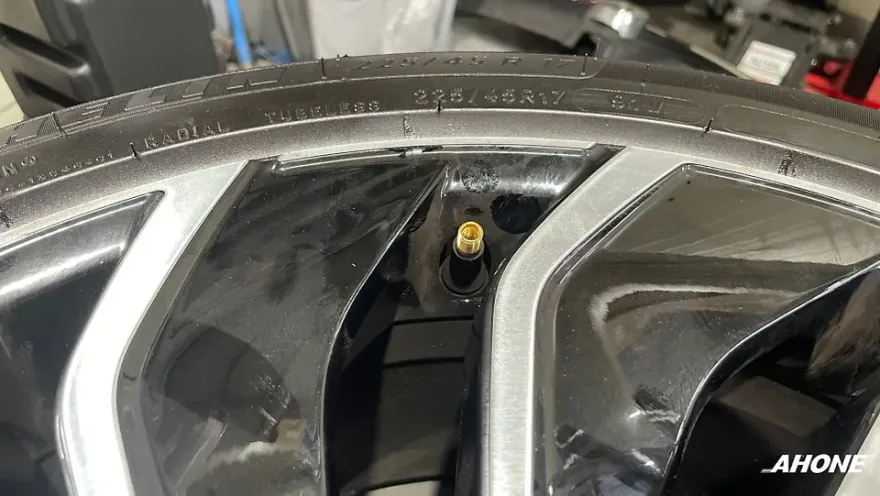
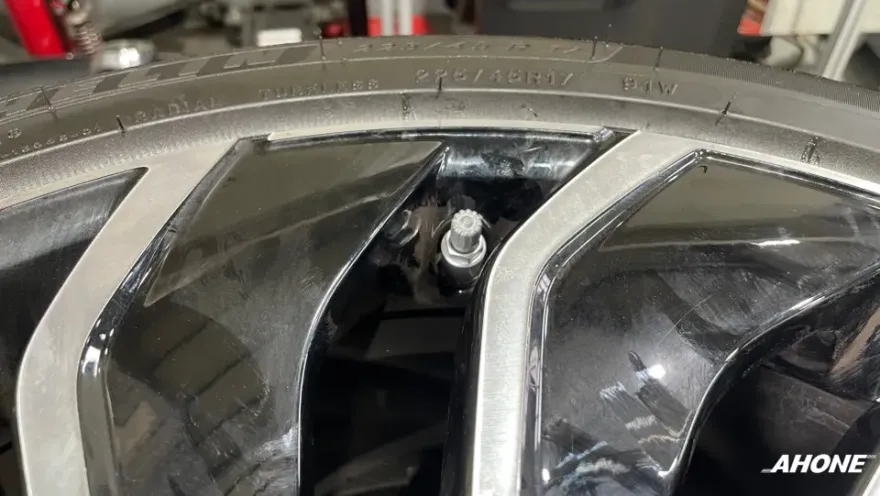
For Golf 8 2.0 TDI models lacking the factory TPMS, a retrofit involves installing a genuine system that displays real-time tire pressure readings. The installation process begins with removing the existing rubber valve stems from each wheel. New TPMS sensors are then fitted into the valve stems. These sensors are designed to accurately measure the air pressure within each tire.
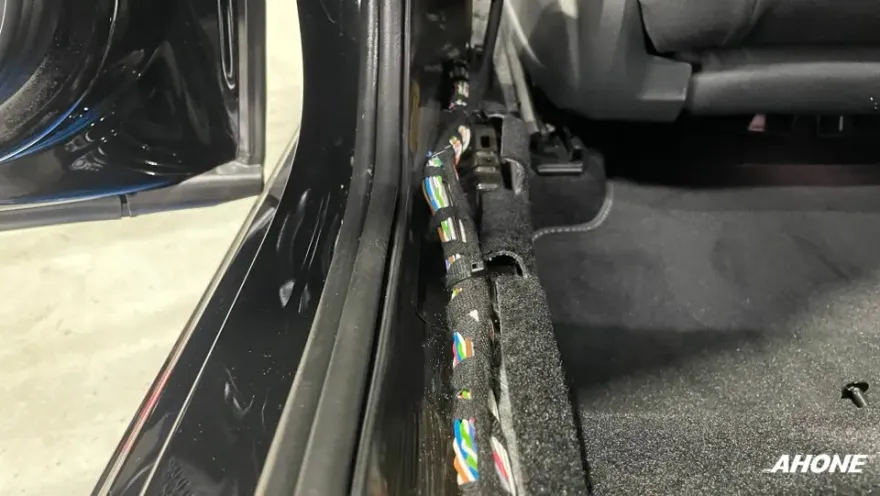
A receiver unit, essential for collecting data from the sensors, is mounted externally on the vehicle according to manufacturer specifications. Careful wiring ensures a clean and secure installation, integrated seamlessly to look like a factory fit. Once installed, the TPMS provides drivers with precise pressure data for each tire, significantly enhancing safety.
Installation Process:
- Remove existing valve stems from each wheel.
- Install new TPMS sensors into the valve stems.
- Mount the TPMS receiver unit securely on the vehicle exterior.
- Complete all wiring connections neatly and safely.
- Program the system to communicate with the vehicle's infotainment.
Integrated Display and Stop-Start Memory Module
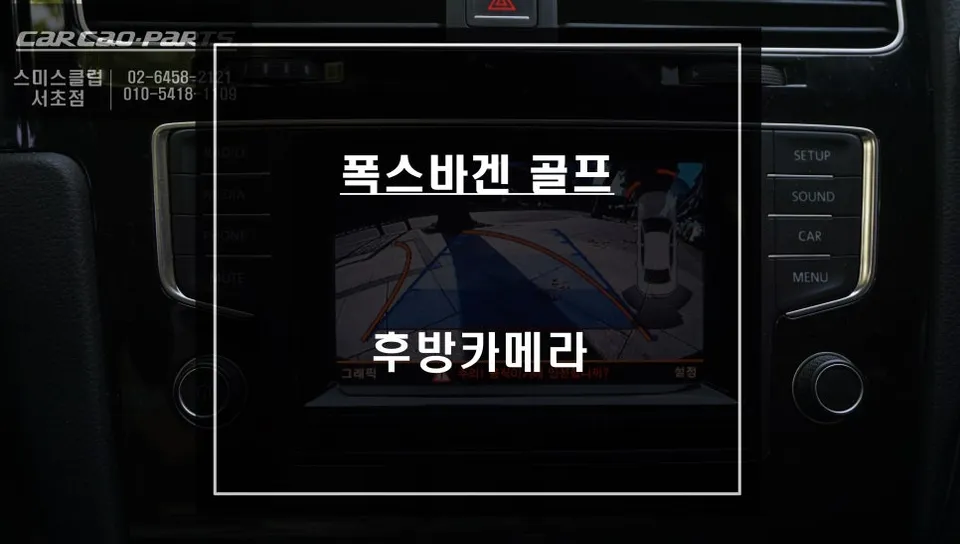
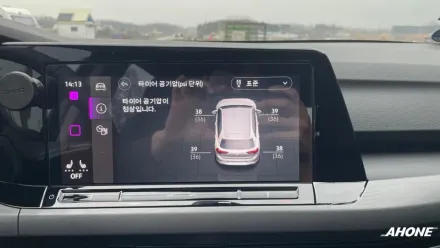
After the TPMS installation, tire pressure information becomes accessible through the Volkswagen Golf's MIB infotainment system. A new TPMS menu is added to the vehicle's settings, allowing you to check the pressure for each tire at any time. This real-time data is faster and more accurate than older systems, enabling early detection of pressure drops and proactive safety measures.
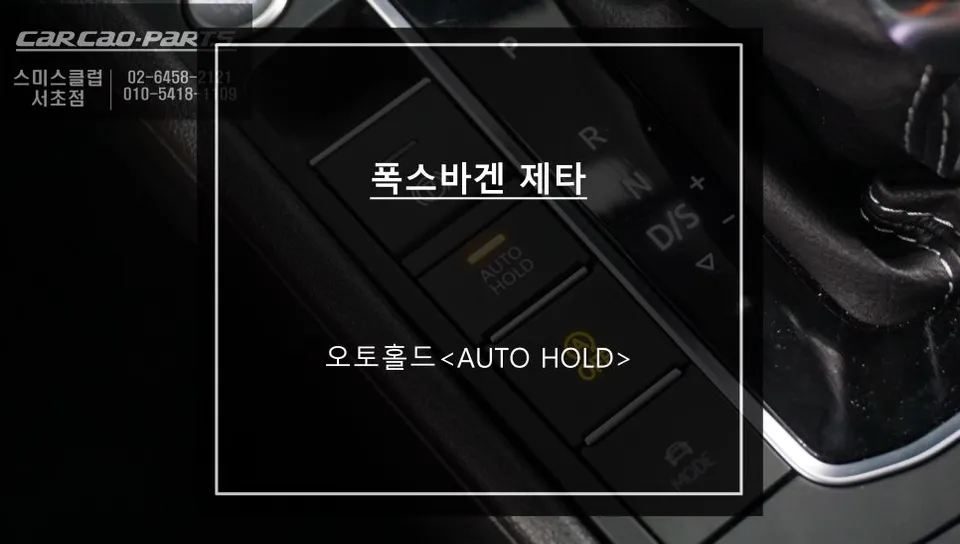
The Stop-Start memory module offers added convenience. This device automatically deactivates the vehicle's Auto Start-Stop (ISG) function each time the engine is started, eliminating the need for manual deactivation. It installs easily using existing connectors without complex wiring. The module remembers the last setting, ensuring the Stop-Start function remains off until you choose to re-enable it, allowing you to focus purely on driving.
Cost, Time, and Value of OEM Options
The combined cost for installing genuine TPMS and the Stop-Start memory module on a Volkswagen Golf 8 typically starts around 300,000 Korean Won (approximately $220 USD, subject to exchange rates). The final price can vary based on the specific model year, the type of TPMS sensors chosen, and the labor rates at the installation facility. It is advisable to contact a specialized workshop, such as an 'O-neul-ui-ka' (Today's Car) branch, for an accurate quote before proceeding.
The entire installation process usually takes between 2 to 3 hours. These OEM options not only enhance safety and convenience but also maintain the vehicle's original integrity and resale value, making them a worthwhile factory upgrade for many Golf owners.
Frequently Asked Questions
Q. How much does OEM option and factory upgrade installation cost for a Volkswagen Golf?
In Korea, the combined installation of OEM TPMS and a Stop-Start memory module for a VW Golf 8 starts around 300,000 KRW (approx. $220 USD). US pricing for similar factory option retrofits can range from $300 to $700 depending on the specific options and vehicle.
Q. How long does OEM options installation take on a Volkswagen Golf?
The installation of OEM options like TPMS and a Stop-Start memory module typically takes about 2 to 3 hours. These systems are designed for durability and require minimal maintenance beyond ensuring the sensors are functioning correctly.
Q. Are OEM options worth adding after purchase for a Volkswagen Golf?
OEM options like TPMS and the Stop-Start memory module are worth adding for drivers prioritizing safety and convenience. They integrate seamlessly with the vehicle's systems, maintaining factory aesthetics and functionality.
Q. How are OEM factory options installed on a Volkswagen Golf?
Installation involves fitting sensors into wheel valves for TPMS and mounting a receiver unit, followed by wiring. The Stop-Start module typically plugs into existing connectors. The process is completed within 2-3 hours, ensuring a clean, factory-like finish.
Q. What is the difference between dealer-installed options and aftermarket upgrades for a Volkswagen Golf?
OEM options are designed and manufactured by the car maker (like Volkswagen) for seamless integration, while aftermarket upgrades are made by third-party companies. For features like TPMS or specific control modules, OEM options generally offer better compatibility and reliability.
OhCar Partner Shop