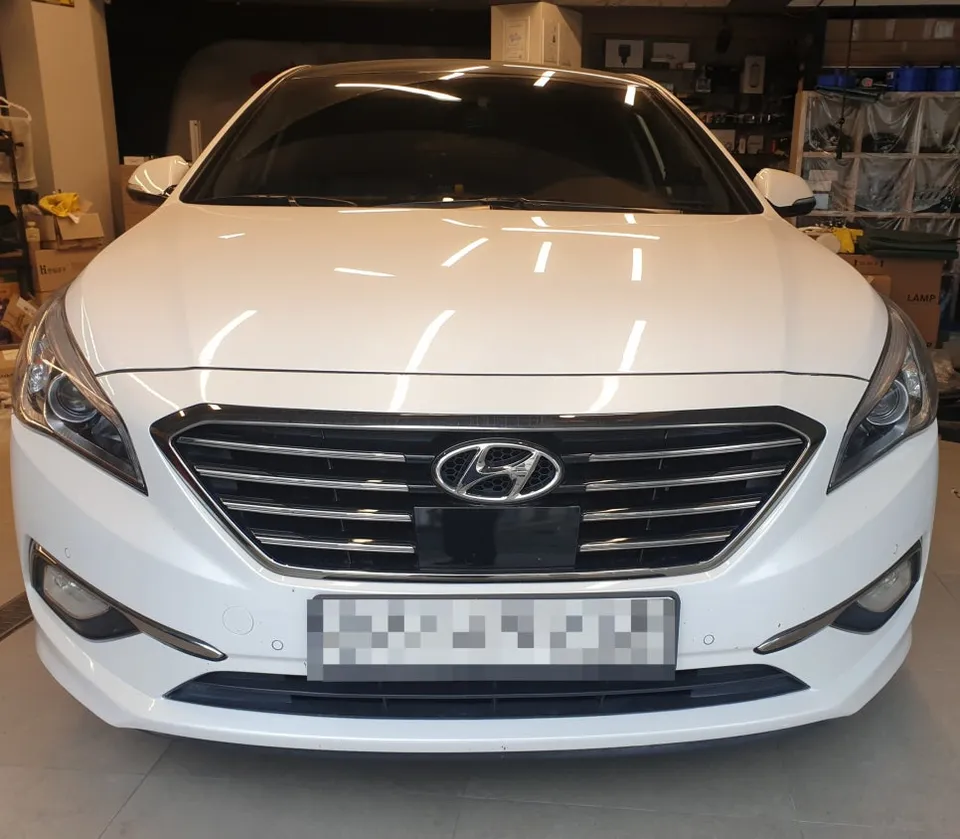
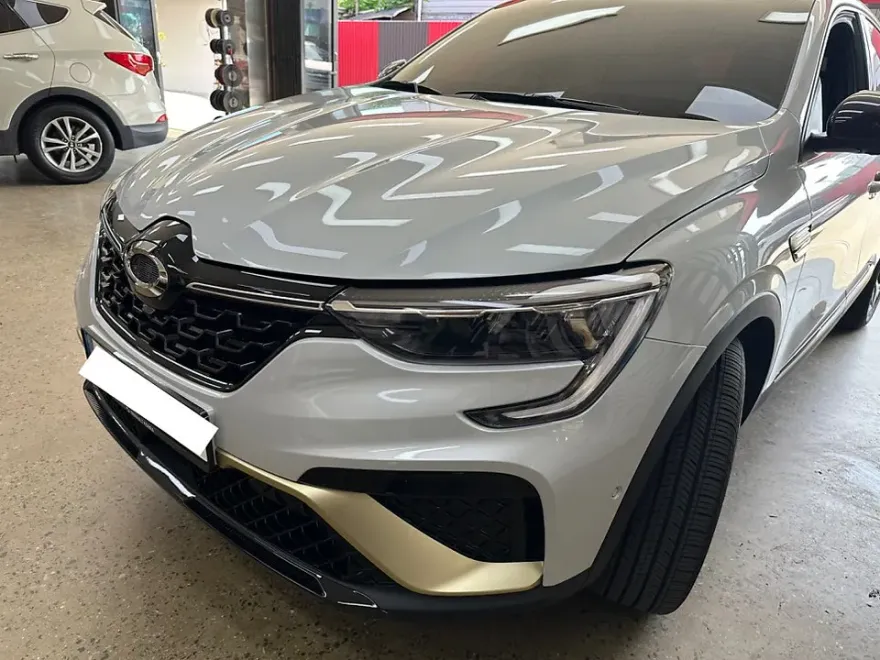
Kia Carnival KA4 Body Kit Installation Review
Service Price
$75–115
Estimated price · Actual price may vary by shop
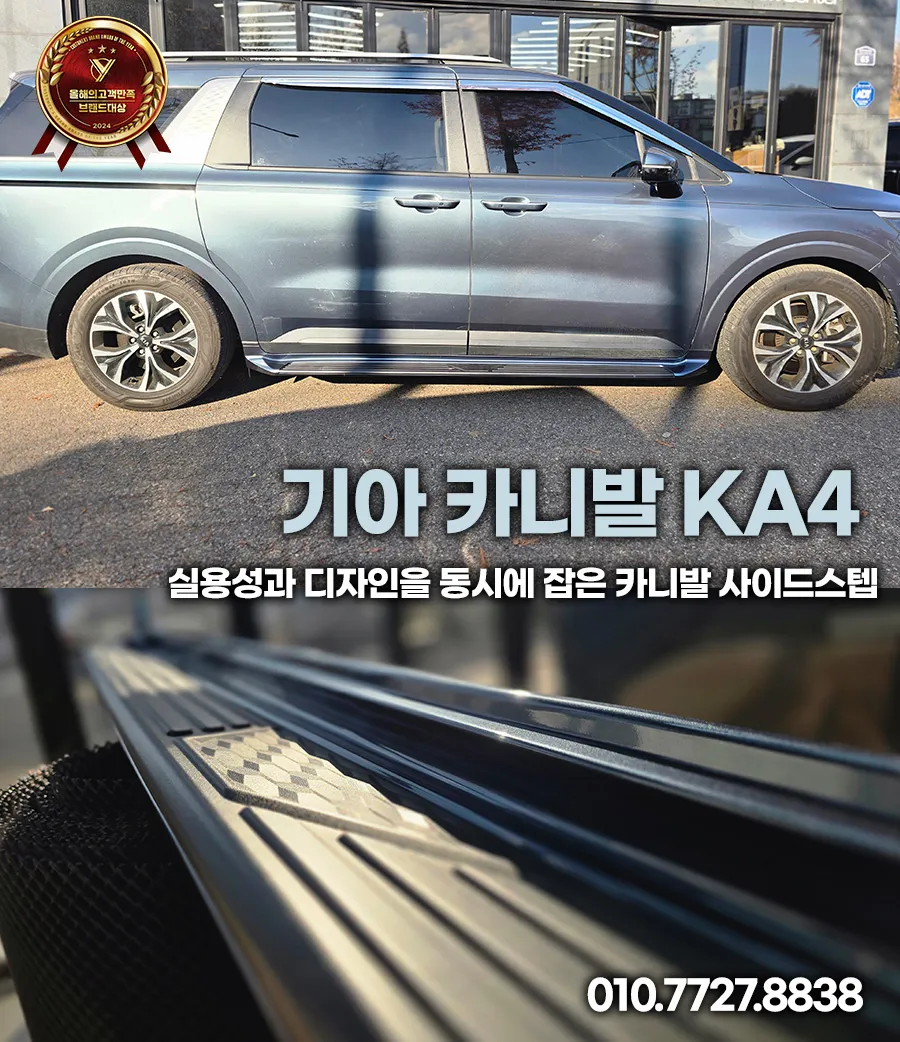
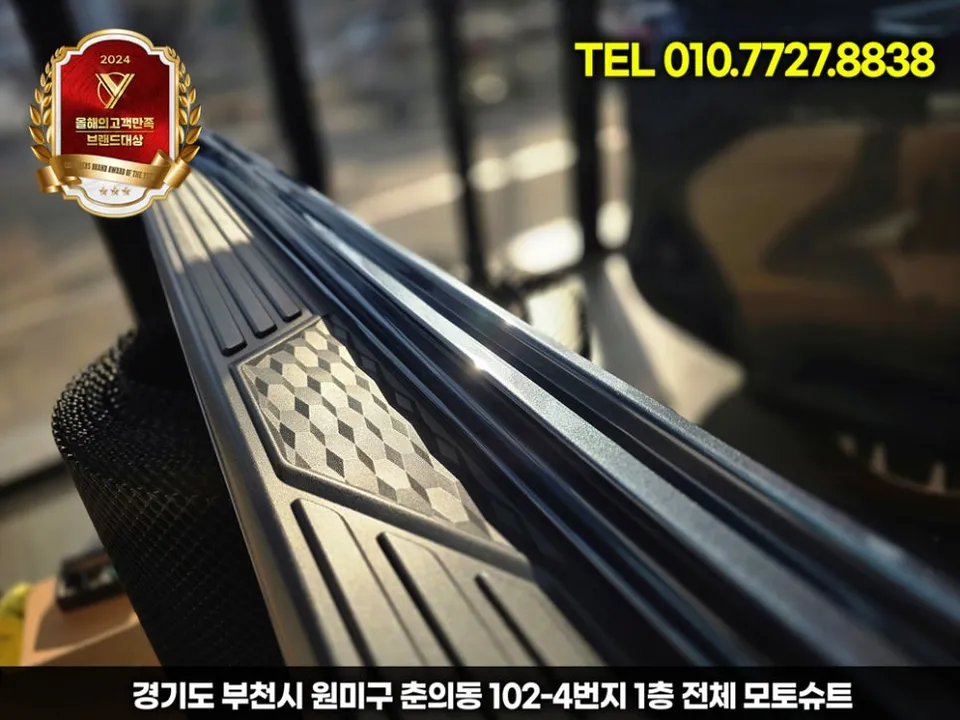
Kia Carnival KA4 body kit installation: approx. $75-$115+. Enhances style, improves passenger access, and adds utility.
Enhancing Your Kia Carnival KA4 with a Body Kit
Considering an aero kit or body kit for your Kia Carnival KA4? While often seen as purely cosmetic, these kits can significantly enhance both the aesthetics and functionality of your minivan. This review delves into the specifics of body kit installation, covering the process, potential costs, and the tangible benefits for your Carnival.
Why Consider a Body Kit for Your Carnival KA4?
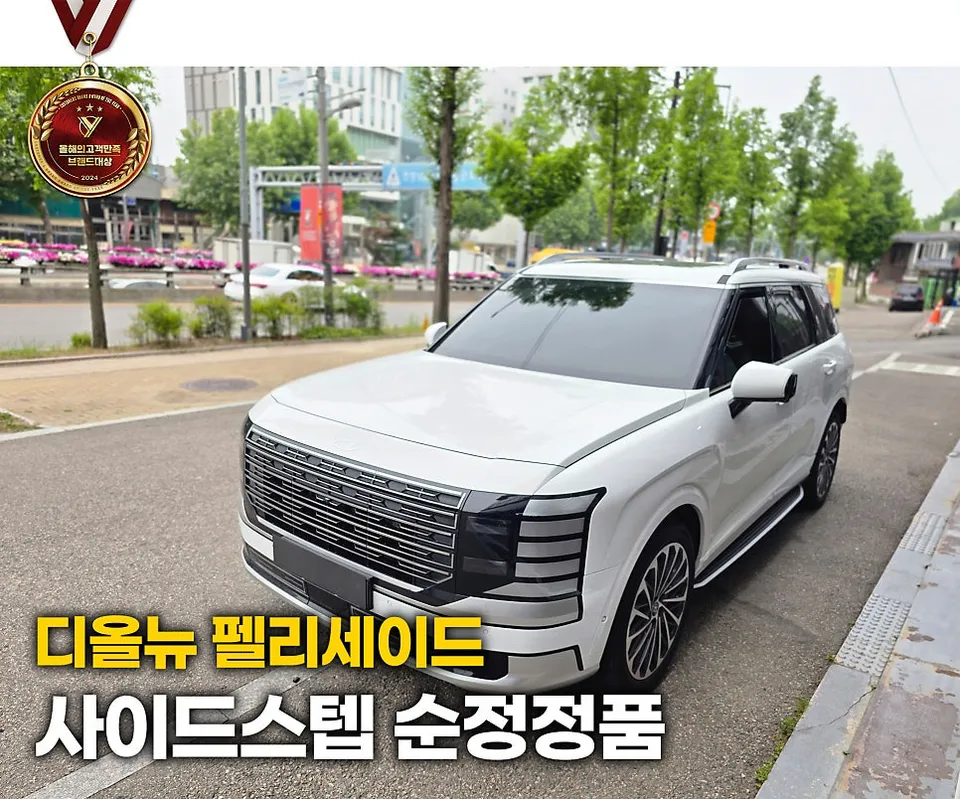
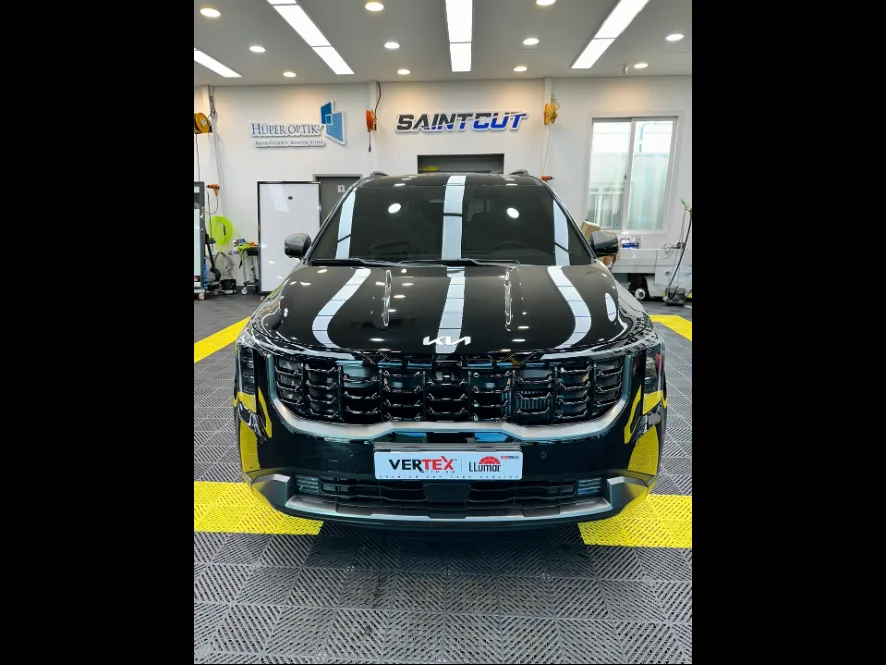
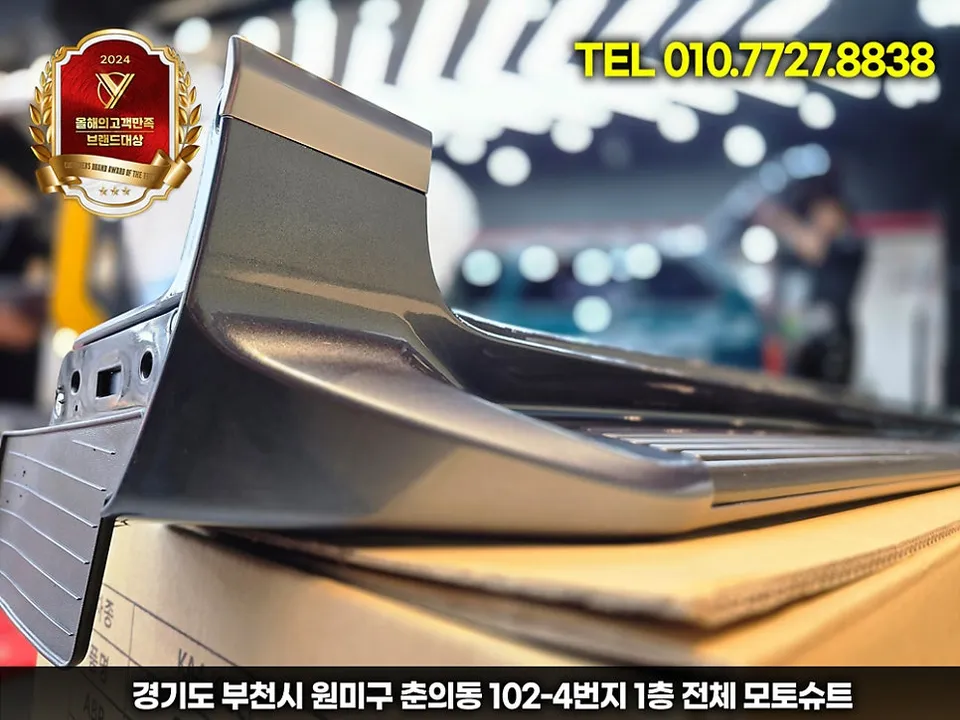
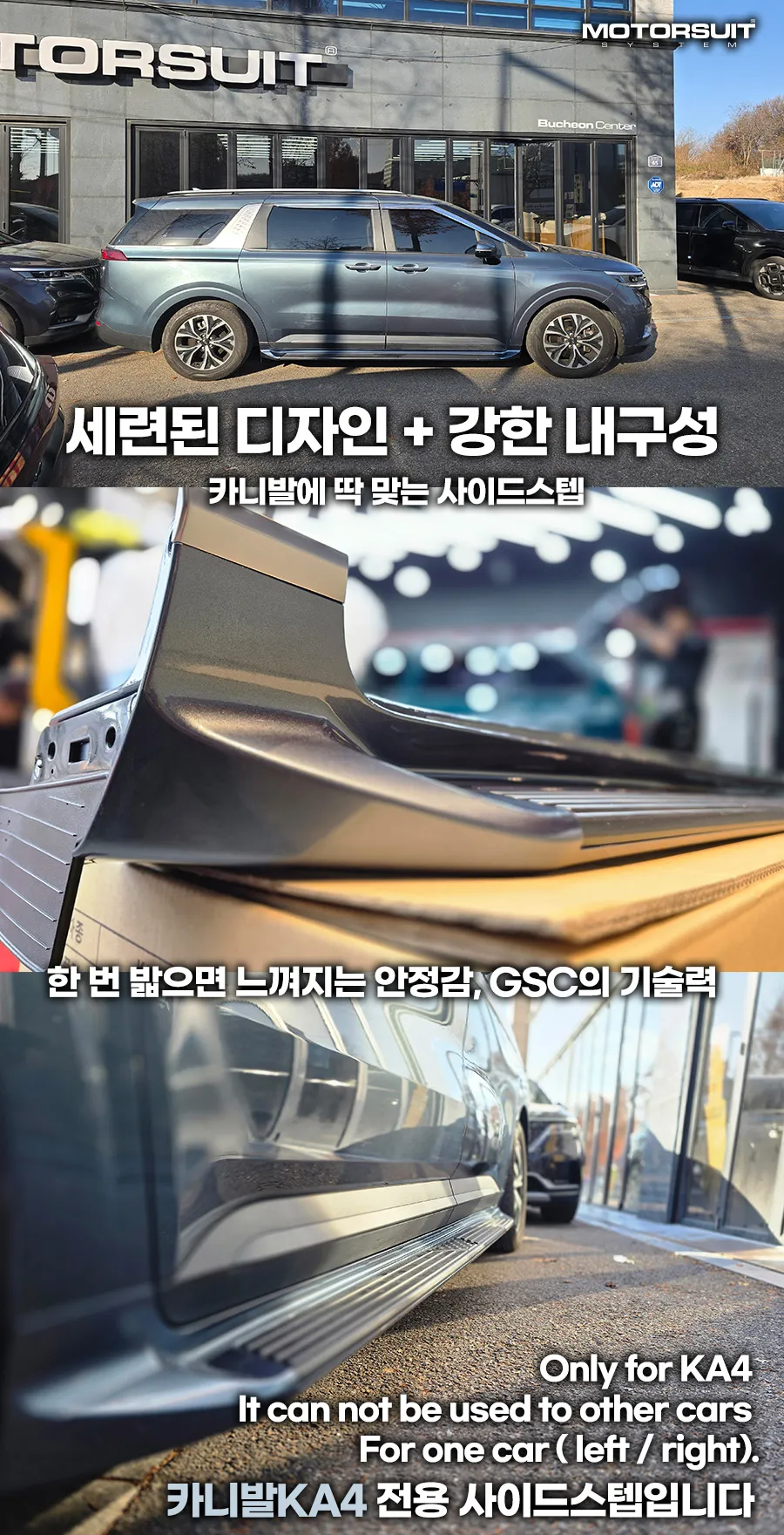
The Kia Carnival KA4, especially with its higher stance, can benefit greatly from the addition of a body kit, which often includes components like front lips and side skirts. Beyond just looking good, these additions serve practical purposes. For families, they can make getting in and out of the vehicle easier, acting as a subtle step, particularly beneficial for children, the elderly, or even pets. For those with active lifestyles, such as campers, a body kit can provide a more stable platform for loading and unloading gear, like rooftop tents. Aesthetically, a well-designed body kit can give the Carnival a more grounded, substantial, and premium appearance, refining its side profile and overall presence. The integration of specific colors, like the Astra Blue seen on some models, with contrasting body kit elements can create a sophisticated and custom look.
The Body Kit Installation Process
Installing a body kit, including components like side skirts and front lips, requires precision to ensure a secure fit and optimal performance. The process begins with a thorough inspection of the vehicle's undercarriage to identify the correct mounting points. The Carnival's chassis has varying strengths, so pinpointing load-bearing areas is crucial to prevent issues like rattling, vibrations, or detachment during driving. Professional installers use specialized brackets, often designed specifically for the kit and vehicle model, to attach the components without damaging the car's original structure. For instance, using genuine brackets ensures a perfect fit with the vehicle's existing mounting points. The bolts are tightened to a specific torque using precision gauges to guarantee they won't loosen over time. To further enhance durability and reduce noise, installers often apply sound-dampening tape and anti-vibration pads between the bracket and the car body. This meticulous approach ensures the body kit remains stable, quiet, and integrated for years to come.
Installation Process:
- Vehicle Inspection & Placement: The installer thoroughly checks the Carnival's underbody and precisely marks the optimal locations for the body kit components and mounting brackets.
- Bracket Attachment: Vehicle-specific or universal brackets are securely fastened to the chassis, often utilizing factory mounting points to avoid drilling or damaging the vehicle's structure.
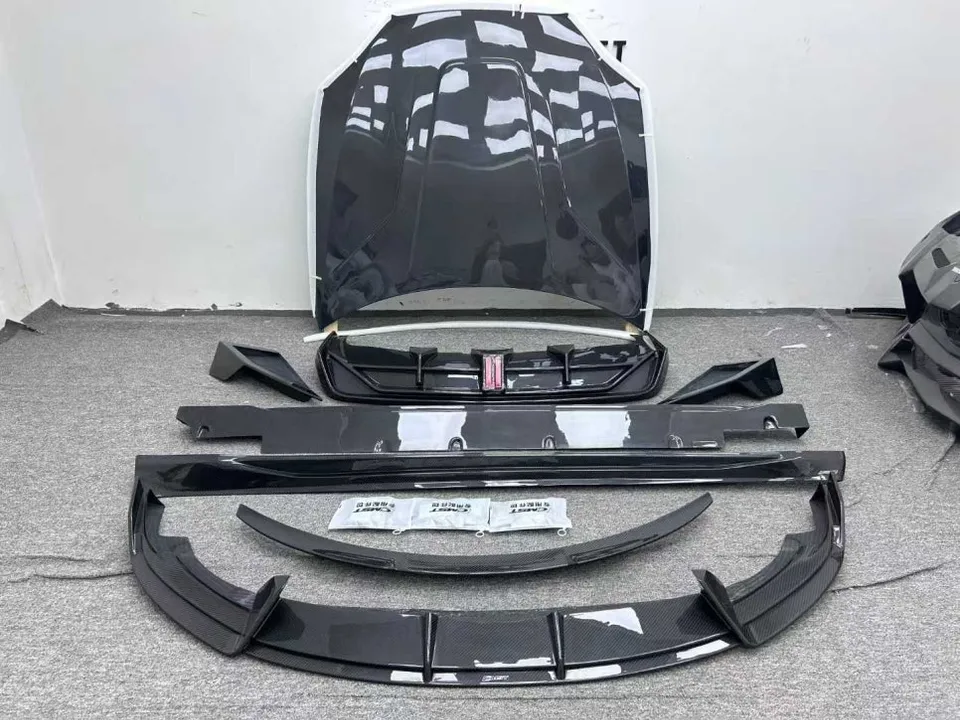
- Component Mounting: The body kit pieces (e.g., front lip, side skirts) are carefully aligned and attached to the installed brackets.
- Fastener Tightening & Sealing: All bolts and screws are tightened to the manufacturer's specified torque. Sound-dampening materials are applied to minimize noise and vibration.
- Final Check: A comprehensive inspection is performed to ensure all parts are securely fitted, aligned correctly, and free from any rattles or movement.
Body Kit Durability and Maintenance
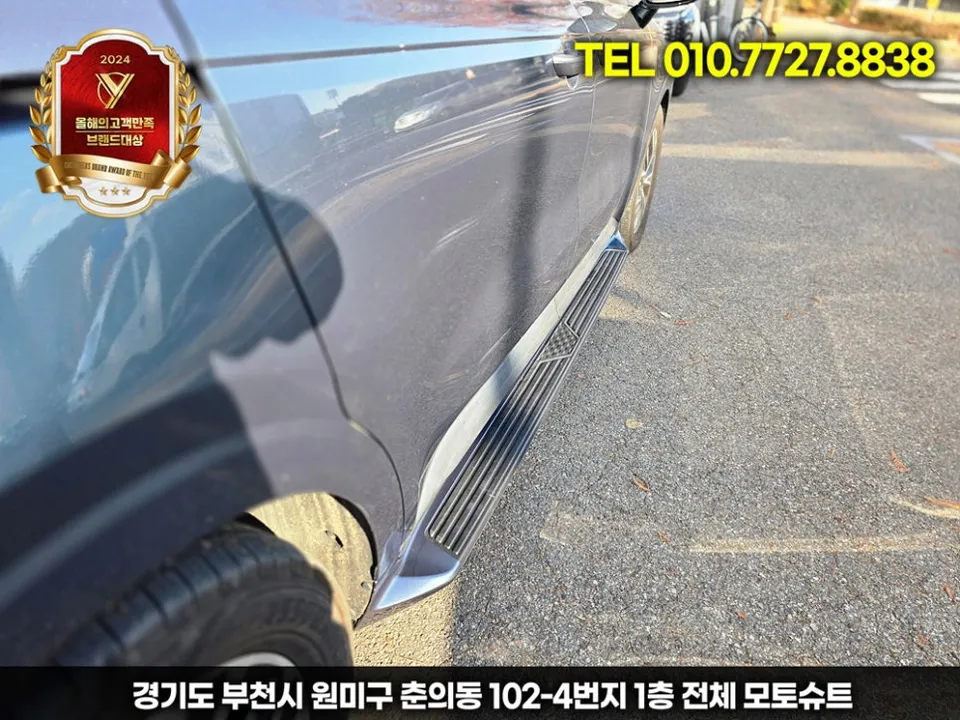
The longevity of a body kit largely depends on the materials used and the quality of the installation. Kits made from materials like ABS plastic or polyurethane tend to be more durable and resistant to impacts than those made from fiberglass (FRP). Proper installation, as detailed above, is key to preventing stress on the components and ensuring they withstand daily driving conditions. Regular cleaning with mild soap and water will maintain the finish. For minor scratches, touch-up paint can often be used. It's important to avoid harsh chemicals or abrasive cleaners that could damage the paint or material. With proper care, a quality body kit can last for many years, maintaining its appearance and function.
Is a Body Kit Worth It for Your Kia Carnival KA4?
Deciding whether a body kit is a worthwhile investment for your Kia Carnival KA4 involves weighing the costs against the benefits. If you prioritize enhanced aesthetics, improved ingress/egress, or a more rugged appearance for your vehicle, then a body kit can be an excellent addition. The added convenience for passengers and the potential for easier cargo management are significant practical advantages, especially for a family-oriented vehicle like the Carnival. While the initial body kit cost and installation can range from approximately $75-$115 for basic lips to several hundred dollars or more for full kits, the long-term satisfaction and utility often justify the expense for many owners. Consider your primary use case for the vehicle and your aesthetic preferences when making this decision.
Frequently Asked Questions
Q. How much does a body kit cost for a Kia Carnival KA4?
The body kit installation for a Kia Carnival KA4 can range from approximately $75-$115 for basic components like a front lip, with full kits costing significantly more depending on design and materials.
Q. How long does body kit installation take on a Kia Carnival KA4?
Body kit installation typically takes between 2-3 hours, ensuring all components are securely fitted and aligned. Proper maintenance involves regular cleaning with mild soap and water to preserve the finish and material integrity.
Q. Is a body kit worth it for a Kia Carnival KA4?
A body kit is worth it for a Kia Carnival KA4 if you value enhanced vehicle aesthetics and improved practicality, such as easier passenger access. The added style and functionality often justify the investment for owners seeking a more personalized or utility-focused vehicle.
Q. How is a body kit installed on a Kia Carnival KA4?
Installation involves precisely positioning the kit components, attaching specialized brackets to the vehicle's chassis often using factory points, and securely fastening the kit pieces. Sound-dampening materials are applied to minimize noise and vibration during the process.
Q. What is the difference between FRP and polyurethane body kits for a Kia Carnival KA4?
FRP (Fiber-Reinforced Plastic) kits are generally less durable and more prone to cracking than polyurethane kits, which offer greater flexibility and impact resistance. For long-term durability and better performance against minor impacts, polyurethane is typically recommended.
OhCar Partner Shop