Hyundai Palisade LX3 Body Kit Installation Review

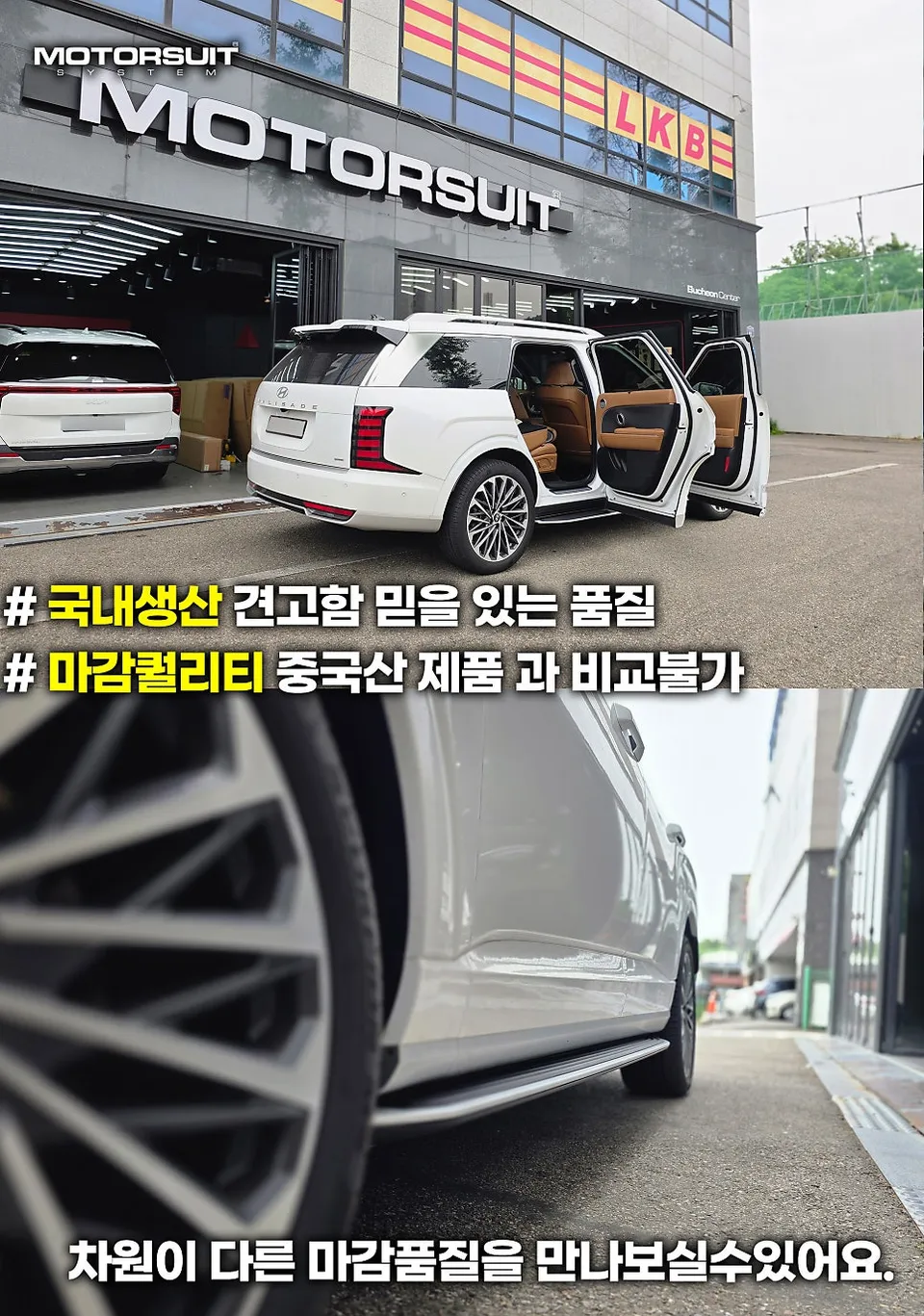
Hyundai Palisade LX3 body kit installation: Costs vary. Enhances aesthetics for a sportier look. Consider durability and professional fitting.
Enhancing Your Hyundai Palisade LX3 with an Aero Kit
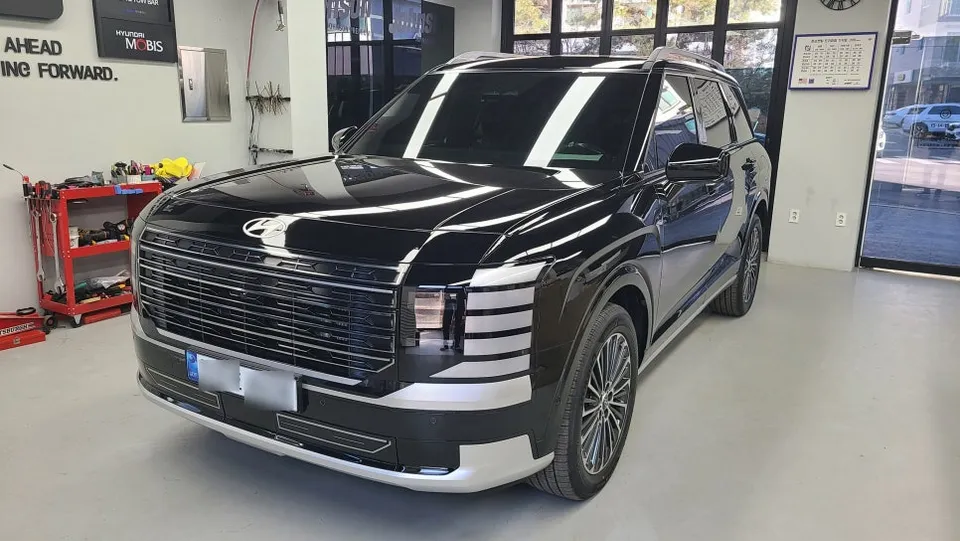
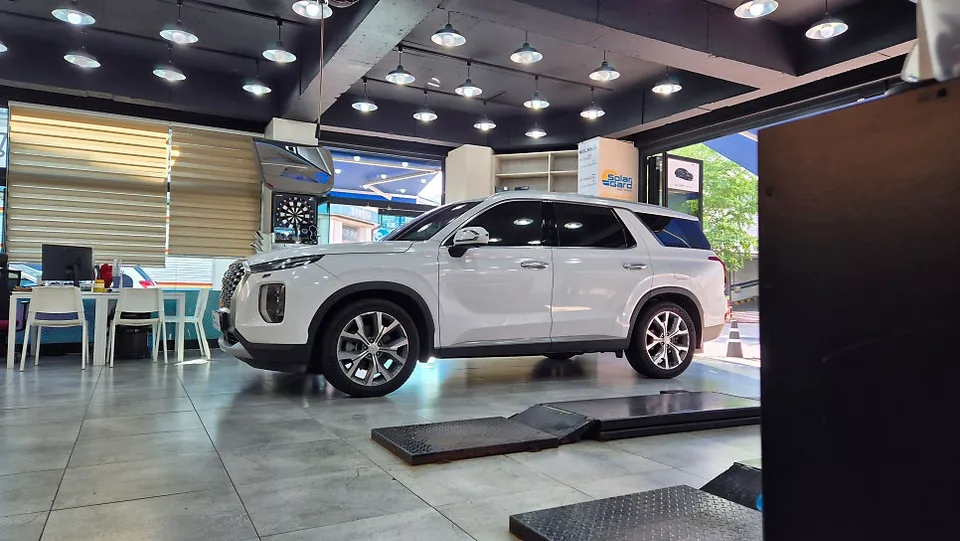
The Hyundai Palisade LX3, already a commanding presence on the road, can be further distinguished with the addition of an aero kit, often referred to as a body kit. This modification focuses on enhancing the vehicle's aesthetics and aerodynamics, giving it a sportier, more aggressive stance. While the original Korean context for this specific installation focused on genuine OEM side steps (part of a broader aero kit concept), the principles apply to aftermarket body kits as well. This review delves into the typical installation process, potential costs, and the overall value proposition for Palisade owners considering this upgrade.
Body Kit Installation: What to Expect
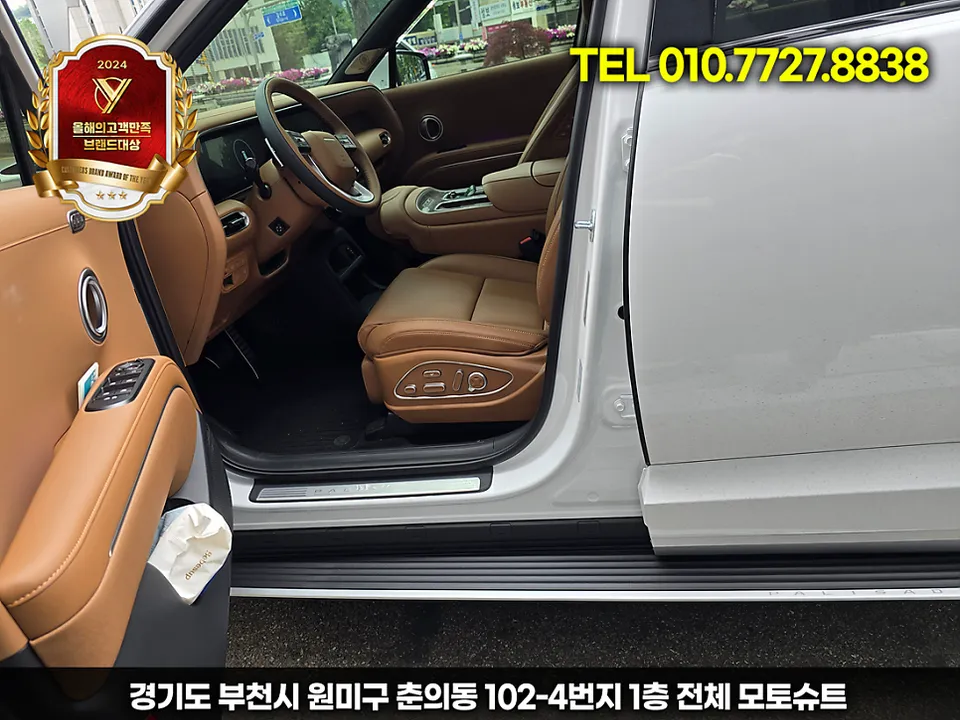
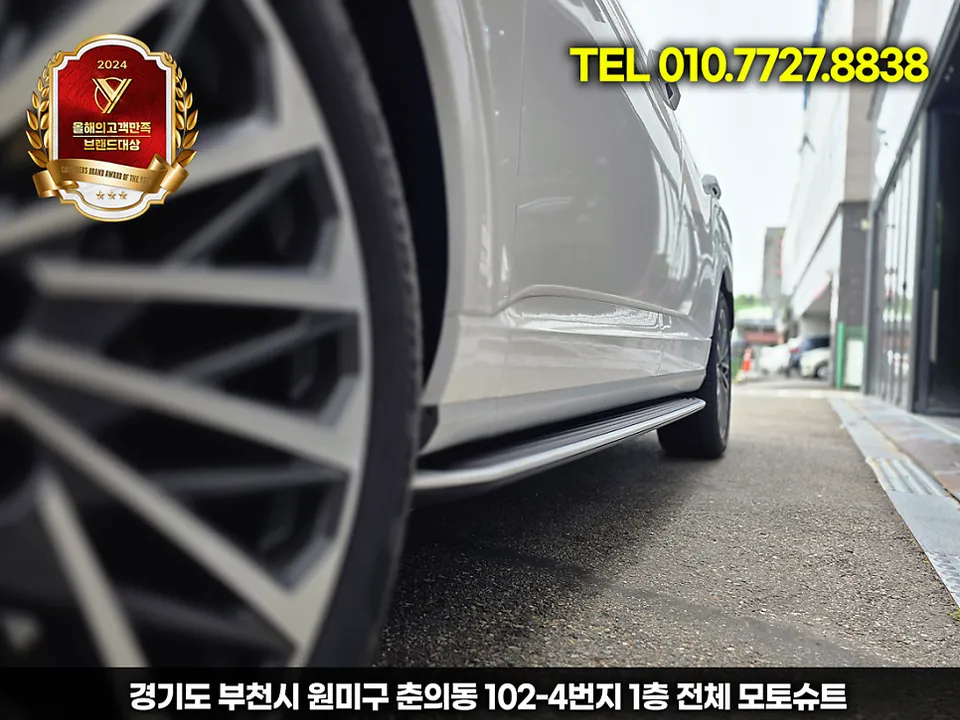
Installing a body kit on a Hyundai Palisade LX3 involves fitting new exterior components, typically including a front lip spoiler, side skirts, and sometimes a rear diffuser or bumper extension. The goal is to create a more cohesive and dynamic visual profile. The process requires precision to ensure a seamless fit and finish, maintaining the vehicle's factory lines while adding a custom touch. The original Korean installation highlighted the use of genuine parts, emphasizing quality and perfect integration. For aftermarket kits, material choice—such as FRP (Fiber Reinforced Plastic) or polyurethane—significantly impacts durability and installation complexity.
The Value Proposition: Is a Body Kit Worth It?
Deciding whether a body kit is worth the investment for your Hyundai Palisade LX3 depends on your priorities. If you seek a more personalized and aggressive look that sets your SUV apart, the visual transformation can be significant. The before-and-after results can dramatically alter the vehicle's perceived sportiness. However, it's crucial to weigh this against the body kit cost, which can range from several hundred to over a thousand dollars, plus installation fees. Durability is also a factor; while some materials are more robust than others, body kits can be susceptible to damage from road debris or steep driveways. For owners who value a unique aesthetic and are mindful of potential maintenance, a body kit can be a rewarding modification.
Installation Process:
- Surface Preparation: The existing bumpers and side panels are thoroughly cleaned and degreased to ensure optimal adhesion.
- Component Fitting: The new body kit components (front lip, side skirts, etc.) are carefully aligned and test-fitted to the vehicle.
- Securing the Kit: Components are attached using a combination of automotive-grade adhesive, specialized clips, and sometimes drilling into the factory body panels for a secure fit.
- Finishing Touches: Any gaps are sealed, and the new parts may be painted to match the vehicle's color code or finished in a contrasting style.
Frequently Asked Questions
Q. How much does a body kit cost for a Hyundai Palisade LX3?
The cost for a body kit for the Hyundai Palisade LX3 can range from approximately ₩700,000 to over ₩1,500,000 in Korea (roughly $500-$1100 USD), plus installation fees which can add several hundred dollars more.
Q. How long does body kit installation take on a Hyundai Palisade LX3?
While the installation itself might take a few hours, the overall process including preparation, fitting, and finishing can often extend to a full day. Proper durability relies on meticulous installation and avoiding harsh impacts.
Q. Is a body kit worth it for a Hyundai Palisade LX3?
A body kit is worth it for Hyundai Palisade LX3 owners seeking a significantly enhanced, sportier aesthetic. The value is in the visual customization, provided you are prepared for the associated costs and potential maintenance.
Q. How is a body kit installed on a Hyundai Palisade LX3?
Installation typically involves preparing the vehicle's surface, precisely fitting the new components like front lips and side skirts, and securing them with automotive adhesives and fasteners. The process may also include painting to match the vehicle's color.
Q. What is the difference between FRP and polyurethane body kits for a Hyundai Palisade LX3?
FRP body kits are generally more rigid and easier to repair but can be brittle, while polyurethane kits offer greater flexibility and impact resistance, making them more durable against minor bumps. For most daily driving scenarios, polyurethane is often recommended for its resilience.
OhCar Partner Shop