Kia Carnival KA4 Seat Climate Upgrade Review

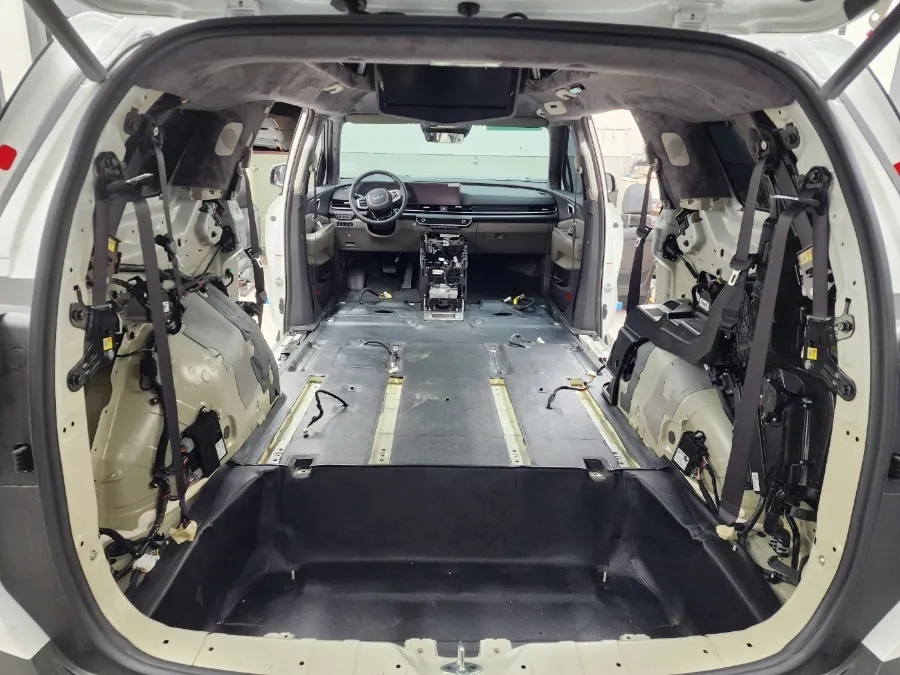
Kia Carnival KA4 seat climate upgrade: Approx. $750-$1800 USD. Adds heating & ventilation for enhanced comfort.
Enhancing Your Kia Carnival KA4 Experience with Seat Climate Control
The Kia Carnival KA4 is renowned for its spacious interior and family-friendly features, but for those seeking ultimate comfort, especially during long drives or in varying climates, adding seat ventilation and heating can be a game-changer. This review delves into the specifics of retrofitting ventilated and heated seats into your Carnival KA4, covering what to expect regarding installation, cost, results, and overall value. While the original context discusses interior modifications like yacht flooring and rail extensions in Korea, this review focuses specifically on the seat climate upgrade for US/UK audiences.
Understanding Seat Ventilation & Heating Retrofits
Seat ventilation and heating systems involve integrating specialized components into your existing car seats. For ventilated seats, this typically means installing fans and perforated fabric or leather to circulate cool air, drawing heat away from the occupant. Heated seats use resistive heating elements embedded within the seat cushion and backrest to provide warmth. These systems can be installed as a complete package (both heating and ventilation) or individually.
The process requires careful disassembly of the seat covers, precise placement of the heating/cooling elements and wiring, and reassembly. The quality of the installation is paramount for both performance and safety. Aftermarket kits vary in complexity and effectiveness, with some offering multiple levels of intensity for both heating and cooling. The goal is to achieve a factory-like integration, ensuring the controls are accessible and the seats remain comfortable and supportive.
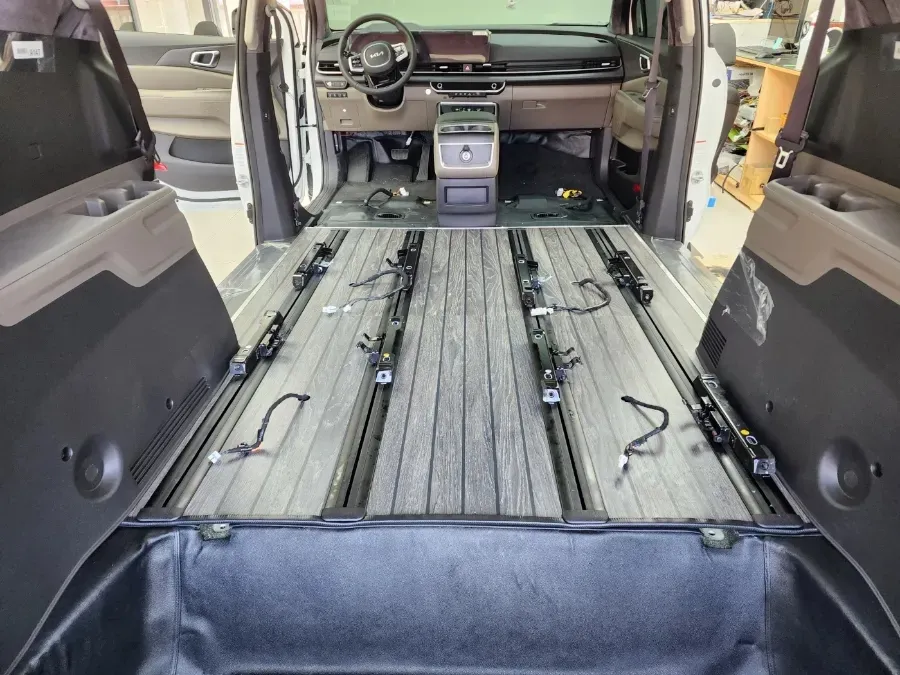
Installation Process and Expected Results
Installing ventilated and heated seats in a Kia Carnival KA4 is a specialized job that requires professional expertise. While DIY kits exist, the complexity and potential for error make professional installation highly recommended for optimal results and safety.
Installation process:
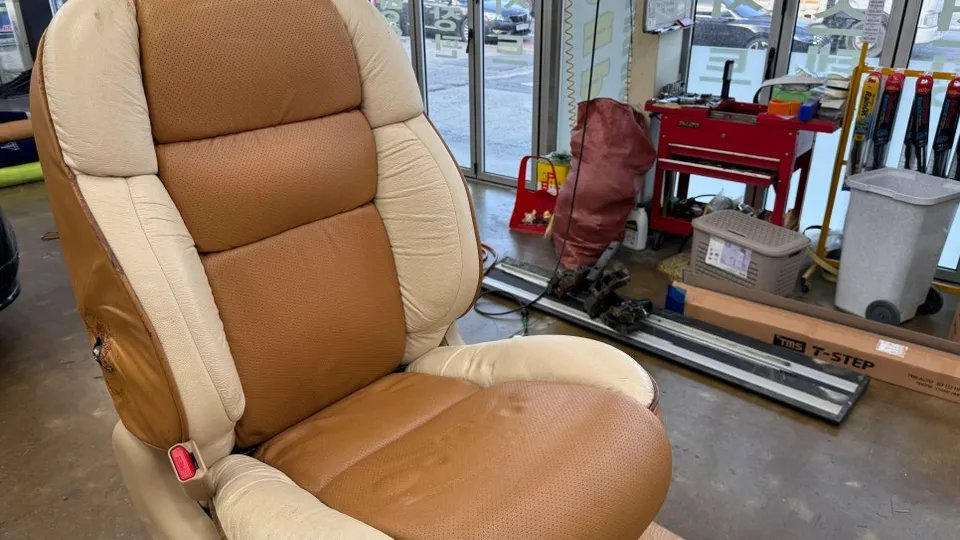
- Seat Disassembly: Professional technicians carefully remove the seat covers to access the underlying foam and frame.
- Component Integration: Heating elements, ventilation fans, wiring harnesses, and control modules are meticulously integrated into the seat structure. Perforated fabric or leather may be used for ventilation.
- Wiring and Control Setup: The system is wired to the vehicle's power source, and control switches or modules are installed in an accessible location, often integrated into the dashboard or seat controls.
- Reassembly and Testing: Seat covers are reinstalled, and the entire system undergoes rigorous testing to ensure proper heating, cooling, and safety functionality.
Before and After: Before the upgrade, the Carnival's seats offer standard comfort. After installation, occupants can enjoy personalized climate control. On hot days, ventilated seats provide a cooling sensation, preventing discomfort from hot leather or vinyl. In cold weather, heated seats offer rapid and consistent warmth. The difference is significant, transforming the driving experience, especially for those who frequently travel in extreme temperatures or spend long hours in the vehicle.
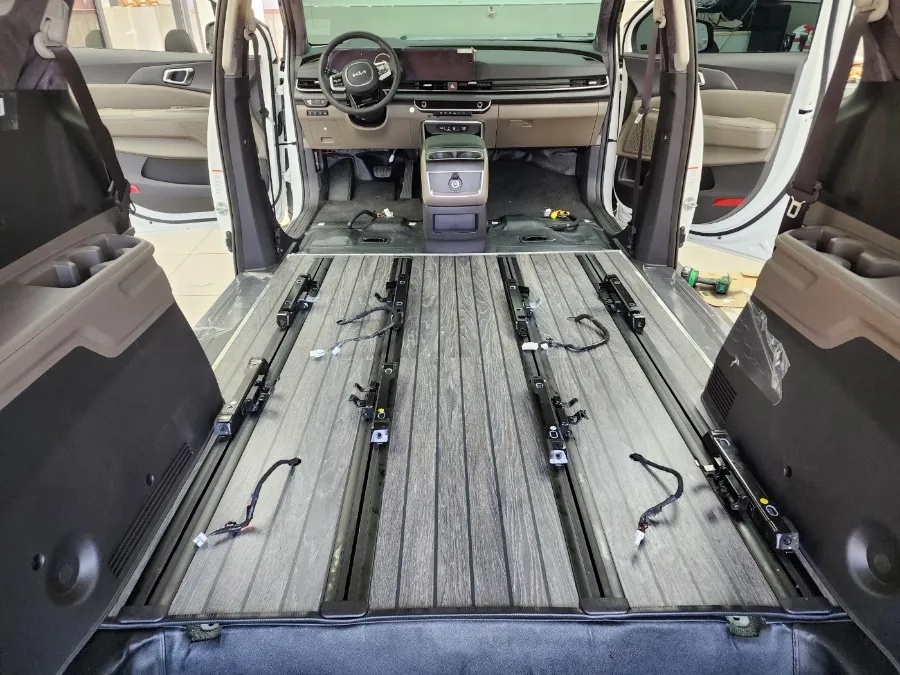
Durability, Maintenance, and Cost Considerations
The durability of aftermarket seat climate systems largely depends on the quality of the components used and the professionalism of the installation. Reputable kits and installers aim for longevity, comparable to factory-installed options. Maintenance is generally minimal; regular cleaning of the seat upholstery is sufficient. For ventilated seats, ensuring the perforations are free from debris can help maintain airflow. Electrical components are typically sealed and require no user maintenance.
Cost: The cost for a full seat ventilation and heating retrofit for a Kia Carnival KA4 can vary significantly. In Korea, such comprehensive upgrades might range from approximately ₩1,000,000 to ₩2,500,000 (roughly $750 to $1,800 USD, depending on exchange rates and specific components). In the US or UK, expect similar or potentially higher figures due to labor costs and component sourcing. Prices depend on whether you're upgrading one or both front seats, the type of materials used (e.g., genuine leather vs. synthetic), and the brand of the retrofit kit.
Is it Worth It? For Kia Carnival KA4 owners who prioritize comfort and frequently encounter extreme weather conditions, a seat ventilation and heating upgrade can be a worthwhile investment. It significantly enhances the daily driving experience, making commutes and road trips more pleasant. The key is to choose a high-quality system and a trusted installer to ensure safety, performance, and durability.
Frequently Asked Questions
Q. How much does ventilated seat installation cost for a Kia Carnival KA4?
In Korea, this upgrade can range from approximately ₩1,000,000 to ₩2,500,000 (around $750-$1800 USD). US/UK pricing may be similar or higher depending on labor and parts.
Q. How long does seat ventilation installation take on a Kia Carnival KA4?
Professional installation typically takes several hours per seat, often completed within a single day. Durability is generally good with quality components and expert fitting.
Q. Are aftermarket ventilated seats worth it for a Kia Carnival KA4?
Yes, for drivers frequently experiencing extreme temperatures or long journeys, the comfort enhancement is significant. It's a worthwhile investment for improved daily driving and travel.
Q. How are ventilated seats installed in a Kia Carnival KA4?
Installation involves disassembling the seat covers, integrating fans and wiring into the seat structure, and reassembling with controls. Quality installation ensures proper airflow and safety.
Q. What is the difference between OEM and aftermarket ventilated seats for a Kia Carnival KA4?
OEM systems are factory-integrated with seamless controls, while aftermarket options offer more flexibility in choice and potentially lower cost but require professional retrofitting. For most owners, a professional aftermarket installation provides excellent results.
OhCar Partner Shop