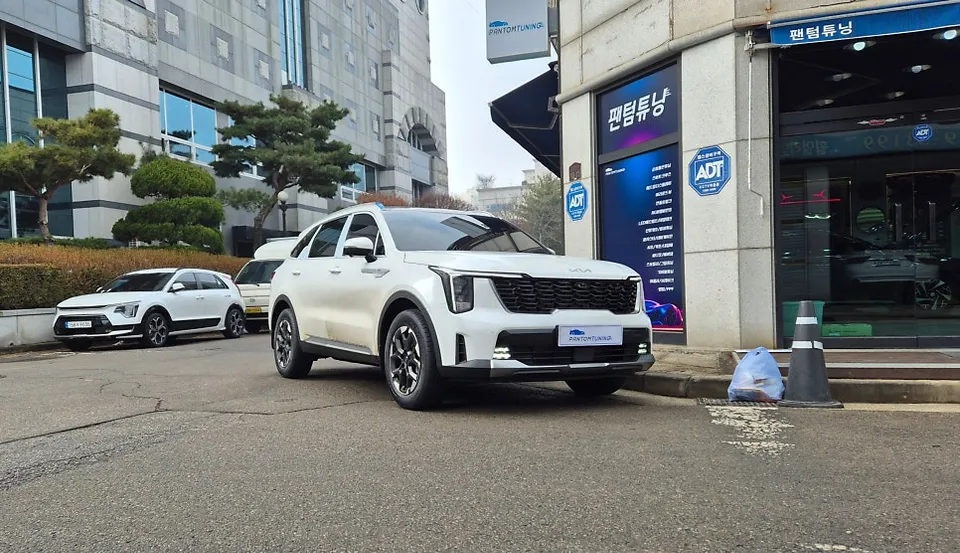
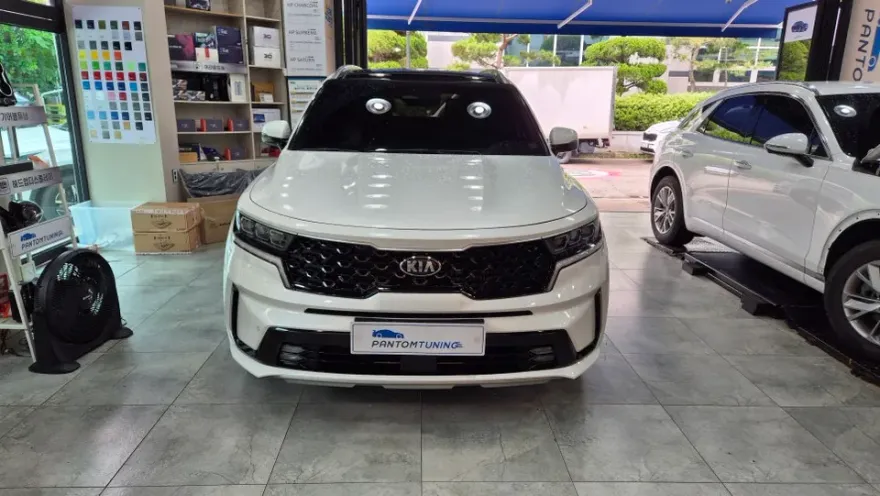
Kia K5 1st Gen Seat Climate Upgrade Review
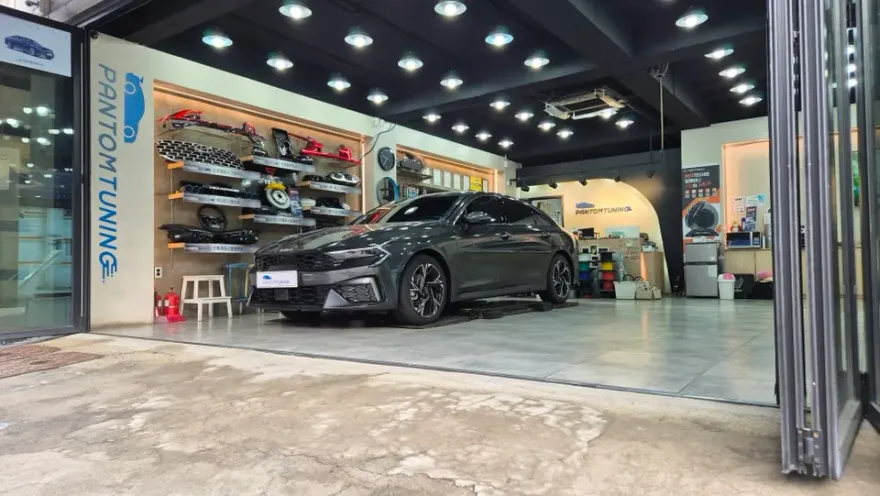
Before
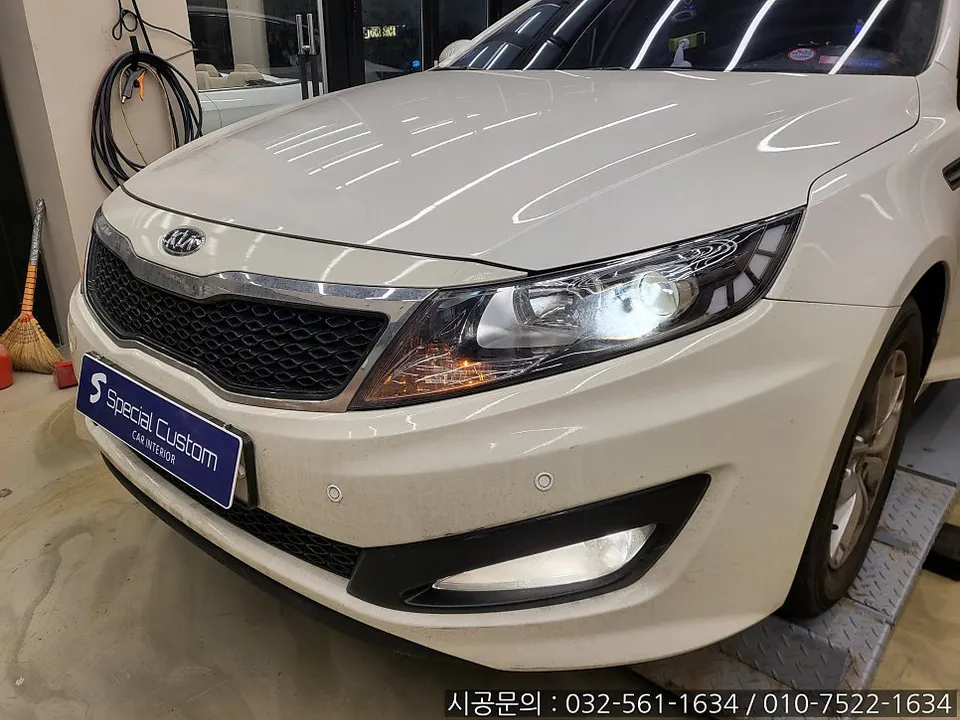
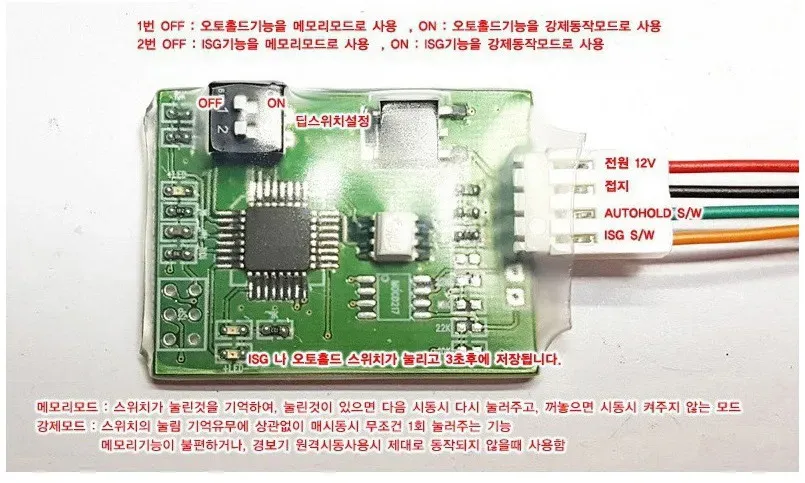
After
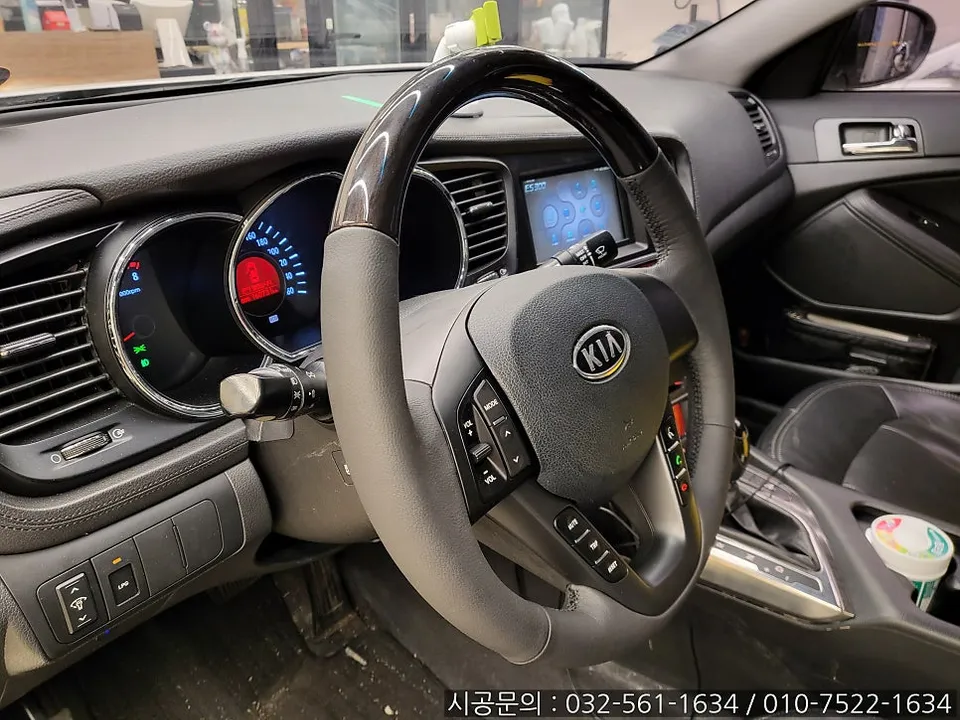
Kia K5 1st Gen seat climate upgrade: Approx. $225-$490. Adds heating/cooling for year-round comfort.
Upgrade Your Kia K5 1st Gen with Seat Ventilation & Heating
Experiencing uncomfortable temperatures in your Kia K5 1st Gen? Whether it's the biting cold of winter or the sweltering heat of summer, your seats can significantly impact your driving comfort. This review explores the benefits, costs, and installation process of adding seat ventilation and heating systems to your vehicle, transforming your daily commute into a more pleasant experience. We'll cover everything from the initial investment to the long-term durability, helping you decide if a seat climate upgrade is the right choice for your K5.
Understanding Seat Ventilation & Heating Retrofits
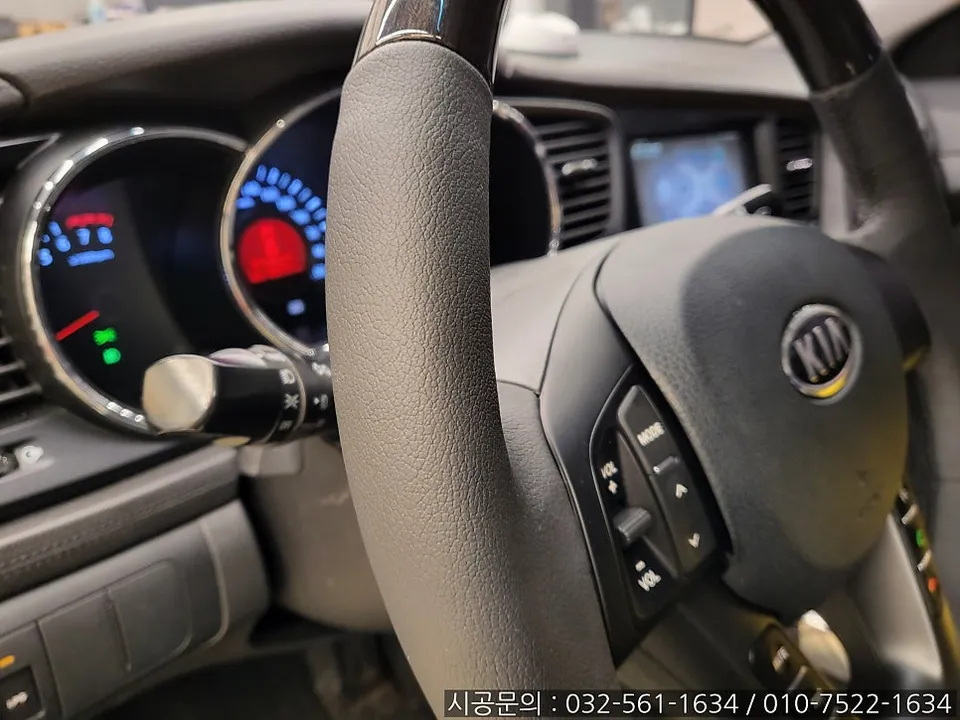
The original Korean context for this service highlights the discomfort of cold hands on the steering wheel during winter. While that specific context focused on heated steering wheels, the principle extends to seat climate control. Adding ventilated seats provides cooling airflow, preventing that sticky, uncomfortable feeling on hot days. Conversely, heated seats offer much-needed warmth during colder months. This review focuses on the general concept of adding these features, often referred to as a seat climate upgrade or seat cooling retrofit, to a Kia K5 1st Gen. The goal is to achieve the comfort and convenience typically found in higher-trim vehicles, directly addressing the need for a more comfortable driving environment regardless of the season.
Installation Process and Considerations
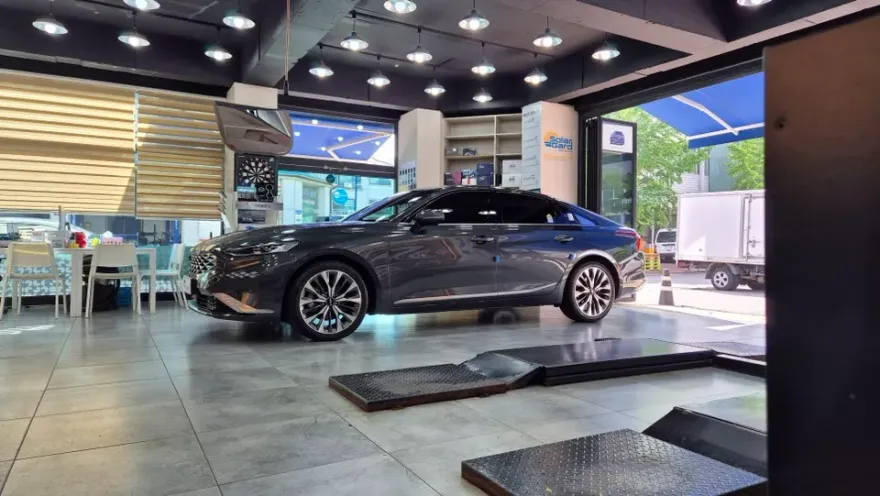
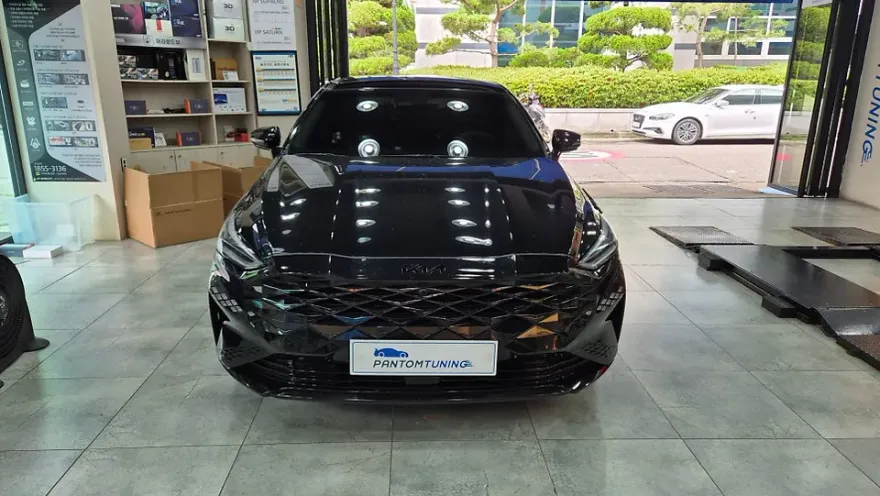
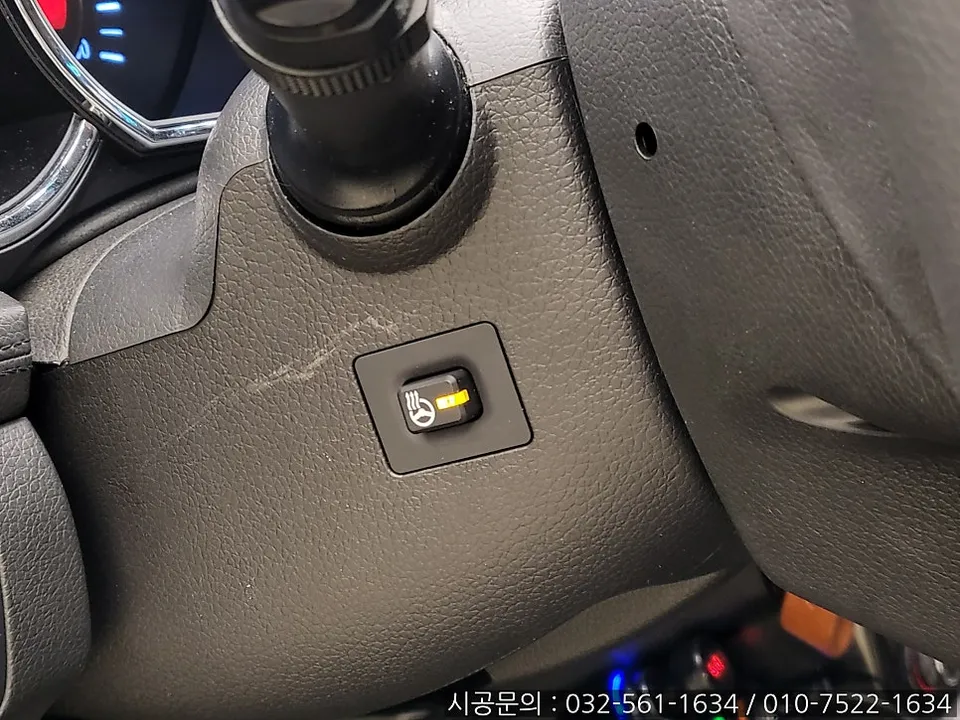
Installing seat ventilation and heating systems involves integrating new components into your existing seats. The process typically uses genuine parts, ensuring a factory-like finish and functionality. In Korea, where this service is common, specialists use Hyundai/Kia genuine parts to maintain the vehicle's original quality. This ensures that the heating elements or ventilation fans are seamlessly integrated, and any new switches are placed in factory-appropriate locations, maintaining the interior's aesthetic appeal. The installation requires careful wiring and component placement to ensure safety and optimal performance. While the original context mentioned a specific installation in Incheon, South Korea, the general process is transferable. The durability of these systems is generally high, with many users reporting years of reliable use, often considered a semi-permanent upgrade.
Installation Process:
- Component Integration: The installer carefully fits heating elements or ventilation fans beneath the seat upholstery.
- Wiring: Electrical connections are made to the vehicle's power supply and a control switch, often integrated into the dashboard or seat controls.
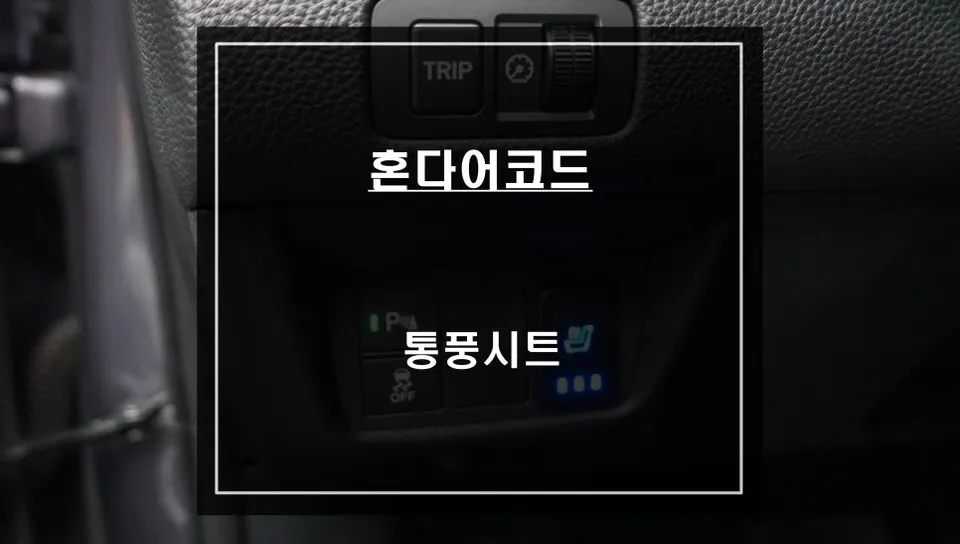
- Switch Installation: A dedicated switch for the ventilation and heating functions is installed in an accessible and aesthetically pleasing location.
- Testing: The system is thoroughly tested to ensure both heating and cooling functions operate correctly and safely.
The cost for such an upgrade in Korea can range from approximately 300,000 to 650,000 KRW (roughly $225 - $490 USD, depending on exchange rates), varying by vehicle model and specific design choices. Installation typically takes around 3-4 hours and can often be completed within a single day. This seat cost is an investment in comfort, and the durability suggests it's a worthwhile consideration for many drivers.
Frequently Asked Questions
Q. How much does ventilated seat installation cost for a Kia K5 1st Gen?
In Korea, the cost for seat ventilation and heating retrofits on a Kia K5 1st Gen typically ranges from 300,000 to 650,000 KRW (approximately $225 - $490 USD). These systems are generally designed for semi-permanent use, often lasting over 5 years with proper care.
Q. How long does seat ventilation installation take on a Kia K5 1st Gen?
Seat ventilation and heating installation usually takes about 3 to 4 hours and can often be completed within the same day. With proper care and maintenance, these systems are built for long-term durability, often lasting many years.
Q. Are aftermarket ventilated seats worth it for a Kia K5 1st Gen?
Ventilated and heated seats are worth it for Kia K5 1st Gen owners seeking enhanced comfort year-round, especially if their vehicle didn't come with this feature. The investment provides significant improvements in driving experience during extreme temperatures.
Q. How are ventilated seats installed in a Kia K5 1st Gen?
Installation involves fitting heating elements or ventilation fans under the seat upholstery, connecting them to the vehicle's power, and installing a control switch. The process typically includes careful wiring and testing to ensure full functionality and safety.
Q. What is the difference between OEM and aftermarket ventilated seats for a Kia K5 1st Gen?
OEM (Original Equipment Manufacturer) parts, like those used in the Korean context, ensure a factory-fit and seamless integration with your Kia K5 1st Gen's existing systems. Aftermarket options can vary widely in quality and integration, so choosing reputable brands is crucial for a comparable result.
OhCar Partner Shop